
What Horse Owners Should Know About Ranch Rail Fencing
Livestock lean on a fence line the way people never do, testing every joint and edge day after day. A rail without rough grain or splinters holds up to that contact far better than painted wood, and needs no repainting to keep that same smooth edge for years.
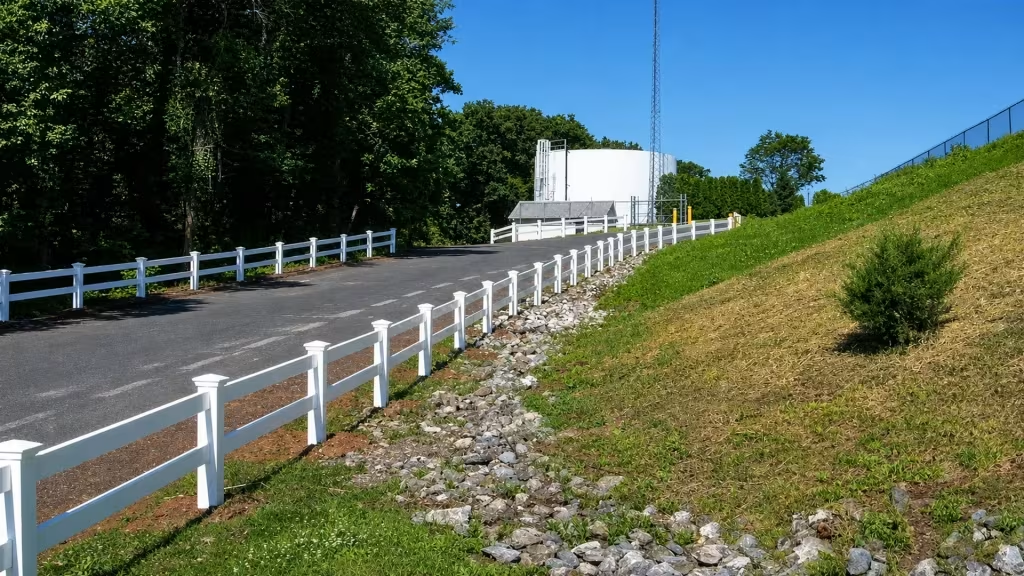
What to expect
- Vinyl construction lets ranch rails handle extreme heat and UV exposure without the rotting, warping or fading that wears down wood fences.
- Upkeep stays simple, a hose rinse replaces the painting, staining and sealing that wood ranch fencing demands year after year.
- Rail count is the real decision: two rails suit a low property line, three add stability for livestock, and four give the most secure hold for horses.
- The smooth vinyl surface resists splintering and is hard for kids and pets to climb, adding a safety edge that wood fencing lacks.
A Simple Fence That Works Almost Anywhere
If you’re after a fence that’s durable, low-maintenance, and works for more than one type of property, ranch rails deserve a look. These clean, simple fences have become a popular choice on homes, farms, ranches, and plenty of other properties across the country.
Here we’ll get into what makes ranch rails worth choosing, the best ways to put them to use, the range of styles available, and why Pro Vinyl Fencing in Los Angeles is the right call for your installation. Whether you want a simple, classy fence for the house or a rugged, secure barrier for livestock, ranch rails can cover it. No reason to wait, there’s a lot to like once you start looking into what ranch rails can do.
What Makes Ranch Rails Worth Considering
Ranch rails bring a long list of advantages, which explains why homeowners, farmers, and ranchers keep coming back to them. Here’s a closer look at what makes these fences stand out:
- Durability: Durability is one of the biggest selling points here. Ranch rails are made from high-quality vinyl built to take on extreme temperatures, UV exposure, and whatever weather comes their way. Wood fences rot, warp, and fade as the years go by, but vinyl fencing is built to hold its appearance and strength for a long stretch of time with very little upkeep required.
- Low Maintenance: Low maintenance is another strong point. Wood fences need regular painting, staining, and sealing to stay presentable, but vinyl fencing is easy to clean and keep up. A quick rinse with a hose gets the job done, no expensive, time-consuming maintenance routine eating into the hours you’d rather spend on something else.
- Versatility: Ranch rails show up in a wide range of colors, styles, and designs, which makes them one of the more versatile fencing options out there. Classic white, a warm earth tone, or a bold color that matches the house, there’s a vinyl fence to fit what you have in mind. That range of choice means you can land on the exact look your property calls for, whether that’s traditional, modern, or something in between.
- Affordability: Set next to wood, metal, or brick, vinyl fencing comes in relatively affordable. It delivers a strong return on investment, and you won’t be pouring money into maintenance and repairs year after year. That makes it a smart pick for homeowners and property owners after a cost-effective fencing solution.
- Safety: For families with kids and pets, ranch rails hold up well. They’re safe and secure, and they won’t splinter or rot the way wood fences do. The smooth surface also makes them tough for kids and pets to climb, which can put parents and pet owners more at ease. Whether the goal is a safe play area for the children or a way to keep pets from wandering off, ranch rails handle it well.
How Ranch Rails Stack Up Against Other Materials
Picking a fencing solution for your property can get overwhelming once you start weighing all the options out there. Ranch rails have plenty going for them, but how do they measure up against other types of fencing? Below is a look at how ranch rails compare to other popular fencing materials.
The Trouble With Wood
Wood fences are the traditional, classic pick for a lot of properties, but they carry some real drawbacks. Over time they rot, warp, and fade, and that eventually means costly repairs or a full replacement. They also need regular maintenance such as painting, staining, and sealing just to keep looking presentable. Ranch rails, by contrast, are made from high-quality vinyl, which holds up as durable, low-maintenance, and built to last. They’re also safer than wood fences since they won’t splinter or rot, and the smooth surface makes them hard for kids and pets to climb.
Metal Fences Bring Their Own Headaches
Metal fences, wrought iron or aluminum among them, are another popular option for a lot of properties. They can be strong and secure, but they also tend to run expensive and need regular maintenance to keep rust and corrosion at bay. On top of that, metal fencing can be noisy and give a property a harsh, uninviting look. Ranch rails, on the other hand, are vinyl, a lightweight, low-maintenance material, and they come in enough colors and styles that you can still land on the exact look you want for your property.
Why Brick and Stone Take Longer
Brick or stone fencing is durable and good-looking, but it’s also expensive and slow to put in. It needs regular maintenance too, things like repointing and cleaning, to keep it looking its best. Ranch rails, made from vinyl, offer a cost-effective, low-maintenance alternative to brick and stone, and they still come in enough colors and styles that you can choose the look that fits your property.
Where Ranch Rails Get Used
Where ranch rails work best varies quite a bit, it comes down to what the property owner actually needs. Here are some of the most common, most effective uses for them:
- Residential Properties: Ranch rails are a popular pick for residential properties, especially homes with large yards and gardens. They give off a clean, simple, elegant look that works with just about any architectural style, and the durability and low maintenance make them a solid investment for homeowners. Whether the goal is a private outdoor living space, a clear boundary line, or just a bit more style in the yard, ranch rails are a strong choice.
- Farms and Ranches: On farms and ranches, where fencing needs to be strong, durable, and long-lasting, ranch rails are an ideal fit. They contain horses, cattle, and other livestock well and stand up to the harsh conditions rural life throws at them. For pastures, corrals, or just marking off property lines, ranch rails work well for farmers and ranchers.
- Agricultural Properties: Agricultural properties such as vineyards, orchards, and nurseries can benefit from the strength and durability ranch rails bring. They protect crops and livestock from predators and other environmental hazards, and they stay easy to clean and maintain. Whether the need is a secure perimeter, crop protection, or simply marking the boundaries of the land, ranch rails are a strong choice for agricultural properties.
- Public Parks and Recreation Areas: In public parks and recreation areas, where safety and durability matter most, ranch rails are a great fit. They work well for enclosing play areas, picnic spots, and other public spaces, giving visitors a barrier that’s both safe and good-looking. Whether it’s a safe play area for children, protection for a picnic area from wildlife, or simply a barrier around a public space, ranch rails are a strong choice for parks and recreation areas.
Home, farm, or public park, ranch rails hold up as a strong choice no matter the setting. Between the durability, low maintenance, versatility, and safety, they’re an investment you’ll be glad you made for years to come.
Picking a Rail Count: Two, Three, Four, or Cross
Ranch rails come in several different configurations, each with its own features and benefits. Here’s a closer look at some of the most popular types:
- Two-Rail Fences: The simplest, most traditional ranch rail layout. Two horizontal rails run between posts, making for low-maintenance, low-cost fencing. It creates a clean, elegant look and shows up often on residential properties, in parks, and anywhere a low-profile fence fits the bill.
- Three-Rail Fences: Similar to the two-rail setup, but with one more rail added for extra stability and support. This version works well on properties with livestock, offering a more secure barrier than the two-rail option. It’s common on farms and ranches, where containing horses, cattle, and other livestock is the priority.
- Four-Rail Fences: The most robust, most secure ranch rail option available. It suits properties with larger livestock, horses especially, and offers a higher level of protection against predators and other environmental hazards. Four-rail fencing shows up often on farms, ranches, and other rural properties, and it’s a strong pick for anyone who needs a secure, durable fencing solution.
- Cross-Rail Fences: This style uses horizontal and vertical rails that intersect to form a criss-cross pattern. It creates a distinctive, eye-catching look and tends to show up on residential properties, in parks, and other spots where a decorative fence makes sense. Homeowners looking to add some character and style to a property often land on this option.
Simple fence, secure and durable barrier, or a unique, decorative option, there’s a ranch rail style built to match. Whichever type you settle on, you’re getting a high-quality, low-maintenance, long-lasting fencing solution.
Working With Pro Vinyl Fencing in Los Angeles
If you need a reliable, affordable vinyl fencing installation service in Los Angeles, Pro Vinyl Fencing is worth a call. Here are some of the reasons customers choose us for their ranch rail installation:
- Expertise: Our team has been providing vinyl fencing installation services in Los Angeles for many years. We bring the knowledge and skills needed to get your fence installed correctly and to your satisfaction. Our team is committed to the highest quality of workmanship, and we take pride in meeting the specific needs of each customer.
- Quality Materials: We use only the highest-quality vinyl materials for our fences, and all of it is made in the USA. That means your fence lasts for many years with minimal maintenance, and it’s backed by a lifetime warranty. You can rest easy knowing your investment is protected.
- Affordable Prices: We believe a high-quality fence shouldn’t be out of reach because of budget. That’s why we keep our prices competitive across all our fencing services, so you can get the fence you want without breaking the bank. We also offer financing options that let you spread the cost of your fence out over time.
- Customer Satisfaction: At Pro Vinyl Fencing, customer satisfaction comes first. We take pride in our work and stay committed to making sure customers are happy with their fence. If something’s not right, we’ll do everything we can to fix it. Our goal is a positive, memorable experience for every customer, every time.
- Free Estimates: We offer free estimates on all our fencing services, so you get an accurate, fair quote for your fence. Our team will work with you to figure out the best solution for your property and provide a detailed estimate for the job.
Don’t wait on this one. Get your new ranch rail fence started today. Contact Pro Vinyl Fencing in Los Angeles to schedule a consultation and get a free quote. Our team is ready to help you find the right fence for your property.
Frequently asked questions
For everyday turnout, yes; three rails is the count most horse owners use. The rails are splinter-free and carry no chemical treatment, kinder than treated wood.
The catch: horses can chew and crib vinyl, which counts as animal damage the warranty excludes, so busy paddocks plan around it.
When you are after the ranch look and a property-line marker more than maximum hold: a low accent along a yard edge, a driveway, or a big lot.
For everyday containment, three rails is the usual pick; for heavy stock or a tall estate line, four is the count; and the decorative X is the crossbuck.
About 36 inches down, set in concrete, which is the deepest footing among the straight counts, because the tallest and densest line needs the most hold.
From there the rails feed through slots routed in each post, a route-and-lock method that shows no bracket or screw on the finished face.
It repeats rather than sitting in one spot. Ranch Rail boards and full-width acrylic bands alternate across the face of every section, so a band lands between each neighboring pair of boards, bottom to top.
Each band runs its side edges in one inch square U-channels, and its top and bottom edges seat into the rails.