Vinyl Privacy Wall Toppers
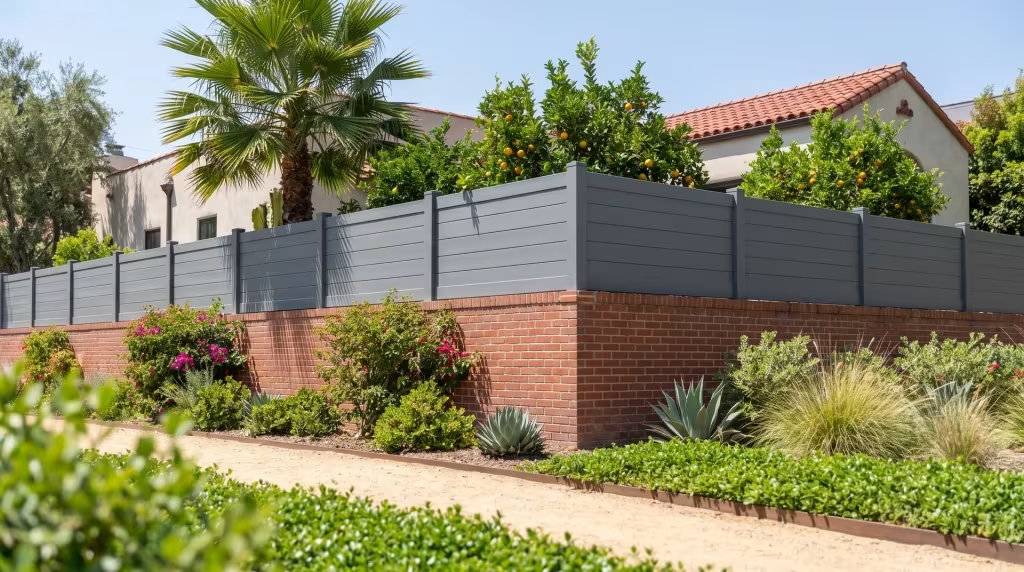
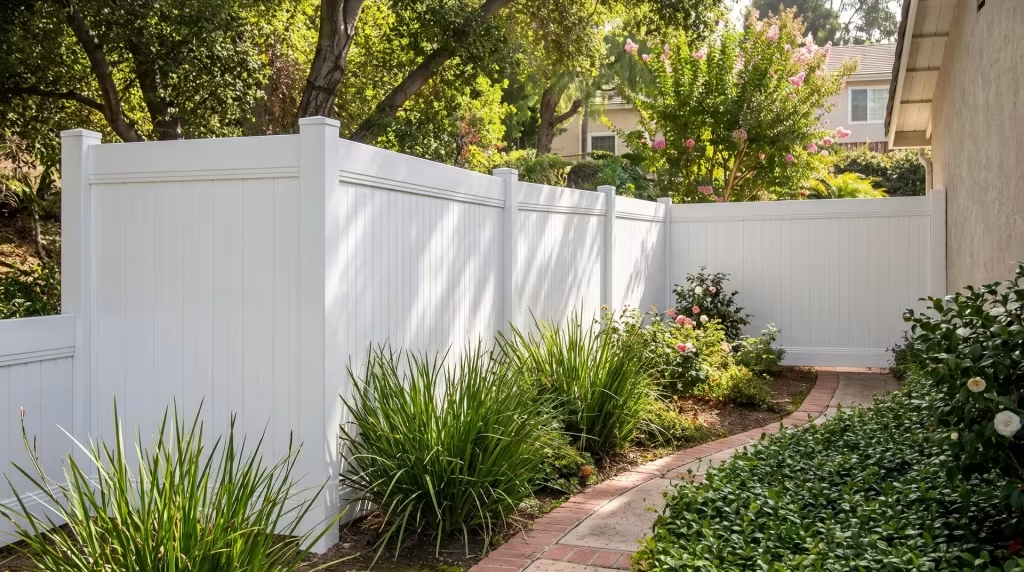
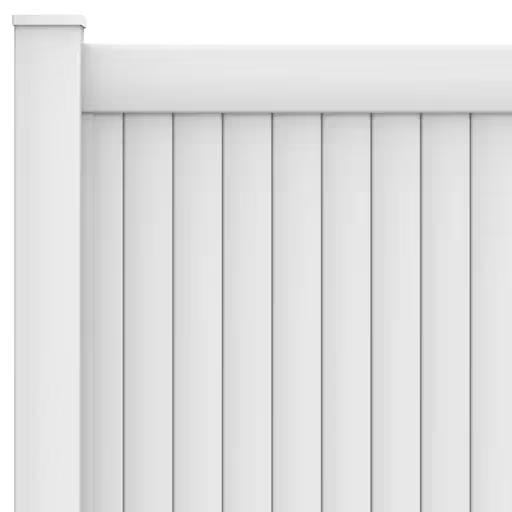
A solid tongue-and-groove cap closes the gap above an existing wall or fence, taking back a sightline a neighbor built over.
Call Now: (844) 744-0707

A vinyl wall topper is a short 2-3 ft section that sits on top of the fence or block wall you already own. It adds privacy and height, so you skip tearing out and replacing a fence that still works.
We’re a licensed installer and custom fabricator, in business since 2018 with 500+ five-star reviews. Every topper is built to fit your wall, matched to your fence’s color, and reinforced for wind. And the small custom-height job most crews skip? That’s the one we want.
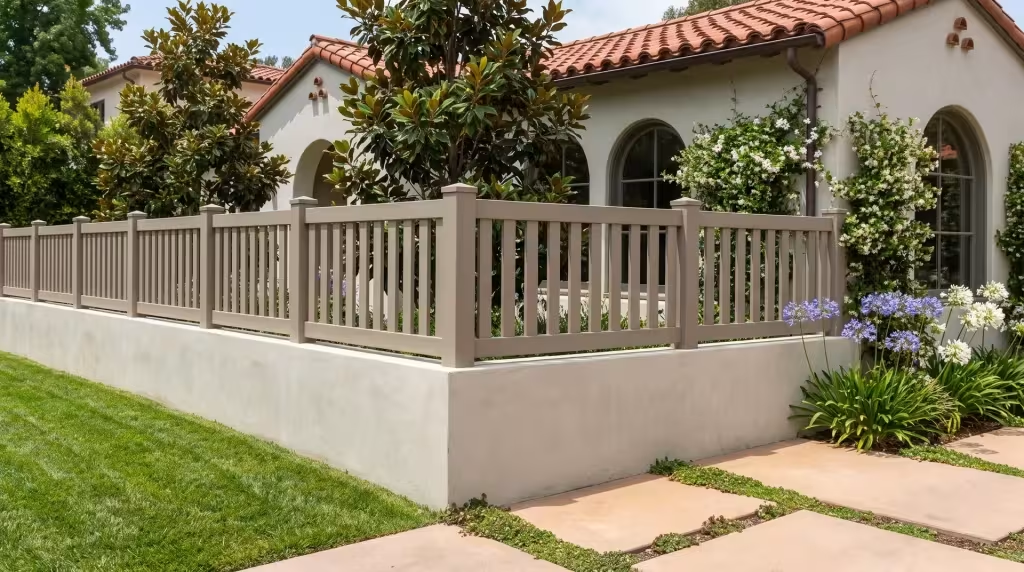
A topper adds real height to what you already own. It’s a smaller, faster job than a full rebuild, and it reuses the wall you’ve got.
We start by measuring the wall or fence you already have, custom-fabricate 2-3 ft vinyl sections to match its style and color, and reinforce them for wind. Most toppers go up in about a day, and your estimate is free.
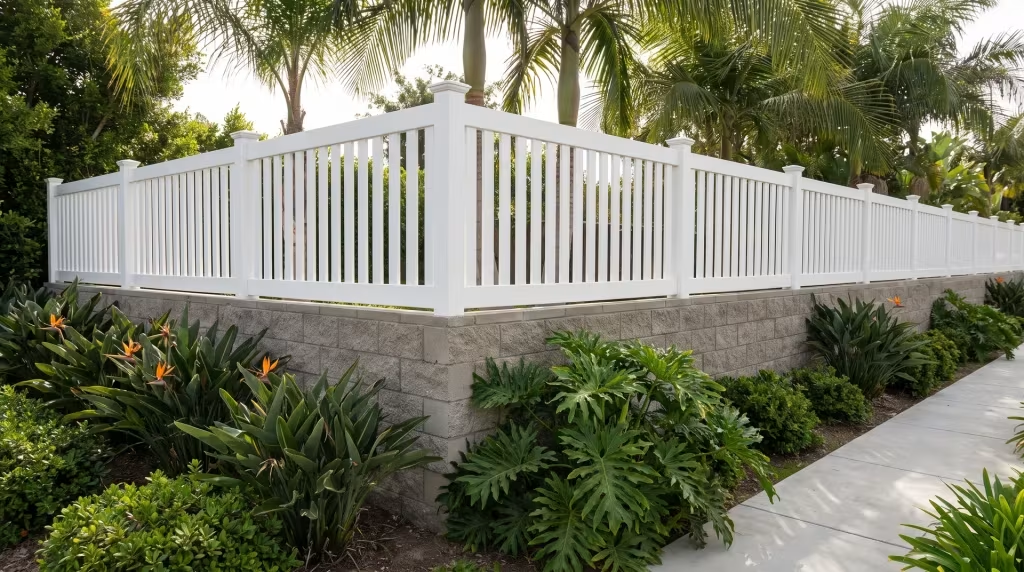
A fence topper is a short section, usually 2 to 3 feet tall, mounted on top of an existing fence or wall to add height. It is also called a fence extension or a wall topper, meaning more height on what you already have, without a new fence.


Toppers are full vinyl sections, just shorter. They come in the same 16 styles and 14 colors as a full-height fence, so the height belongs to the fence, not bolted on top.
Privacy, picket, and custom wall toppers each go deeper on one type.
Yes. A topper goes onto a block, brick, concrete, or masonry wall, or onto an existing vinyl or wood fence. This is where a store kit fails: a hollow vinyl fence cannot hold the lag bolts a kit needs.
As an installer and custom fabricator, we solve it structurally, reinforcing posts, pouring footings where the load needs them, and building each section to fit your wall. Then we clear out the old fencing and clean the site. Most toppers go up in about a day, and the vinyl carries a transferable limited lifetime warranty, plus our own 5-year workmanship warranty.
Added height catches more wind, and a topper on a 6-foot wall works like a lever. In windy spots we run metal inserts through the rails: vinyl outside, metal inside, and it takes any realistic wind this area gets. Posts and footings are sized for the taller line.
Usually not for a vinyl topper, but it depends on your city and finished height. A topper counts as part of the fence: the city includes lattice and ornamental sections in the height, taken from the ground to the highest point (LAMC 12.22 C.20(f)). For a non-masonry fence like vinyl, LADBS only requires a building permit above 10 feet, so a vinyl topper to 7 or 8 feet usually needs none.
It still must fit the zoning cap: 6 feet in most side and rear yards, or up to 8 feet if your lot is at least 40 feet wide and not on a hillside, with front yards near 3.5 feet. Two cases do need a permit: a masonry or concrete wall over 3.5 feet, and, in unincorporated LA County, any fence over 6 feet.
If your finished height goes over the zoning cap, you need Planning approval first, and front-yard height stays near 3.5 feet. In the Bay Area, height rules vary by city, so the local limit is worth confirming before you go taller. This is a summary, not legal advice, so confirm with your local building department.
| Where | Counts toward height? | Permit? |
|---|---|---|
| City of LA, vinyl | Yes | Only above 10 ft, must fit zoning cap |
| Masonry or concrete wall | Yes | Yes, over 3.5 ft |
| Unincorporated LA County | Yes | Yes, over 6 ft |
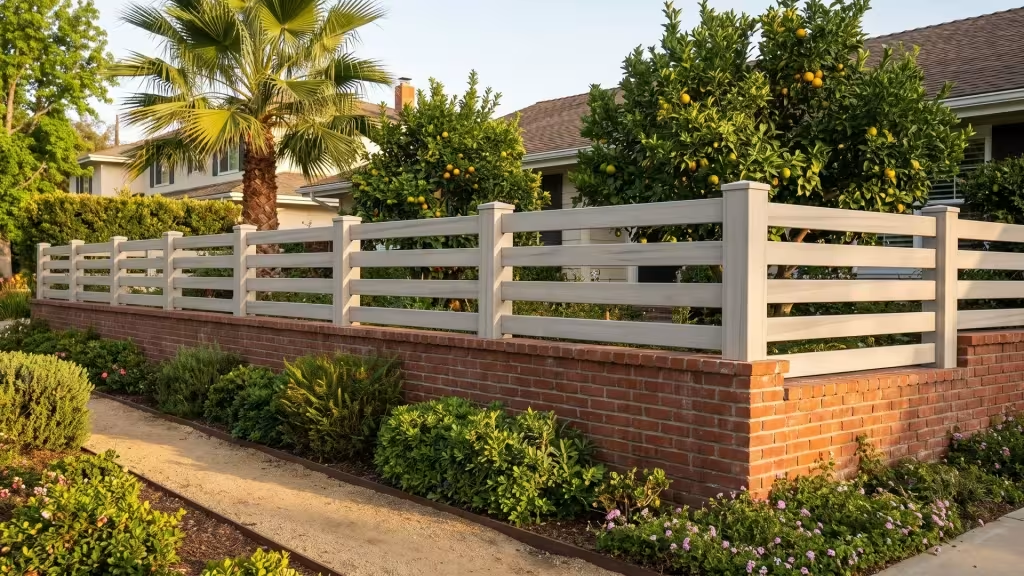
A topper is the smaller job, because you keep the wall or fence already standing and pay only for the added height. What moves the price: linear feet added, the existing fence’s condition, ground and footing work, style and color match, wind reinforcement, and permits. We do not post prices, because a real number depends on your wall and site. A salesman measures, sees the whole picture, and gives a firm estimate for free.
Most people add one for privacy over a 6-foot line, to keep a dog in or a neighbor’s out, for shade or curb appeal, without replacing a fence that still works. Vinyl is the usual pick because it does not rot, never needs paint, and matches your existing fence. Wood and metal work too, with more upkeep.
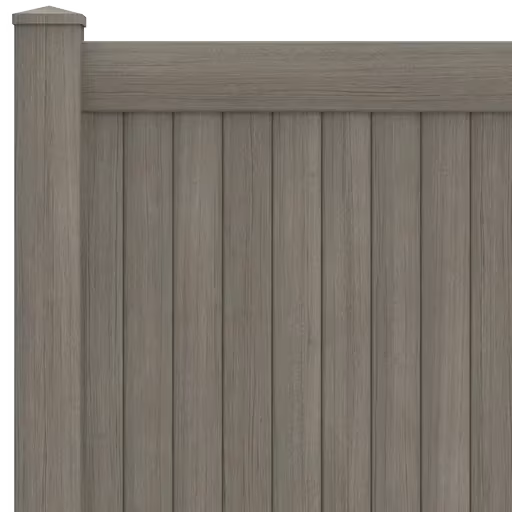
A joint sits where the old height ends and the new starts, often at eye level, and tone decides whether that line shows or vanishes. Three families answer it: plain solids, smooth grain looks, textured TimberGrain. Color lives in the vinyl, so a scuff there never flashes white.
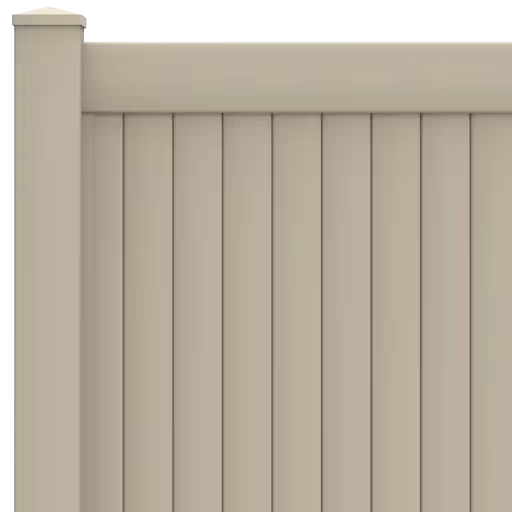
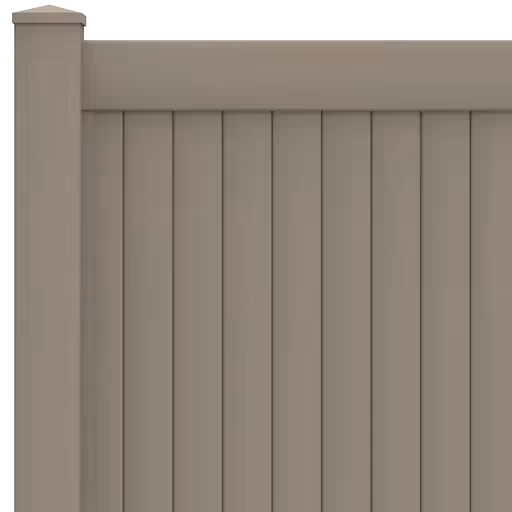
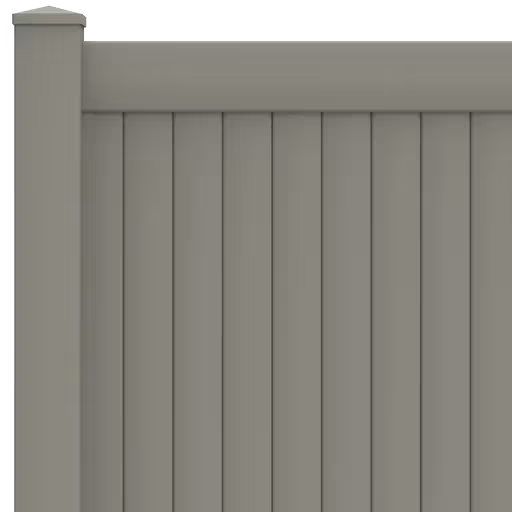
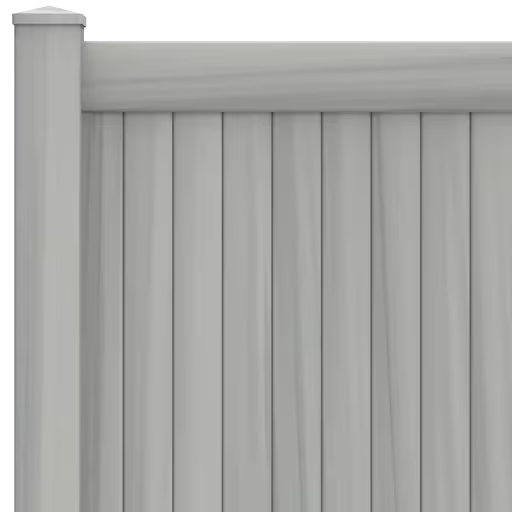
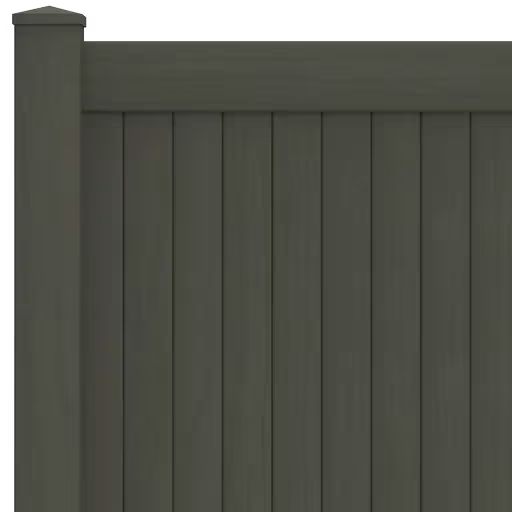
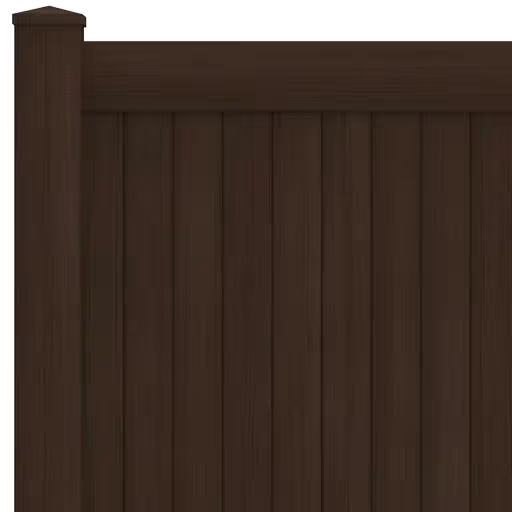
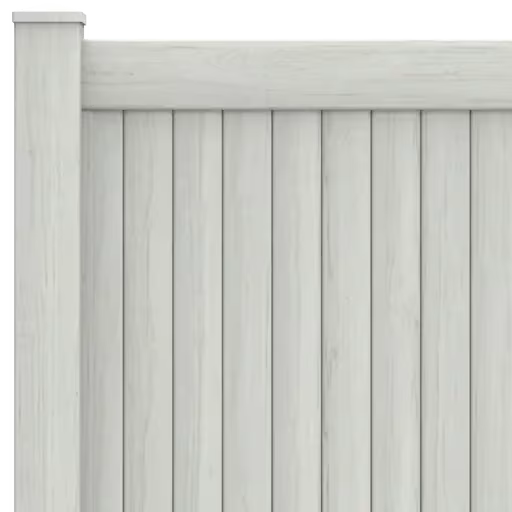
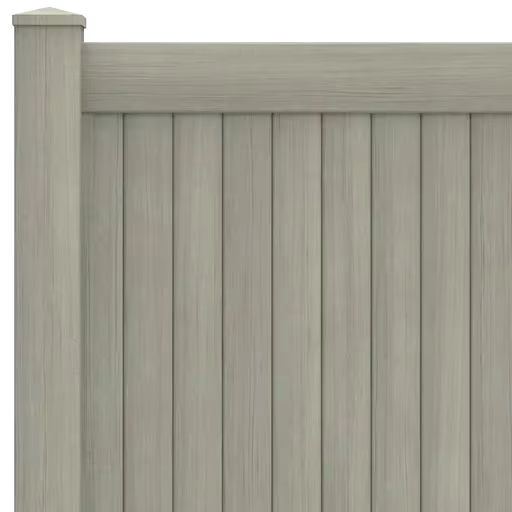
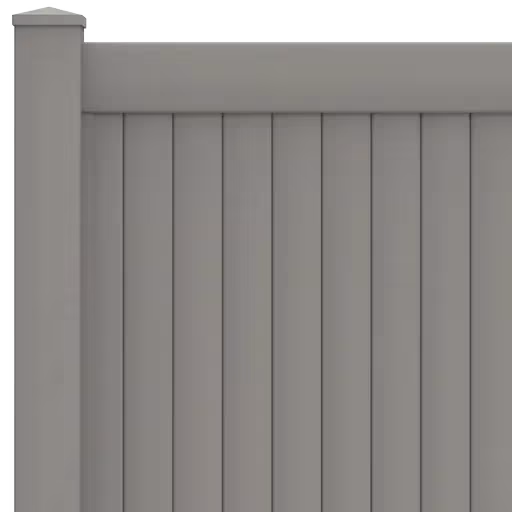
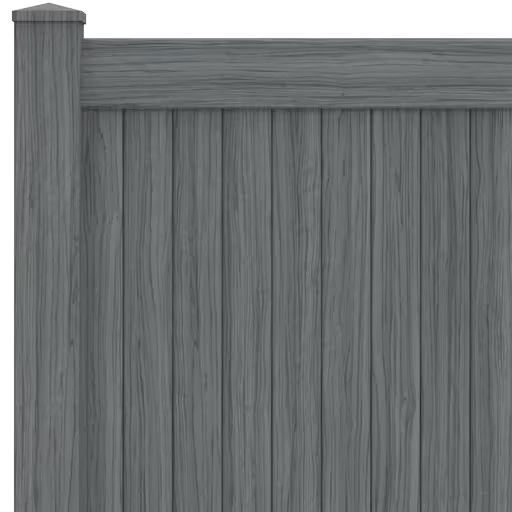
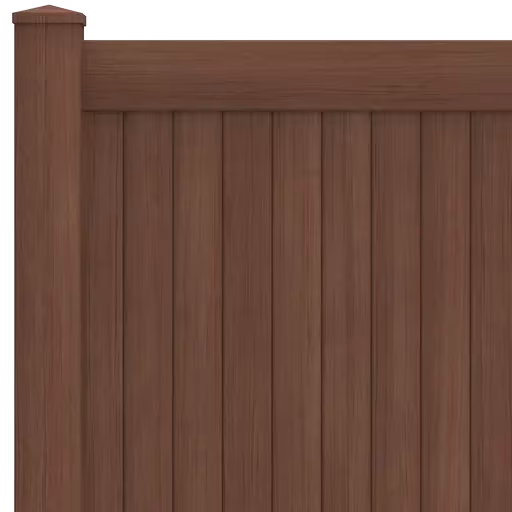
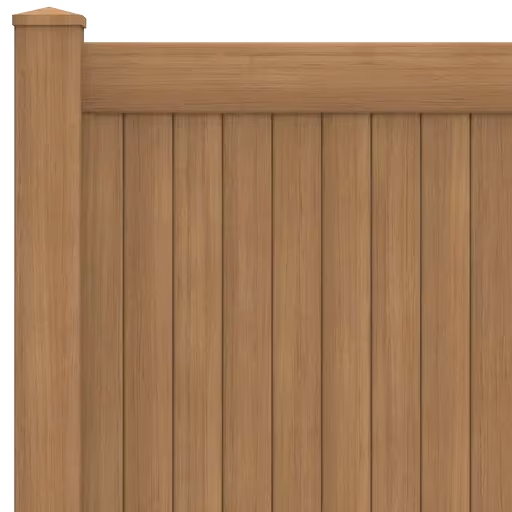
Pro Vinyl and Aluminum Fencing partners with Catalyst, one of the leading vinyl fence manufacturers in the United States. Their US-made vinyl, our custom fabrication and installation, backed by a transferable limited lifetime material warranty.

Adding height to masonry you already have is one narrow job. Most of what we build starts at ground level instead, whole vinyl runs, entries, and the pieces that finish them. Same material, wider brief.
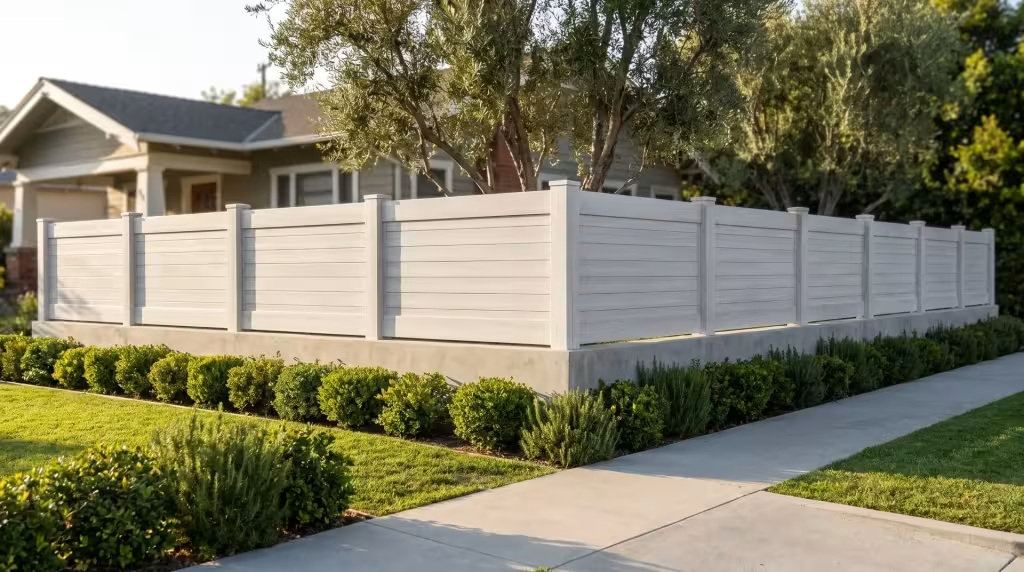
A solid tongue-and-groove cap closes the gap above an existing wall or fence, taking back a sightline a neighbor built over.
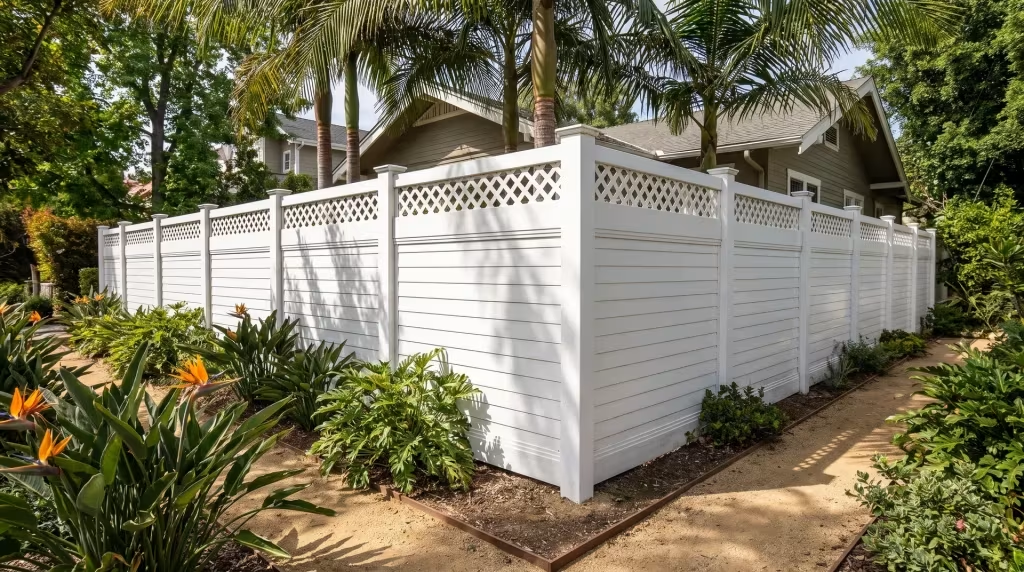
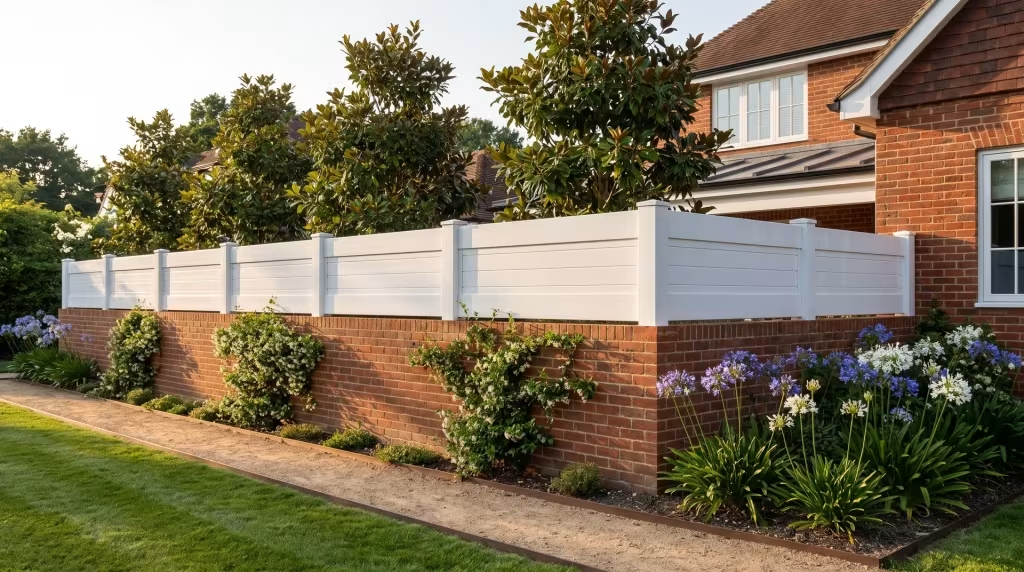
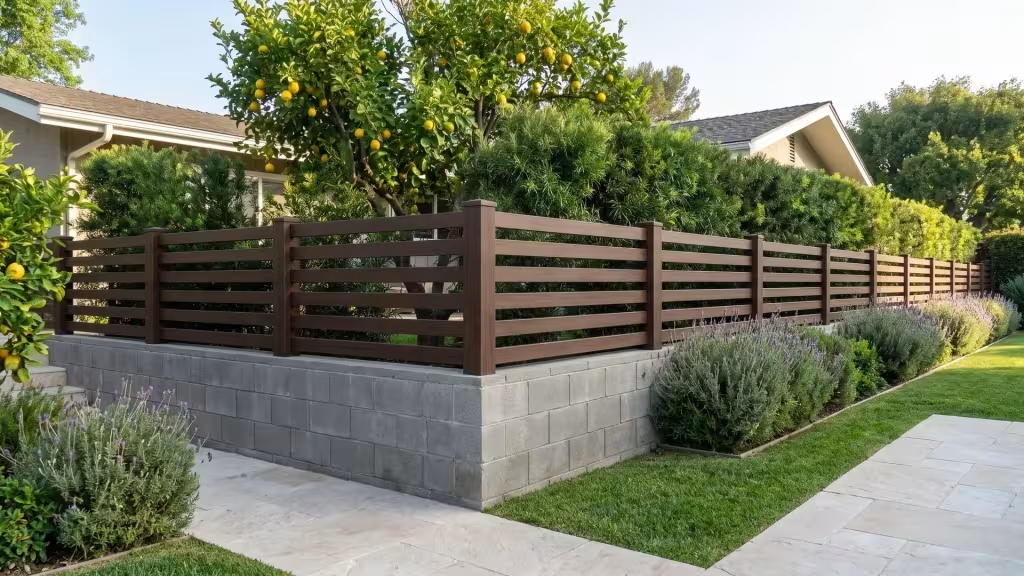
Open spaced pickets add height and a finished top line while the view, daylight, and breeze all stay.
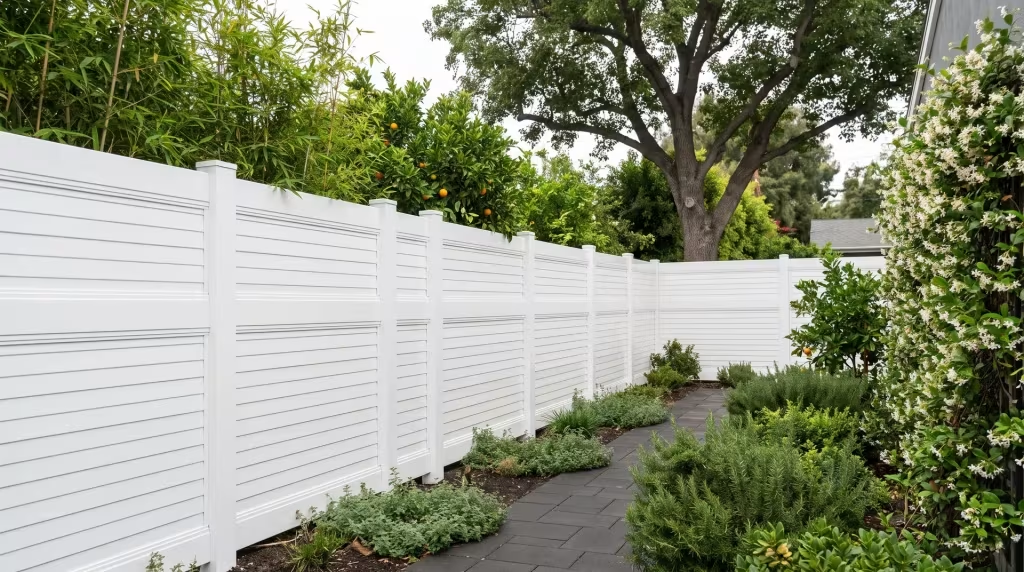
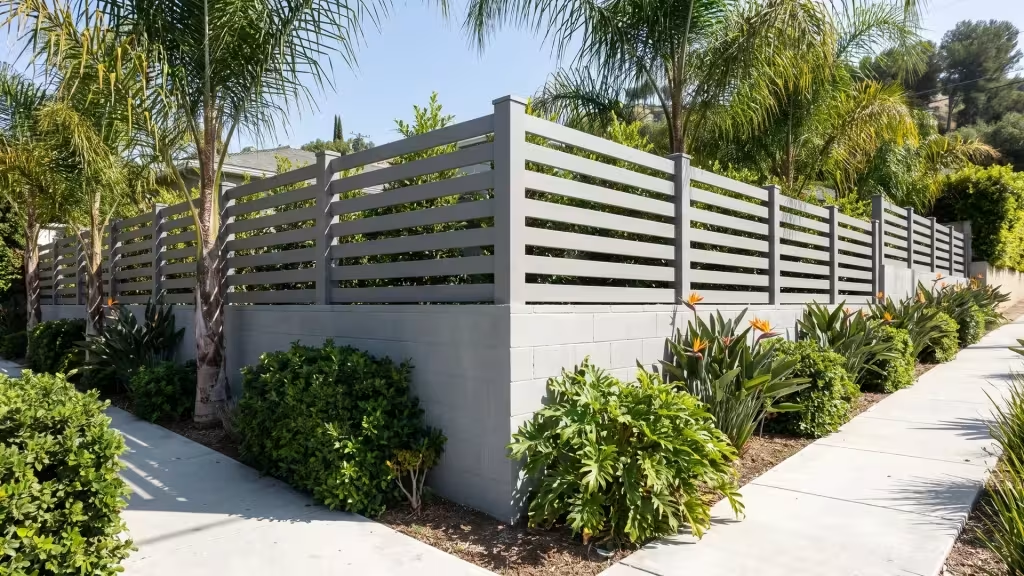
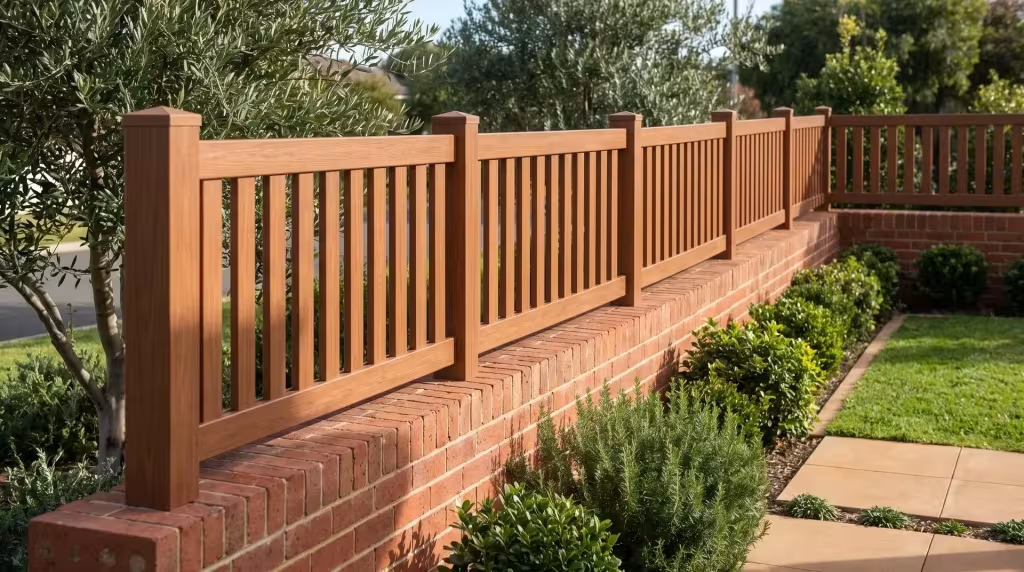
Built to your wall’s own height and shape rather than picked from a fixed size ladder, no odd run turned away.
Pro Vinyl is the best in the business. We needed vinyl raining for our backyard so we called Pro Vinyl and it was a great experience from the beginning to the end. Professional service and installation.
I highly recommend them and we will use Pro Vinyls services in the future.

David at Pro Vinyl Fencing did an excellent job installing our Vinyl gate. Took the time to make sure everything was level and lined up. Thank you Jasmine for all your help and attention to making sure everything was what we expected! My wife and I highly recommend Pro Vinyl Fencing.

Working with Nairi on our project was very professional. We were quoted a price and impressed by the cost, which was lower than our other bids. It was a 2 day project and was completed as promised. I would highly recommend using this company, they are very courteous and based on customer satisfaction!

I had a delightful experience with this company. Customer service was exceptional and the quality is great. Everything was explained to me. I liked that I wasn’t rushed with my options and I loved the ease of everything. I highly recommend them!
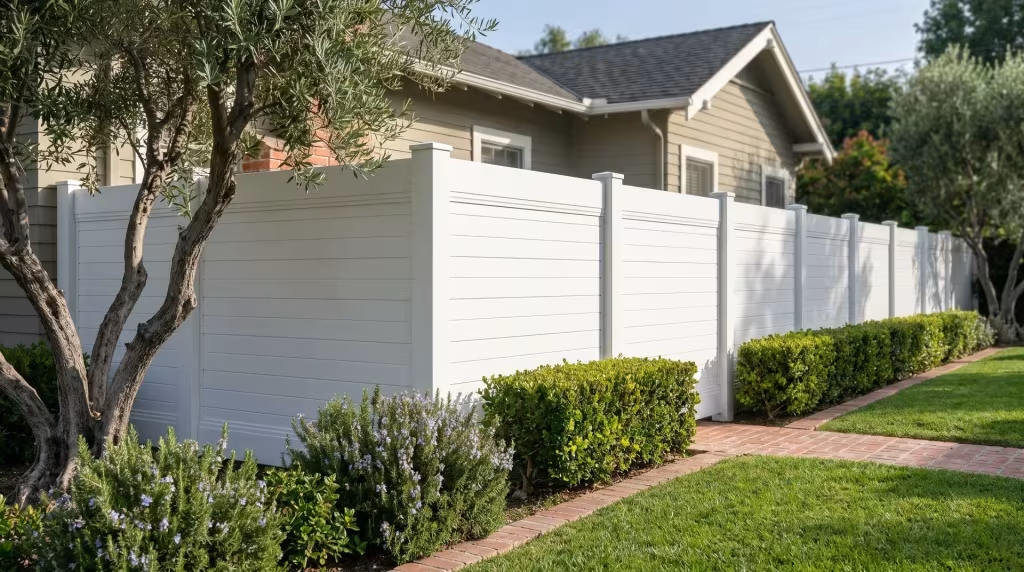
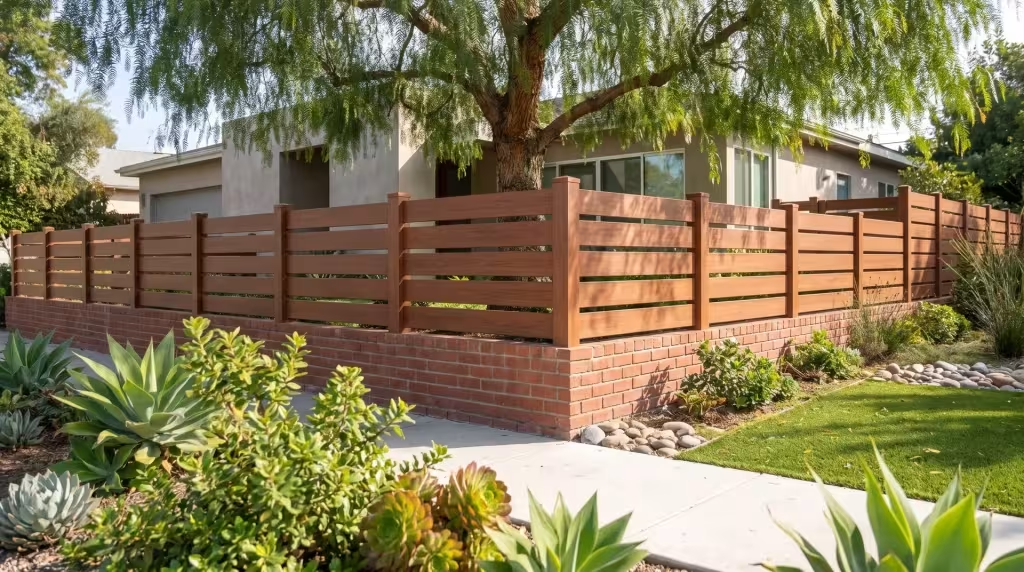
These are 2-3 ft of added height on walls and fences that were already standing, each one matched to the fence it sits on, so the new section looks like it was always there. Have a look at the finished vinyl projects below, then ask about a quote on your own topper.
Across Greater LA, plenty of backyards are ringed by a 6-foot block wall, and a topper is the quickest way to add privacy or height on top. You get on the schedule fast, matched to the fence you already have. Height and permit rules vary by address, so verify your local limit.
The same custom fabrication and color matching comes to Bay Area projects, adding 2-3 ft of vinyl height to the walls and fences you already own. Height rules shift from one city to the next up here, so verify your local limit with the city building department. We fabricate each section to fit.
From first call to finished topper, the path is short. We measure your wall, build the sections to fit and match your fence, reinforce them where the wind calls for it, and install in about a day, cleaning up before we leave.
The estimate is free, the scope is in writing, and nothing about the job surprises you once we start.
On site, we size up the wall or fence, check the height you’re after, and confirm the style and color match.
You get the scope, timeline, and warranty in writing before we start. No urgency, no pressure to sign.
We custom-build your 2-3 ft sections, add metal inserts where the wind calls for them, and set the footings.
Cleanup, then we back it with a transferable limited lifetime material warranty and our 5-year workmanship warranty.
Guides on adding height, matching your fence, and what your city’s permit rules mean when you go taller.
Vinyl fencing keeps its factory-set color and resists rot for decades if a professional handles the install.
Fences blog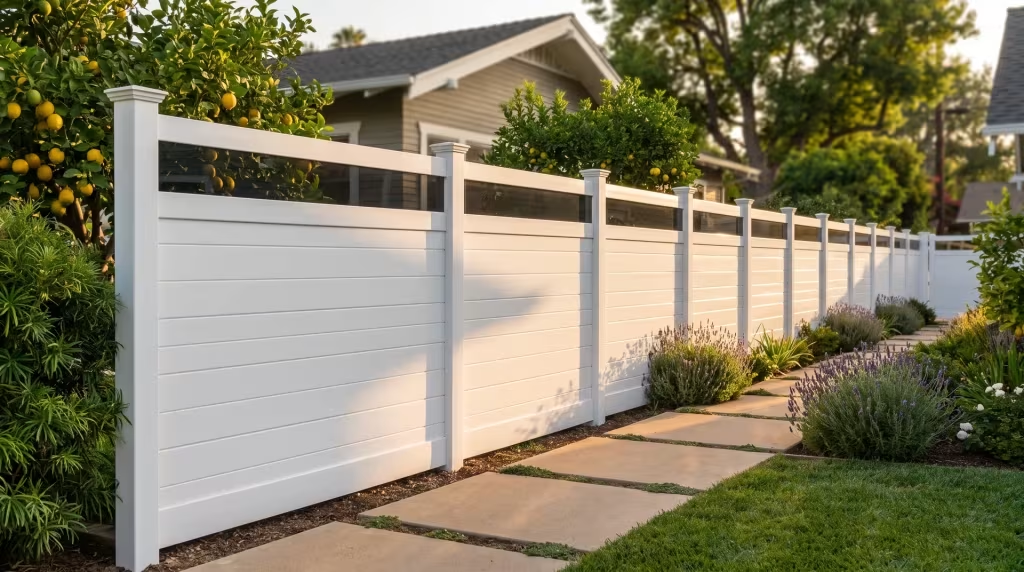
Questions About Adding Height to a Fence
Straight answers on the things people actually ask us: how a topper attaches to what you already have, whether your city wants a permit, how much height you can add, how it holds up in the wind, whether we can match your fence, and what really drives the cost.
Still on the fence?
Book a free estimate. We'll check your wall; height limits vary by city.
Yes. A hollow vinyl fence can’t hold the lag bolts a store kit needs, so we do it structurally: we set or reinforce the posts and footings, then fabricate the 2-3 ft section to fit and match.
That’s the exact problem a boxed kit can’t solve.
Usually not for a vinyl topper. LADBS requires a permit for a non-masonry fence only above 10 feet, but the finished height must fit your zoning cap, and a masonry wall over 3.5 feet or any County fence over 6 feet needs one.
Limits vary by city, so verify yours with your local building department.
Toppers usually run 2 or 3 feet, and we can fabricate a custom height in between or taller.
The real limit is your zoning cap, not the material, so check what your city allows with your local building department before you settle on a height.
Added height catches more wind, so we build for it. In windy spots we run metal inserts through the rails: vinyl on the outside, metal on the inside.
With posts and footings sized for the taller line, it takes any realistic wind this area gets.
In most cases, yes. Toppers come in the same 16 styles and 14 colors as our full fences, so we match the new section to what you already have and the added height reads as original.
Rather set off the top with a contrast cap line? That works too.
A topper is the smaller job: you keep the wall or fence already standing and only pay for the added height.
Cost comes down to the linear feet, ground work, style match, reinforcement, and permits, so we hand you a firm number after a free on-site measure.