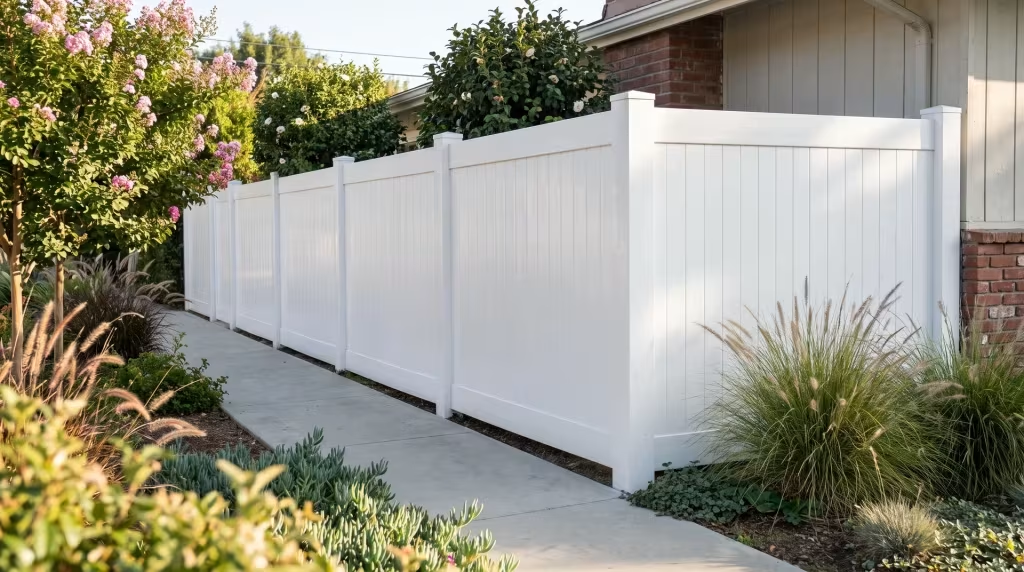
Vinyl Privacy Fencing
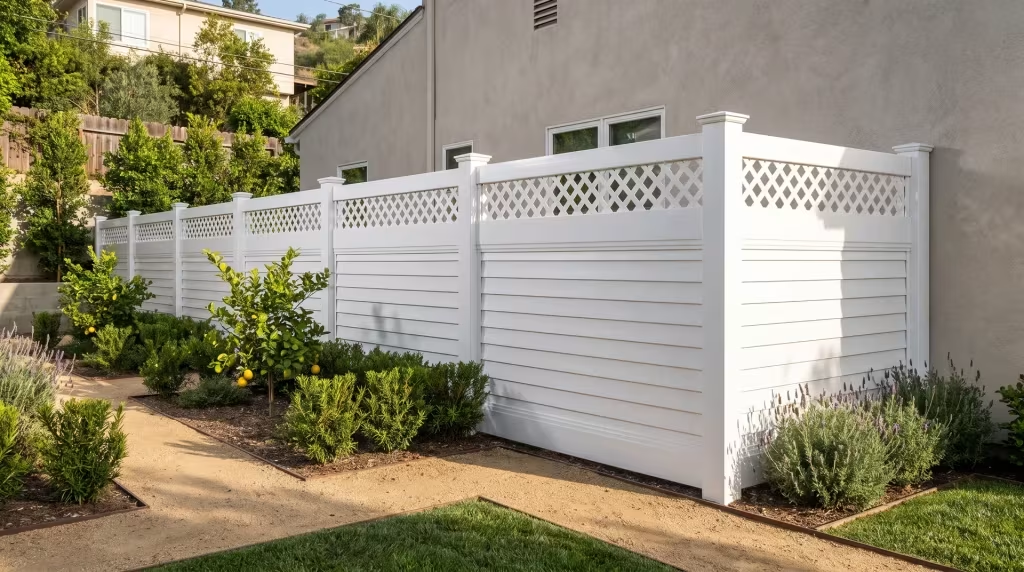
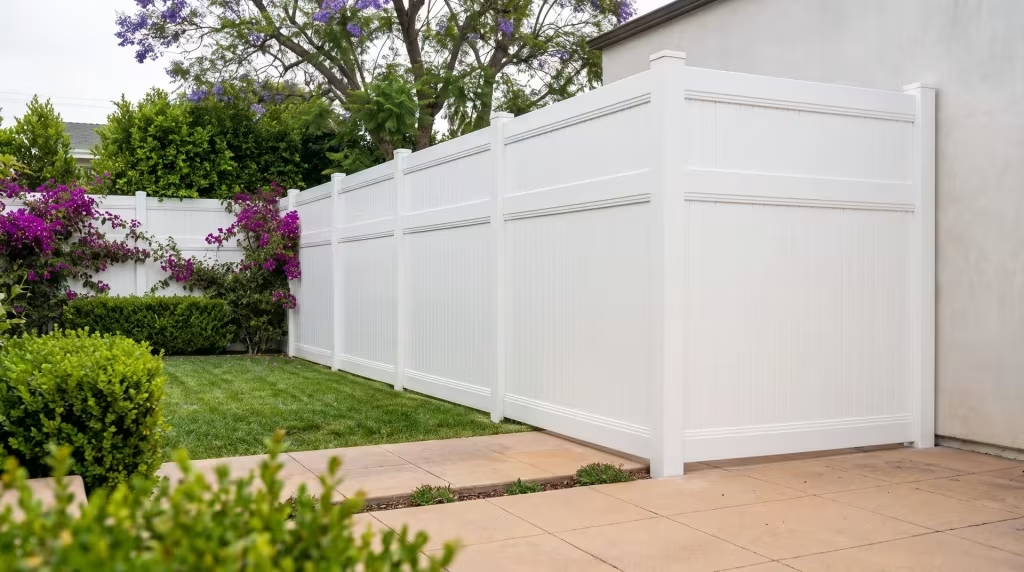
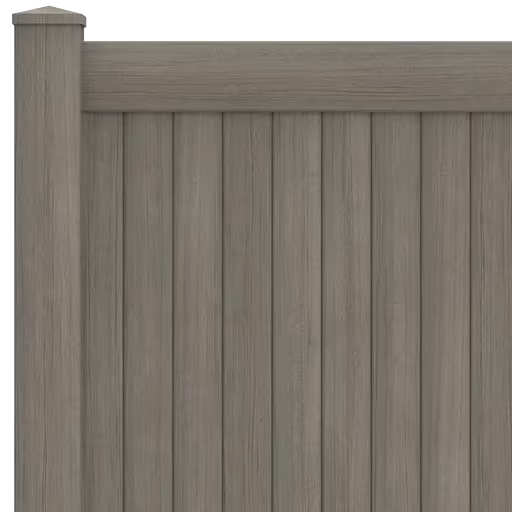
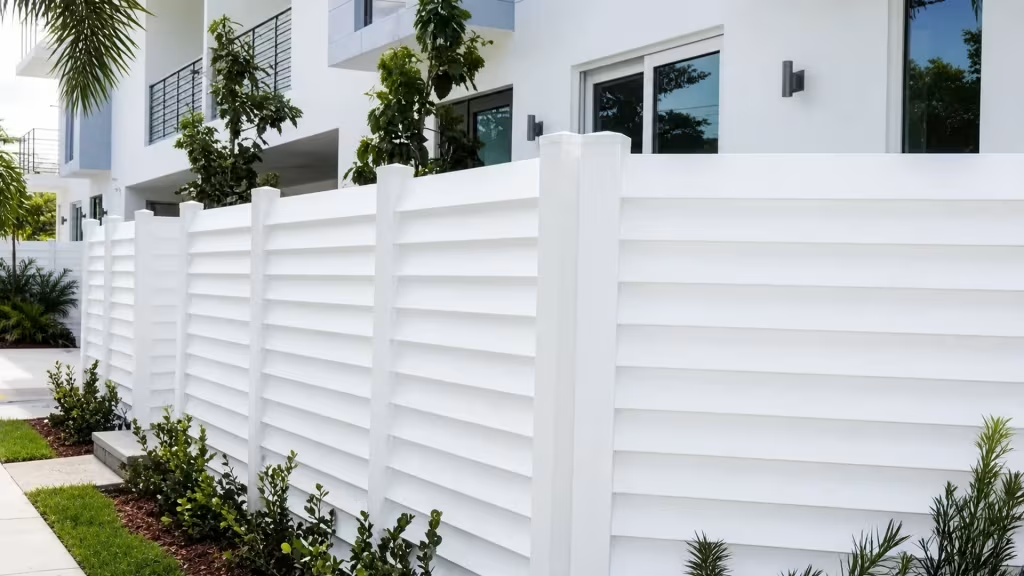
A true privacy fence closes every gap in one solid tongue-and-groove screen, blocking the view completely.
Call Now: (844) 744-0707

Vinyl fence installation is the whole job we handle, start to finish: a custom fabricator and installer building your fence to fit the property, cut and set on site. Vinyl doesn’t rot or yellow, so you install it once.
We’re a licensed installer, custom fabricator, and vinyl wholesaler, in business since 2018 with 500+ five-star reviews. Both vinyl and aluminum, heights past the standard 6 ft, and the small custom job most crews turn down: that’s the one we want.
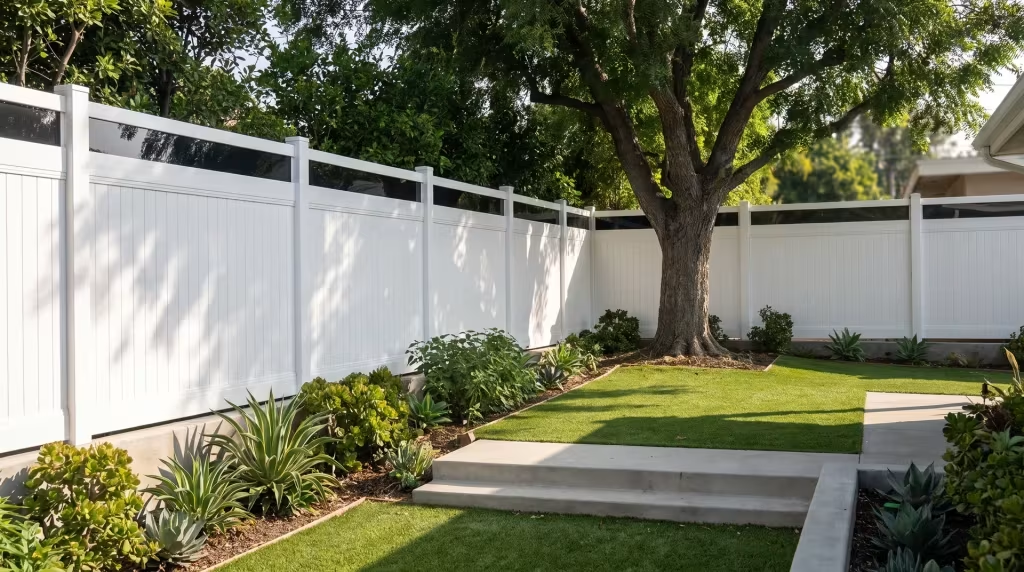
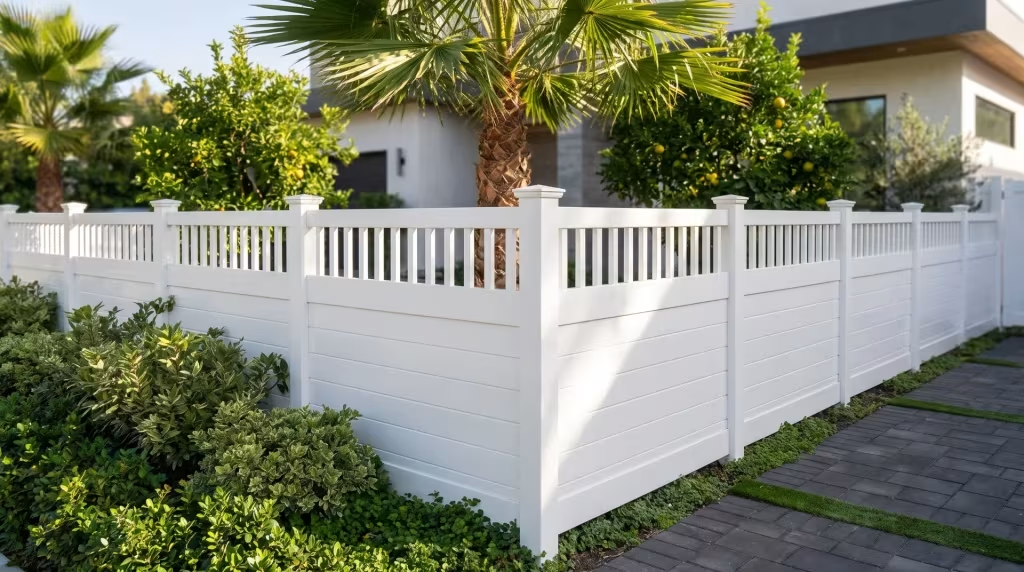
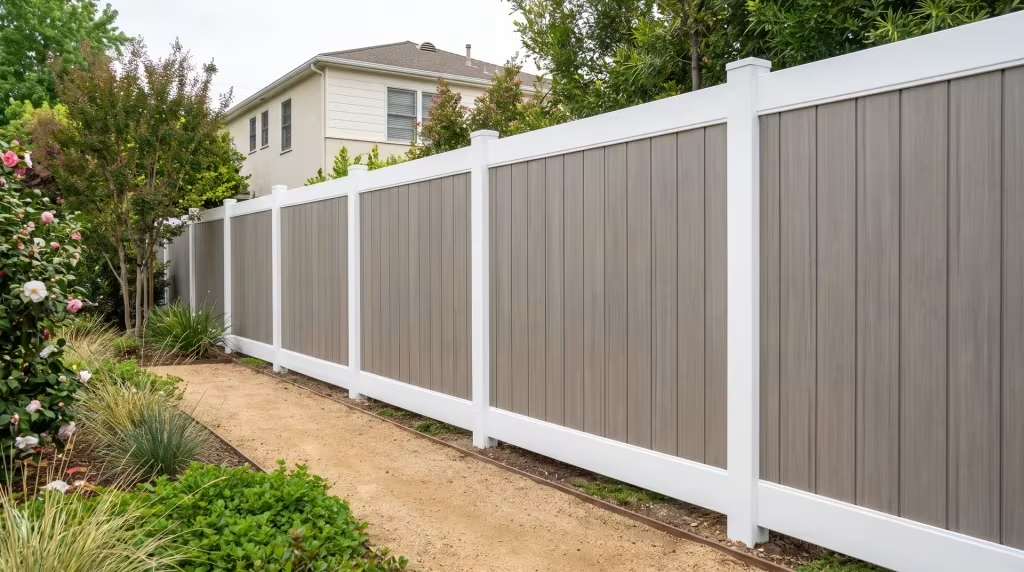
A professional vinyl install means we measure, fabricate, and set your fence to code: a finished fence, not a pile of panels.
A product store hands you boxes, and a DIY video skips the hard parts. The work is pulling the old fence, pouring footings, reinforcing for wind, and cleaning up daily, then backing the labor in writing. Every vinyl style we sell, we install.
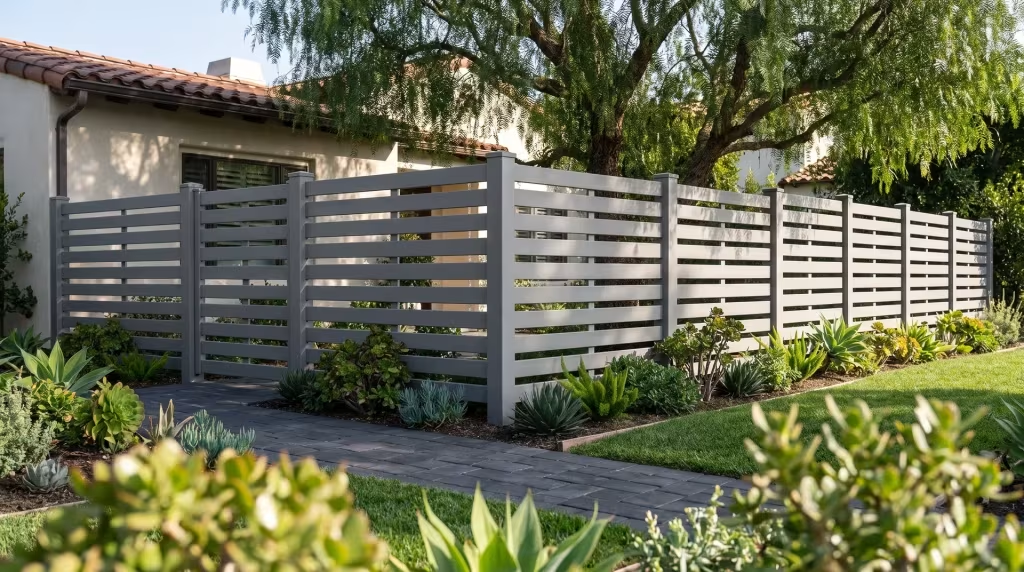
Professional installation is the whole job, not just standing panels up. A typical vinyl install includes:
Most residential runs go up in about a day. One customer had 140 feet installed, old fence demolished, in half a day.


We install every vinyl style, so the fence gets built around the yard you have. That covers privacy and semi-privacy, flat and scalloped picket, ranch rail, lattice and lattice-top, pool fencing, patio covers, matching gates, and low wall toppers. Heights run from 2 ft toppers to 8 ft, and custom heights and combined styles are built to order. Every style installs the same way; the style itself is the only variable.
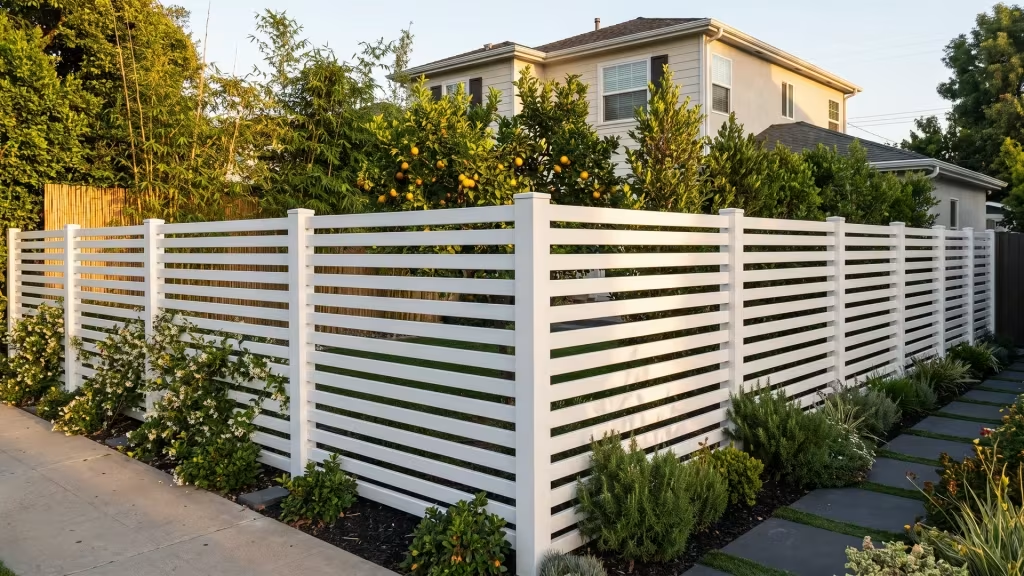
A handful of things usually move the number. The biggest is linear footage, how much fence you need. Then height, since a 6 ft privacy run uses more material than a 3 ft picket. Then the ground: whether the old fence comes out, how hard the digging is, and whether equipment can reach the yard.
Slope adds labor. Gates cost more than plain panels, so the count matters, and custom heights and color matches add fabrication. Prices stay off the page because a real number depends on your site. A salesman measures, sees the removal, ground works, and things you may not know exist, then gives a firm estimate for free. Financing runs through Synchrony with zero down.
Honestly? For a short, flat run with no old fence to remove, a handy homeowner can usually pull it off. The trouble starts with the details. Footings dug too shallow heave in the first wet winter. Posts that are not dead plumb telegraph down the whole line. Gate posts that skip reinforcement sag inside a season. Added height or a windy lot needs metal inserts most kits leave out.
There is also the warranty: our 5-year workmanship warranty covers the labor, and a DIY build gives that up. If you would rather buy the material and build it yourself, that is the panels-and-supply side, not this install service. One boundary either way: we build automation-ready gates, but the motor comes from your gate-automation installer.
Wind is the honest objection with vinyl, and the answer is inside the posts. In windy spots we run a metal insert down the post and rails: vinyl on the outside, metal on the inside, and it takes any realistic wind this area gets. Taller fences and gate posts get heavier reinforcement, set deeper in concrete. One customer waited a full year to review on purpose, then said the scary January winds hit and the fence held up fine.
Both are good fences, and the right one comes down to your look and your budget. Vinyl is the budget-friendly pick for privacy and a clean, solid wall, with no rust and no paint, ever. Aluminum is the premium choice, a slim, modern, iron-style line that stays open, and it usually costs more. Neither is better; they solve different jobs. We build both, so if you are leaning metal, aluminum fencing is the line.
Your coverage comes in two parts. The vinyl carries a transferable limited lifetime warranty against defects, and it moves with the home to the next owner. Then there’s the labor, which we back with a 5-year workmanship warranty, so if the install is not right, that is ours to fix. A professional install protects the labor warranty a DIY build gives up.
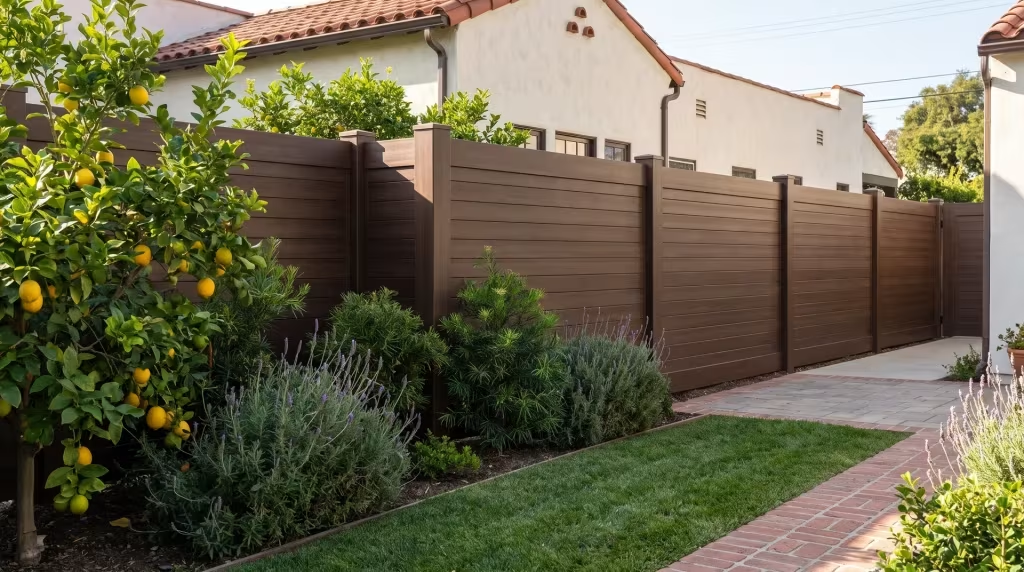
A vinyl install has no paint stage. Tone is mixed into the material before a panel ever reaches a truck, so a scratch stays the shade it was and sun does not turn it yellow. Settle on plain solids, smooth wood grains or the textured TimberGrain blends up front, and it is settled for good.
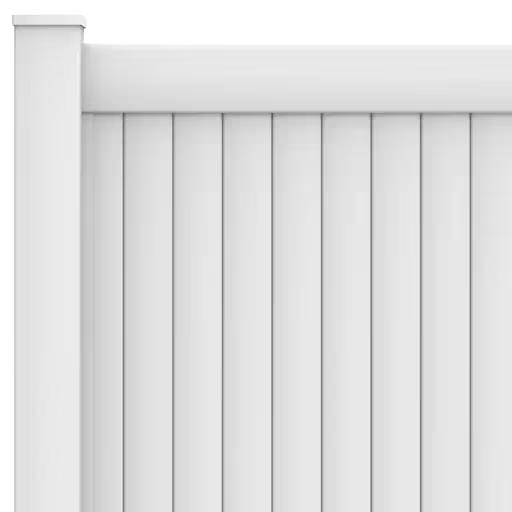
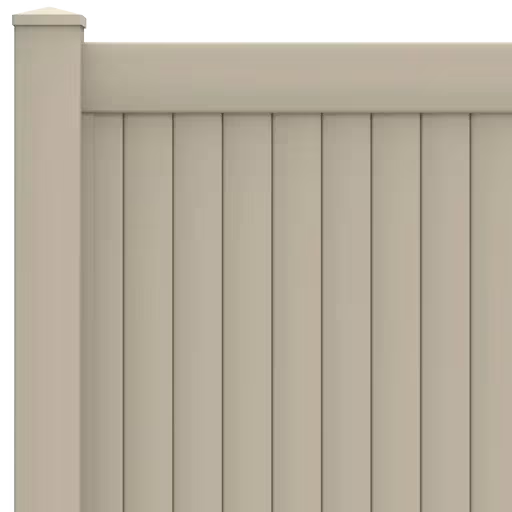
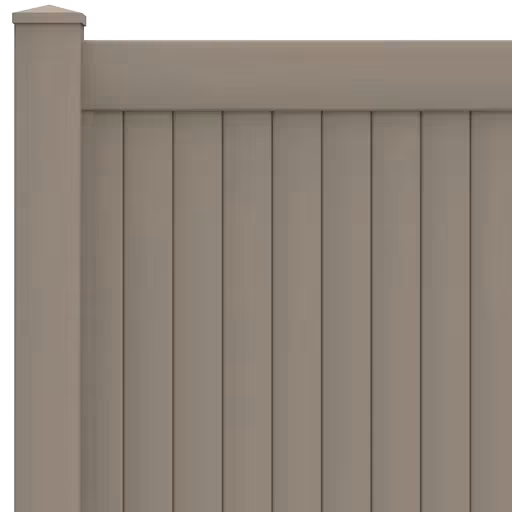
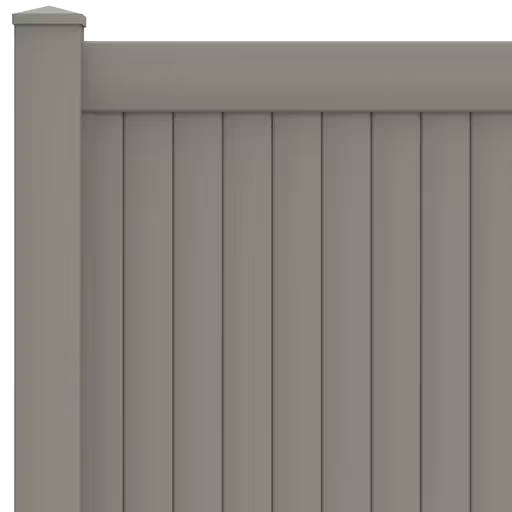
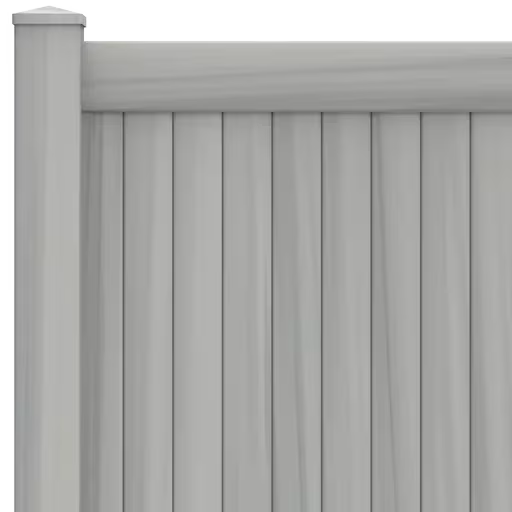
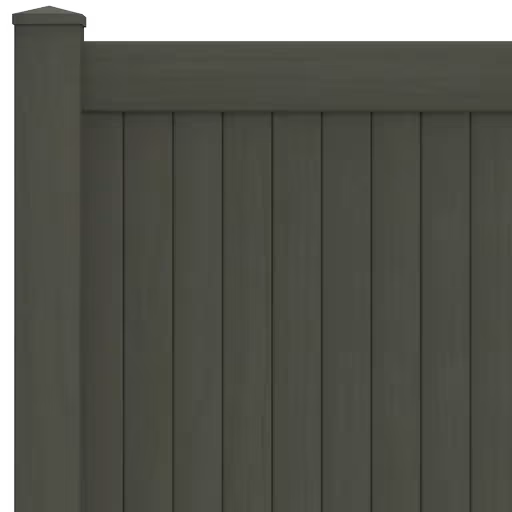
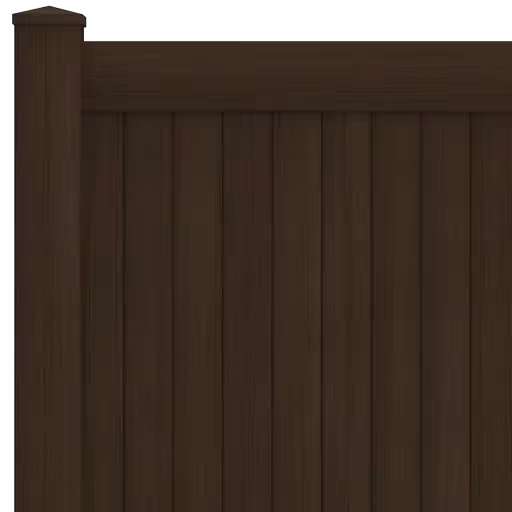
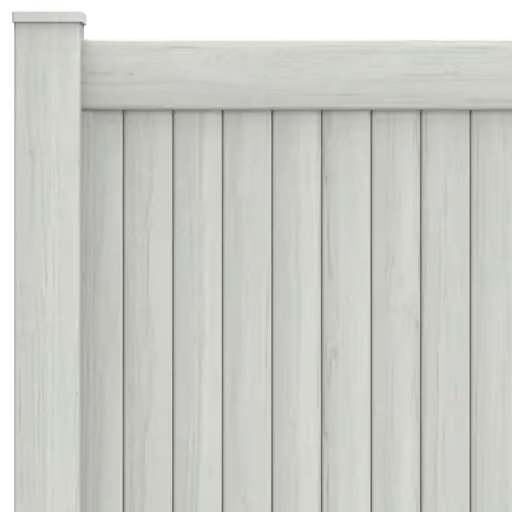
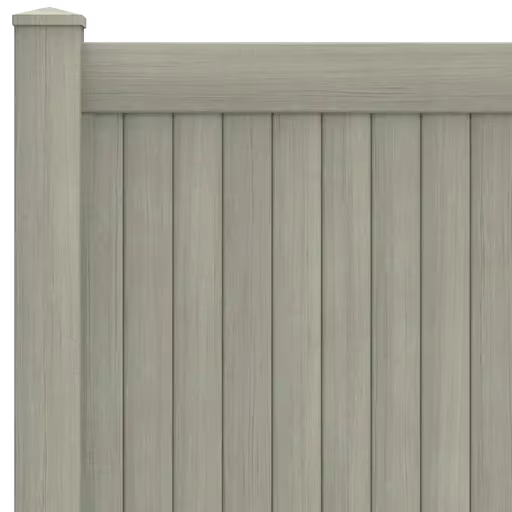
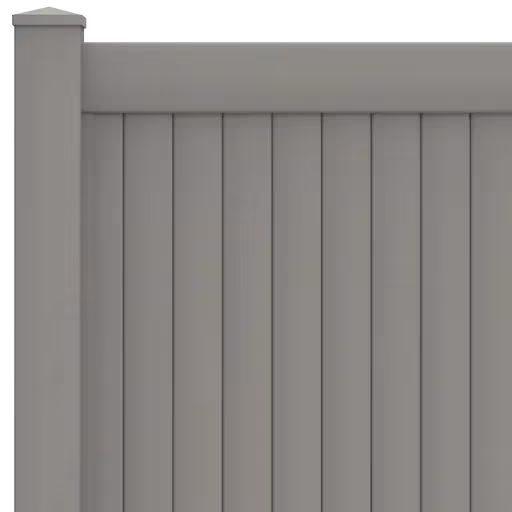
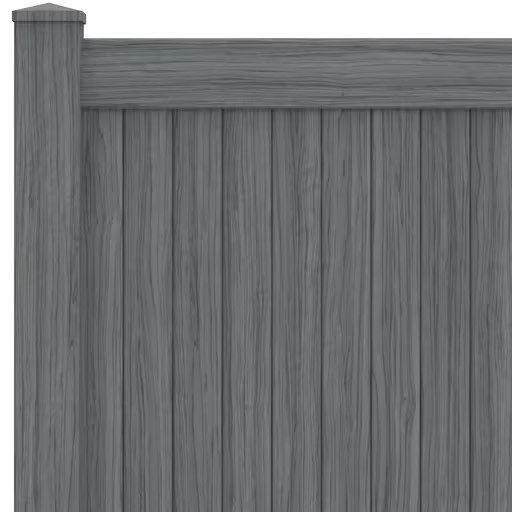
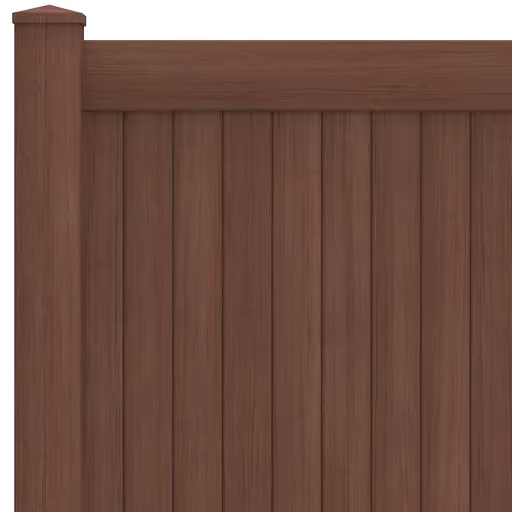
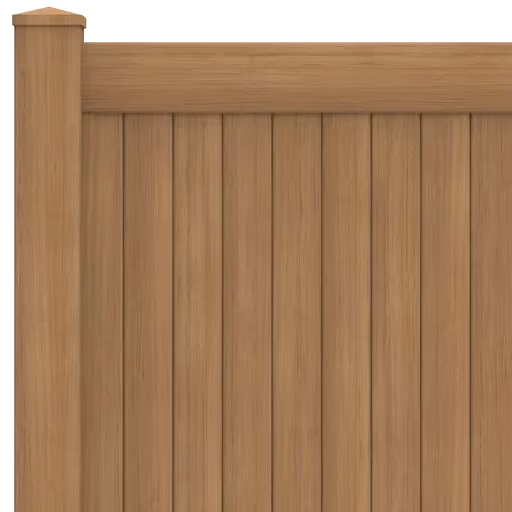
Pro Vinyl and Aluminum Fencing partners with Catalyst, one of the leading vinyl fence manufacturers in the United States. Their US-made vinyl, our custom fabrication and installation, backed by a transferable limited lifetime material warranty.

Setting a fence is the visible half of it. Fabrication is ours as well, which is why a panel turns up sized to your line instead of trimmed on site, and we work the same way in aluminum.
A true privacy fence closes every gap in one solid tongue-and-groove screen, blocking the view completely.
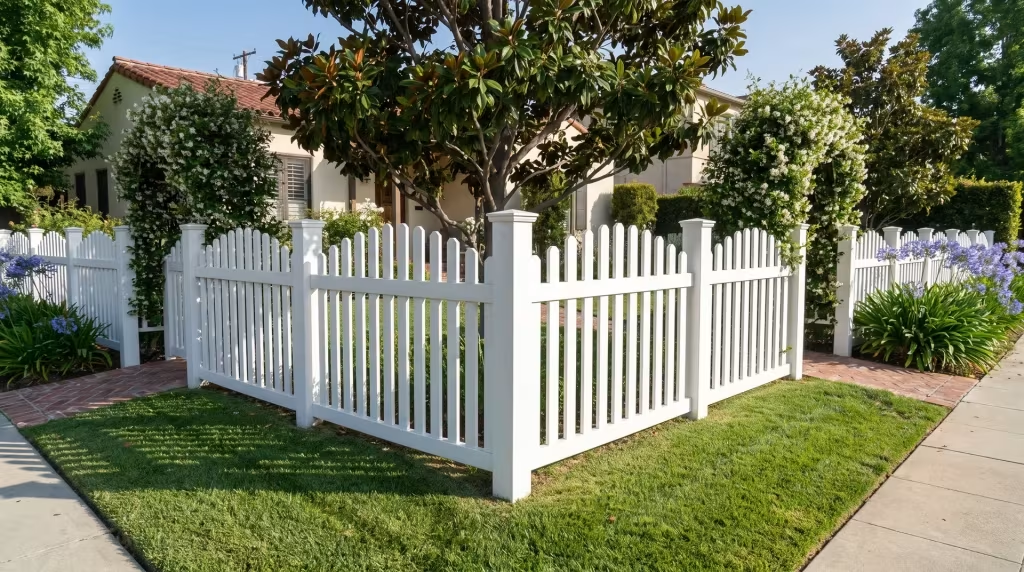
A row of evenly spaced upright pickets on top and bottom rails, marking the yard without blocking the view.
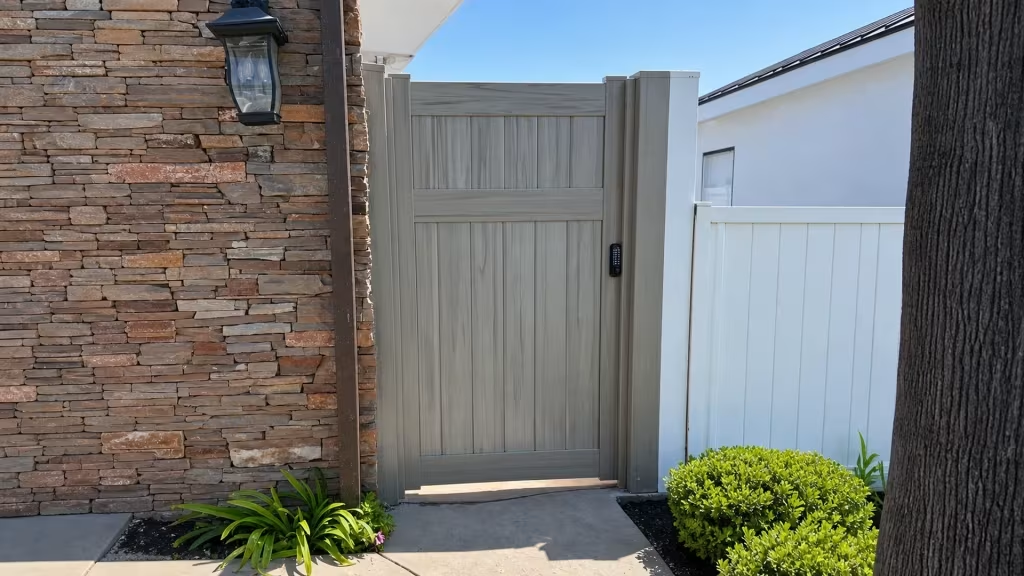
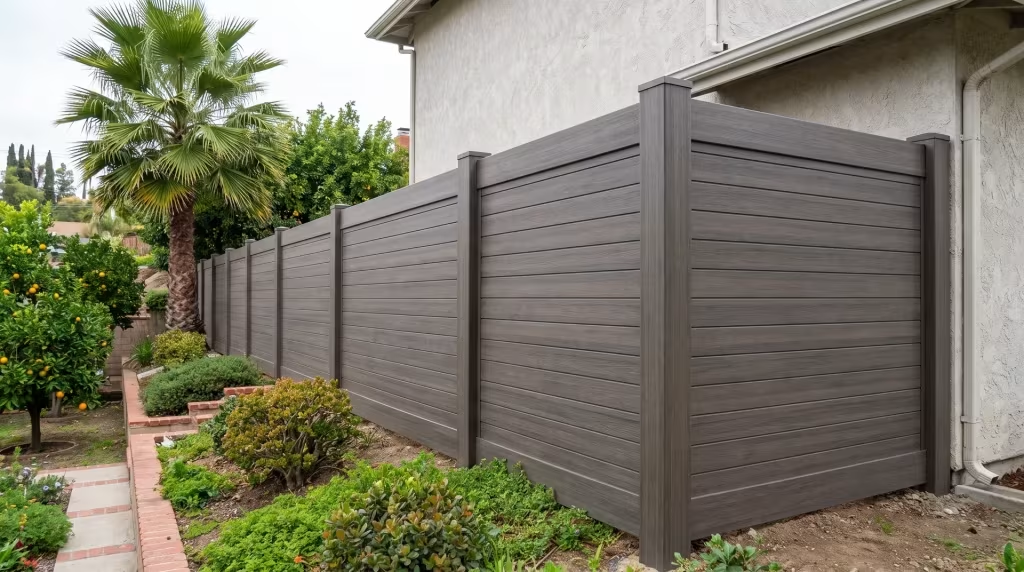
Every real vinyl fence color we build, spanning solid neutral tones to layered wood-grain finishes.
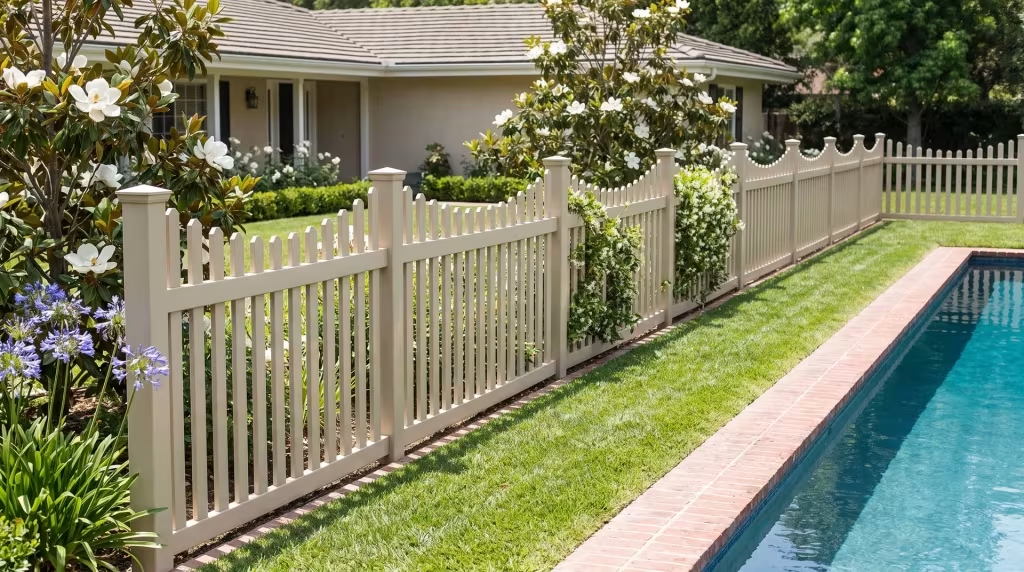
A solid, low-gap safety barrier sized to code so a small child cannot climb through or over it.
Vinyl fencing fabricated to whatever height, width, or color mix your yard needs, not the nearest stock size.
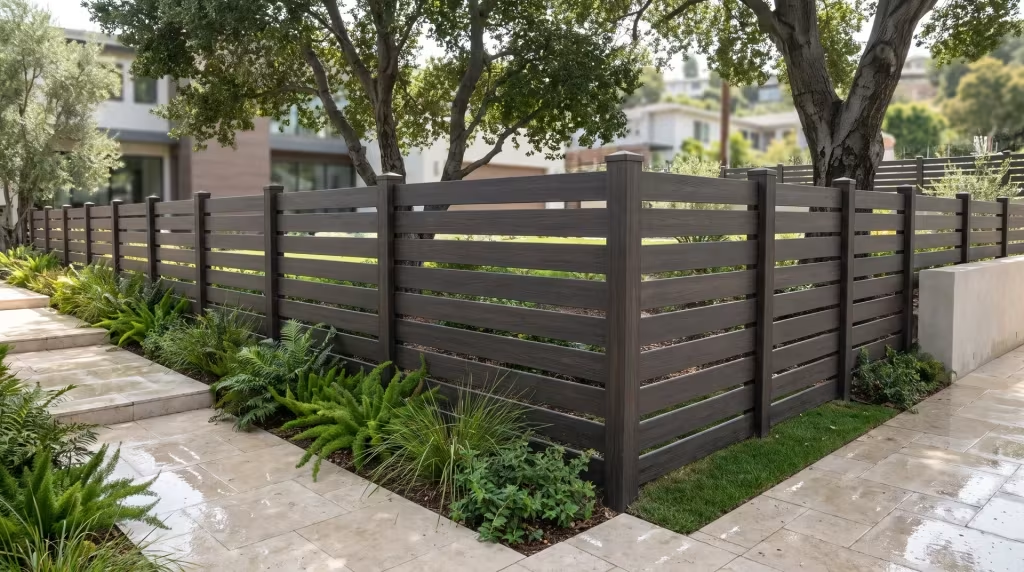
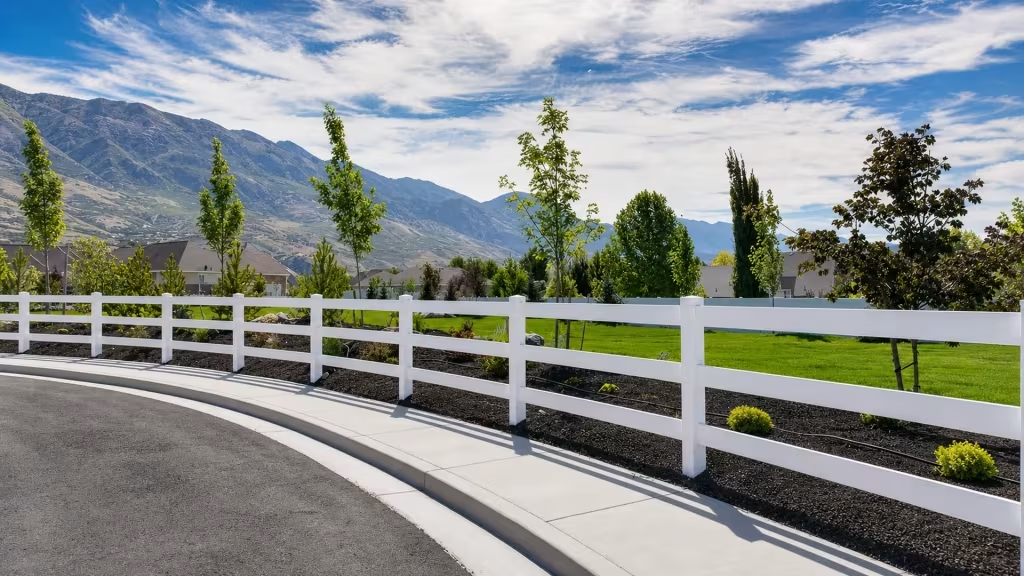
Open horizontal rails set on posts mark a boundary the classic post-and-rail way, with the sightline running straight through.
Mike and team were incredible! I honestly can’t recommend this them enough. Competitive pricing, extremely knowledgeable, but most importantly kind & professional. So happy with the process from beginning to end.
Being able to have an additional area for my kiddo to run around has been an incredible investment.

Micheal Mankyan the representative of Pro vinyl fencing was so amazing, he helped us to get our fence in quickly due to our grandkids visiting. I love our fence! Kind, prompt, professional hard working employees.Julie and Frank Johnson

During the free estimate they pointed things out to do. We had a stump in the way which would make the installation uneven. They waited till we could have it removed, and had the job done in one day. Very clean, polite, and efficient crew that showed up, and left it cleaner than they found it.
Very happy with the job they did.

We are all very happy. They really did an excellent job!!! Nairi, thumbs up for you, very professional young guy. thanks for giving us discounts when we paid in cash. and of course to the installers Agassi and I forgot the name of the other guy. Both of you are great 👍 thank you again👏🏼

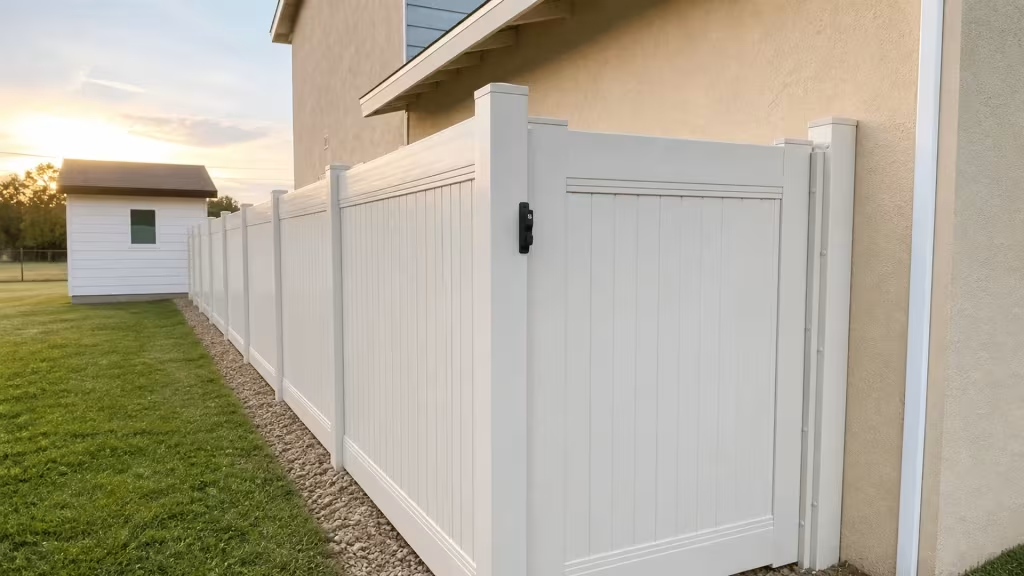
The fences below are finished vinyl installs across Greater LA and the Bay Area, in a range of styles, heights, and colors. Each one went in the way the whole job should: old fence out, footings set, site cleaned. Have a look, then ask us for a quote on your own.
Greater LA is our home base. Out of Burbank, we install across the San Fernando Valley, the San Gabriel Valley, the Westside, and nearby cities, and it is where our 500+ five-star reviews come from. Your address has its own height and permit rules, and we build on these windy HOA-heavy blocks every week.
The Bay Area is a newer market for us, and we serve it with the same crews, standards, and custom fabrication that earned our LA reputation. We build vinyl and aluminum to fit each site, matched to your color and reinforced for wind. Near the coast, that favors vinyl, since it does not rust or corrode.
Four steps take you from first call to finished fence. It starts with a measure and a written scope, then removal, footings, and the build, with cleanup each day. Most jobs wrap in about a day, and the warranty paperwork closes it out.
A single crew runs the whole job, the contract spells out every detail, and nothing surprises you once we start.
On site, we measure, talk through styles, heights, and colors, cover the cost factors, and hand you a written quote.
You get scope, materials, warranty, and timeline in writing. If your height needs a permit, you know before we sign.
The crew hauls off the old fence, sets footings with metal-insert posts, builds panel by panel, and cleans up each day.
Registration on the material, our 5-year workmanship warranty on the labor, and a twice-a-year cleaning plan wrap it up.
Guides on planning your fence, choosing a style, and what your city’s permit rules mean before you build.
Existing walls gain height and privacy from a topper, without tearing anything out to start over.
Fences blog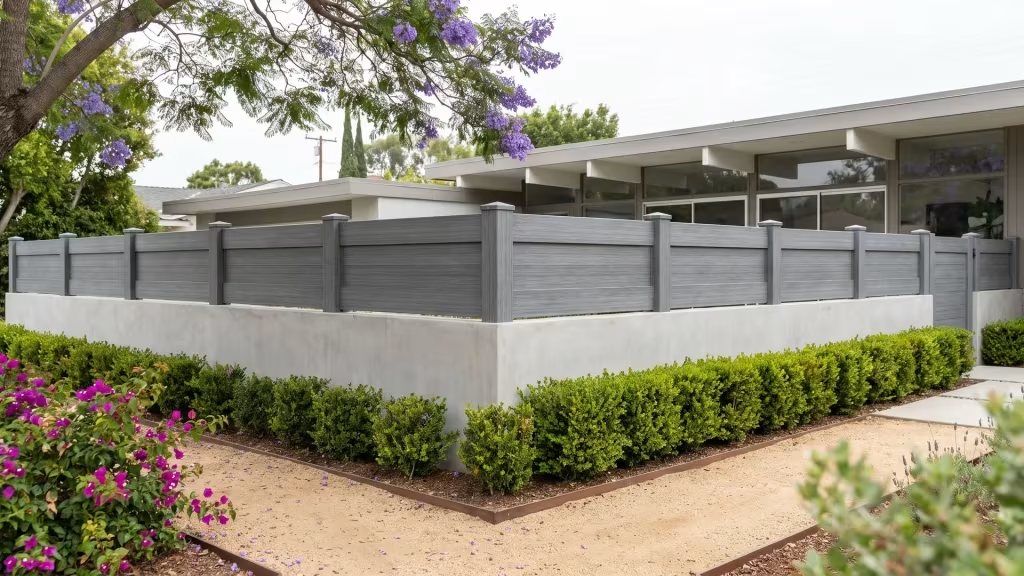
Vinyl Fence Installation Questions, Answered
These are the questions homeowners ask before hiring: whether to build it yourself, what drives the cost, how long it takes, how it handles wind, and when a permit is required. Answers are straight and never hide the price behind a phone call. On permits, we point you to your building department.
Still weighing it up?
Talk to an expert and get a free, no-pressure estimate this week.
For a short, flat run with no old fence to pull, a handy homeowner can manage it.
The pro difference is in the details: footings deep enough not to heave, posts dead plumb, reinforced gate posts, metal inserts for wind. Hiring also keeps your 5-year workmanship warranty, which a DIY build gives up.
The main drivers are usually footage and height, then the ground: whether an old fence comes out, the digging, and yard access.
Slope, the gate count, and custom heights or color matches add more. We do not post a price, since it depends on your site; a free measure gives you a firm number.
Most residential fences go in around a day. One crew handles the removal, the footings, and the build in a single visit when the run is straightforward.
Larger yards, slopes, several gates, or custom fabrication can push it to two days, and weather or a permit can shift the start.
For most installs, yes. Each post drops into a hole with about 6 inches of gravel for drainage, then sets in concrete.
That footing carries the wind load and keeps the line straight. Gate and end posts get extra concrete for the added stress. On a slope, panels rack or step, posts still set solid.
In windy spots we run a metal insert down the posts and rails. It looks like vinyl outside, but there is metal inside, and it takes any realistic wind this area gets.
Taller runs and gate posts get deeper footings. One customer said the January winds hit and the fence held up fine.
Often not. In California, a backyard fence up to 6 feet usually needs no permit, but over 6 feet, or a front-yard fence with a lower cap, the rule tightens.
Height limits and permit thresholds vary by city, so verify yours with your local building department.