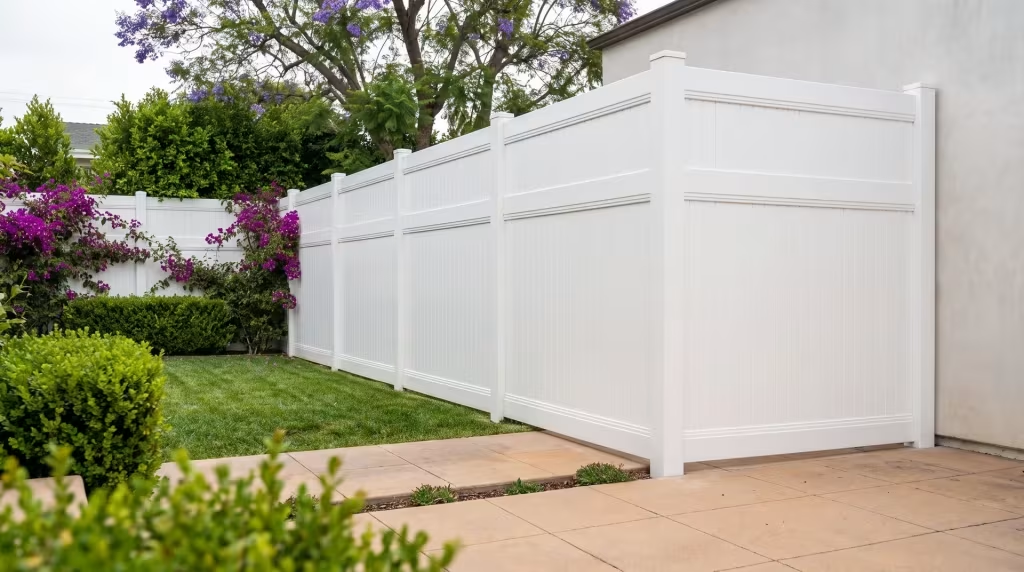
White Vinyl Fences
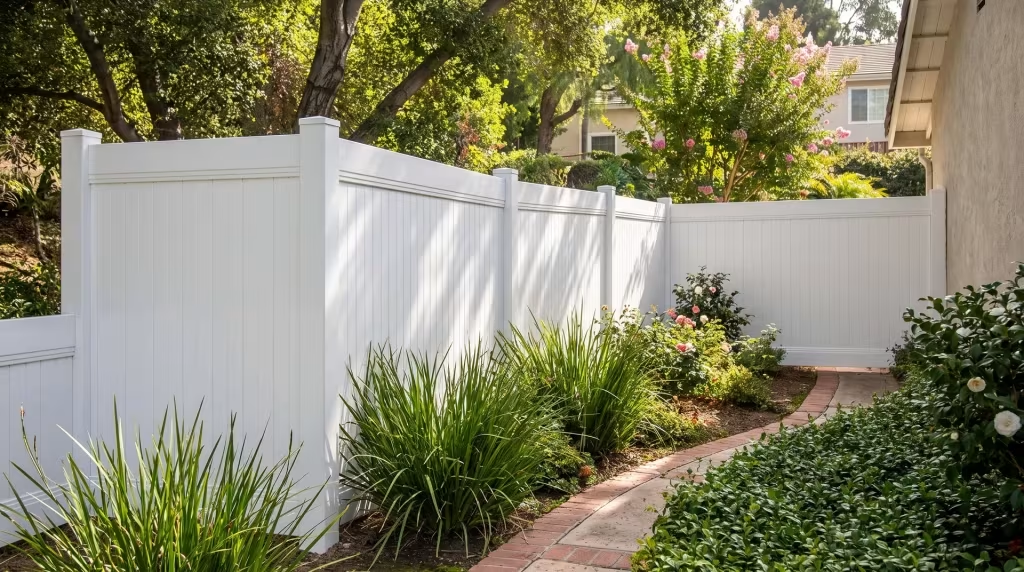
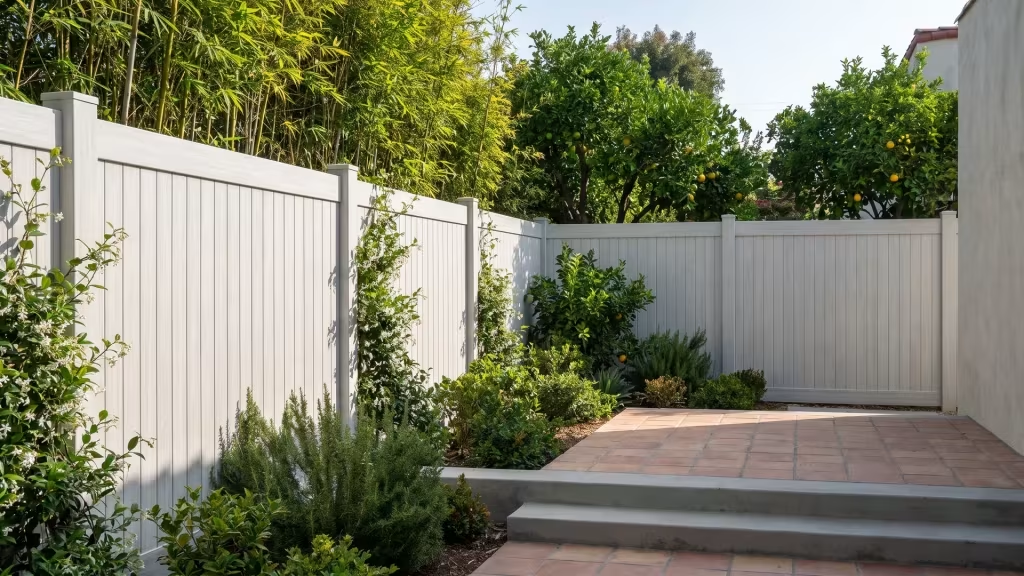
White is the bright classic vinyl tone, built with a UV shield so it never yellows.
Call Now: (844) 744-0707

Coastal Cedar is a warm, golden cedar-brown wood grain that echoes fresh-cut cedar planks. The tone is baked right into the vinyl, so it keeps its warmth under the sun with no staining or repainting, ever.
You get Coastal Cedar built to the exact lines of your yard in that same warm cedar shade, with the gate color-matched to it and the whole run installed by our own crew across Greater Los Angeles and the Bay Area. A free estimate is your first step.
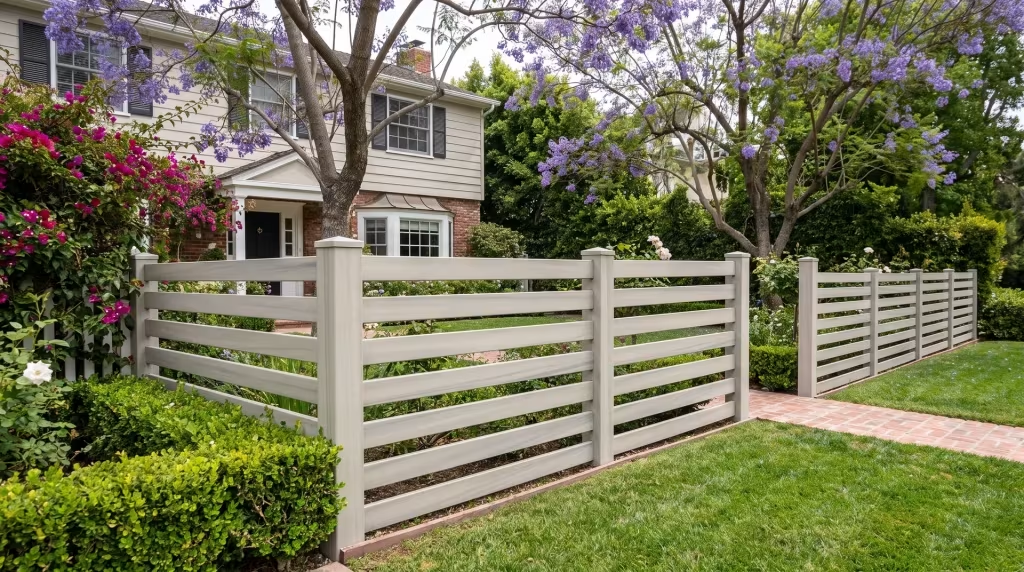
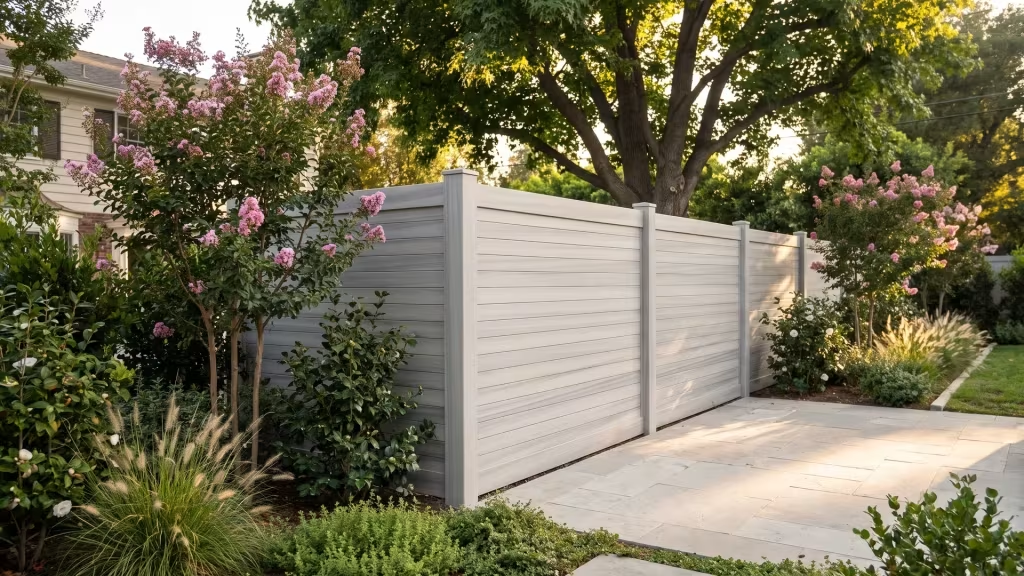
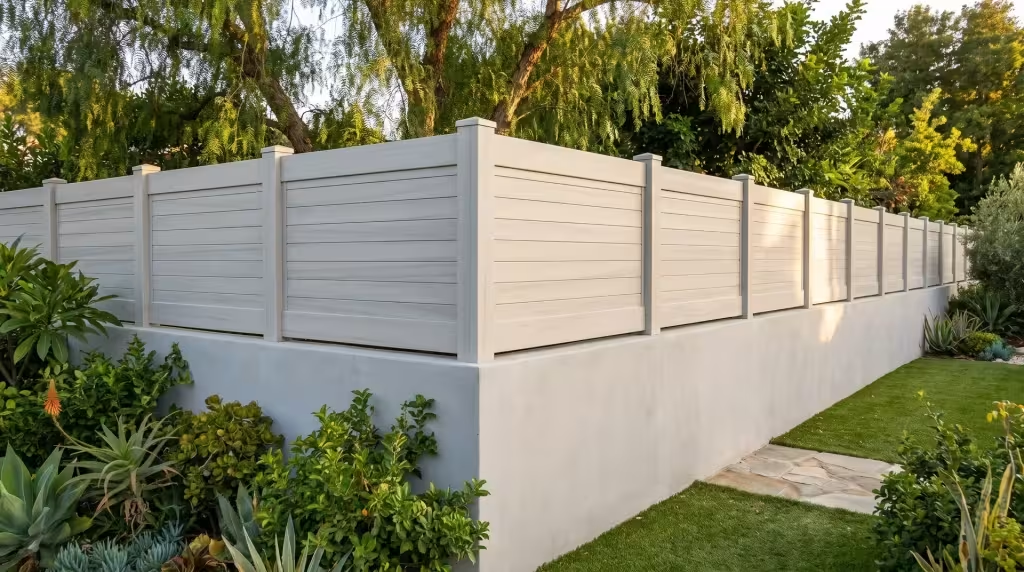
Coastal Cedar is a warm, golden cedar-brown wood grain that we color-match and fabricate to the lines of your own yard.
Here’s the rundown: how the warm shade shifts from sun to shade, which fences and heights you can order it in, where it lands next to its closest wood grains, and the local, color-matched build that no boxed kit can touch.
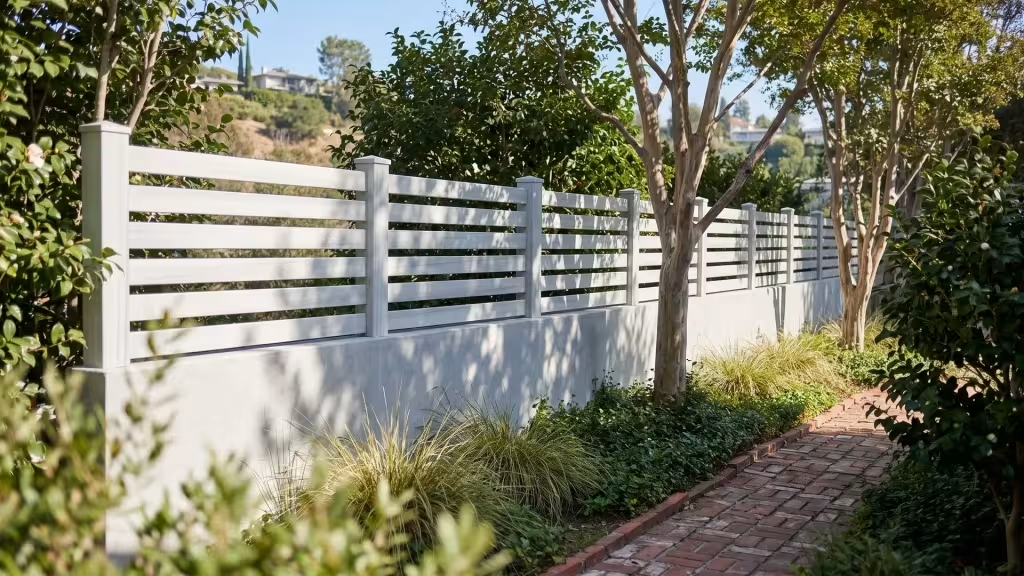
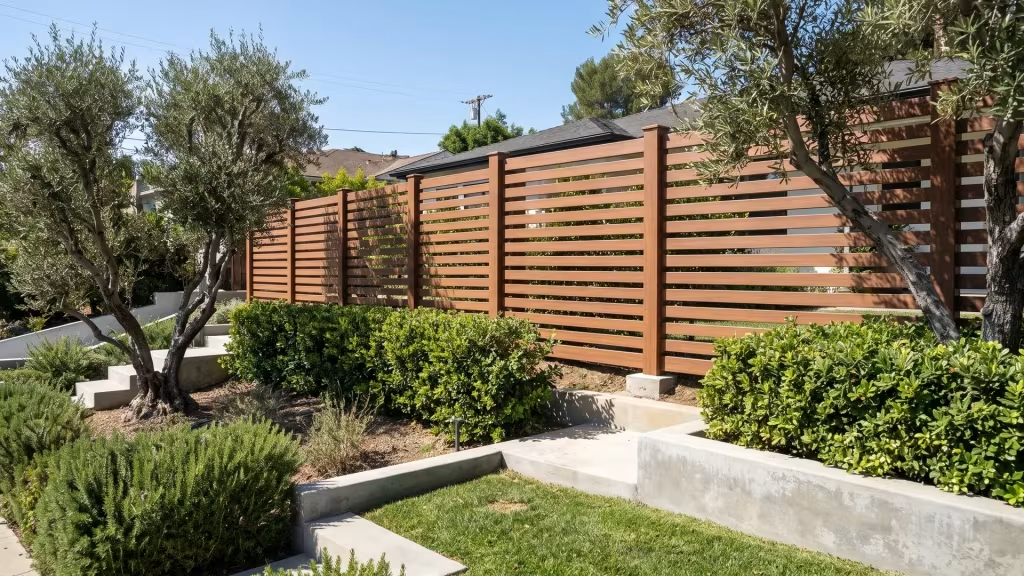
Coastal Cedar reads as a warm cedar-brown with a golden, reddish undertone, the look of natural cedar planks a season or two into their life. It is a mid-tone warm wood, brighter than a deep walnut and nowhere near the chill a gray brings, so it gives a yard a warm, light feel.
Step into full afternoon light and the golden side lifts and the grain stands out; drop into shade and it settles browner and quieter. Up close the low-gloss matte finish carries a real cedar texture instead of a shiny plastic sheen. That warmth is why it often suits traditional and ranch homes, coastal lots, garden borders, and warm-modern builds with wood or earth tones to echo.


Coastal Cedar carries across the core styles we build in wood grain, from a full privacy wall to open picket, with a matched gate and short toppers. Privacy runs stand from 2 to 8 feet, and horizontal flat picket runs from 2 to 6 feet. The three main builds that take the shade are:
Panels in the 2 to 3 foot range usually go in as toppers, adding a run of cedar height on top of a masonry or retaining wall. Any of these can pair with a gate cut to the same Coastal Cedar shade, so the entrance keeps the same clean line.
The effect is gentle. A warm wood grain like Coastal Cedar pulls a little more sun heat than a bright white or a cool gray does, yet it lands nowhere near the deep walnut and sequoia tones, so on a normal day the difference is generally small. The color sits under a high-UV outer layer that is built into the panel, which keeps the cedar tone from washing pale over the seasons.
No vinyl is frozen in place forever, and any shade can drift a hair across years of open sky. What it never asks for is the sanding, sealing, and repainting a real cedar board would. How each shade handles heat and fade is a question that runs across the whole vinyl color palette.
Among the wood grains, Coastal Cedar sits at the warm, golden end. Weathered Aspen is the one to know if you lean cooler: it carries a weathered gray-brown with far less of the golden warmth, and it repays a close look in daylight.
Dark Walnut goes the opposite way into a deep, dark chocolate-brown, the richest of the wood tones and the darkest brown we build. Coastal Cedar is the pick when you want cedar warmth without going dark. Daylight settles it, so set your final two or three samples against the house before you sign off.
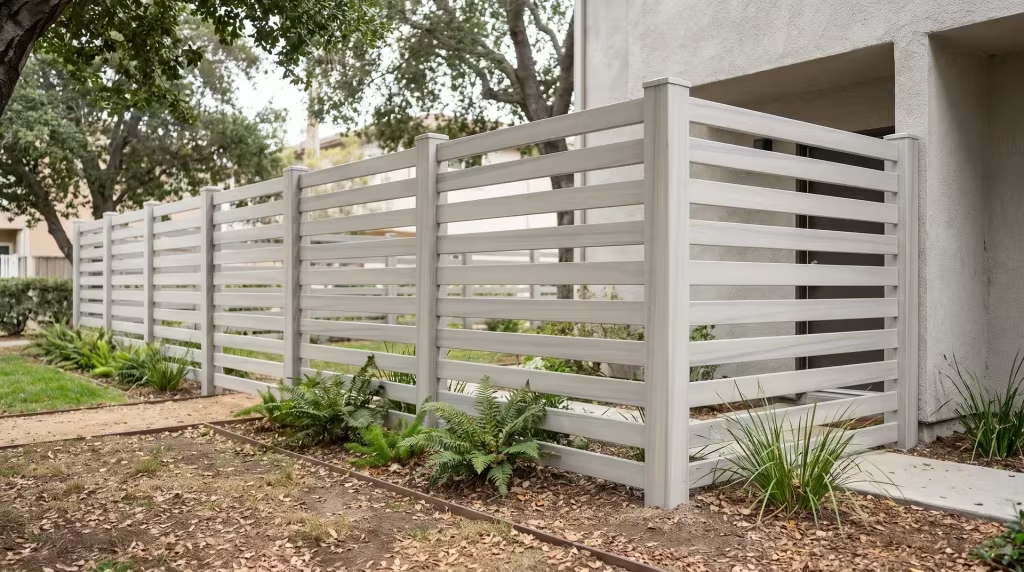
No shipped pallet of panels does the part that matters most: cutting Coastal Cedar to your actual property, matching a gate or a topper to the very same shade, and working it into any fence or wall that already stands. The tone lives inside the vinyl itself, which is why it ages evenly and stays off the repaint list for good; how that shade gets locked into the material is the same story across every color in the palette.
Building in our own shop means an odd corner, a short span, or a custom height is usually routine work, not a special request. A free estimate is the point where we hold the cedar sample to your siding and take the measurements.
One swatch alone gives you the tone but not the scale. Coastal Cedar reads warm and golden, a cedar brown that sits among the smooth wood grains, beside much deeper shades like Dark Walnut. Hold it against your siding and your roof before you settle on it.
Pro Vinyl and Aluminum Fencing partners with Catalyst, one of the leading vinyl fence manufacturers in the United States. Their US-made vinyl, our custom fabrication and installation, backed by a transferable limited lifetime material warranty.

Warm tones are the easy part. Getting a level run out of a sloped yard is not. We fabricate to the line of the ground, set the posts ourselves, and handle the wider fencing work a property needs.
White is the bright classic vinyl tone, built with a UV shield so it never yellows.
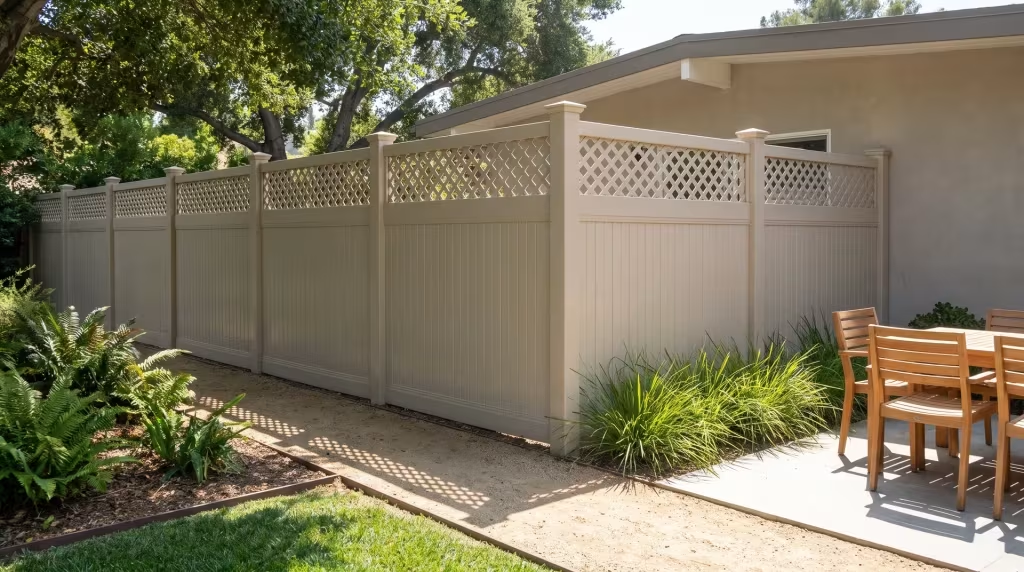
Tan gives a soft, light, warm beige that pairs quietly with almost any home exterior.
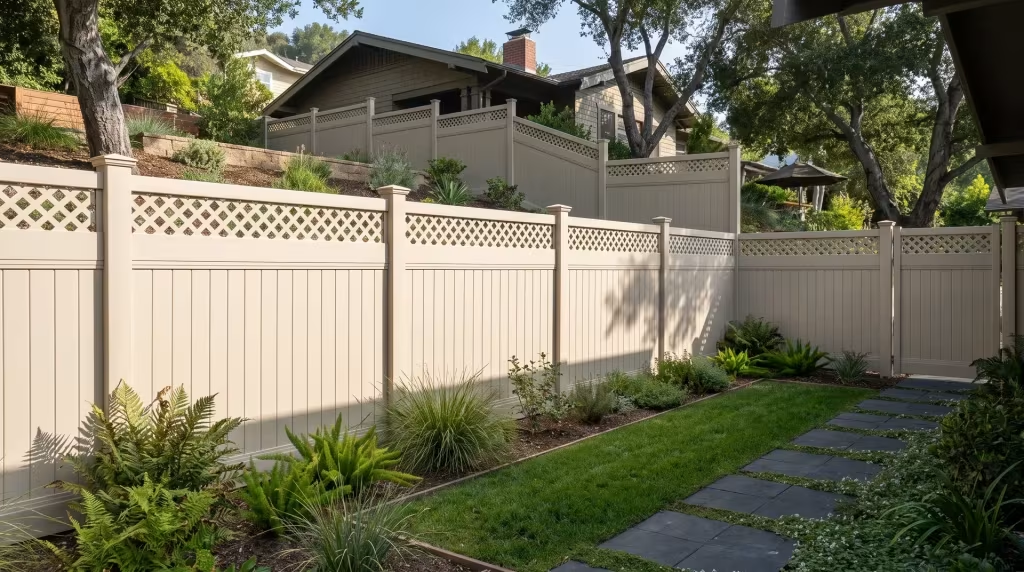
Warm wood-tone vinyl browns, ranging from a textured Sierra Blend to a deep Dark Walnut.
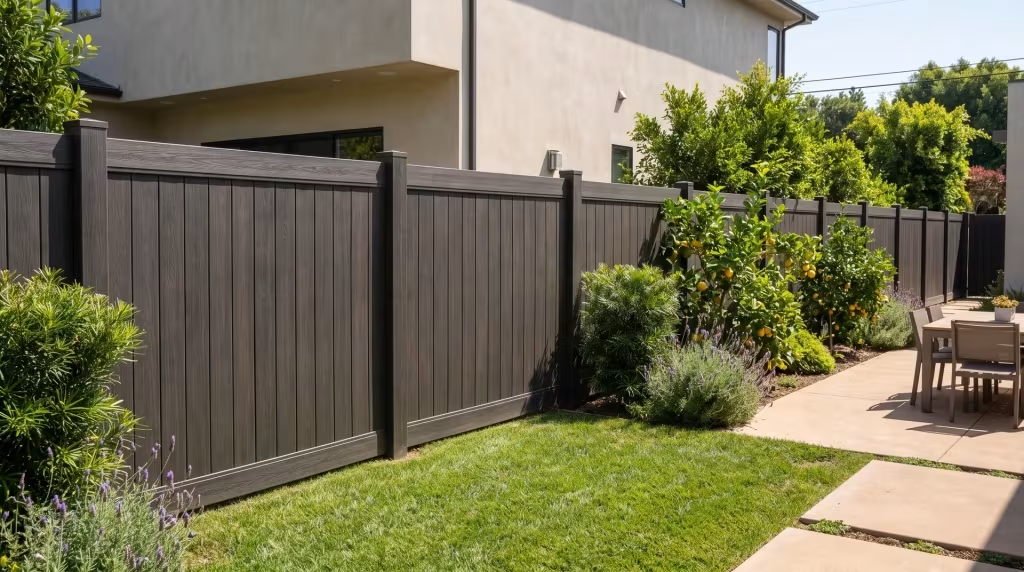
Clay is a warm, earthy solid tone with no wood grain, deeper and warmer than Tan.
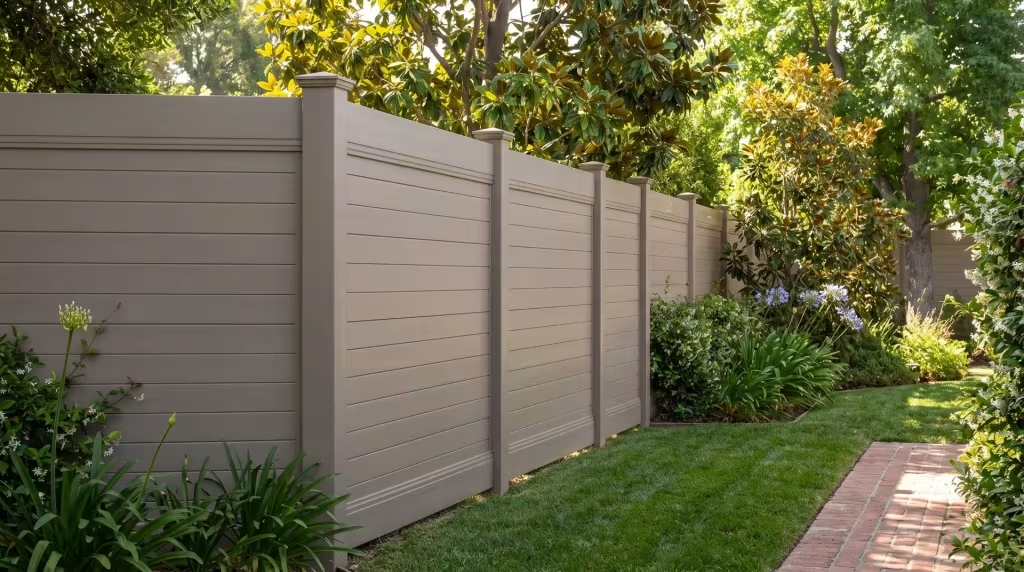
Solid Gray is a smooth, cool, modern neutral with no wood texture at all, a true even tone.
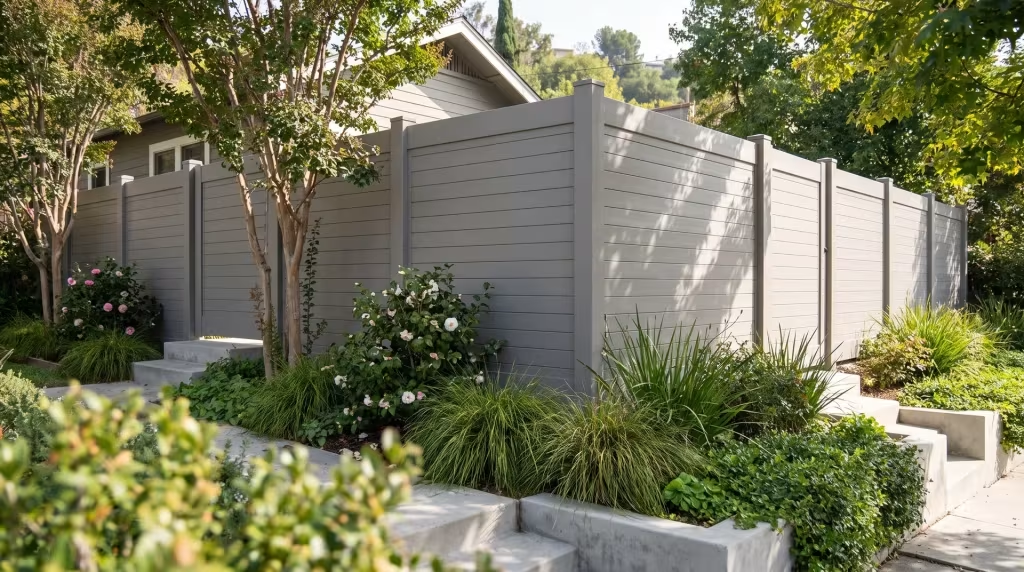
The wood grain shoppers search for as Driftwood is the color we build as Mesquite.
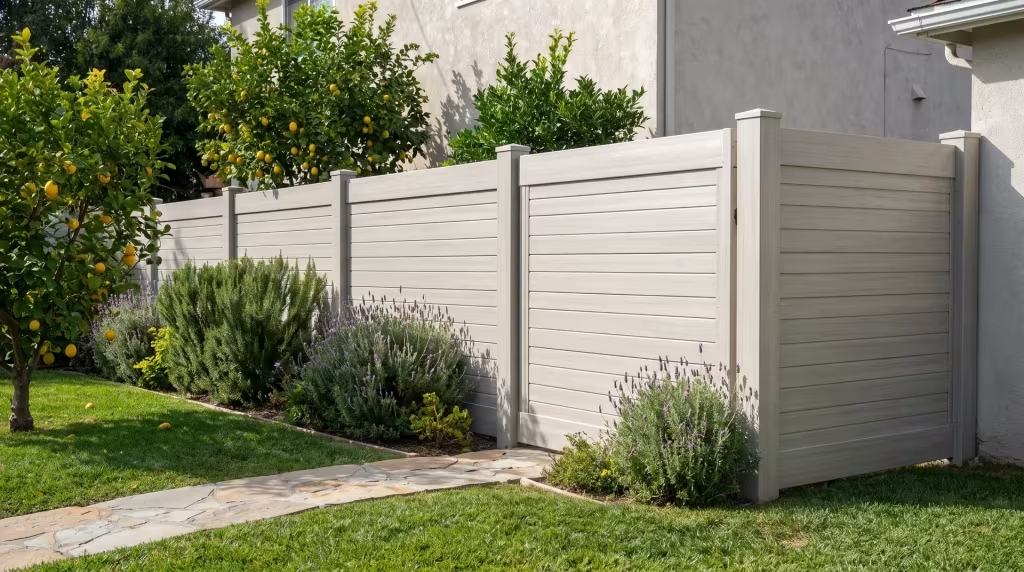
Weathered Aspen is a soft, aged gray-brown wood grain built to echo timber left outdoors.
ProVinyl did a great job installing a ranch-style fence on our property. David and his team were a pleasure to work with – the quote was transparent and fair, and they completed the job on time and to the letter. Highly recommended!

Pro Vinyl Fencing is absolutely incredible. Vic and Jasmine walked me through every step of the process and gave me wonderful recommendations for style, color and function. The installation was super easy and fast! My fence looks absolutely stunning.
If you’re looking for a vinyl fence, I highly recommend them!

Pro Vinyl Fencing is the very best company. From Mike who made the initial visit to measure the area, to Jasmine, whom I met at their warehouse, to the guys who did the installation only a couple of weeks later, it was a smooth, professional and easy experience.
I HIGHLY recommend this company!

Excellent to work with, any concerns are addressed immediately without hesitation. An older gentleman showed up the day of and worked 8 hours straight with two 15 minute breaks. I gave him bottled waters to ensure he stayed hydrated.
A respectful and talented gentleman who took pride in his work.

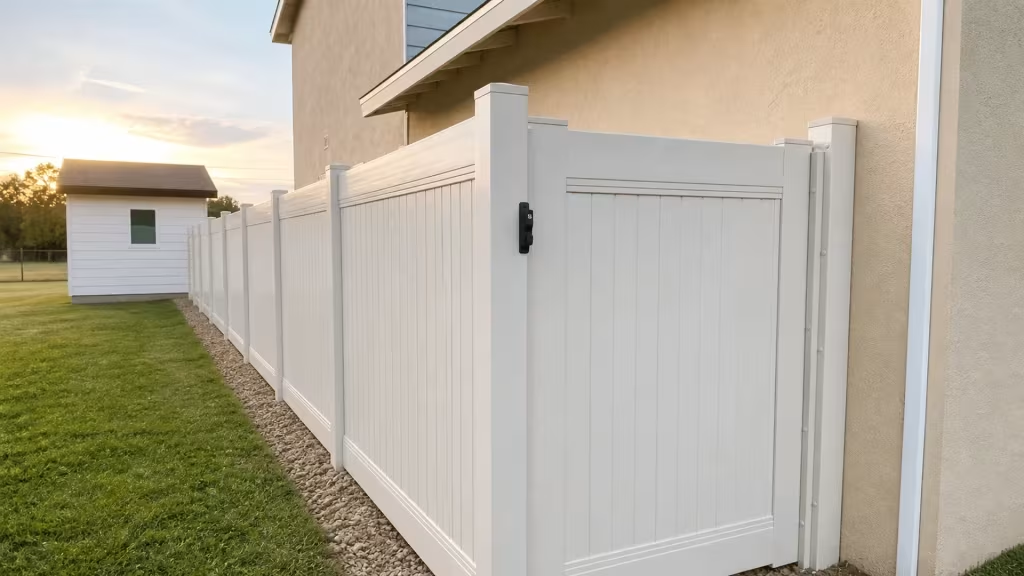
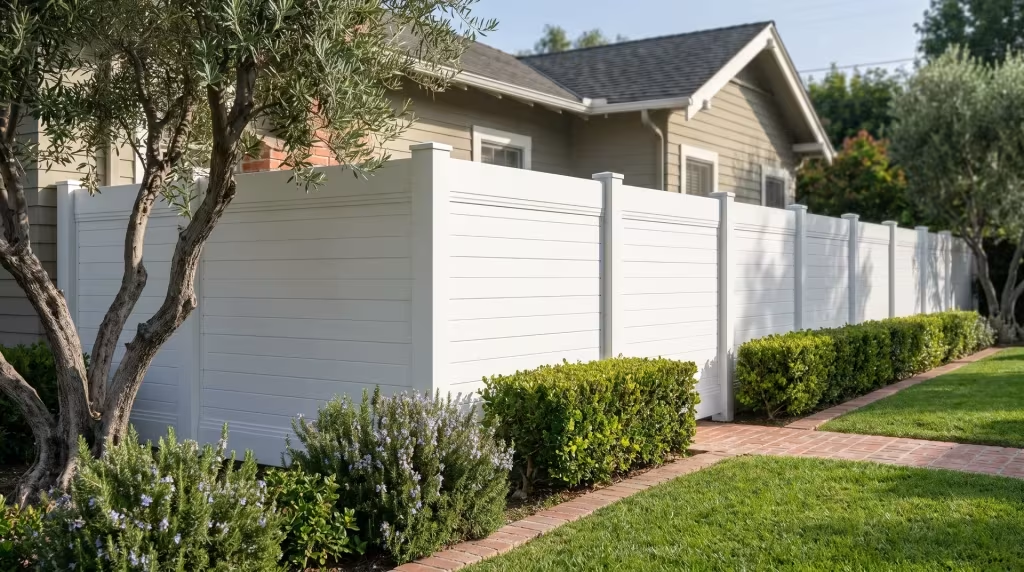
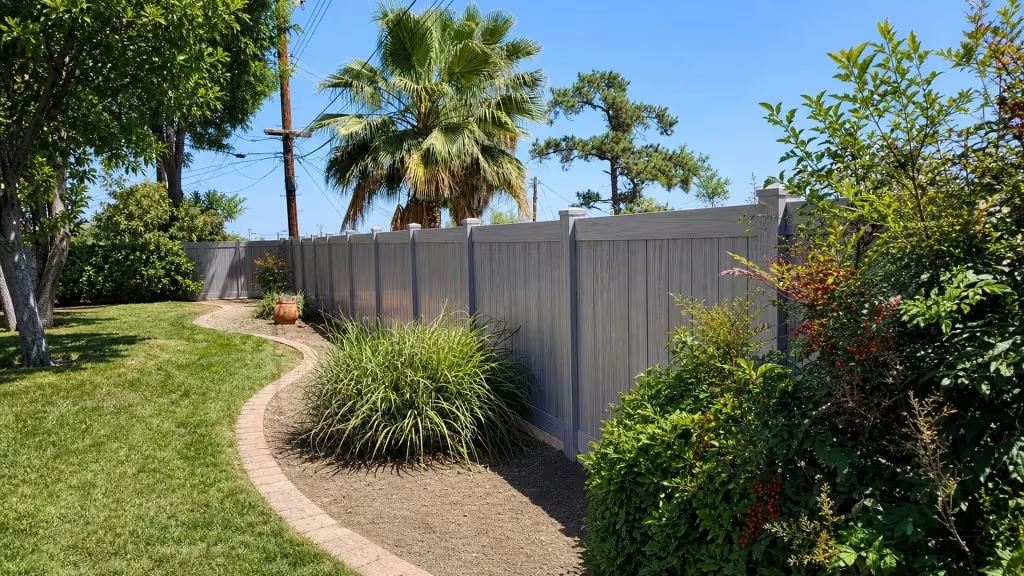
Each build shown here is a genuine Coastal Cedar job on a homeowner’s lot, gates matched to the run and all. Look at the way the warm cedar-brown holds up in daylight across different styles and heights, then imagine that golden tone tracing your own yard line.
Across Greater Los Angeles and Ventura County, our crew matches Coastal Cedar to your siding, your roof, or a run already standing on the lot, then builds and installs it in-house. The gate is cut to that same cedar shade; at the free estimate we hold a sample beside the house to check it in daylight.
For Bay Area homeowners, the same shop that builds down south fabricates and color-matches Coastal Cedar to order. Choose it for a full privacy screen or an open picket line, add a gate in the exact same shade, then line up a free estimate so you can weigh the warm cedar tone right beside your own home.
Getting from a shade you love to a finished fence takes four clear steps. Lock the Coastal Cedar shade with your estimator, note every detail in the contract, then let the crew build, color-match, and set it. A warranty covers it from day one.
One team runs it in either market, so your point of contact never changes from first measure to final walk.
Your estimator sets a Coastal Cedar sample beside the house, reads the layout, and writes you an honest quote on site.
The shade, the styles, the heights, and the matched gate are all written into the contract before a single panel is cut.
The team builds your Coastal Cedar panels, dials in the finish, and sets the run, with most jobs done in about a day.
Every run is backed by a transferable limited lifetime warranty and our 5-year workmanship warranty, plus care notes.
How to choose and care for a warm wood-grain shade, straight from the people who fabricate and install it.
Tilting louvers let a patio owner dial in exactly how much sun and airflow reach the space below.
Fences blog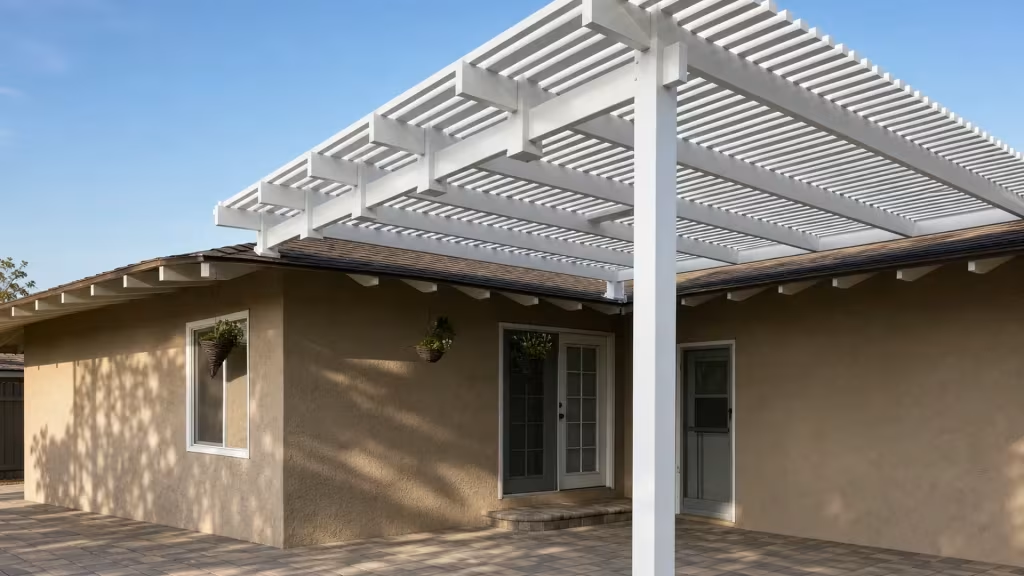
Coastal Cedar Vinyl Fence Questions, Answered
Homeowners weighing Coastal Cedar circle the same few questions: how warm the tone really is, which styles carry it, whether the shade fades or bakes in the sun, how it sits next to its closest wood grains, and what moves the price. Straight answers follow, and the crew picks up the phone for the rest.
Leaning toward Cedar?
Run it by our team and grab a free estimate before the week's out.
Warm, clearly. Coastal Cedar is a golden cedar-brown wood grain, not a gray one. Full sun brings the golden side forward; shade settles it into a quieter brown.
It reads as a mid-tone warm wood, lighter than a dark walnut and free of the cool cast a true gray carries.
You can order Coastal Cedar as vertical privacy, horizontal privacy, or horizontal flat picket, plus a color-matched gate and short toppers.
Privacy runs from 2 to 8 feet; horizontal flat picket runs from 2 to 6 feet. One cedar tone runs through every one, so any gate or topper sits in the same line, not off on its own.
Not by much. Coastal Cedar is a warm mid-tone, so it pulls a little more sun heat than a white or gray panel, but stays clear of the dark walnut end where heat and fade peak.
A high-UV layer set into the surface holds the cedar tone season to season, and any vinyl drifts only a touch over the years.
Coastal Cedar is the warmer one, with a golden glow, while Weathered Aspen reads cooler and grayer. Dark Walnut is deeper still, a dark chocolate-brown at the rich end of the wood grains.
Since light shifts a shade, the honest test is daylight samples of the two or three you are weighing.
Yes. We color-match the gate and any toppers to the exact Coastal Cedar shade on whatever style you pick, so the entry and the low runs stay one continuous cedar line.
If a fence or wall is already on site, we can match that too, so the new work ties into what stands.
The shade barely moves the number. What sets your total is the run’s height and length, the style you choose, how many gates go in, and site work such as a slope or an old fence to pull out.
A wood grain typically sits a bit above a plain solid. A free estimate is the only way to a real figure.