2-Rail Vinyl Ranch Fence
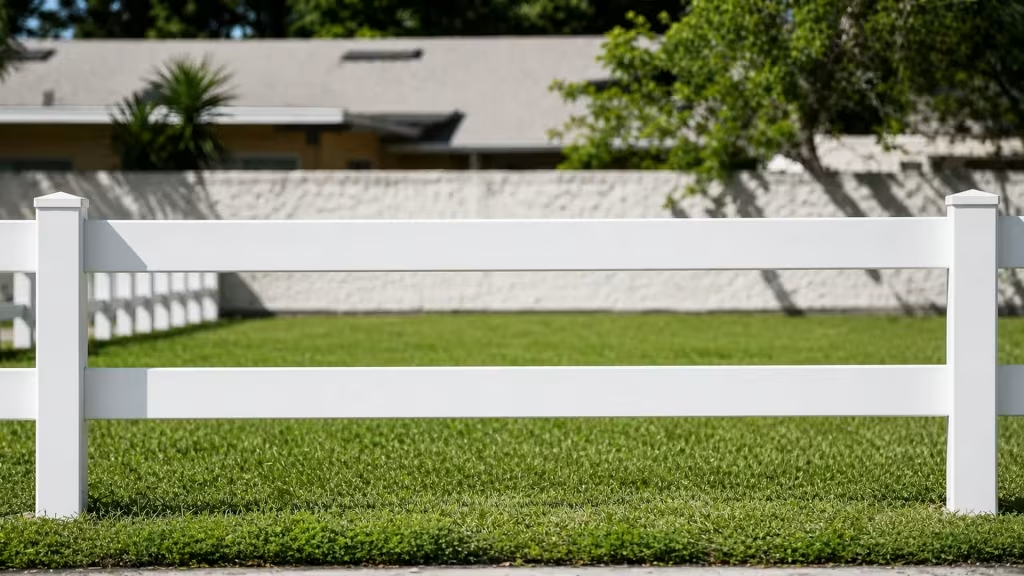
Two open rails on low posts mark the property line while the view runs clean over the top.
Call Now: (844) 744-0707

A ranch rail fence is a run of open horizontal rails set on posts, the classic post-and-rail look that marks a boundary without blocking the view. We build and custom-fabricate the vinyl version, start to finish.
Most of what ranks online ships as a DIY kit or comes from a single-material brand. Here you get honest guidance on the rail count and material for your property, then a licensed crew that installs it across Greater Los Angeles and the Bay Area, backed by 500+ five-star reviews.
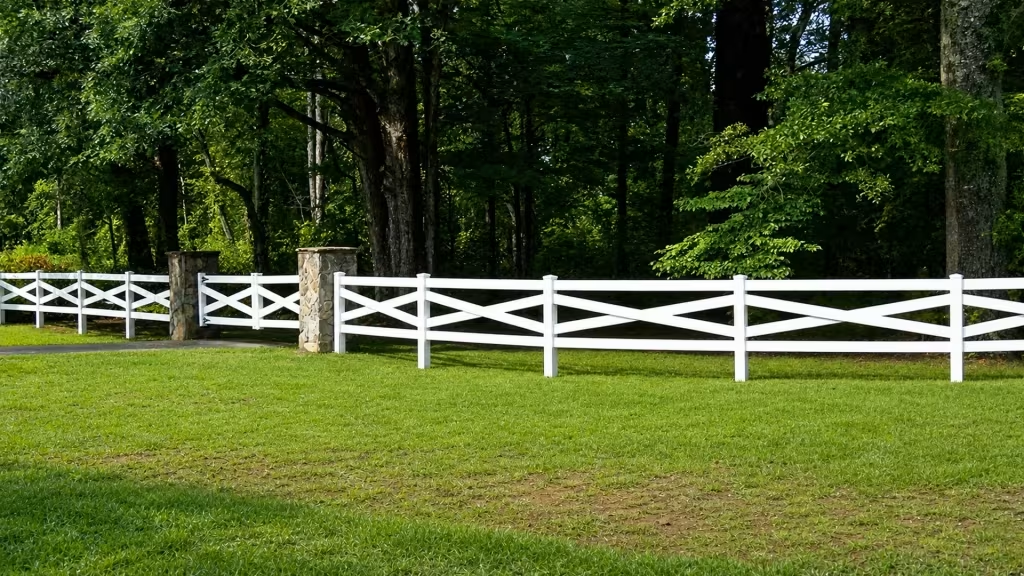
Ranch rail fencing is open post-and-rail fence, built for horse property, acreage, long driveways, and homes that want the ranch look.
We build the vinyl version, help you land on the right rail count and color, and stay straight with you about what this fence will and won’t do. No livestock? It still holds its own as clean, low-upkeep curb appeal.
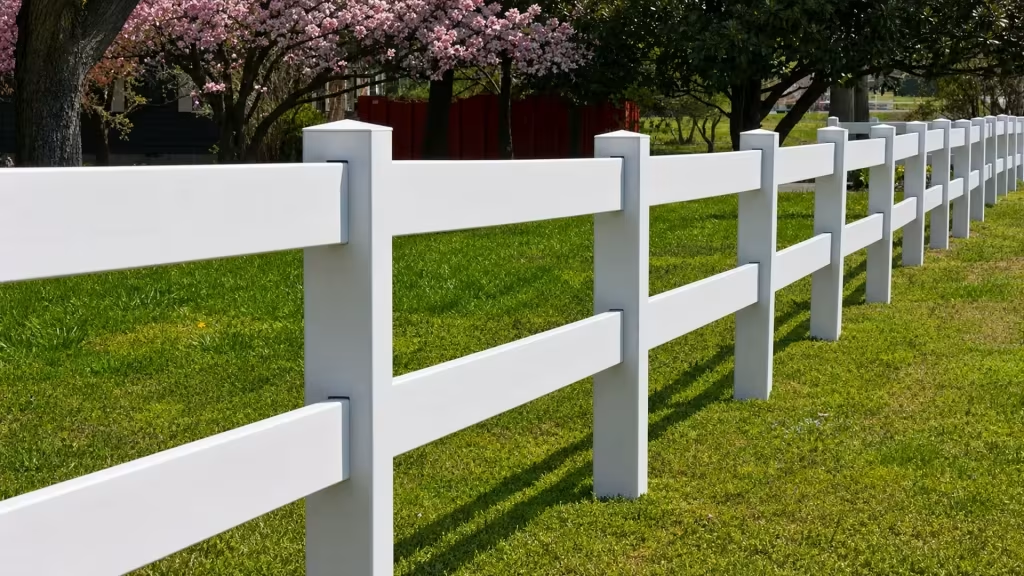
Post-and-rail is the whole family: upright posts with horizontal rails running between them, nothing filling the gaps. Split rail is the rustic cousin, rough split cedar with an uneven, hand-hewn look. Ranch rail is the refined one, clean milled boards in straight, even lines. The vinyl ranch-rail version keeps that crisp look and skips the splinters, staining, and rot that come with wood. People also call it board rail or estate fence.


Two rails usually suit decorative lines and small-animal runs. Three rails is the most common build and the usual pick for horses. Four rails give you the most containment for busy paddocks. Prefer an X between the rails? That is the crossbuck, a more traditional decorative look. Each configuration carries its own height, spacing, and post depth.
Rails slide through routed holes in the posts, a method called route-and-lock. It is cleaner and stronger than bolting them to the outside, and no screws show. Posts are set in concrete, and the hole gets deeper as you add rails, since a four-rail run carries more load than a two-rail one. Standard runs use 5×5 posts, low decorative ones lighter 4×4, with a 2.5 by 4 inch ranch rail profile and posts 96 to 98 inches on center.
Ranch rail is built for level ground. On a slope we follow the grade with the rails or stair-step the sections so each one stays level. Permit rules follow finished height: in the City of LA a non-masonry fence needs one only above 10 feet, unincorporated LA County over 6 feet. Rules vary by city; verify locally. On a shared property line, California’s Good Neighbor rule asks for written notice to your neighbor first.
You will read that vinyl gets brittle. That is a cold-climate, freeze-and-thaw problem, and neither Greater LA nor the Bay Area gets that cold. Here the real question is UV and heat over the years, and quality UV-stabilized vinyl takes it without yellowing or going soft.
Wood is genuinely beautiful, it just needs more upkeep than most people expect. Metal and HDPE are solid choices too. We sell vinyl and aluminum and talk straight about all of it, because the right fence is the one that fits your property and budget.
On horse property, vinyl ranch rail earns its keep: no splinters to injure an animal, no toxic treatments, and open rails that let wind pass through. But in our experience, most ranch fences we build never see a horse.
They line front yards, hillsides, long driveways, and suburban lots where owners want the open ranch look without the upkeep. That mix shows up in both markets, in the horse-friendly, ranch-style pockets of Greater Los Angeles and in the wooded, large-lot communities of the Bay Area.
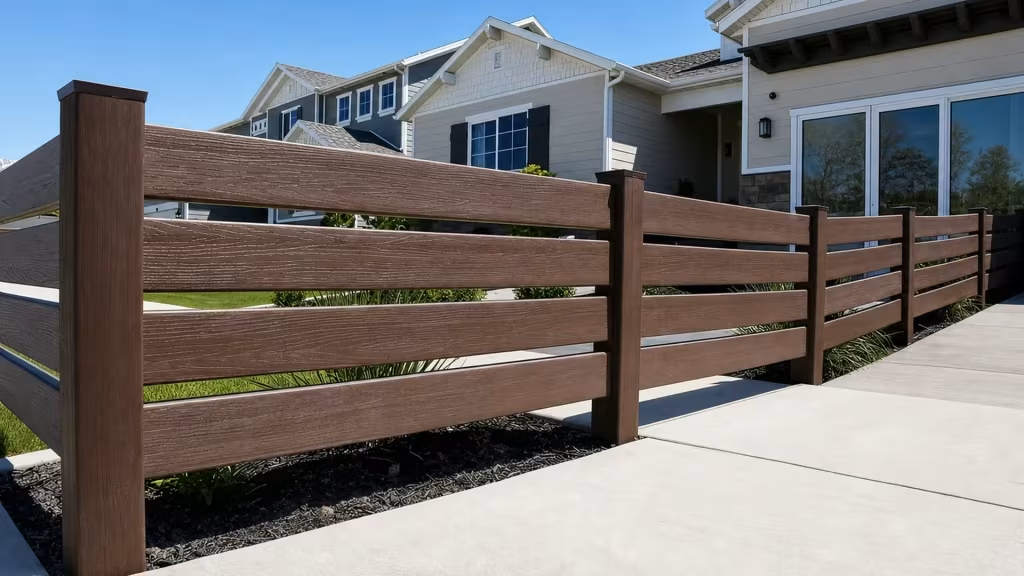
Open rails are honest about their limits. A ranch fence gives no privacy and will not keep a small dog or cat in, so pair it with a privacy or picket style for screening. It is not a pool barrier either. California pool code wants a non-climbable barrier with no wide gaps and a self-latching gate, and open rails do not qualify.
It is built for level ground, so steep slopes need racking, angling each section to the grade. And one horse-owner note: horses can chew and crib vinyl, and animal damage is a warranty exclusion, so busy paddocks often add rails and a deterrent.
No two ranch fences cost the same. A few things move the number: length, rail count, height, gates, the slope of your ground, and whether an old fence has to come out. We can usually give you a ballpark over the phone, but the honest price comes after a salesman measures and sees the whole picture, the ground works and hidden surprises. The estimate is free. Get yours this week and we will get you scheduled.
Open rail shows the posts and the rails and nothing else, so the tone carries the whole look. All three vinyl families run on it: the plain solids, the smooth grains, the textured blends that read closer to real timber. The matching gate comes in the same one.
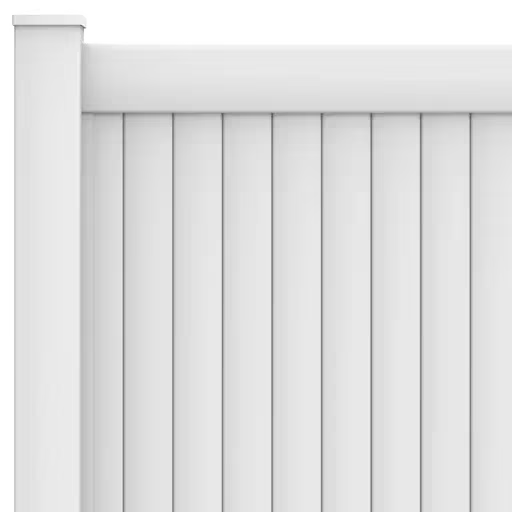
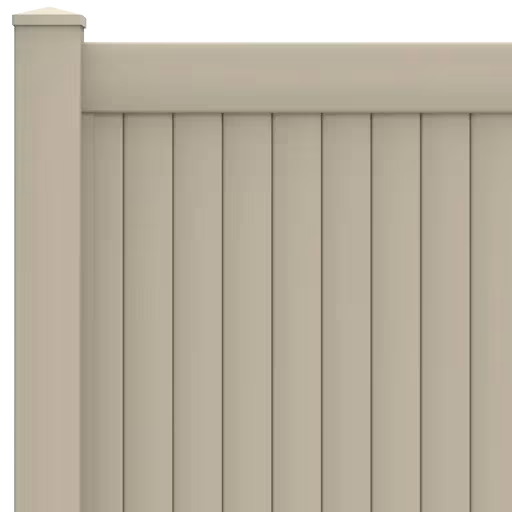
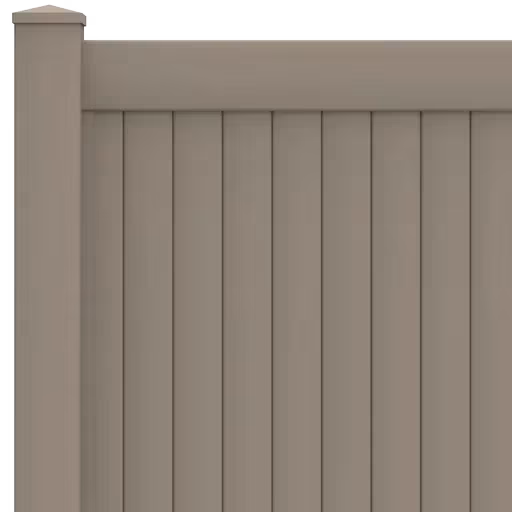
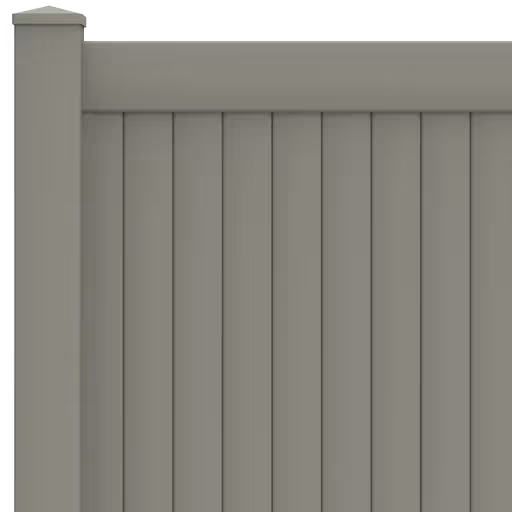
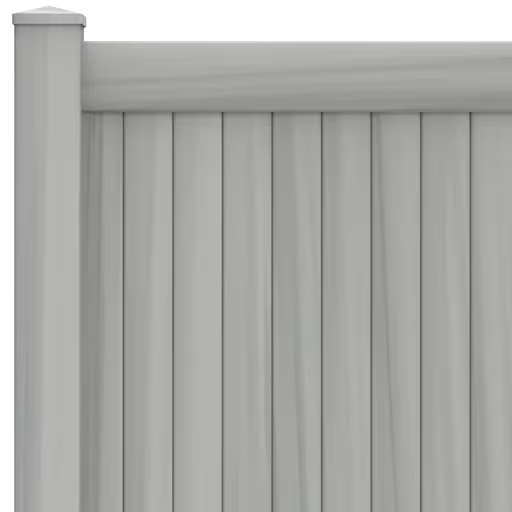
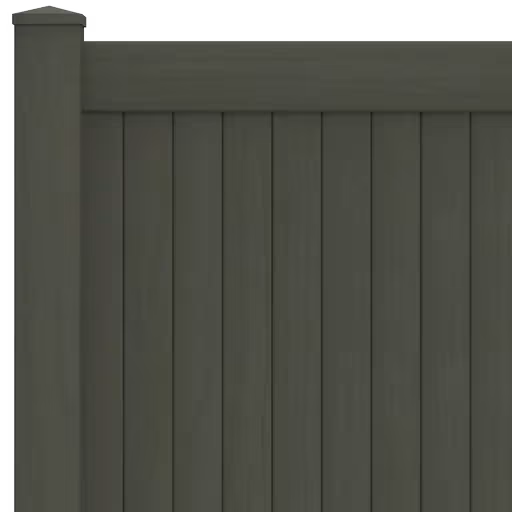
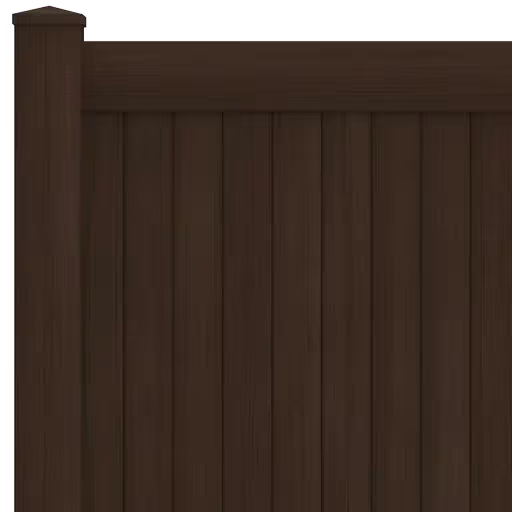
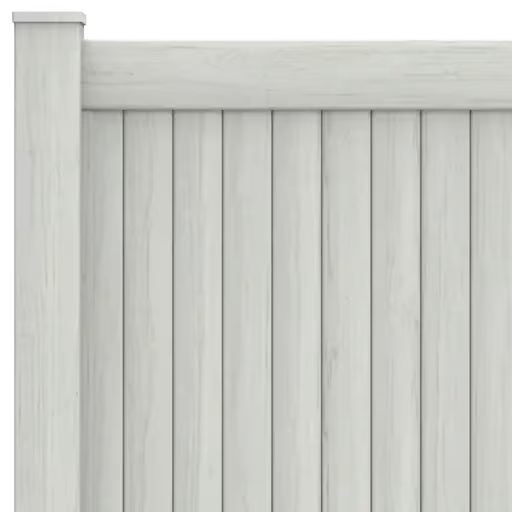
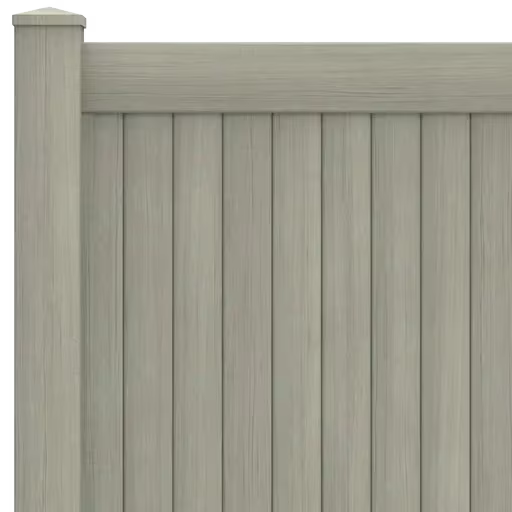
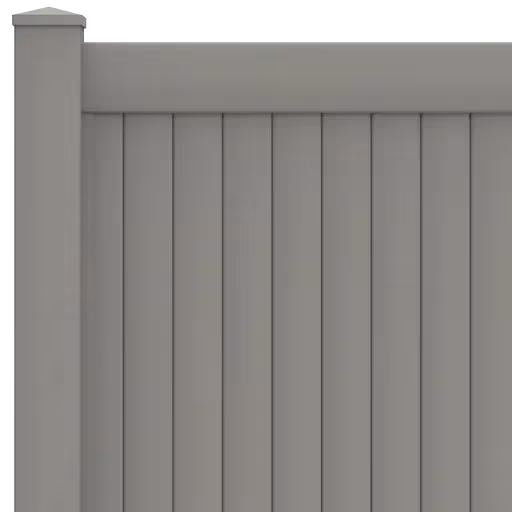
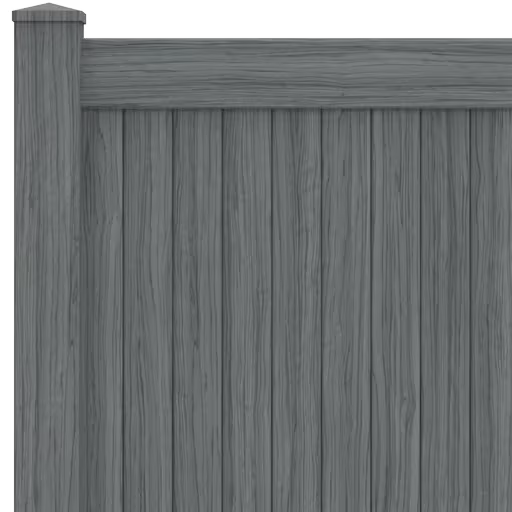
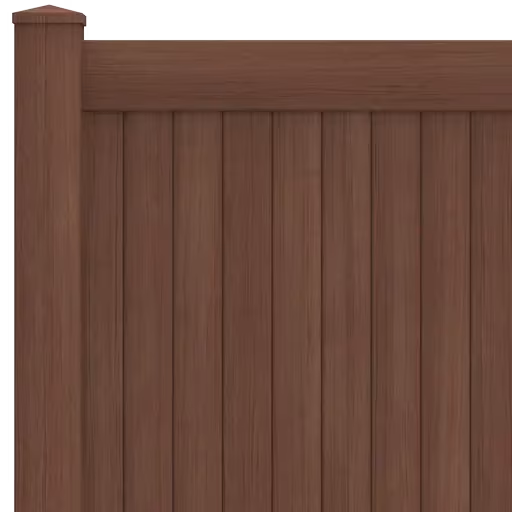
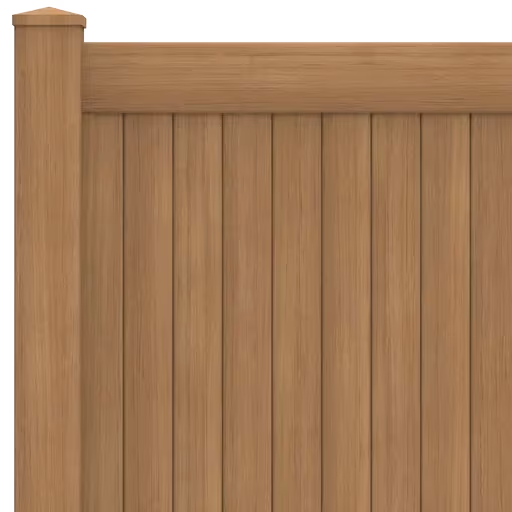
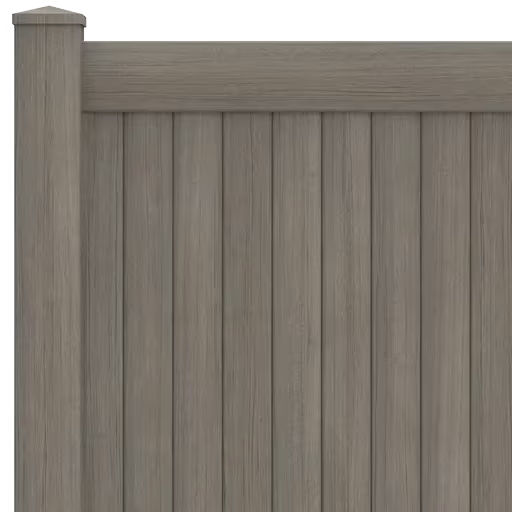
Pro Vinyl and Aluminum Fencing partners with Catalyst, one of the leading vinyl fence manufacturers in the United States. Their US-made vinyl, our custom fabrication and installation, backed by a transferable limited lifetime material warranty.

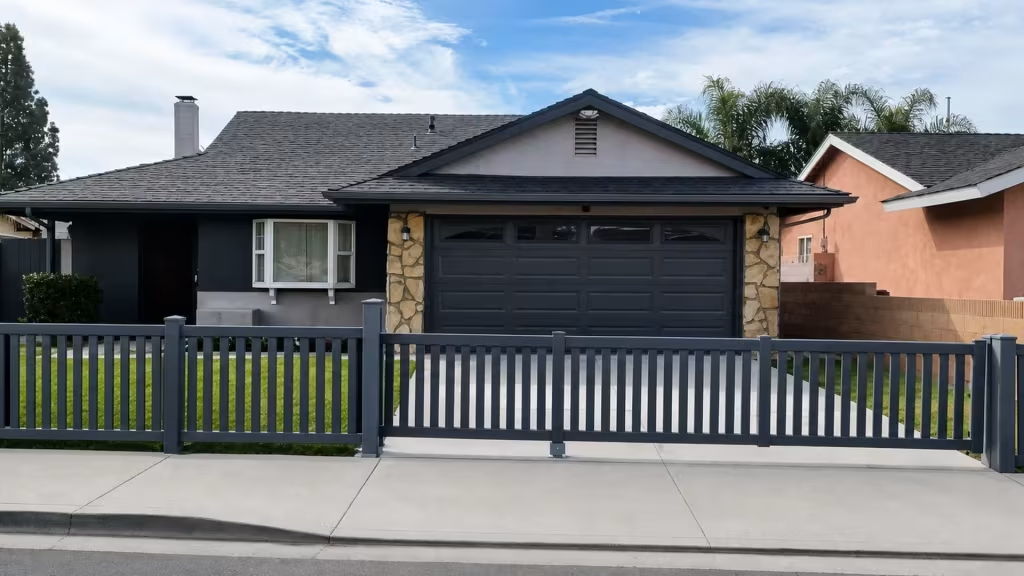
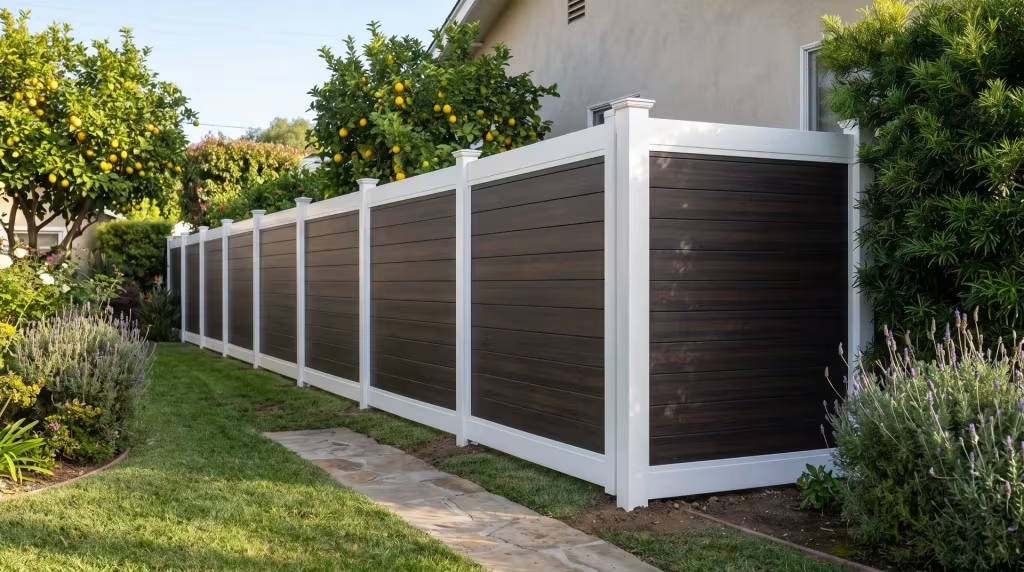
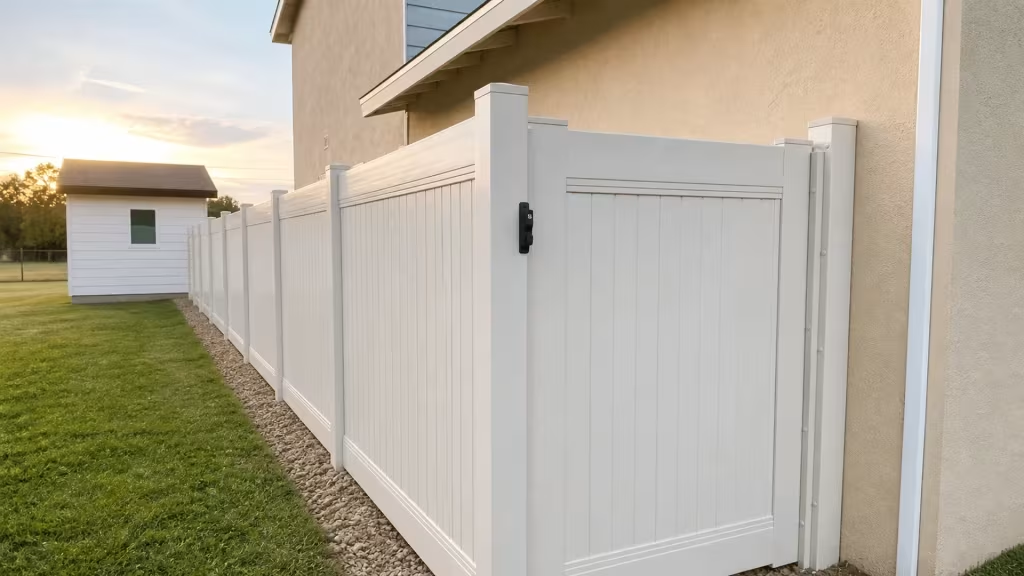
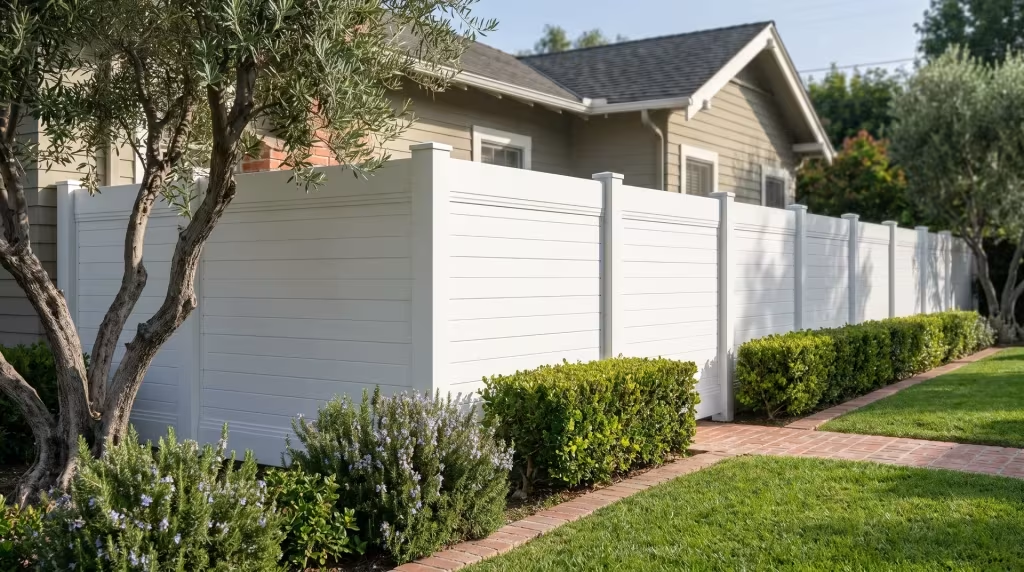
Rail marks a boundary. It does not screen a patio or close a yard off, and plenty of properties want one run doing that while another stays open. Both kinds get built here, in either material.
Two open rails on low posts mark the property line while the view runs clean over the top.
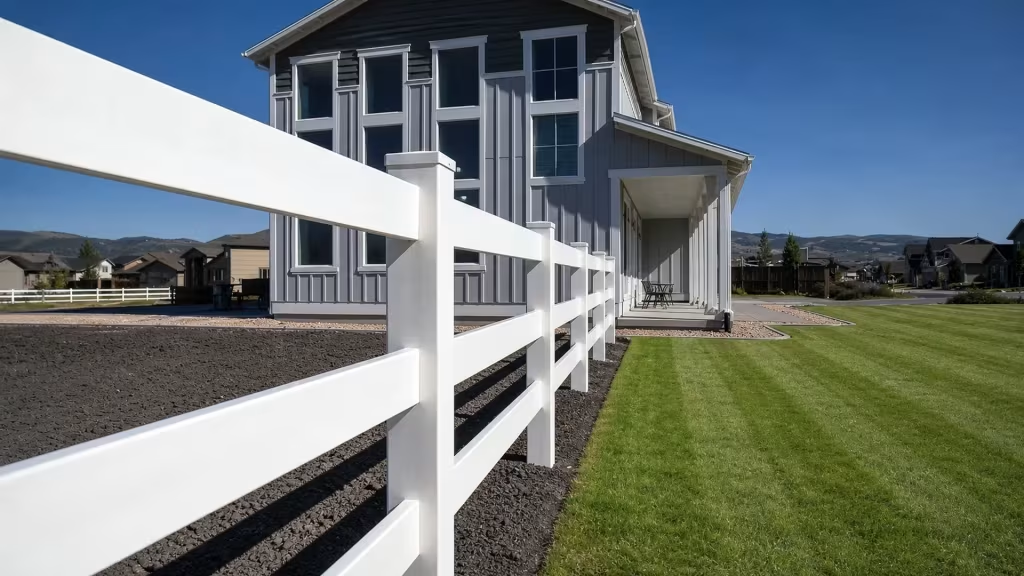
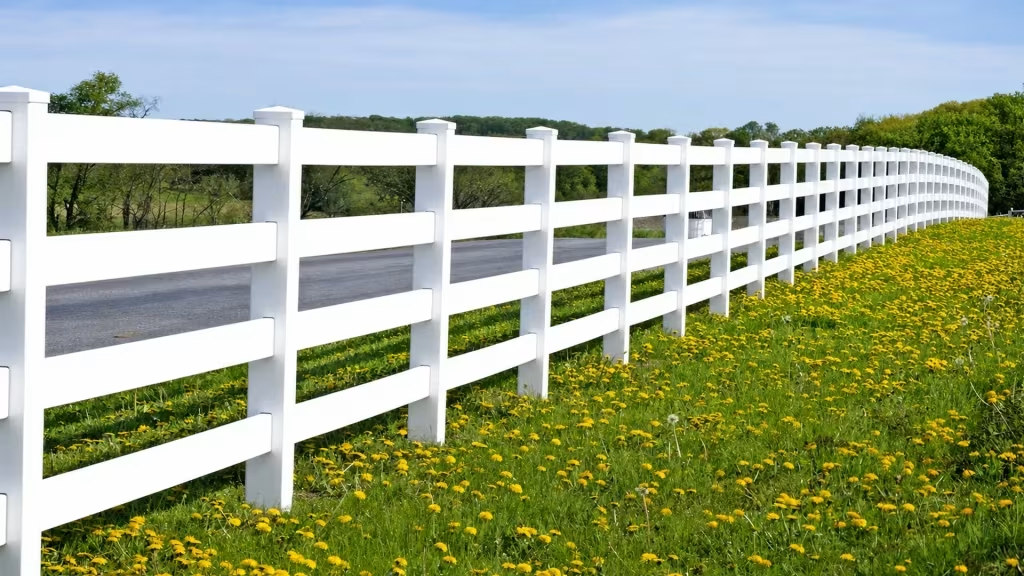
Three evenly spaced open rails give the classic ranch look most owners choose, marking the line without blocking the view.
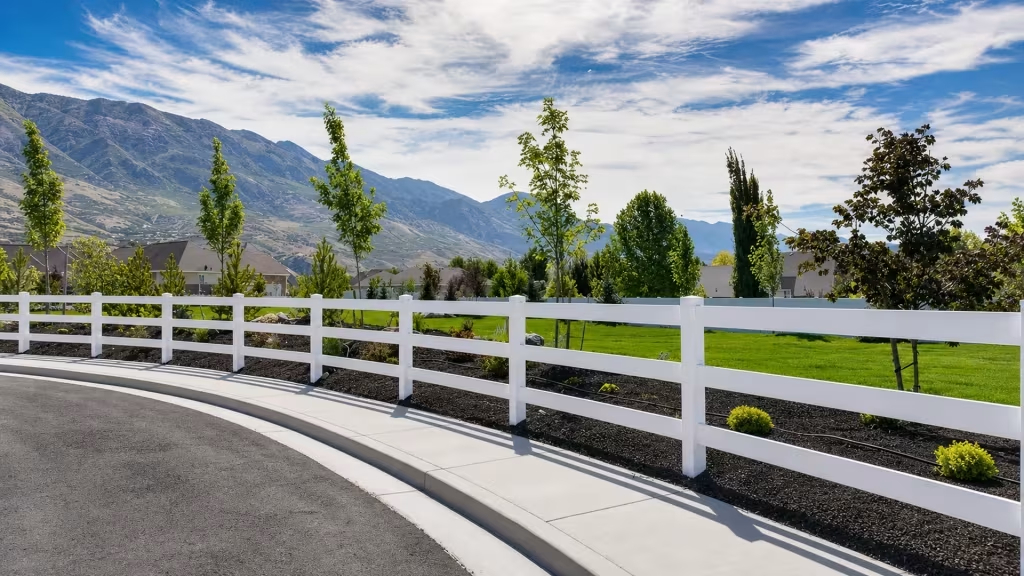
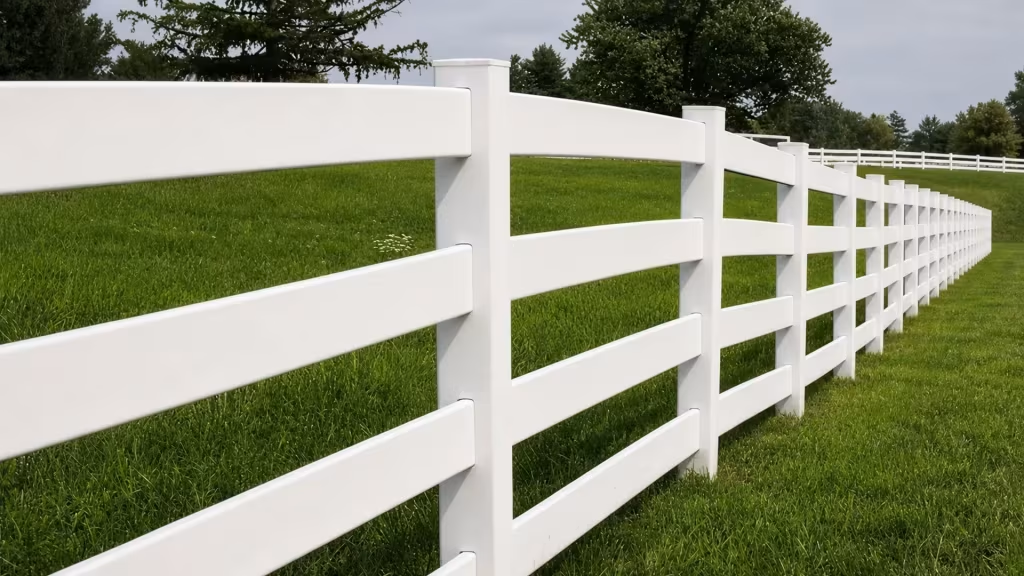
Four rails fill the frame the most of any ranch count, built for real containment on livestock and estate lines.
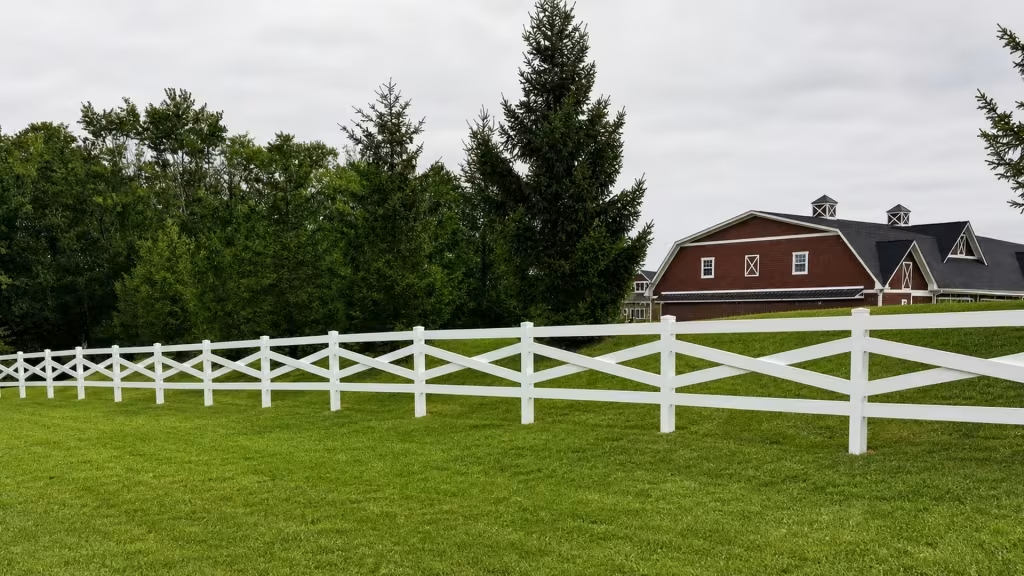
A decorative diagonal X crosses the open rails for the rustic ranch look, without the rot or splinters of wood.
Called around for quotes for picketprivacy fencing.. Pro vinyl had the best pricing and they did great work. Vick was our salesman and he was very friendly and professional.
The two technicians Arthur and Arthur were hard workers and we were very happy to have them around. I recommend this company to anyone looking for fencing for their home.

The best in the game no questions asked. Needed a vinyl fence very badly and immediately. These guys helped me so quick and gave me the best price that I found all around town. Har and his crew are second to none!
Would highly recommend to anyone looking to do any type of fencing to their home. Fast, reliable, and quality work.

Arsen, did a tremendous job! He is a real nice guy along with his worker! We are extremely happy with his services! His work speaks for itself! We are truly happy we chose his company! He gave us the best price! You will be satisfied with his services! Give him a call!

Excellent fencing company! They were thorough and extremely quick with installation. They responded quickly with all of our questions. Naeri was very professional and knowledgeable. The installers Gagik and Aghas were so quick. It came out great.

These are real vinyl ranch and post-and-rail fences our crews have finished for property owners across our service areas. Look for the different rail counts, the crossbuck patterns, and the color choices, from clean white to woodgrain textures, and picture the same on your own land.
From working horse properties to the ranch-style streets of suburban neighborhoods, we build ranch rail fence across Greater Los Angeles and Ventura County. Whether it fronts acreage, lines a long driveway, or draws a decorative front boundary, you get the same crew and the same clean build.
Bay Area property owners get the same crew and custom fabrication, from wooded, large-lot properties to ranch-style homes across the region. Local height and fence rules differ from Southern California, so verify yours with your local building department; we build to the approved height.
Here is how a ranch rail project runs, from the first call to the last post cap. No pressure, no vanishing salesman, and no surprise line items after signing. You will know the rail count, color, height, and price before anyone digs a hole.
Four steps, and you are in the loop on every one, from the free estimate to the day it is handed over.
A salesman measures on site, talks through rail count and color, and gives you a real number, not a phone guess.
You get it in writing: scope, height, gates, color, and price, with ground works and old-fence removal spelled out.
We set the posts in concrete, slide the routed rails home, cap it, and clean up the site before we leave.
Vinyl carries a transferable limited lifetime warranty, our workmanship a 5-year warranty, plus simple care tips.
Guides on rail counts, materials, and keeping a vinyl fence looking new, straight from our team.
The right installer decides whether a ranch rail vinyl fence holds up on a Los Angeles property or ranch.
Fences blog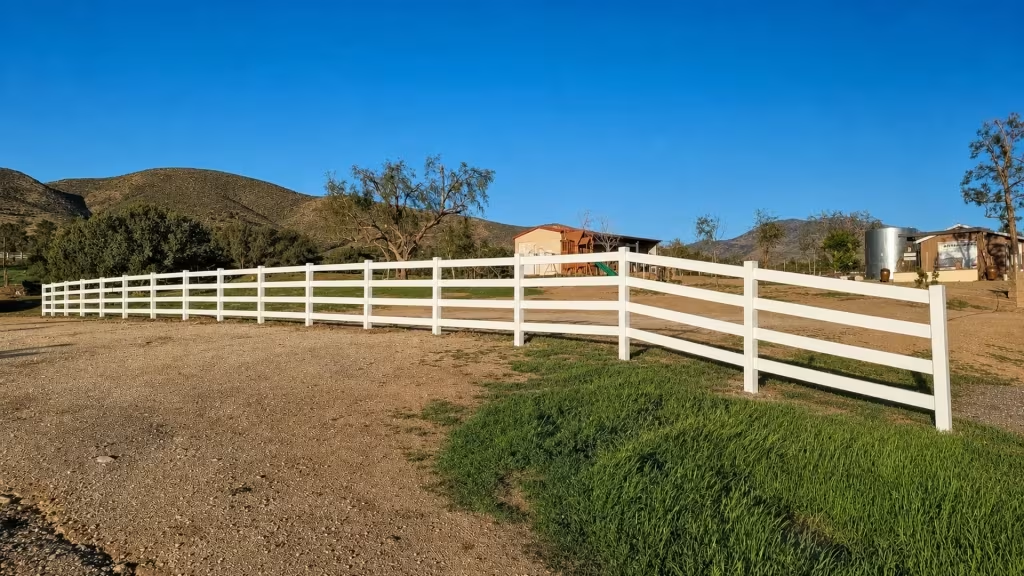
Ranch rail fencing: your questions answered
These are the honest answers a kit seller will not give you: what ranch rail is, whether it suits horses, how to pick a rail count, and what really drives the price. Have one we did not cover here? Call the same crew that would build your fence and just ask.
Not sure where to start?
Get a free, no-pressure estimate and we will map it out with you.
Both are post-and-rail fences, so the words get used interchangeably. Split rail means rough, split cedar with a rustic, uneven look.
Ranch rail means clean, milled boards in even lines. We build the refined ranch-rail look in vinyl, so it keeps the shape without the splinters or upkeep of wood.
Yes, in the ways that matter most. Vinyl ranch rail does not splinter and needs no toxic treatments, so it is kinder to animals than treated wood.
One caveat: horses can chew and crib vinyl, and animal damage is a warranty exclusion, so busy paddocks often add a rail and a deterrent.
Quick version: two rails for decorative lines and small animals, three rails for most horse and boundary work, four rails for the most containment.
A crossbuck adds a decorative X. Each count carries its own height, spacing, and post depth, so the count you pick sets the build.
Yes. Posts are set in concrete, and the hole goes deeper as you add rails, because more rails carry more load.
The rails then slide through routed holes in the posts, a screw-free, route-and-lock build that holds up better than rails bracketed to the outside.
No on both. Open rails are made for boundaries, livestock, and curb appeal, not for privacy or keeping a small dog or cat in.
If you want screening or pet containment, pair the ranch look with a privacy or picket style, and we will show you how the two work together.
It depends on length, rail count, height, gates, terrain, and whether an old fence comes out first.
We will give you a ballpark on the phone, but the real number comes after a salesman measures on site. The estimate is free, quick, and comes with no pressure to sign.