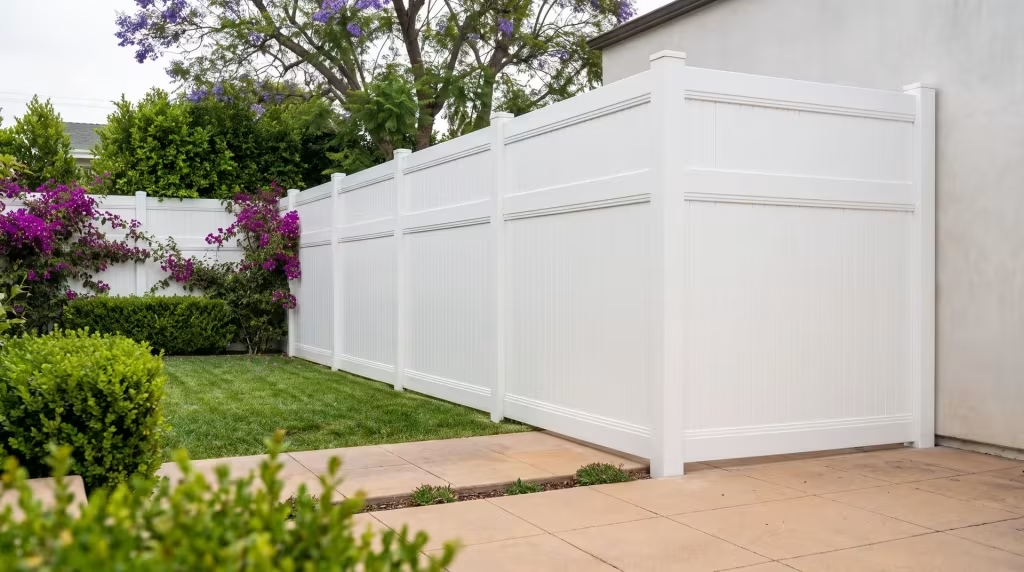
White Vinyl Fences
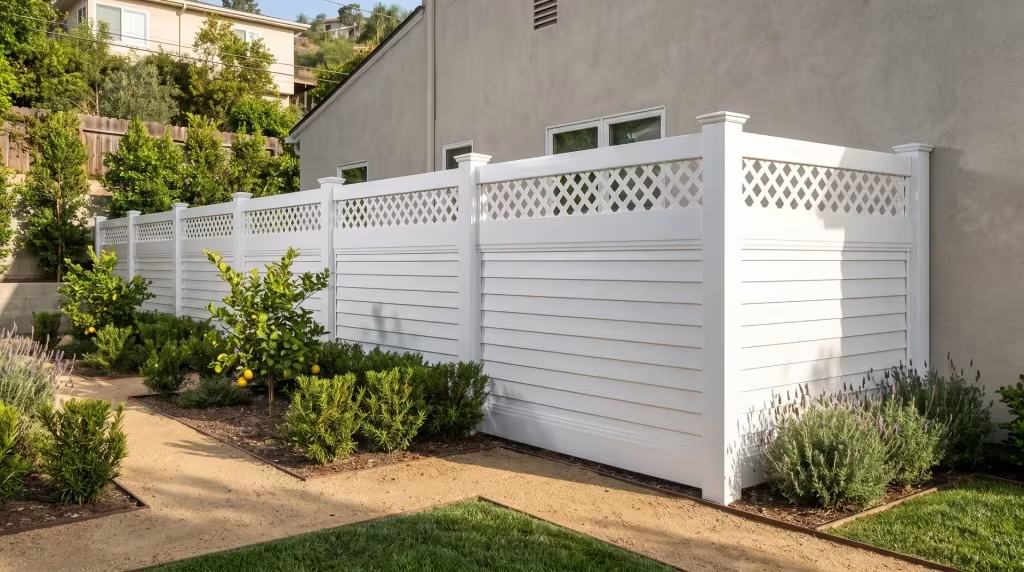
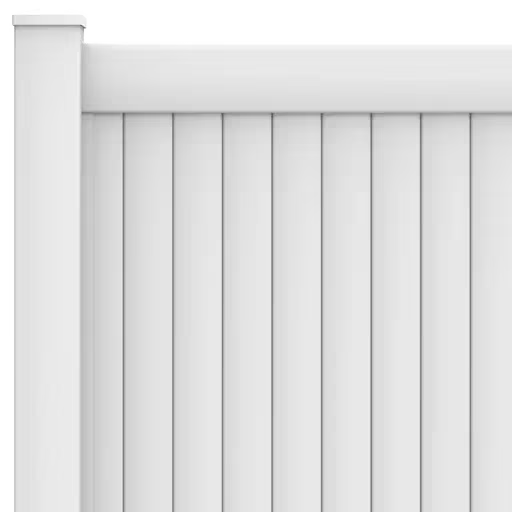
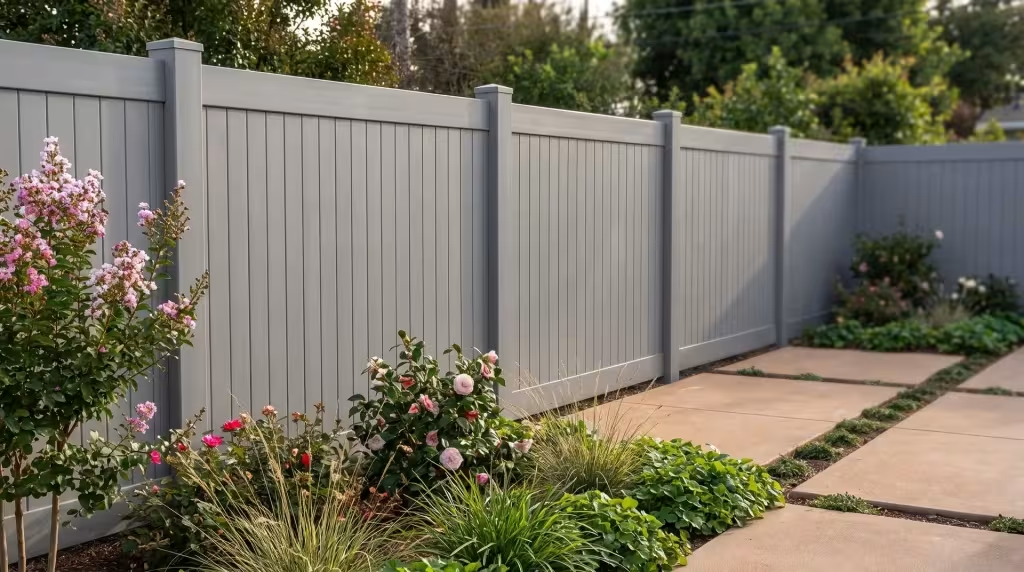
White is the bright classic vinyl tone, built with a UV shield so it never yellows.
Call Now: (844) 744-0707

A colored vinyl fence lets you choose the exact look of your yard, from crisp solid tones to real wood grains. The color is built into the vinyl, so it holds up in the sun and never needs paint.
Pro Vinyl and Aluminum Fencing is a licensed installer and custom fabricator, not a factory catalog. We match your fence to your home or an existing run, add a gate in the same color, and install across Greater Los Angeles and the Bay Area. Your free estimate starts it.
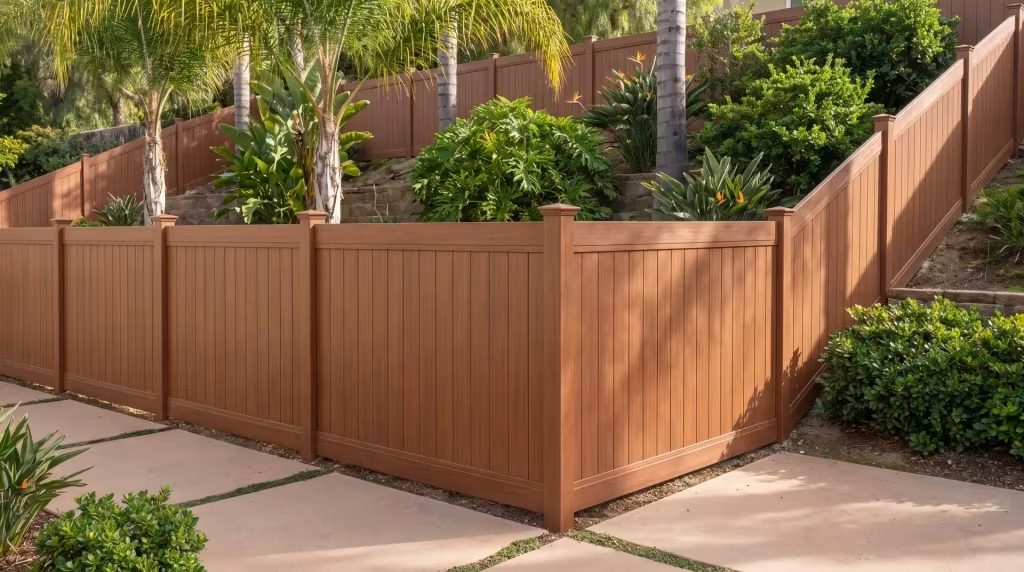
The palette we actually build is 14 shades in three honest families, not the inflated marketing count you see elsewhere.
First comes the honest guidance: how color behaves in the sun, whether it fades, and whether it is painted on or built in. Then the part a store cannot offer, how we color-match, add matching gates, and mix tones between sections.
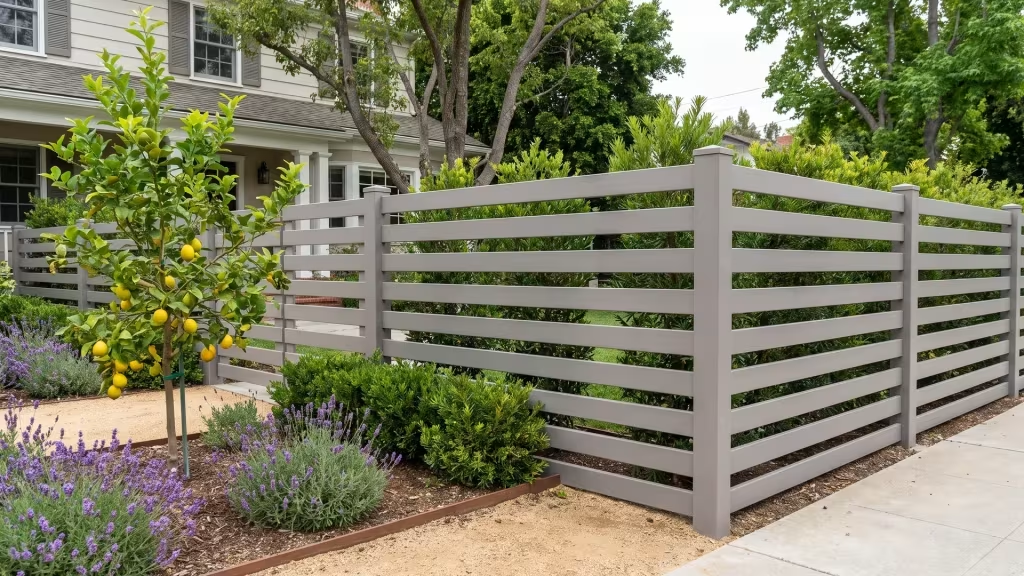
The palette runs to 14 colors in three families. Standard Solid keeps four clean classics: White, Tan, Clay, and Gray. Smooth Wood Grain adds six wood looks: Coastal Cedar, Dark Walnut, Dark Sequoia, Weathered Aspen, Mesquite, and Slate Gray. TimberGrain Textured finishes with four deep blends: Arctic Blend, Brazilian Blend, Sierra Blend, and Weathered Blend.
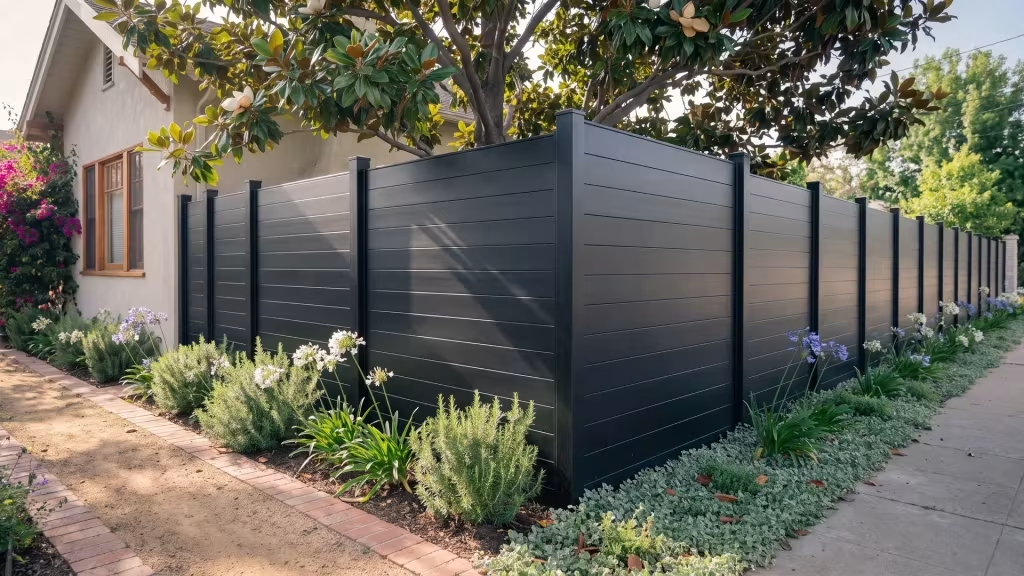
The palette is best read family by family, not one shade at a time. The darkest tones are Dark Walnut, Dark Sequoia, and Slate Gray. We do not build a black vinyl fence, and the honest reason comes just below.


The three families differ in finish, not just name. Standard Solid is an even, smooth color with the classic vinyl look. Smooth Wood Grain carries a printed wood pattern that still feels smooth. TimberGrain Textured goes further, with a deep grain you can feel under your hand.
Solid tones read cleaner and more modern and suit HOAs that want a neutral street view. The wood looks give you the warmth of timber with the low upkeep of vinyl, a fair trade if you love a natural look but not the sanding and staining real wood asks for.
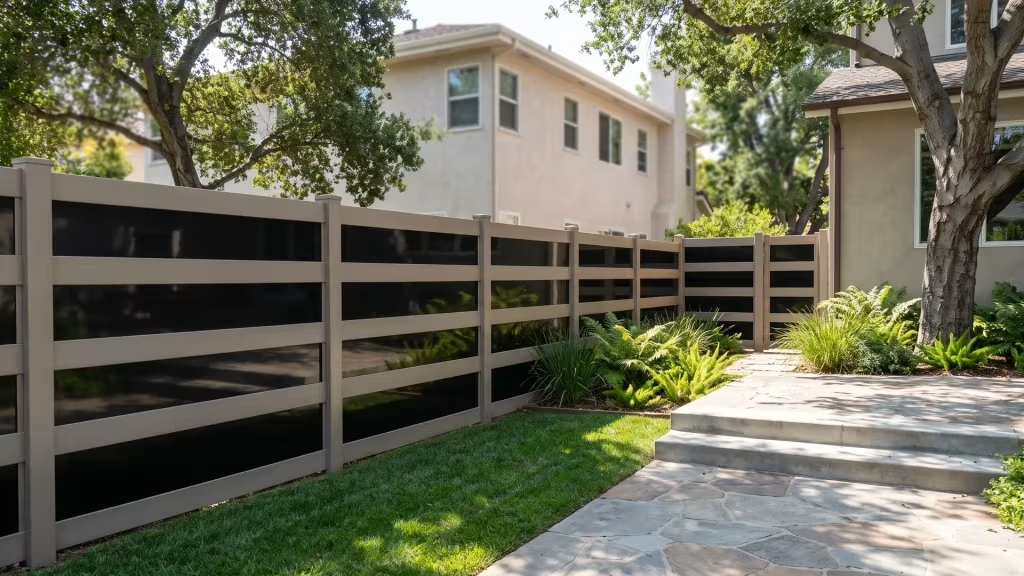
Here is the honest version: lighter colors fade slowest and stay coolest, while darker and wood-grain colors take on more heat and can show more change over the years. White, tan, and light gray reflect sunlight and hold close to their original look for a long time.
In direct sun a dark panel gets noticeably warmer to the touch than a white one, and darker pigments move a little more with that heat. Quality vinyl handles it: UV stabilizers and titanium dioxide protect the light tones from chalking, and the color layer holds its shade. That is the honest case for the real palette over true black, which runs hottest and wears fastest.
The color is built into the vinyl, not painted on top, so you never repaint it and it wears evenly. Cheaper coated panels can scratch, chalk, and fade in patches, because the color sits only on the surface. Quality vinyl carries color in the material itself, so a scuff does not expose a different shade. You should not need to paint a good vinyl fence.
Start with three things: your house and roof color, how much sun the fence gets, and whether you want it to stand out or fade into the yard. A tone close to your trim ties the yard together, while a contrast frames a garden. South and west facing runs take the most sun, so a lighter tone there stays cooler. In an HOA, check the approved color list first, since the HOA has the final say. Neutral tones are usually the safe resale choice.
| Family | Look | Best fit |
|---|---|---|
| Standard Solid | Clean classic color | Modern homes and HOA neutrals |
| Smooth Wood Grain | Warm printed wood look | Traditional and ranch styles |
| TimberGrain Textured | Deep touchable grain | A natural, premium statement |
A shop that only ships panels cannot match a new fence to your house or one you already have, hang a gate in the same color, or mix two tones between sections. Maybe the shared fence next door is a certain shade, or the back run should be darker than the street side.
That is a color-match and a two-tone job, handled by the same crew that fabricates and installs it. Every style can carry a matching gate, so the entrance never breaks the line.
Color and finish are one factor, and a wood-grain or textured panel can sit a little above a standard solid. Color rarely decides your total, though. Height, length, style, gates, and site conditions like slope or old-fence removal move the price far more. The honest way to learn your figure is a free estimate: the crew measures, sees the whole site, and gives you a real number.
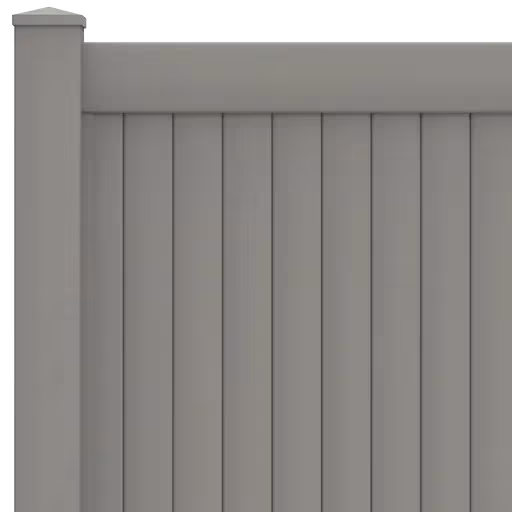
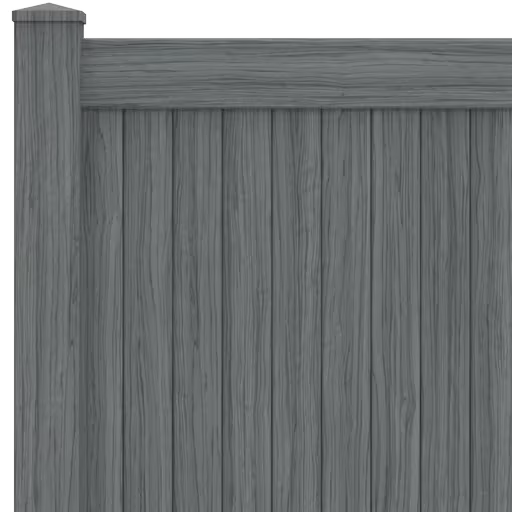
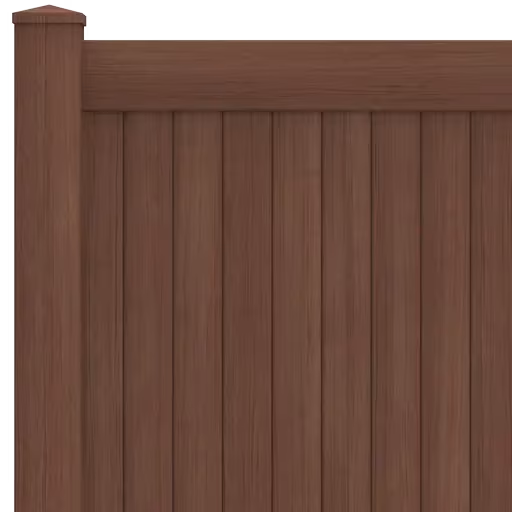
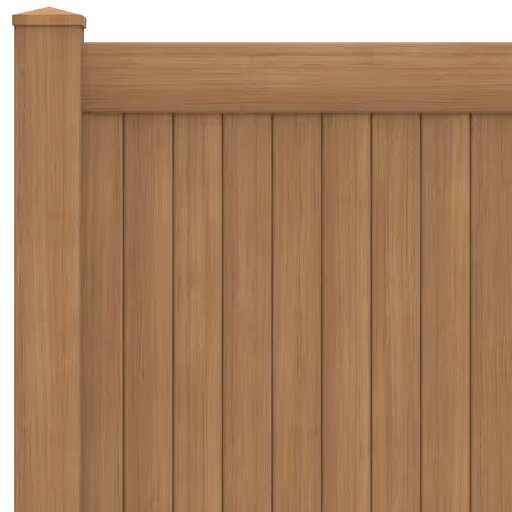
Start with the family, then the shade. A solid holds one flat tone with no pattern in the surface. A smooth wood grain carries grain you can read from across a lawn. A textured blend adds a surface you can feel with your hand. Color runs right through all of them.
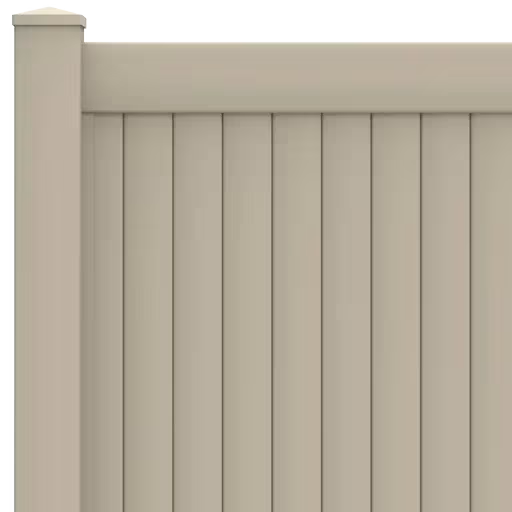
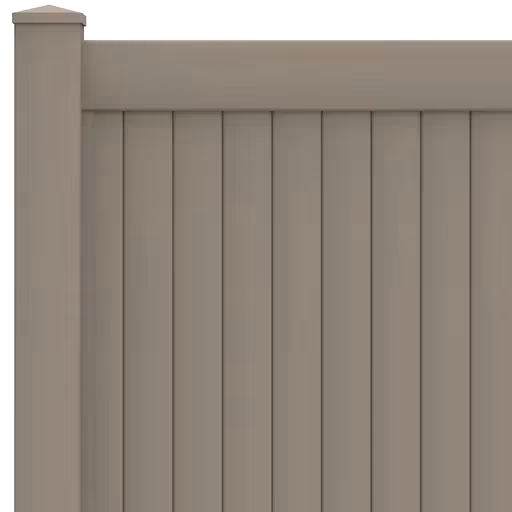
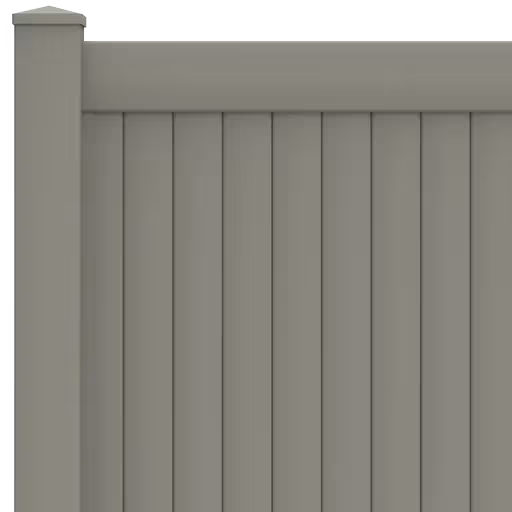
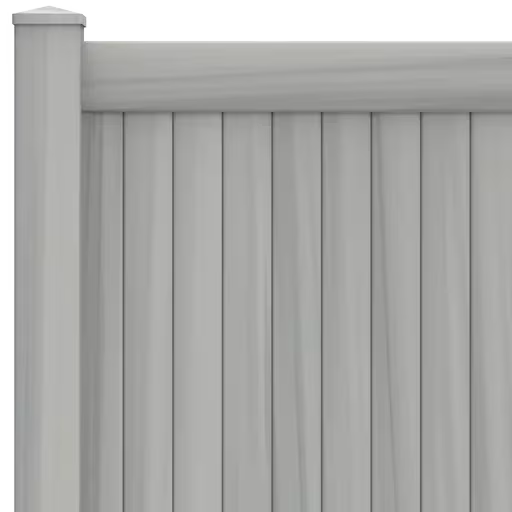
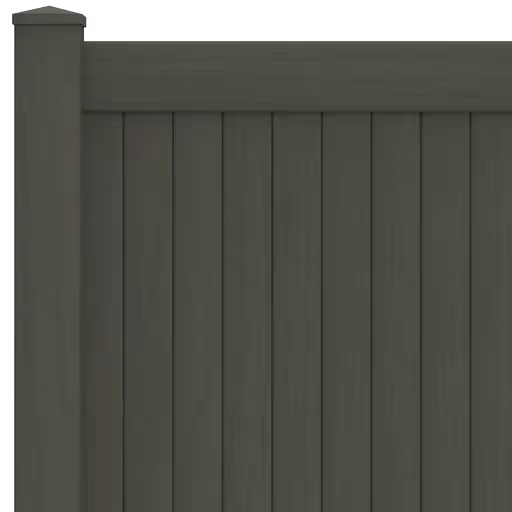
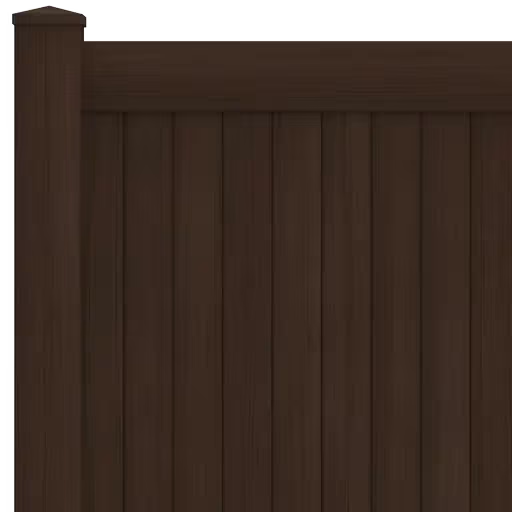
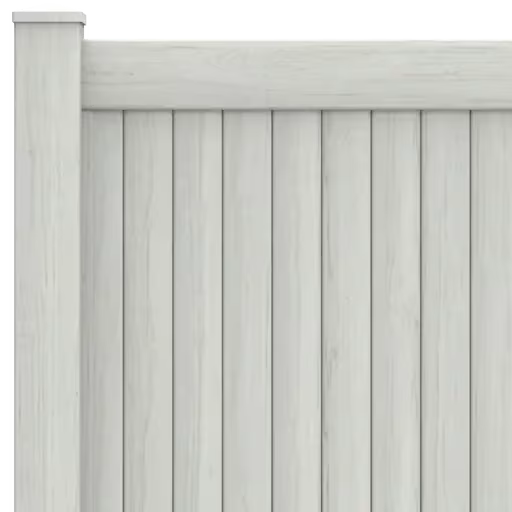
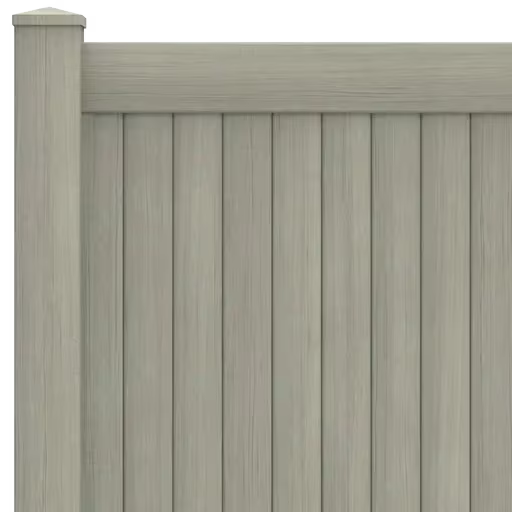
Pro Vinyl and Aluminum Fencing partners with Catalyst, one of the leading vinyl fence manufacturers in the United States. Their US-made vinyl, our custom fabrication and installation, backed by a transferable limited lifetime material warranty.

The shade is only the surface. What carries it matters just as much. We fabricate the full vinyl line in these shades, matching gates included, and we build in aluminum too, so nothing here locks you in.
White is the bright classic vinyl tone, built with a UV shield so it never yellows.
Tan gives a soft, light, warm beige that pairs quietly with almost any home exterior.
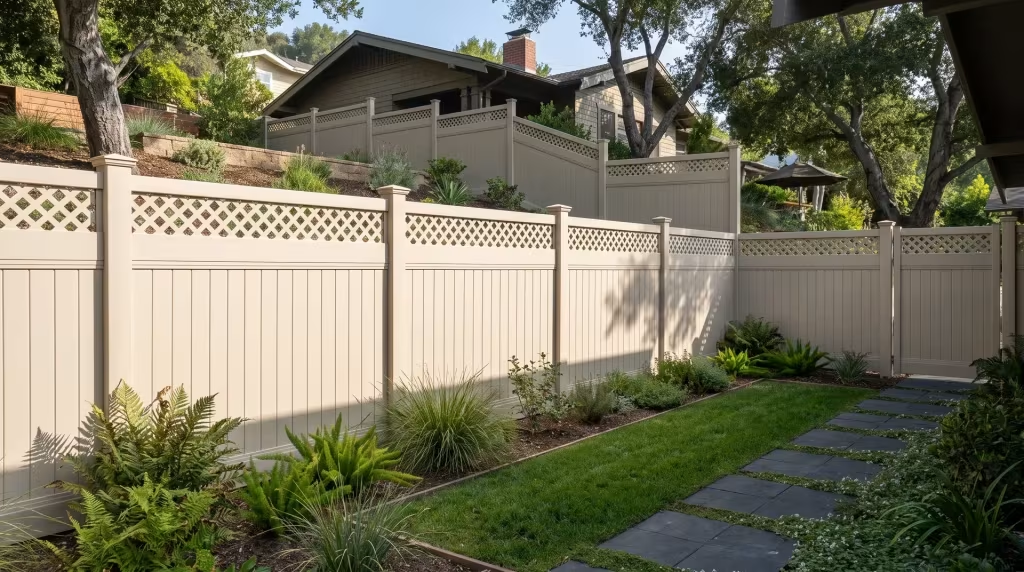
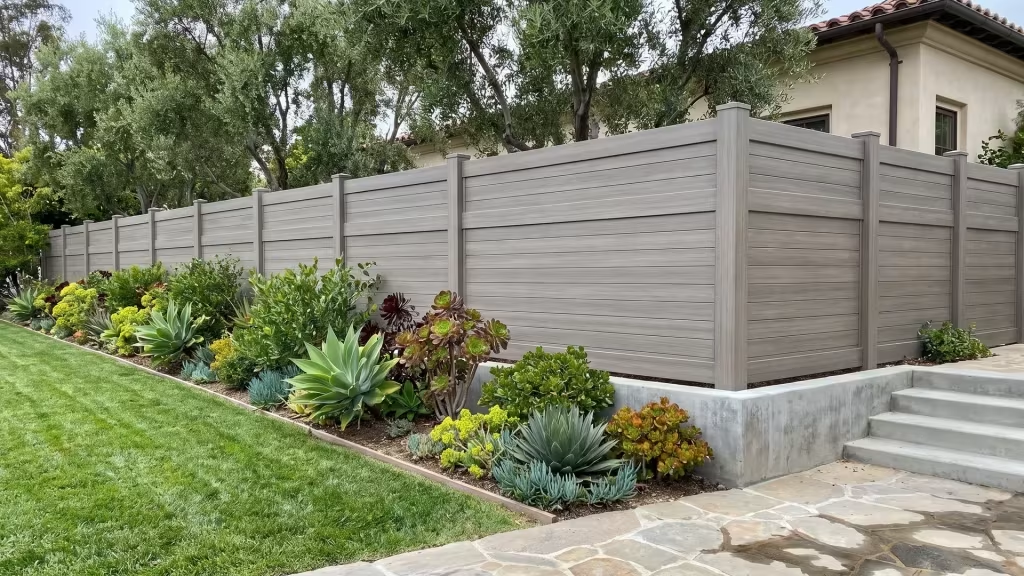
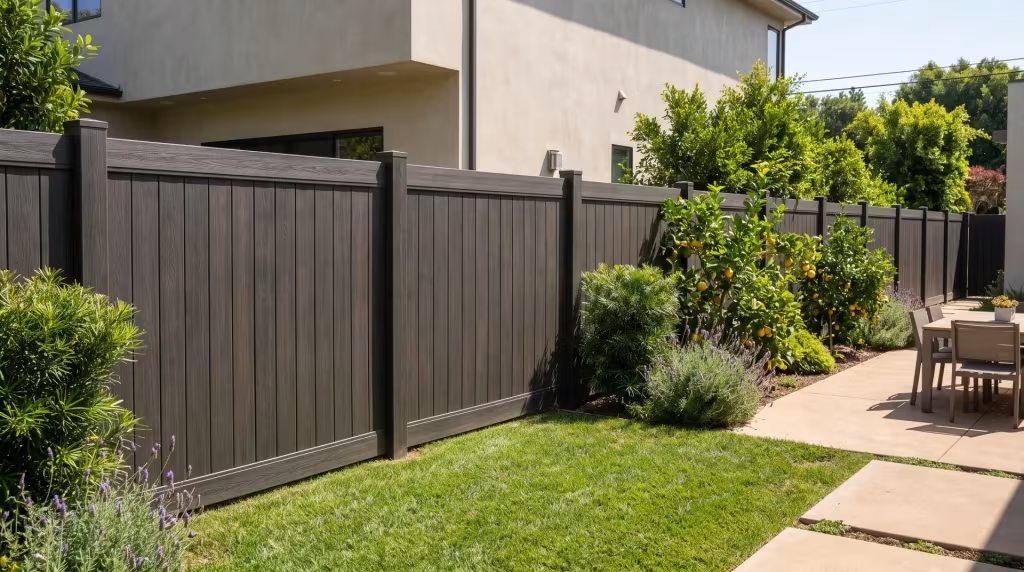
Warm wood-tone vinyl browns, ranging from a textured Sierra Blend to a deep Dark Walnut.
Clay is a warm, earthy solid tone with no wood grain, deeper and warmer than Tan.
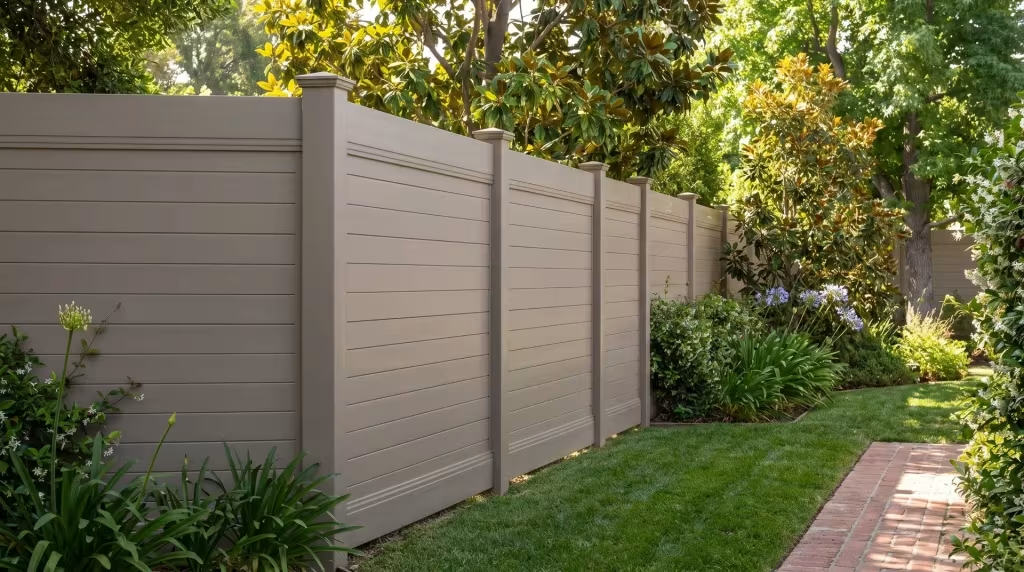
Solid Gray is a smooth, cool, modern neutral with no wood texture at all, a true even tone.
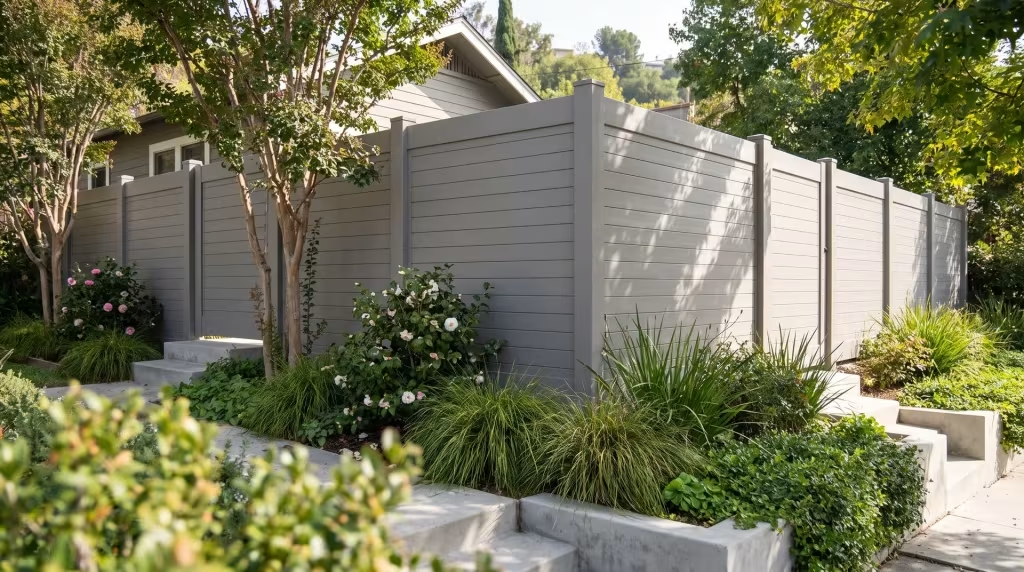
Coastal Cedar is a warm, golden cedar wood grain worked all the way through the vinyl.
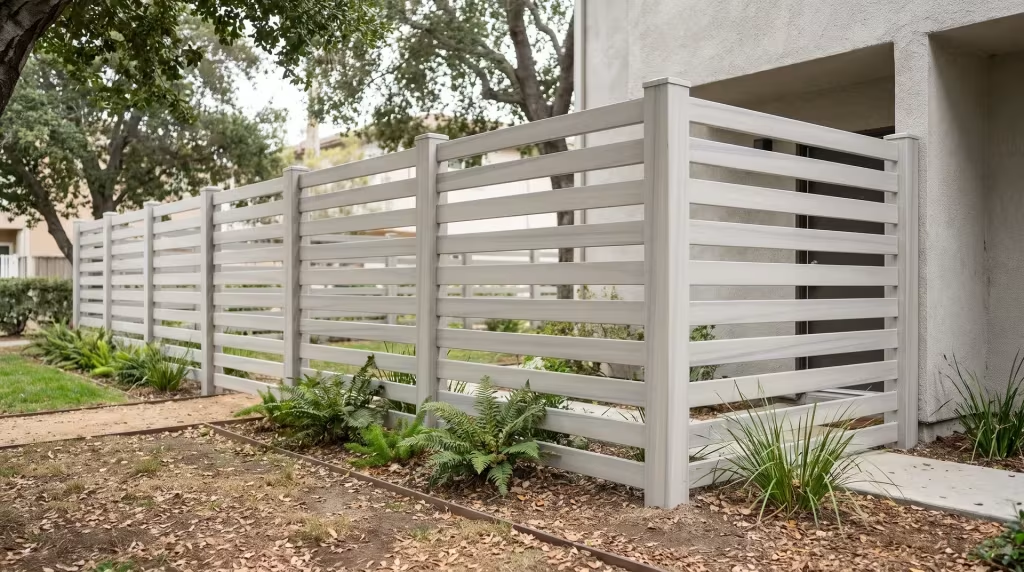
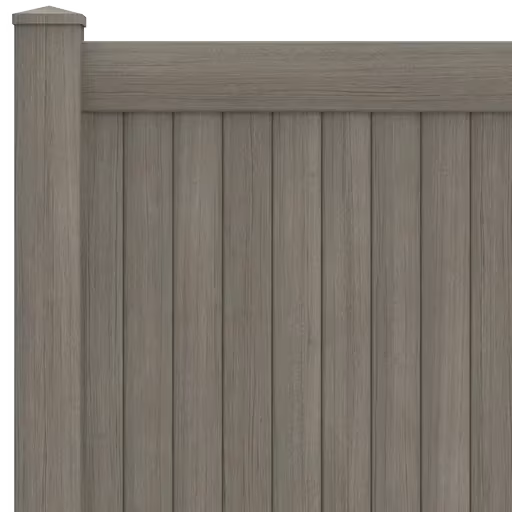
The wood grain shoppers search for as Driftwood is the color we build as Mesquite.
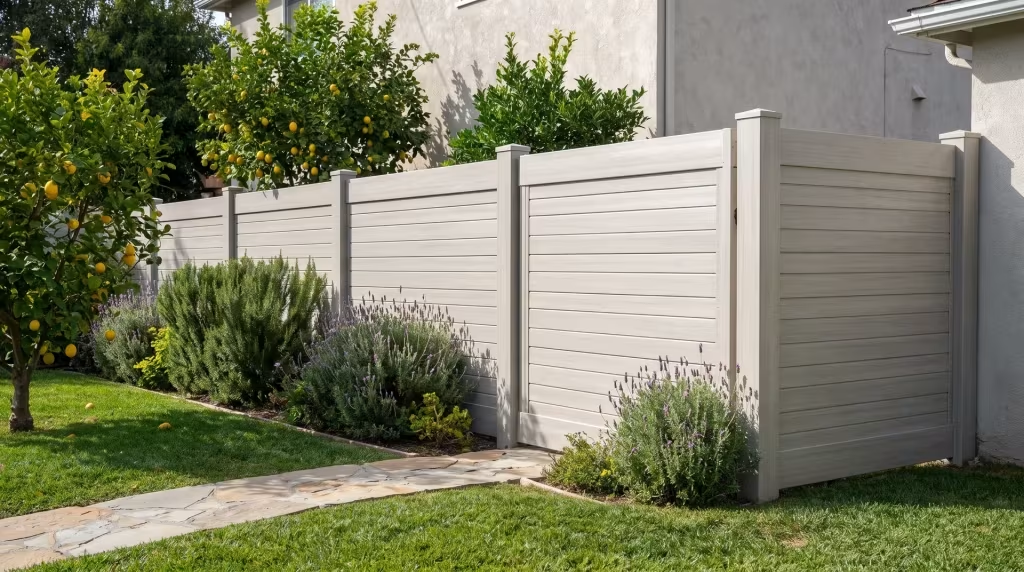
Weathered Aspen is a soft, aged gray-brown wood grain built to echo timber left outdoors.
I got three estimates for my property and Pro Vinyl Fencing won my bid hands down. The price was fair and the crew was professional, courteous, friendly, and even offered to help with moving some items for me. The job was completed on time and the results were excellent.
I am very happy with my new fence!

I had a great experience working with Mike and Jasmine at Pro Vinyl fence! They were very responsive, and quickly came out to give me a quote, which was way less than their competitors. They scheduled installation quickly and did a great job. I love my fence! Highly recommend.

I highly recommend Pro Vinyl for your fence project. They take pride in the work they do, and go to extra mile to keep their commitments. I had over a 100ft of fencing donein December.
Avag worked very hard for 2 days and the results are awesome!

All went well. My estimate (from David) included two options with all the detail needed for the build and pricing that did not change. The installer (Chris) was skilled and hard working, resulting in an excellent build.
My project included a short vinyl fence, driveway gate, and some fence topper. Recommended.

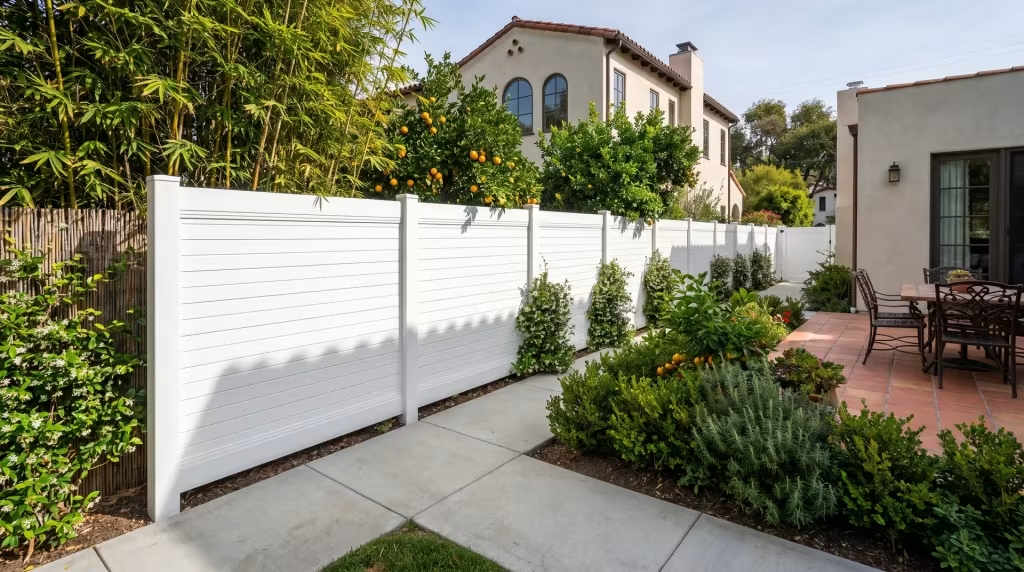
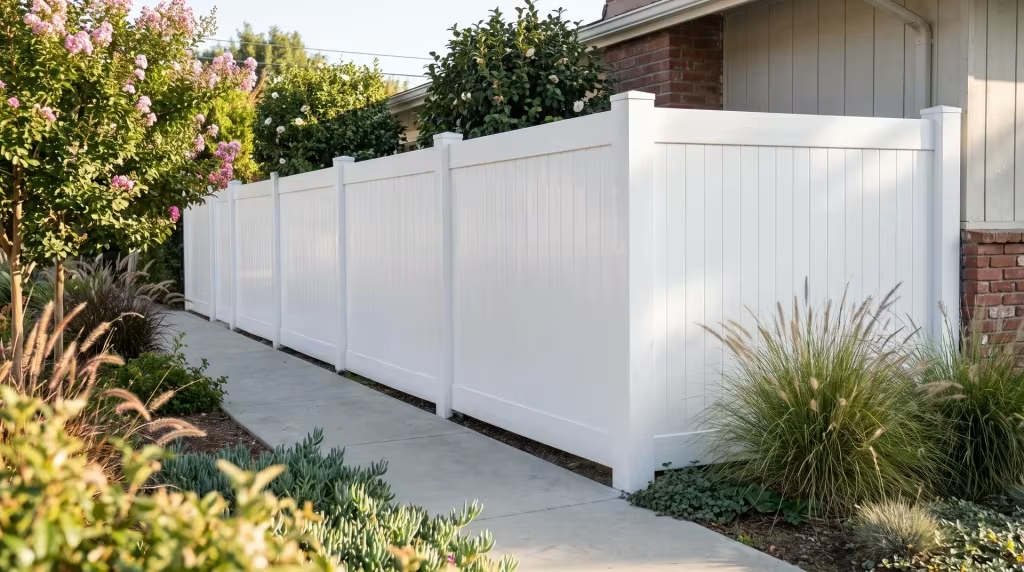
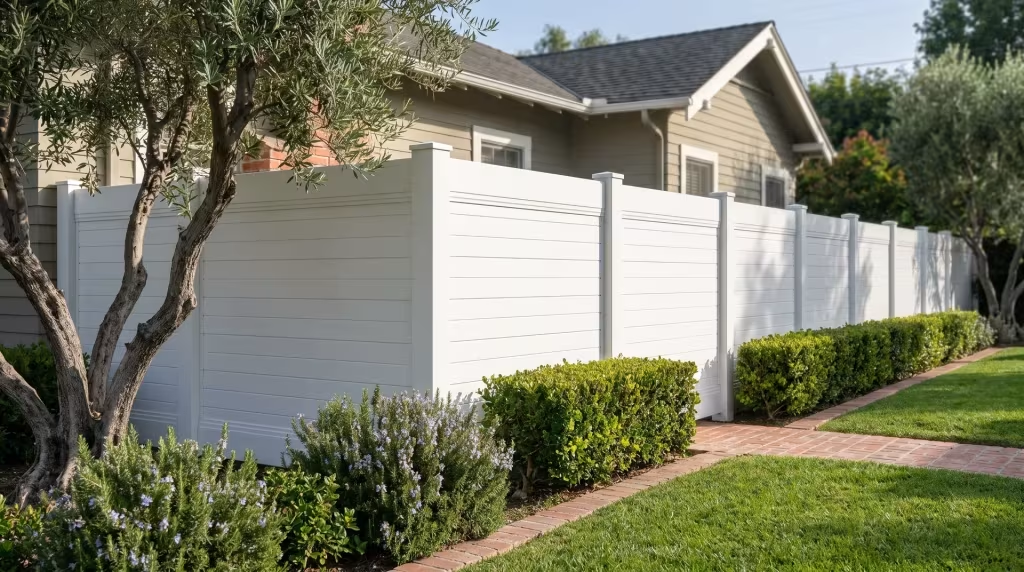
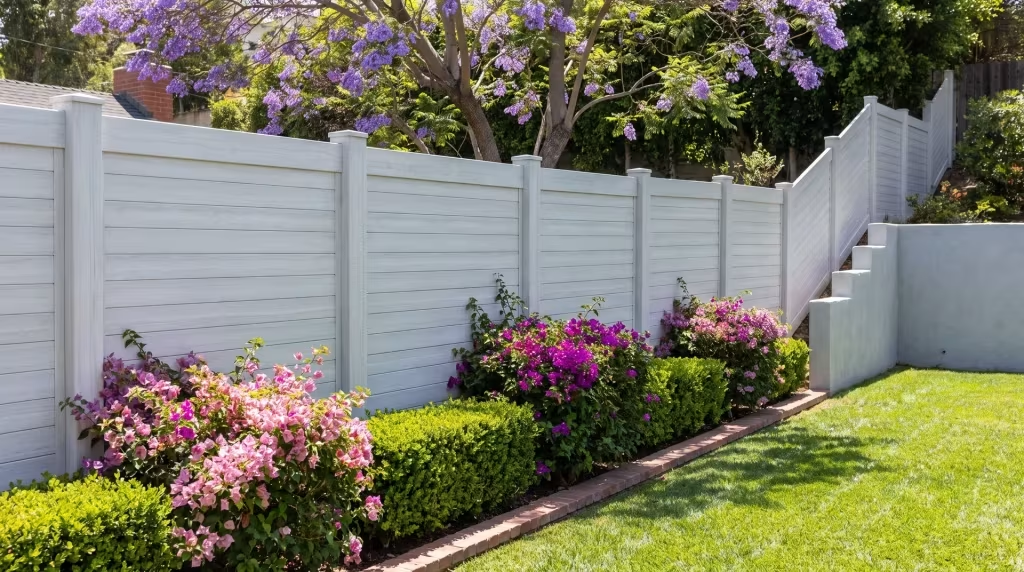
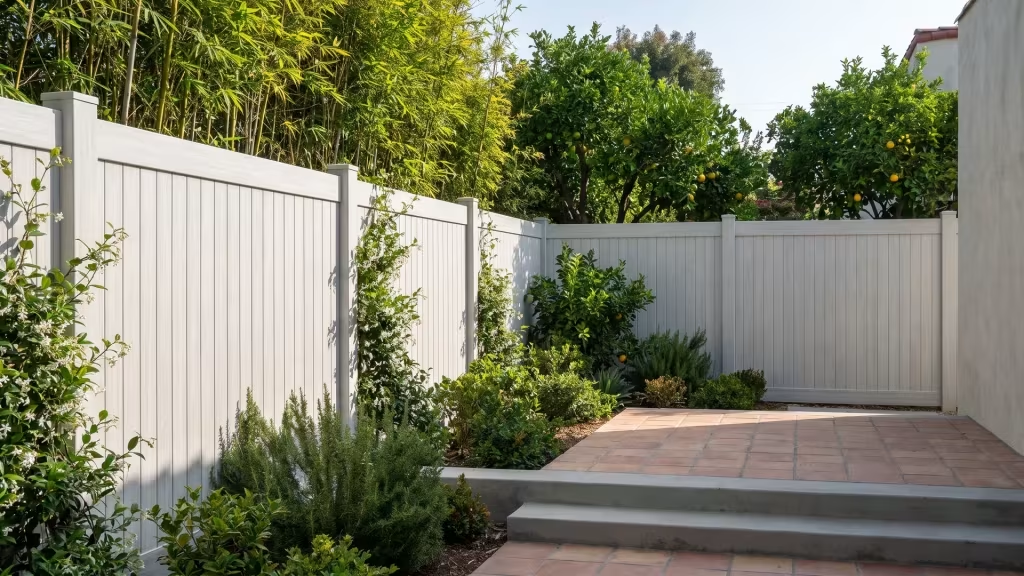
These are real fences we have built and color-matched for homeowners, from clean white privacy runs to deep wood-grain panels. Look for the finish you have in mind, see how each tone reads in daylight, and picture it along your own yard before you decide.
Across Greater Los Angeles and Ventura County, homeowners can pick from the full 14-color palette and have it color-matched to the house, the roof, or a fence already on the property. Matching gates come in the same tone, and the free estimate walks the colors with you on site.
Homeowners across the San Francisco Bay Area get the same 14 colors and the same in-house fabrication and color-matching. Pick a solid tone or a wood grain, add a gate in the matching shade, and book a free estimate to see the palette against your home.
The path from a color you like to a fence in the ground is short and clear. Pick a shade with help from the estimator, get it in writing, and let the crew fabricate, color-match, and install. Every fence is backed once it is up.
The same team runs the job in both markets, so you have one point of contact from first measurement to final walk.
An estimator walks your color options, matches tones to your home, measures the run, and hands you a real quote.
Your colors, styles, heights, and gates go in writing before any work starts, so there are no surprises later.
The crew fabricates your panels, color-matches the finish, and installs, with most home runs done in about a day.
It carries a transferable limited lifetime warranty and our 5-year workmanship warranty, plus simple care tips.
More on choosing, matching, and caring for fence colors, straight from the crew that installs them.
One fence line carries two vinyl colors, paired to secure a yard first and dress it up as the second job.
Fences blog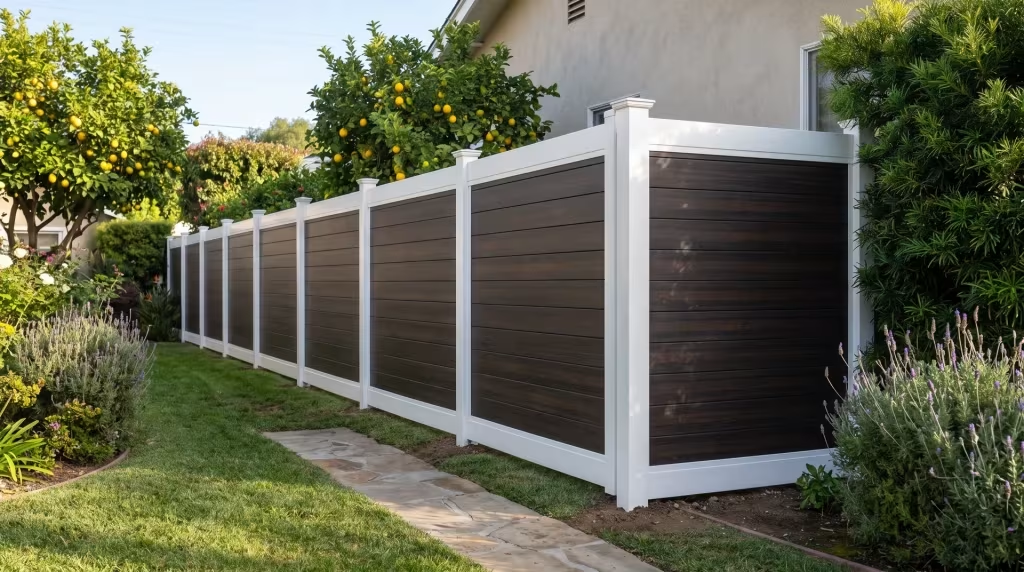
Common Questions About Vinyl Fence Colors
These are the color questions we hear most on estimates: does it fade, does a dark tone get hot, is the color real or painted, and how do you match it to a house. Straight answers are below, and if yours is not here, the team is only a phone call away.
Still choosing a color?
Talk it through with the team and get a free estimate this week.
Ours come in 14, split into three families: four Standard Solid classics like White and Gray, six Smooth Wood Grain looks like Coastal Cedar and Dark Walnut, and four TimberGrain Textured blends.
The darkest tones are Dark Walnut, Dark Sequoia, and Slate Gray; we do not build a black vinyl fence.
White and light tones fade the slowest and hold their look for many years, helped by UV stabilizers and titanium dioxide.
Darker and wood-grain colors take more sun and can show more change over time. None of it is sudden, and the color is built in, so there is no peeling paint to touch up.
Yes, honestly. A dark panel in direct sun gets warmer to the touch than a white one, and it moves a little more with the heat.
The darkest options here are Dark Walnut, Dark Sequoia, and Slate Gray; there is no true black, which would run the hottest. Lighter tones stay cooler in afternoon sun.
Built in. The color is set into the material, not sprayed on the surface, which is why you never repaint it and why it wears evenly.
Cheap coated panels fade in patches and chalk as they wear; quality vinyl keeps its tone even. You should not need to paint a good vinyl fence.
It can be one factor. A wood-grain or textured panel may sit a little above a standard solid, but color rarely decides your total.
Height, length, style, gates, and site work like slope or old-fence removal move the price far more. The free estimate gives you a real number after the site is seen.
Match it to what is already there. Your house and roof color and how much sun the fence gets point the way. A tone near your trim ties the yard together; a contrast frames a garden.
South and west runs take the most sun, so lighter tones stay cooler. The estimator helps you settle it on site.