
Why More Homeowners Are Choosing Vinyl Fencing
Fence materials age at different rates, a gap that shows only years later, once wood rots and metal rusts at the seams. Vinyl’s PVC build sidesteps both, holding shape and color long after comparable materials need replacing. Cold climates narrow that edge: brittle winter vinyl can crack where heat would flex.
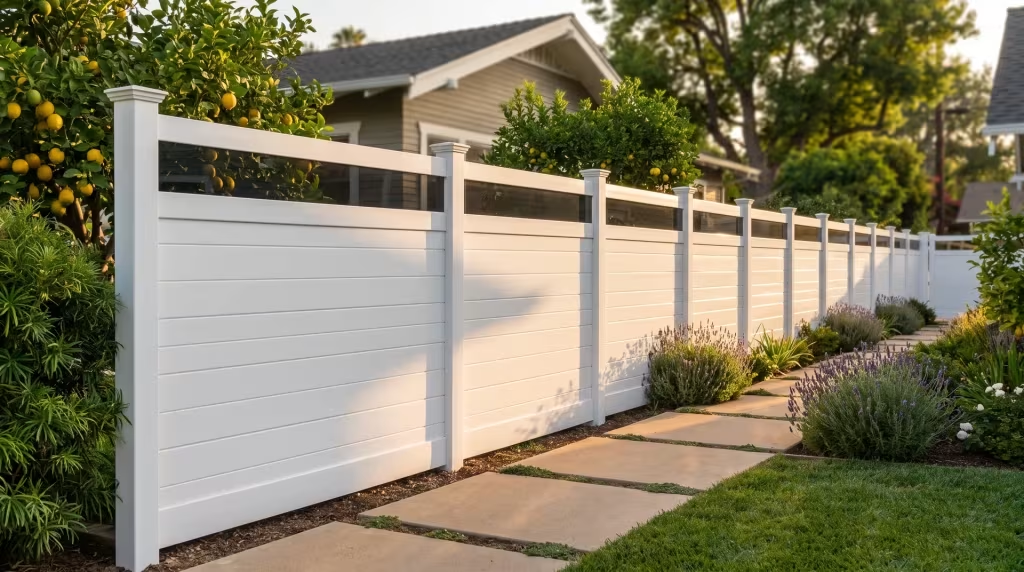
What to expect
- Vinyl typically lasts 20 to 30 years, well past wood's 10 to 15 years and metal's 15 to 20 years, since PVC resists rot, warping and rust.
- Professional installation is usually recommended since a fence can void certain manufacturer warranties if it isn't installed by a pro.
- Because vinyl's color is set at the factory and can't be repainted, a homeowner wanting a different shade later must replace the whole fence.
- Harsh winter cold can leave vinyl brittle enough that a hard knock cracks it, a tradeoff worth factoring into cold climates.
Thinking about upgrading the fence around your property? Chances are vinyl fencing has already turned up in your research. Here’s a look at why this material has become such a popular pick among property owners.
Vinyl Fences Are Showing Up on More Blocks Than Ever
The classic white picket fence used to be the default. Times have changed, and vinyl is a big reason why. Here’s what’s driving that shift:
- Exceptional durability
- Low maintenance
- Flexible styling options
- Long-term savings
- Eco-friendly materials
Below, each point gets a closer look against traditional fencing materials.
How Long a Vinyl Fence Actually Lasts
On longevity, vinyl is hard to match. A quick comparison:
- Wood fences: 10-15 years (with regular maintenance)
- Metal fences: 15-20 years (depending on the type)
- Vinyl fences: 20-30 years (or more)
Rot, warping, and the pests that go after wood don’t touch vinyl. It won’t rust the way metal can, either. In practical terms, your fence could outlast your mortgage and save you money along the way.
The durability comes down to what it’s made of. Vinyl fencing is PVC, polyvinyl chloride, a synthetic plastic polymer that resists moisture, won’t corrode, and holds its structural integrity through temperature swings.
Wood tells a different story. A new wooden fence looks great, but it’s fighting the elements from day one. Rain and humidity make it swell and warp. Strong sun dries it out until it cracks and splits. Termites and other wood-boring insects treat it as a food source.
Vinyl shrugs off all of that. It doesn’t absorb moisture, so swelling and warping aren’t an issue. UV inhibitors built in during manufacturing guard against sun damage. And insects have no interest in PVC.
Skip the Weekend Upkeep Wood and Metal Demand
One of the biggest draws is how little upkeep it needs. No painting, staining, or sealing. An occasional rinse with the garden hose is about all it asks for.
Things a vinyl fence won’t have you doing:
- Painting or staining every year
- Inspecting for rot or insect damage
- Replacing warped or split boards
- Tightening loose nails or screws
That’s time you get back for actually using your backyard instead of maintaining it.
Wood asks for more than people expect. It needs regular inspection for wear, and every few years a fresh coat of paint or stain to protect it and keep the look up. That’s a weekend or two of real work, plus the cost of materials.
Metal isn’t much easier. It needs painting less often than wood, but it’s prone to rust, particularly in humid climates or near the coast, and rust spots have to be caught and treated quickly before they spread.
Vinyl just needs a wipe-down now and then. Soap and water handle most dirt, and a mild household cleaner takes care of tougher stains. No special skill or tools involved.
Styles and Colors Have Come a Long Way
Modern vinyl fencing isn’t the plasticky look some people picture. Current options span styles and colors that suit just about any home:
- Vinyl picket fences, for a timeless, charming look
- Vinyl privacy fences, for your own backyard retreat
- Vinyl ranch rail fencing, suited to larger properties
- Vinyl lattice fencing, a decorative touch for gardens
Custom designs and colored vinyl are on the table too, so matching your home’s look isn’t a problem.
A closer look at each style:
Picket fences suit anyone after a classic, all-American look. Picket styles and spacing vary widely, from a quaint cottage feel to something more modern and streamlined.
Privacy fences create a secluded backyard retreat. Heights typically run from 4 to 8 feet, and some designs add lattice tops or decorative post caps for visual interest.
Ranch rail fencing, also called horse fencing or post-and-rail fencing, works well on large properties or rural settings. It marks a boundary without blocking the view, and comes most often in 2, 3, or 4-rail configurations that are both functional and good-looking.
Lattice fencing adds a decorative touch, whether on its own in a garden or as an accent to solid fencing. It offers partial privacy while still letting light and air through, and it works well for supporting climbing plants.
White is still popular, but it’s far from the only choice. Modern vinyl comes in a range of hues, from subtle earth tones to bolder statement colors, and some manufacturers offer wood grain textures that mimic painted or stained wood.
What Vinyl Costs Now Versus Over Time
Here’s the math. Vinyl can cost more upfront, but the long-term savings are where it earns its keep:
Initial cost (per linear foot):
- Wood: $10-$30
- Metal: $20-$100
- Vinyl: $20-$40
Factor in 20 years of maintenance, and the picture shifts:
- Wood: $2,000-$4,000 (staining, sealing, repairs)
- Metal: $500-$2,000 (painting, rust prevention)
- Vinyl: $0-$100 (occasional cleaning)
Looked at that way, vinyl starts to look like the bargain.
The numbers are worth unpacking further. Vinyl’s sticker price looks high next to wood, but that upfront cost pays for itself over time.
A wooden fence carries costs beyond the initial install: stain or paint every few years, boards replaced once they rot or warp, and sometimes treatment for insect infestations. Those costs add up fast over the life of the fence.
Metal, wrought iron especially, can cost even more going in. It needs less upkeep than wood, but it’s not maintenance-free either. Rust is a real issue, and keeping the fence in good shape means sanding and repainting.
Vinyl asks for almost nothing after installation. No painting, no rotted boards to replace, no rust to treat. Just the occasional cleaning, doable yourself with basic household supplies.
Because it lasts longer, too, a full replacement within a couple of decades becomes less likely, which only adds to the savings.
The Environmental Side of Choosing Vinyl
Vinyl might surprise the eco-conscious homeowner. It’s recyclable, and its longevity means fewer resources used over time compared to replacing wood fences again and again. It also skips the preservatives often applied to wood, some of which are harmful.
A few specific angles worth covering:
Recyclability: A vinyl fence has a long lifespan, not an infinite one. Once it does reach the end of the road, it can be recycled. The PVC gets ground up and turned into new vinyl products, which cuts down on waste.
Resource Conservation: A fence that lasts this long lowers the ongoing demand for new fencing material, which means fewer trees cut for wood fences and less metal mined for iron ones.
Chemical Use: Wood fences are often treated with preservatives to extend their life, and those chemicals can leach into the soil over time. Vinyl skips that step, so nothing harmful gets introduced into your yard’s ecosystem this way.
Manufacturing Process: Producing vinyl does carry its own environmental impact, worth being upfront about. That said, manufacturing improvements keep shrinking that footprint, and some manufacturers now use recycled material in their vinyl fencing.
Energy Efficiency: Vinyl fencing can play a small role here too. Light-colored panels reflect sunlight, which can help lower cooling costs for nearby buildings.
Should You Install It Yourself or Hire a Pro
Plenty of home projects suit a DIY approach, but vinyl fence installation can trip people up. Getting it right matters for stability and how long it lasts, so unless you’re genuinely handy, professional installation is usually the safer bet.
A few reasons that recommendation holds up:
- Precision Matters: Vinyl fencing calls for precise measurements and leveling. Small errors can leave gaps or an uneven line.
- Specialized Tools: Professional installers bring tools built for the job, which makes the work easier and more precise.
- Local Code Knowledge: Professionals know local building codes and permit requirements, so your fence stays compliant.
- Warranty Considerations: Some manufacturer warranties are voided if a fence isn’t professionally installed.
- Time and Effort: Putting up a fence is a bigger job than it looks. Professionals get it done faster, which saves you time and hassle.
If you go the DIY route anyway, research the process thoroughly and have a plan before you start. Manufacturers often provide detailed installation instructions, and plenty of resources exist online.
Vinyl Against Wood and Metal, Side by Side
Up Against Wood
Up Against Metal
| Vinyl Pros | Vinyl Cons | Metal Pros | Metal Cons |
|---|---|---|---|
| No rusting or corroding Lighter weight Often more affordable than high-end metal | Not as strong as metal Can fade over time (though this has improved) | Extremely durable Variety of styles Can be very ornate | Can rust (except aluminum) Often more expensive Heavy and difficult to install |
Other Places Vinyl Shows Up Around the Yard
Vinyl isn’t limited to perimeter fences. It also shows up in:
- Garden arbors
- Pergolas
- Deck railings
- Pool enclosures
Each of these benefits from the same durability and low upkeep as a vinyl fence.
That versatility goes further still. A few more applications:
- Outdoor Furniture: Vinyl works well for outdoor furniture: weather-resistant, easy to clean, and available in plenty of styles.
- Planters: Vinyl planters are lightweight and durable, and they don’t rot the way wooden planters can.
- Playground Equipment: Its smooth, durable surface makes vinyl a safe choice for children’s play areas.
- Mailbox Posts: A vinyl mailbox post holds its appearance far longer than a wooden one and never needs repainting.
Where Vinyl Falls Short
Vinyl has plenty going for it, but it isn’t flawless:
- It can crack under a hard impact, especially in cold weather
- The color is set for good and can’t be changed
- It isn’t biodegradable, though it is recyclable
- Some homeowners still prefer the natural look of wood or metal
Worth unpacking each of these:
Cold Weather Performance: In very cold temperatures, vinyl gets brittle and more prone to impact damage, worth keeping in mind if your winters run harsh.
Color Permanence: Wood can be repainted; vinyl can’t, since its color is set at the factory. Wanting a different color later means replacing the whole fence.
Environmental Concerns: Vinyl is recyclable but not biodegradable, so any of it that ends up in a landfill stays there a very long time.
Aesthetic Preferences: Vinyl’s looks have improved, but some homeowners still favor traditional materials. Wood especially has a warmth and character some people consider irreplaceable.
Repair Challenges: Damage a section of vinyl fencing, and you’re often replacing a whole panel, not just a board or two the way you might with wood.
Picking the Right Material for Your Property
A few things worth weighing before you decide on a material:
- Your main goal: privacy, security, or decoration
- Your short-term and long-term budget
- How much maintenance time you’re willing to put in
- Your local climate
- Your home’s architectural style
A handful of other factors matter too:
Neighborhood Aesthetics: Some neighborhoods restrict fencing materials or styles. Check with your homeowners’ association or local zoning office before deciding.
Property Value: Different fencing options affect property value differently. The right fence can boost curb appeal and potentially raise your home’s value.
Future Plans: Planning to sell soon? A low-maintenance vinyl fence can work as a selling point. Enjoy home improvement projects instead? Wood’s customization options might suit you better.
Local Availability: What’s readily available in your area affects both the initial cost and how easy future repairs will be.
Where Vinyl Fencing Is Headed
Vinyl fencing keeps evolving, with improvements like:
- Enhanced UV resistance for better color retention
- Textured finishes mimicking wood grain
- Eco-friendly options made from recycled materials
Those changes should only make vinyl a more attractive option in the years ahead.
Further along, expect more advances in vinyl fencing technology:
Smart Fencing: Integration with home security systems, built in through sensors or cameras.
Improved Eco-Friendliness: More manufacturers turning to recycled materials and more sustainable production methods.
Advanced Customization: 3D printing technology that could allow for highly customized fence designs.
Self-Cleaning Coatings: Coatings in development that repel dirt and grime, cutting maintenance down even further.
So, Is Vinyl the Right Call?
For most homeowners, vinyl combines durability, low maintenance, and style in a way that’s hard to beat. The upfront cost runs higher, but the long-term benefits tend to outweigh that initial investment.
A fence is more than just a boundary: it’s an investment in your property and lifestyle. Choose wisely, and you’ll enjoy the benefits for decades to come.
Whether you go with a classic picket fence, a sturdy privacy fence, or a sleek ranch rail fence, you’re combining looks with practicality. Vinyl fencing is built to last, asking little upkeep while holding its appearance year after year.
As you weigh your options, factor in your specific needs, your local climate, and your long-term plans for the property. Vinyl fencing won’t be the perfect fit for every situation, but its advantages make it a strong contender for most residential projects.
In the end, the right fence meets your practical needs, complements your home’s style, and fits your budget, both initially and over time. For many homeowners, vinyl checks all those boxes and more: the classic appeal of a well-defined property line combined with the modern convenience of a low-maintenance, long-lasting material.
So as you plan your fencing project, give vinyl serious consideration. It might be exactly the solution you’ve been looking for: a fence that defines your space and stands the test of time, come rain or shine, season after season.
Frequently asked questions
Horizontal reads modern and contemporary, and it has settled in as an established, lasting choice for mid-century and low, wide facades.
In molded-through vinyl the look holds without fading or upkeep, so the style lasts as long as the fence does.
Height, design complexity, the site and its slope, old-fence removal, gates and accessories, your color and material choice, and total run length all move the price on a custom job.
That is why we do not post a per-foot number, a real quote takes a visit. The estimate is free and comes back fast.
No. The X is a curb-appeal statement for ranch-style front yards, driveway entrances, and large lots, and plenty of the crossbucks we build never fence an animal.
It also suits pastures, splinter-free and untreated, though horses will chew vinyl and busy paddocks should plan for it.
The direction of the boards. Horizontal runs them side to side for a low, wide, modern line; vertical stands them upright for the traditional cottage look.
Both are spaced pickets with open gaps, so the real choice comes down to the orientation and the mood you are after.