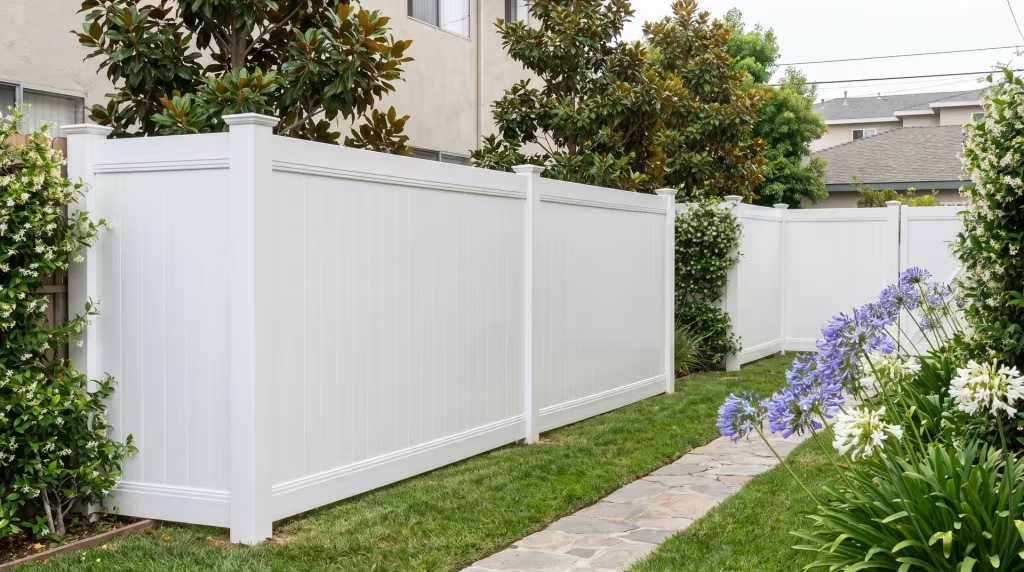
Vinyl Semi-Privacy Fencing
Close-set boards soften the sightline into the yard while air and daylight still pass freely through the gaps.
Call Now: (844) 744-0707

A vinyl pool fence is a permanent safety barrier that stands between the water and the rest of your yard, built solid and low-gap so a small child cannot slip through or climb over it, and sized to California’s pool-code height.
You get the real California numbers here, not a code-friendly slogan: a licensed fabricator and installer since 2018, carrying 500+ five-star reviews, building your pool barrier to code and saying straight which vinyl styles qualify. Your first on-site estimate is free.
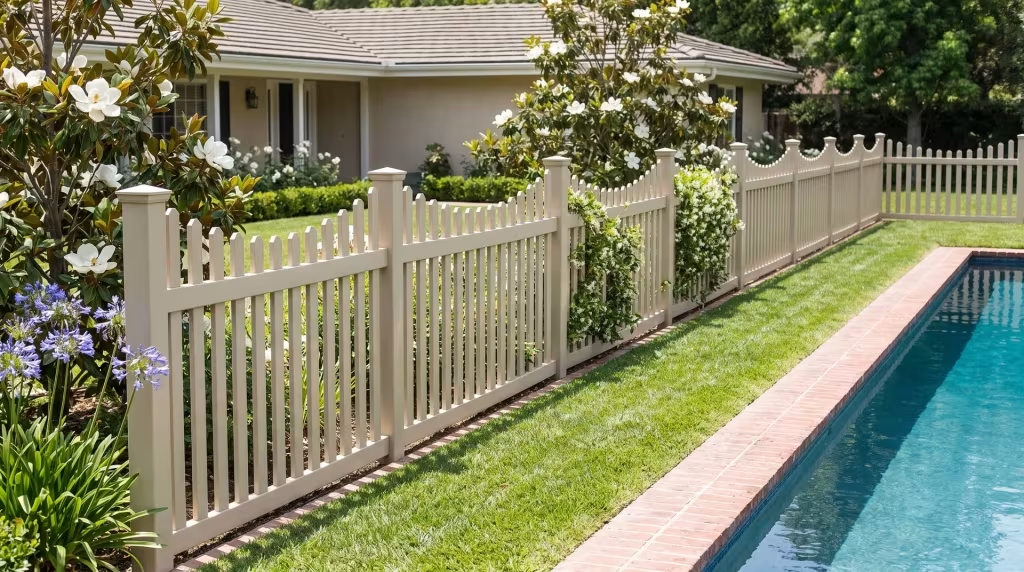
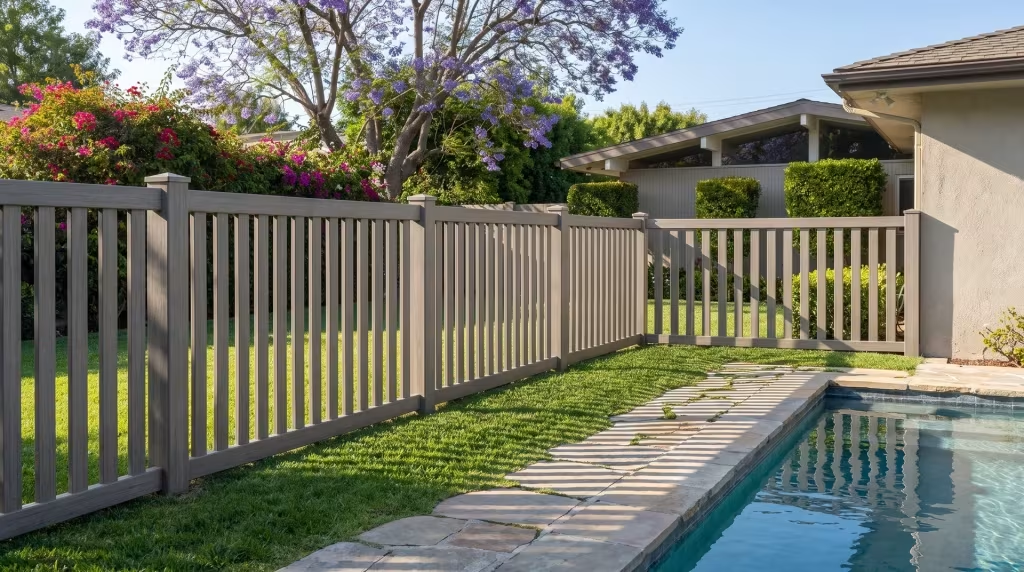
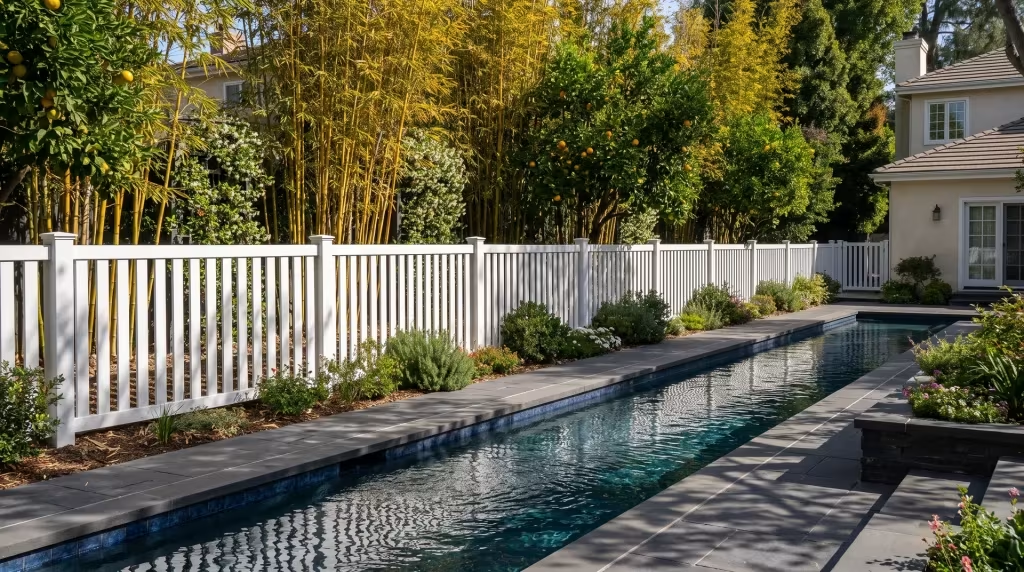
A solid vinyl pool fence is a code-height barrier with no climbable gaps and a self-closing gate that swings away from the water.
Below you will find the exact rules: how tall the fence has to be, which vinyl styles qualify, what the gate needs, and how the fence fits your pool permit. Then a free on-site estimate puts a number on it.
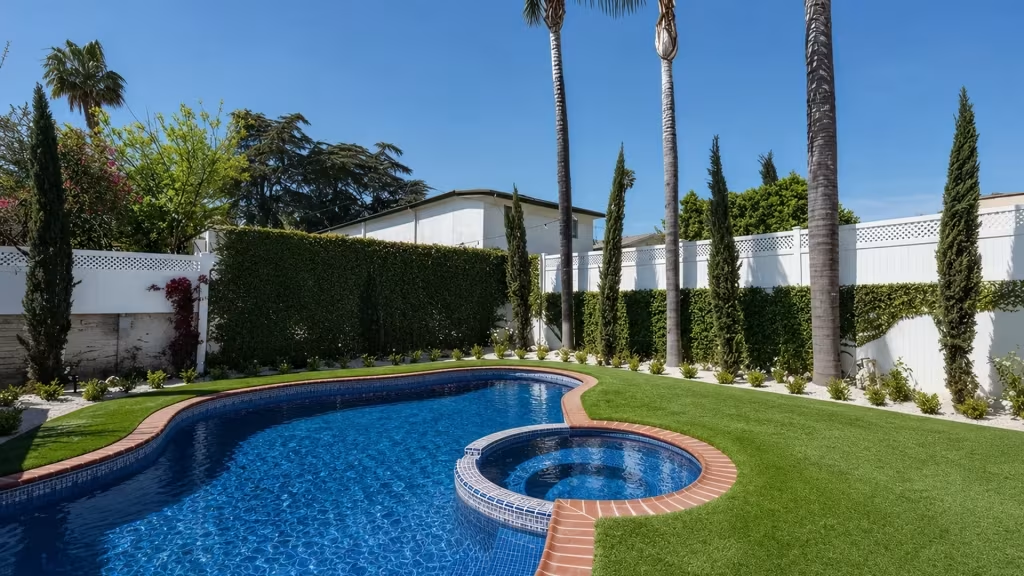
California law sets four numbers for a residential pool barrier; a solid vinyl fence meets all four.
| Requirement | The number | What it means |
|---|---|---|
| Height | 60 inches minimum | Measured on the side away from the pool |
| Ground gap | 2 inches maximum | Bottom sits close to grade |
| Openings | Under 4 inches | No gap passes a 4-inch sphere |
| Face | Non-climbable | No footholds or handholds outside |
Removable mesh and glass are recognized alternatives we do not build. Rules also shift by city, so confirm yours locally.


A solid privacy panel is the compliant choice: no opening a sphere can pass, and an outer face too smooth to grab. A standard spaced picket will not: its rails are climbable and its gaps run wider than code allows. A picket profile passes only if it is built to the spacing rule.
The Building Code splits it two ways: rails under 45 inches apart go pool-side with verticals no more than 1.75 inches; rails 45 inches or more apart allow up to 4 inches. Either way it reaches 60-inch height, stays non-climbable, and your city has the final say.
| Vinyl style | Passes pool code? | Why |
|---|---|---|
| Solid privacy panel | Yes | No openings, non-climbable face |
| Standard spaced picket | No | Wide gaps, climbable rails |
| Picket built to spec | Only if to code | Verticals 1.75 in, non-climbable |
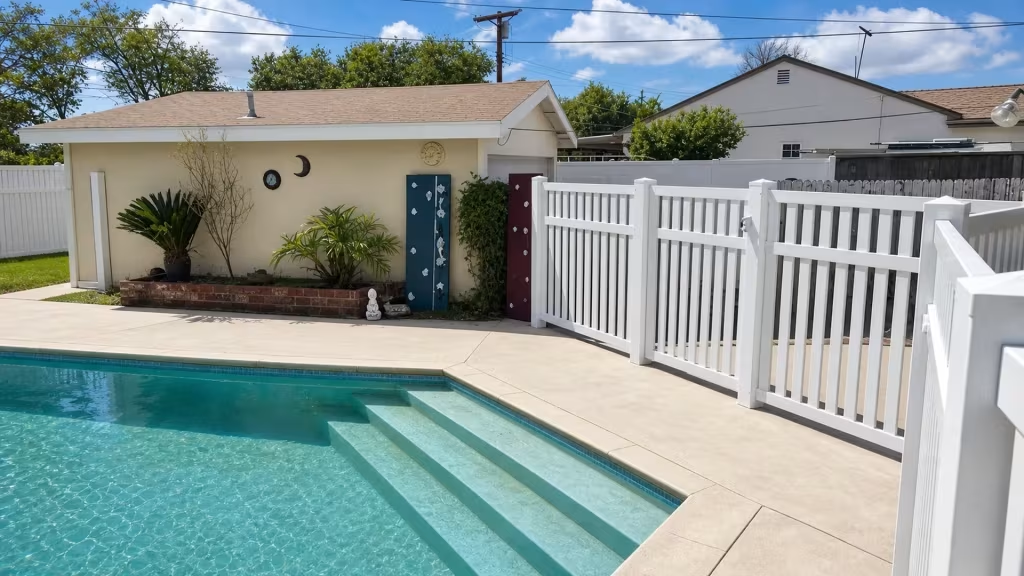
The gate is where most barriers pass or fail inspection. It swings away from the water, closes on its own, and self-latches, with the release no lower than 60 inches above grade, unless set pool-side under the tighter rule.
Our pool gate is a vinyl-clad metal frame matched to the fence, built for self-closing and self-latching hardware, never motorized. Deeper gate mechanics belong to the vinyl gate line; here, gate and fence pass as one barrier your inspector signs off on.
For a new or remodeled home pool, California asks for more than a fence. At permit time, the pool must carry at least two of seven drowning-prevention features, and a code fence with its self-latching gate is the strongest. The rest run from a safety cover to alarms on doors, windows, or the pool.
We build the fence and gate to code, but no barrier on its own clears the whole enclosure; that is the inspector’s call against the full 2-of-7 list. The law is the same in both markets we serve, and your city runs the inspection, so verify locally.
Yes, and this is where vinyl earns its spot. PVC shrugs off constant splash, chlorine, and salt-system water without rusting, corroding, or rotting, so the barrier around your pool stays sound for years. Sun is the other poolside enemy, and this vinyl is made not to yellow, so a white fence stays bright season after season.
Care is a rinse with mild soap once or twice a season, no paint or stain. The honest trade: vinyl runs a higher upfront price than a plain wood fence, and a damaged panel is fixed by the section, a fair deal for a barrier built to sit next to the water.
Your barrier is fabricated to your yard, not pulled off a shelf. The vinyl runs from 2 feet up to 8, plus custom heights, and a pool run starts at the 60-inch, or 5-foot, minimum. It comes in 14 colors, White and Tan the usual poolside picks, and every run gets a matching gate. As a local fabricator, we take odd heights and small jobs others pass on.
The cheapest pool fence is often removable mesh, which is temporary; a real vinyl fence is priced by footage, height, gates, and site, so we measure and quote it free, with Synchrony at zero down. The vinyl comes with a transferable limited lifetime warranty, plus our own 5-year workmanship, backed by 500+ five-star reviews.
Sun off the water is the light you will see this barrier in, and most people answer it pale. White and Tan carry the majority of pool jobs. Darker and grainier tones stay open if the yard leans that way. Color runs inside the vinyl, so a scrape from a deck chair never flashes white.
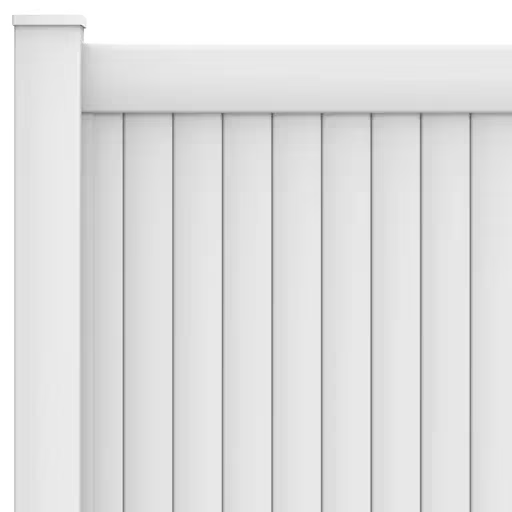
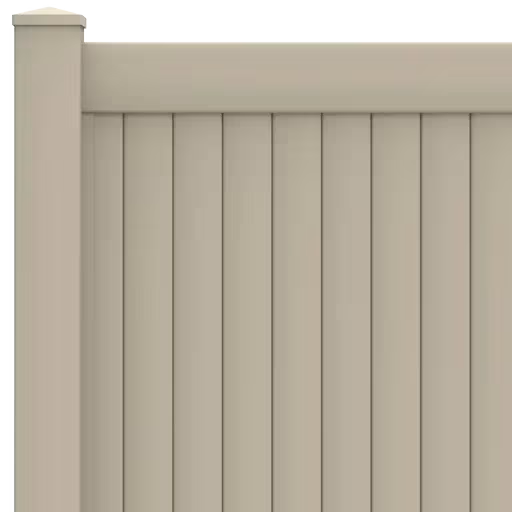
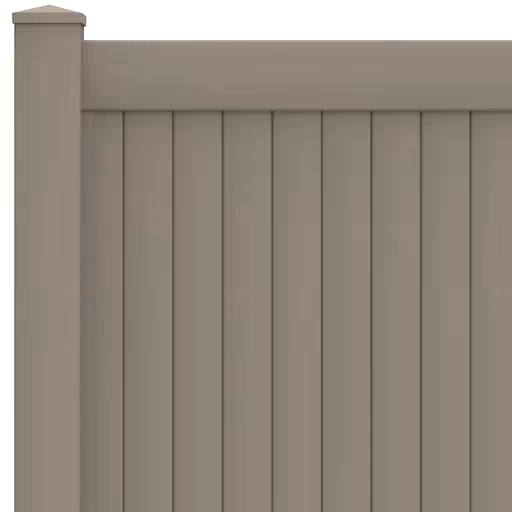
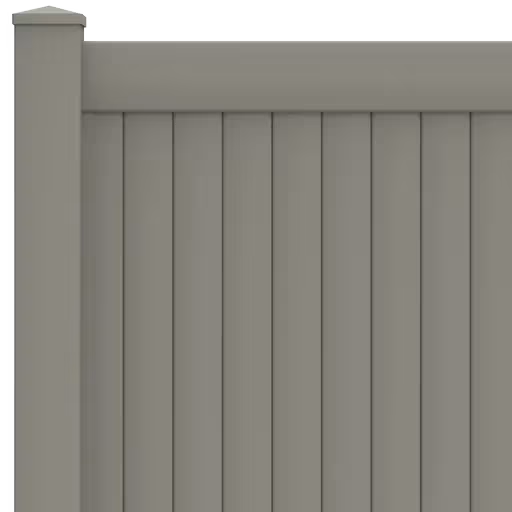
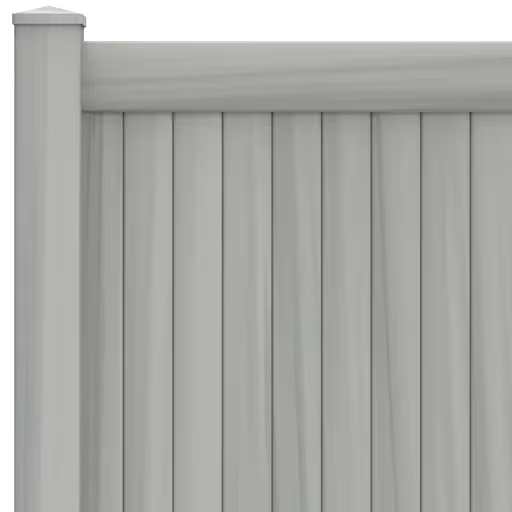
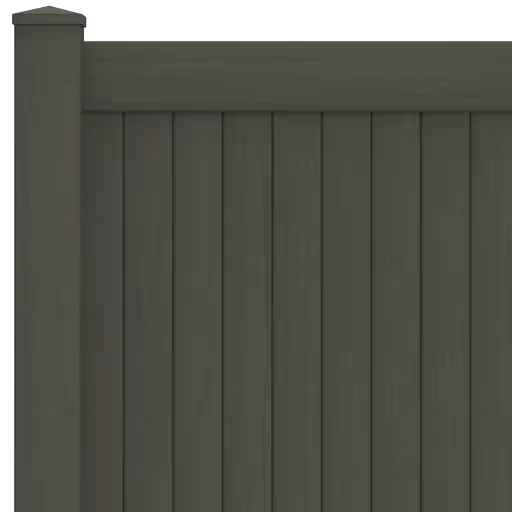
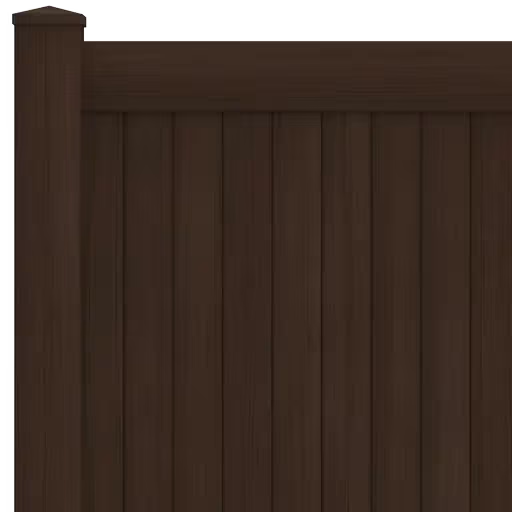
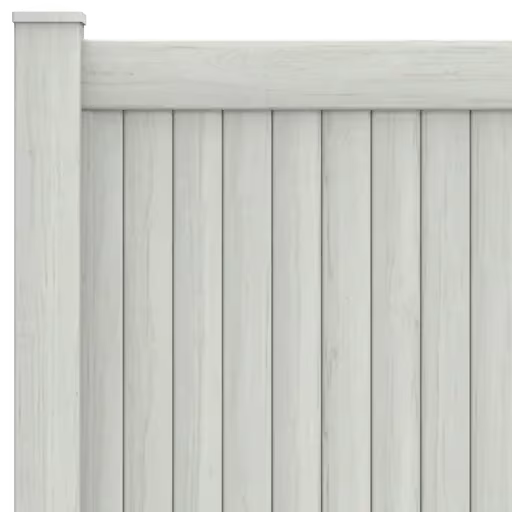
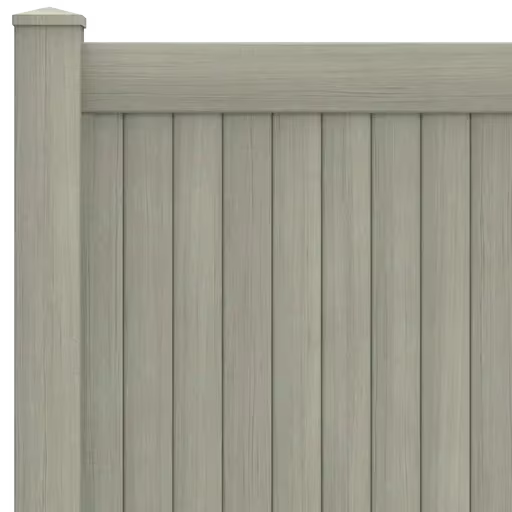
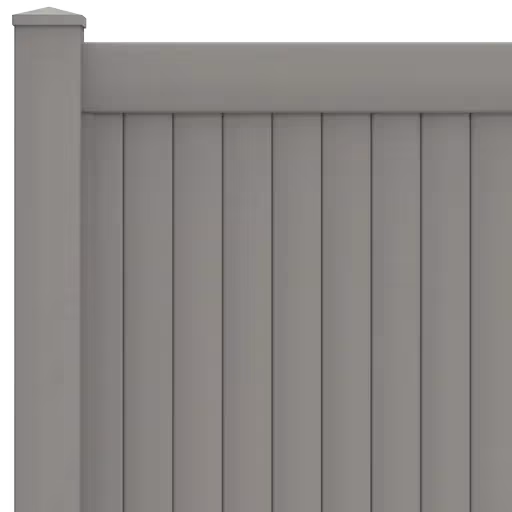
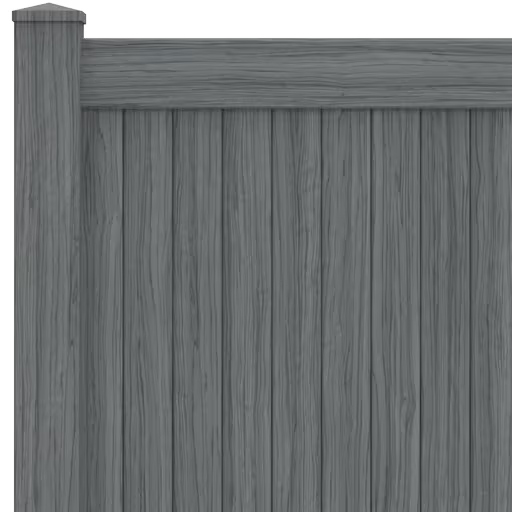
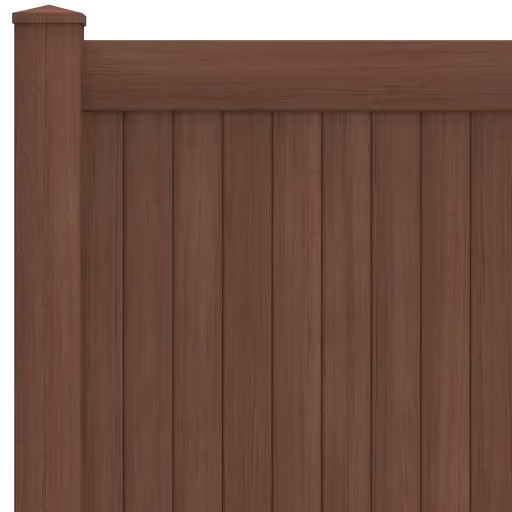
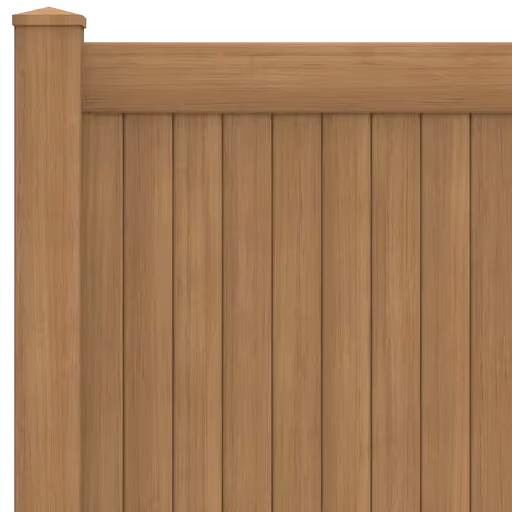
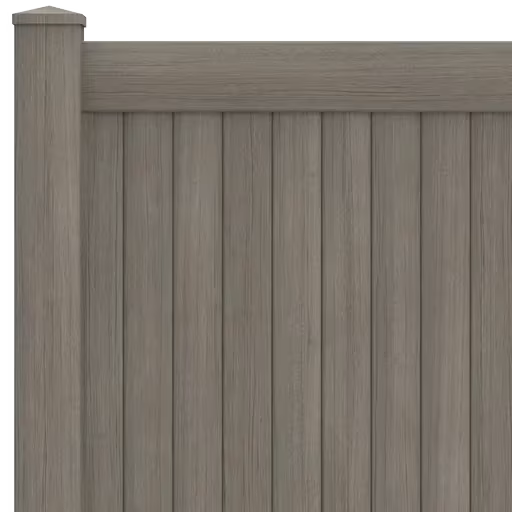
Pro Vinyl and Aluminum Fencing partners with Catalyst, one of the leading vinyl fence manufacturers in the United States. Their US-made vinyl, our custom fabrication and installation, backed by a transferable limited lifetime material warranty.

A barrier around water is rarely the only fence a property needs. We put in the boundary runs, the pedestrian and driveway gates, and the screening that closes off everything past the pool. Two materials, one install crew.
Close-set boards soften the sightline into the yard while air and daylight still pass freely through the gaps.
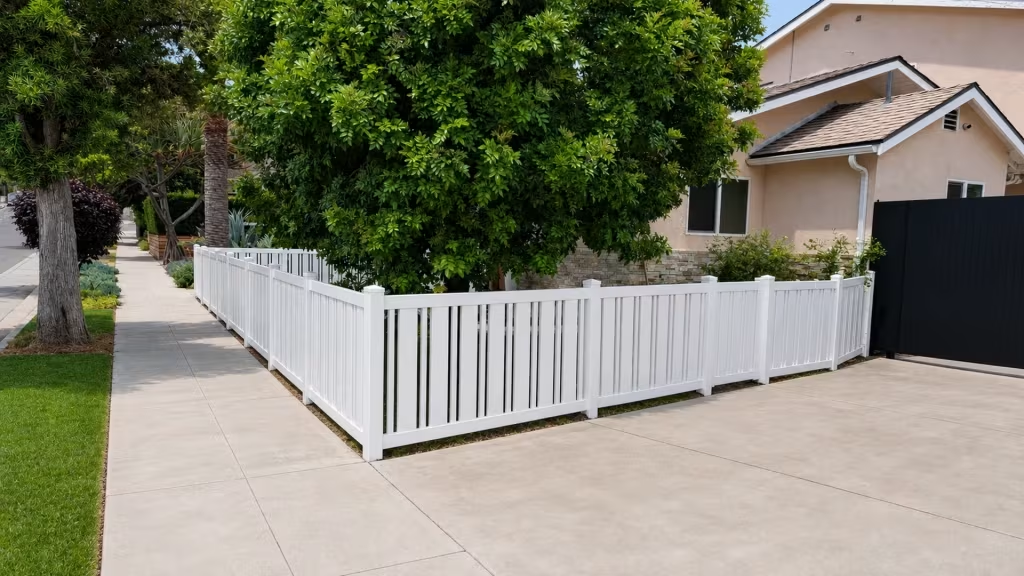
Closed-top pickets sit flush under a top rail for a finished, level line, with the gaps between boards left open.
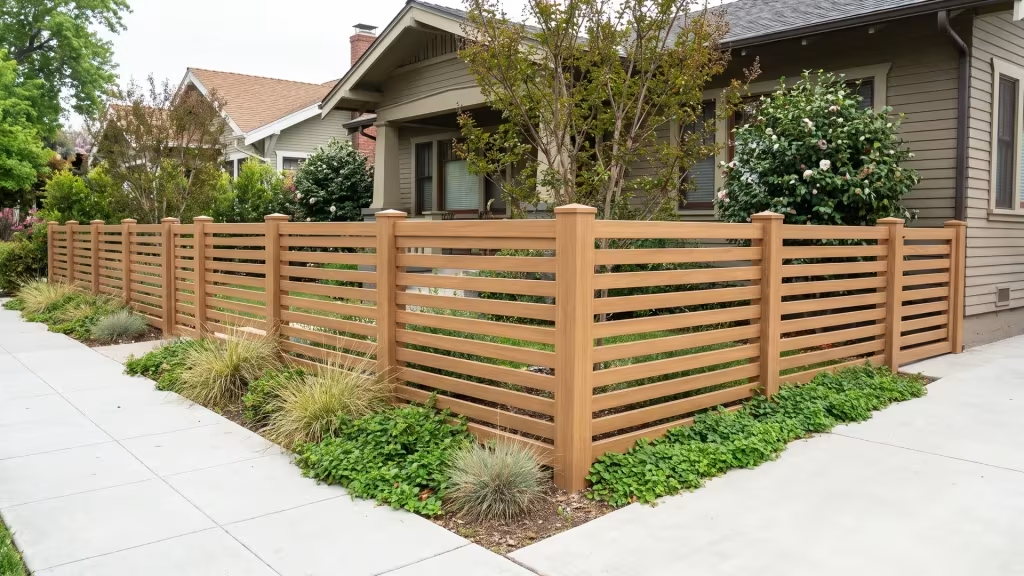
Horizontal pickets run flat boards side to side instead of standing upright, open enough for light and air to pass.
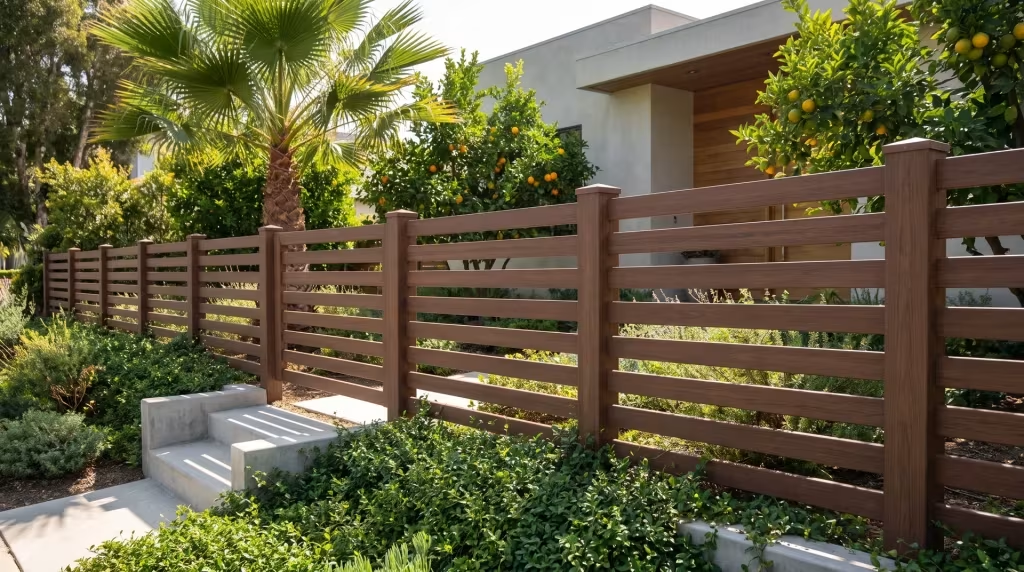
Pickets stand upright and stop clean at the top rail, the closed-top spacing behind the classic white-picket look.
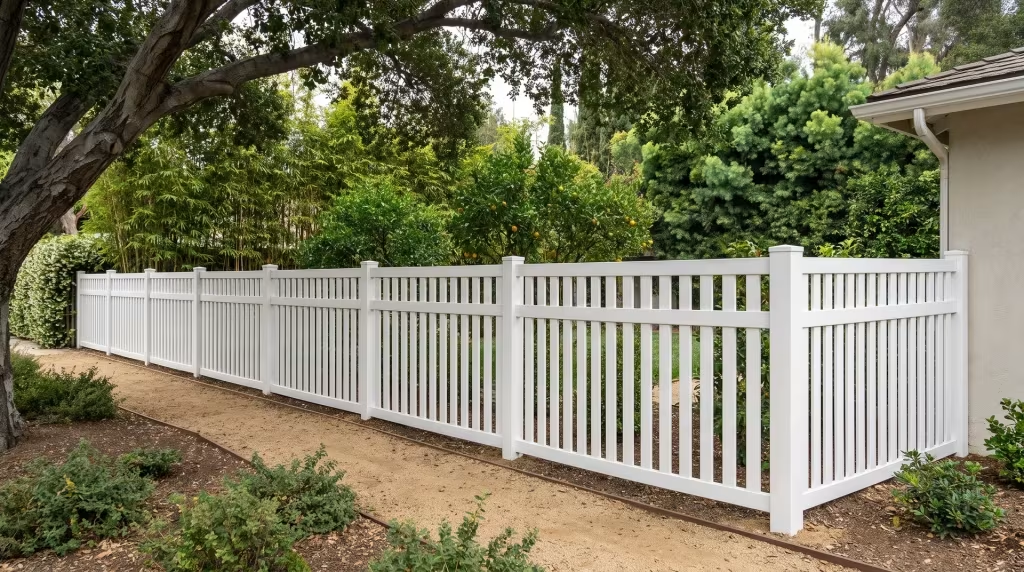
Arched picket tops climb to a gentle crown at the center of each section instead of running level.
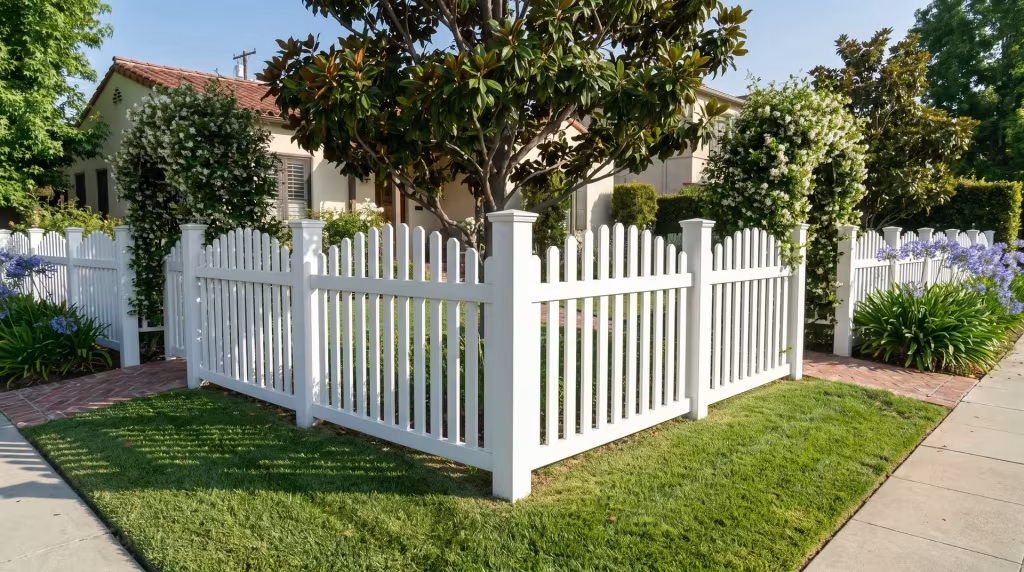
Straight picket tops hold level the whole way across the run, no dip at the center and no rise to a crown.
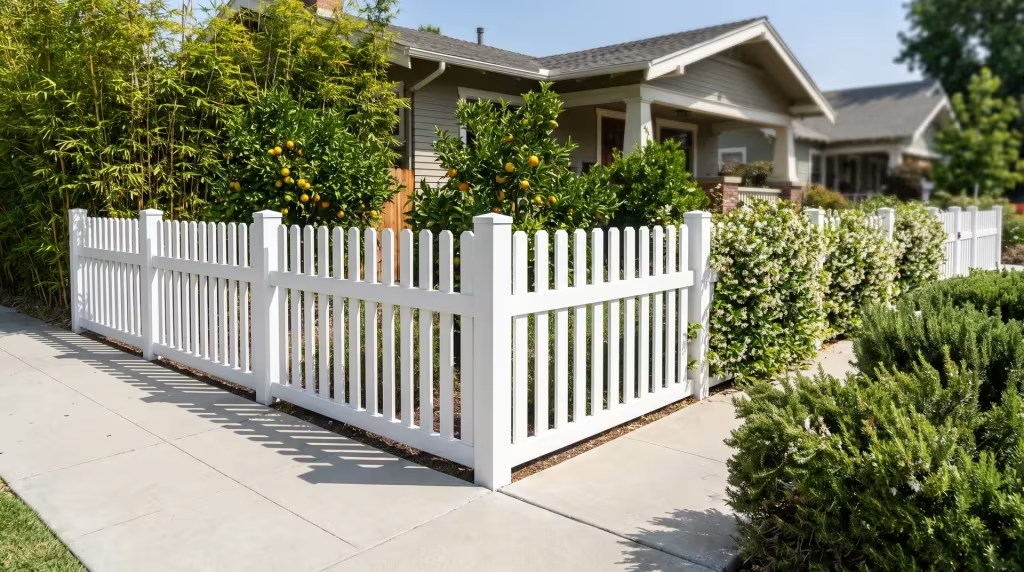
Scalloped picket tops dip into a soft scoop at the center of each section and rise back up at the posts.
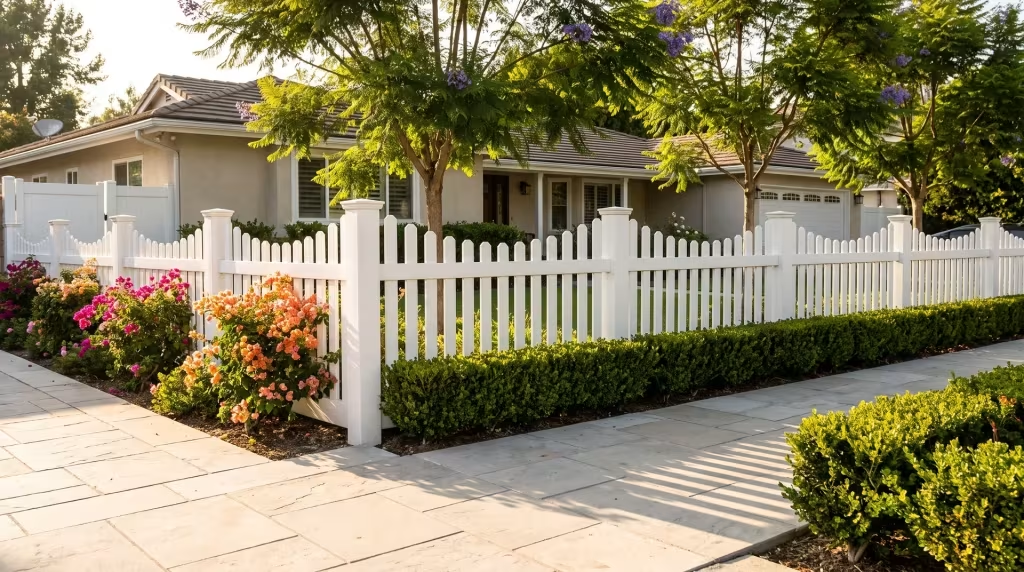
Dog-ear pickets run up through the top rail and stand exposed above it, each one wearing a molded cap.
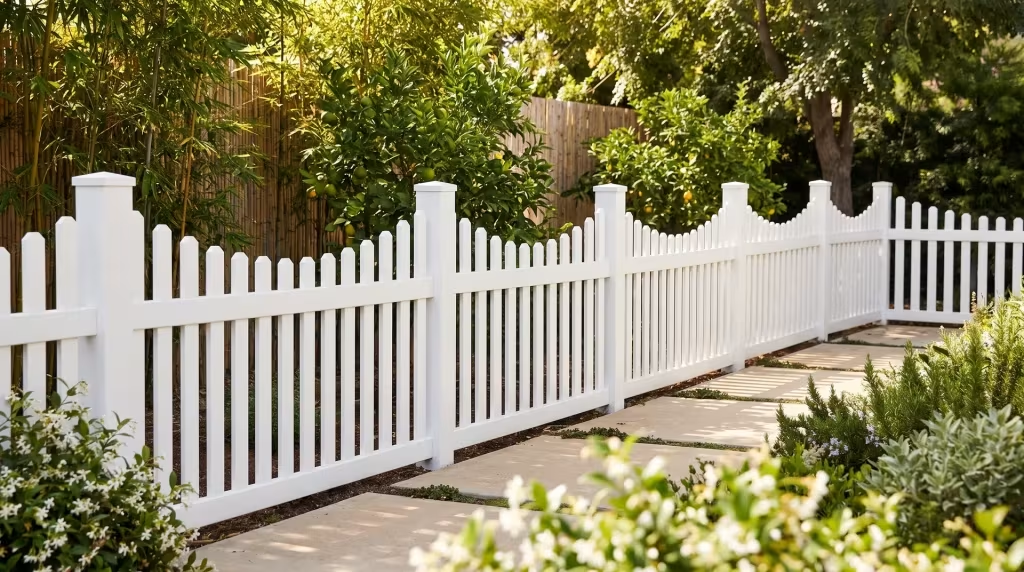
Highly recommend Pro Vinyl Fencing. From the sales process to the installation they did an outstanding job. David and his helper were amazing with the installation, they were professional and very thorough. I would highly recommend Pro Vinyl fencing.

Excellent work by these guys on a wall-topper fence and a couple of side yard gates at my property in Burbank. The sales person I worked with, Kevin Yegiszaryan, was very knowledgeable and responsive, the price was fair, and the crew showed up early, did great work, and wrapped up a couple of hours ahead of schedule.
Highly recommend!

We had gone through 3 different quotes from others and Pro Vinyl was our last quote and it was the BEST QUOTE! In a matter of a week they came and installed the vinyl fence which looks perfect. Hike and Sev did an amazing job.
I will definitely recommend hiring them.

Pro Vinyl Fencing did an exceptional job installing our front yard fence and rolling driveway gate! David our installer was very professional and polite and answered all of our questions. Would highly recommend this company for your vinyl fencing needs.

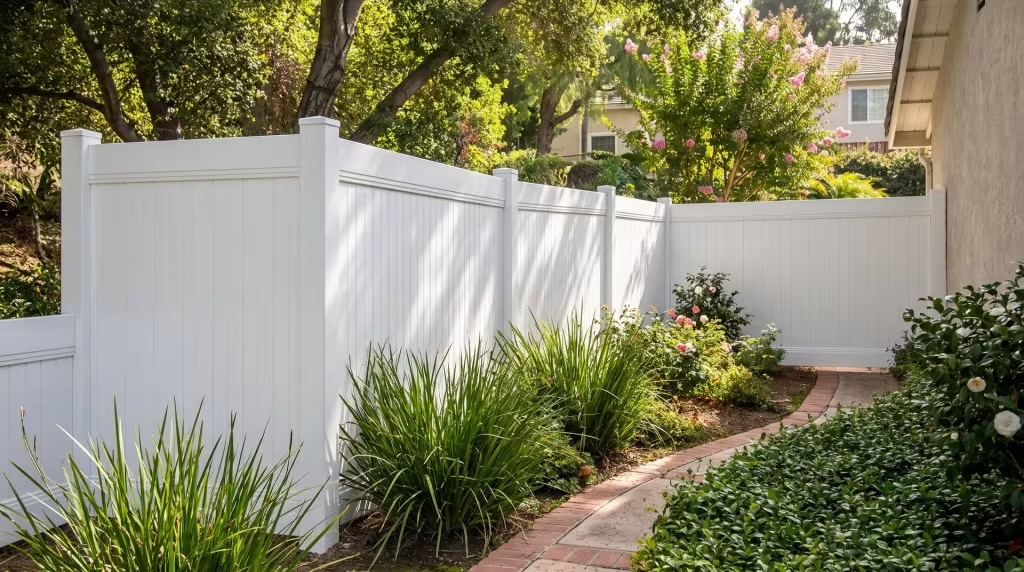
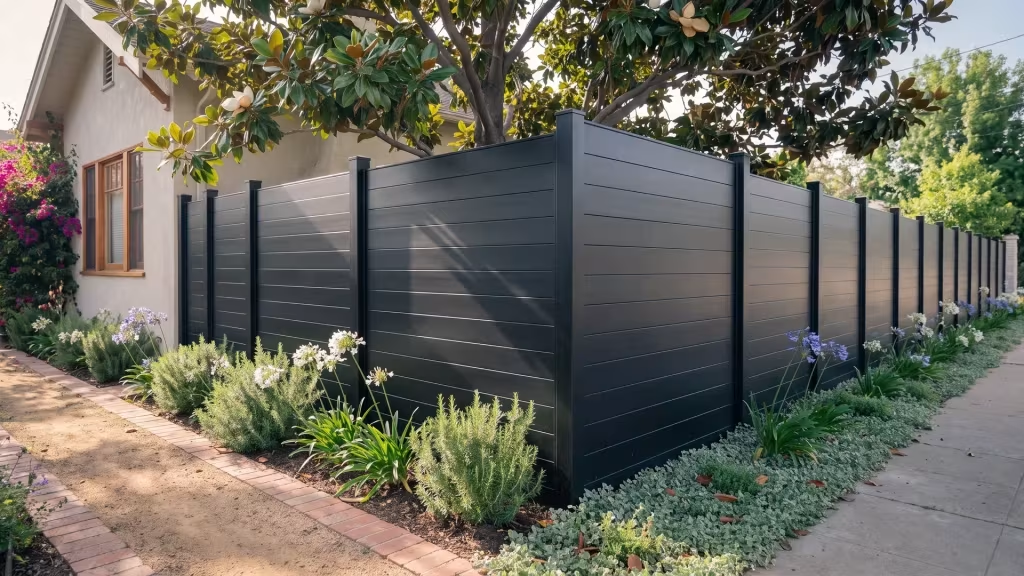
The fences below are real pool barriers our crews have built across Greater Los Angeles and the Bay Area: solid panels at pool-code height, each with a matching self-closing gate hung to fit. Look through the styles and colors, then ask us to quote yours for free.
Around Greater Los Angeles and Ventura County, pools fall under the statewide barrier law, and each city adds an inspection. Our crews build pool fences to code from the Valleys to the Westside. Rules are set by state code and local amendments, so verify yours with your local building department.
Up in the Bay Area, a newer market for us, the pool-barrier law is the statewide code we build to in Los Angeles, so the 60-inch height, the ground gap, and the self-latching gate all carry over. The local inspection is run city by city. Our crew and custom fabrication come with you; verify locally.
Four steps take a pool fence from the first site visit to the final gate latch. You settle style, height, color, and price before a single hole is dug, and the pool-safety inspection is written into the plan from the start, not the end.
One in-house crew handles it from first measure to final walk-through, with no line items added after you sign.
A salesperson measures the pool yard, walks you through style, height, and color, and leaves a real number, free.
You get scope, height, color, gate, and price in writing, with any permit called out before a signature goes down.
Our crew sets the footings in concrete, builds the barrier to pool-code height, and hangs the self-closing gate.
A transferable limited lifetime warranty covering the vinyl, our 5-year workmanship warranty, and inspection support.
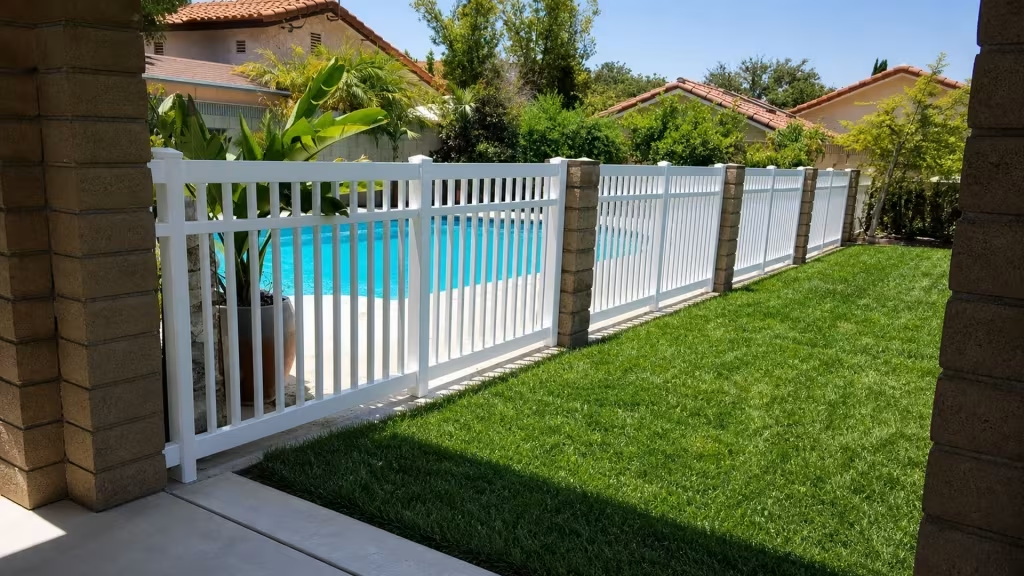
Guides on pool-barrier code, self-closing gates, and keeping a poolside vinyl fence clean, from our crew.
Vinyl awnings block sun and rain for a Los Angeles property without the rust or rot metal and canvas covers pick up.
Fences blog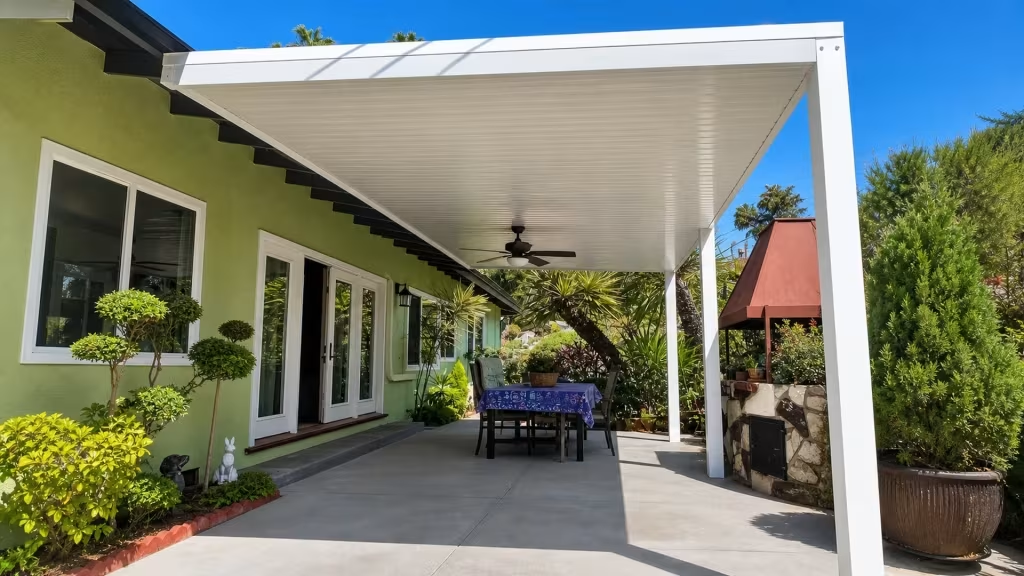
Vinyl Pool Fence Questions, Answered Straight
These are the pool-barrier questions buyers ask before they build: how tall the fence has to be, which vinyl styles qualify, what the gate needs, whether a permit applies, and how vinyl holds up beside the water. Every code answer closes the same way, so confirm the specifics for your address.
Planning a pool fence?
Book a free on-site visit and get straight answers from a pool-code pro.
Sixty inches, or 5 feet, is California’s minimum, measured on the side of the fence away from the pool. The bottom can sit no more than 2 inches off the ground, so a child cannot slip under.
That is the state floor; some cities ask for more, so check the exact number with your building department.
Yes, when it is built to code. A solid vinyl panel has no gap a 4-inch sphere can pass and a smooth face with nothing to climb, so at 60-inch height with a gate that closes and latches by itself it meets the barrier rule.
It is the simplest vinyl style for a pool. Confirm specifics with your city.
A solid privacy panel qualifies outright. A standard spaced picket does not: climbable rails, gaps too wide.
A picket-style qualifies only when built to code spacing, verticals 1.75 inches or closer, non-climbable, at 60-inch height. We build to whichever fits, and your city has the last word.
It has to swing away from the pool, close by itself, and latch on its own, with the latch release at least 60 inches up.
We size a vinyl-clad, metal-frame gate to take that hardware and match your fence, and we never motorize it. Check the placement rule with your city.
Often yes. For a new or remodeled pool, California requires at least two of seven drowning-prevention features at permit time, and the code fence with its self-latching gate is the strongest of them.
Thresholds vary by city, so verify the requirements with your local building department.
Yes. PVC will not rust, corrode, or rot from splash, chlorine, or a salt system, and it does not yellow under the sun, so a white barrier stays white.
Upkeep is a hose and mild soap a couple of times a season. Vinyl asks a higher upfront price than wood but almost nothing after that.