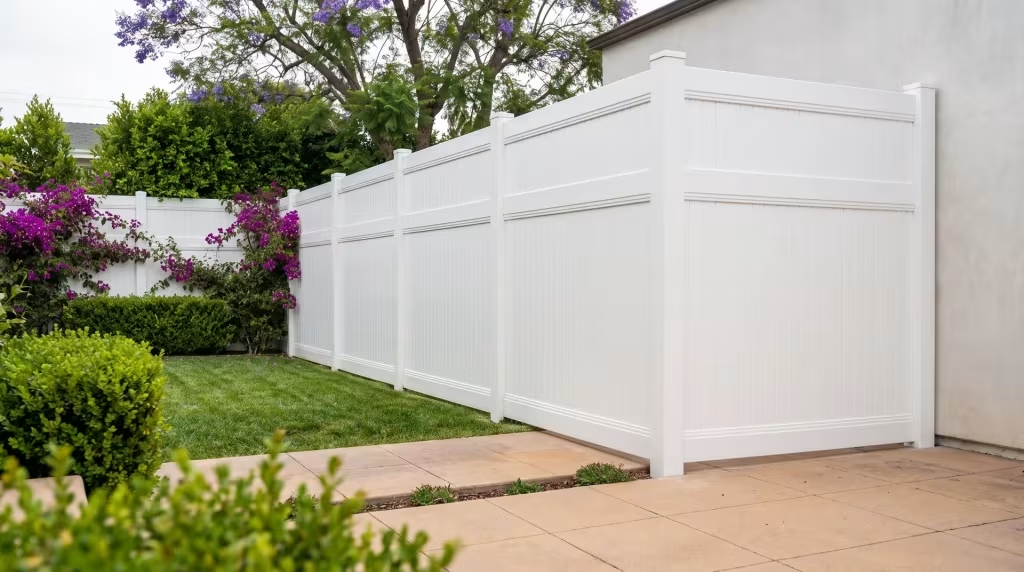
Vinyl Privacy Fencing
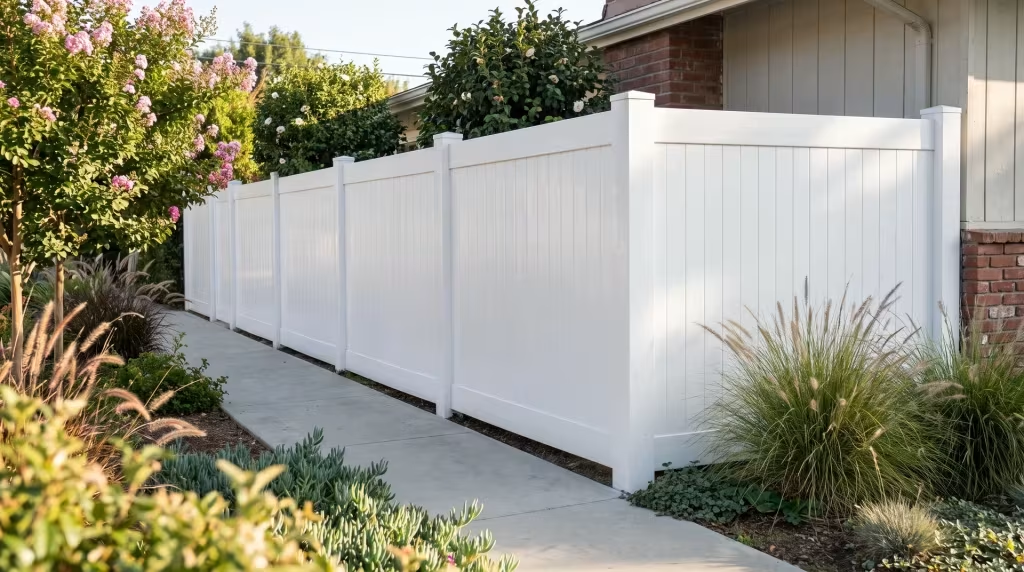
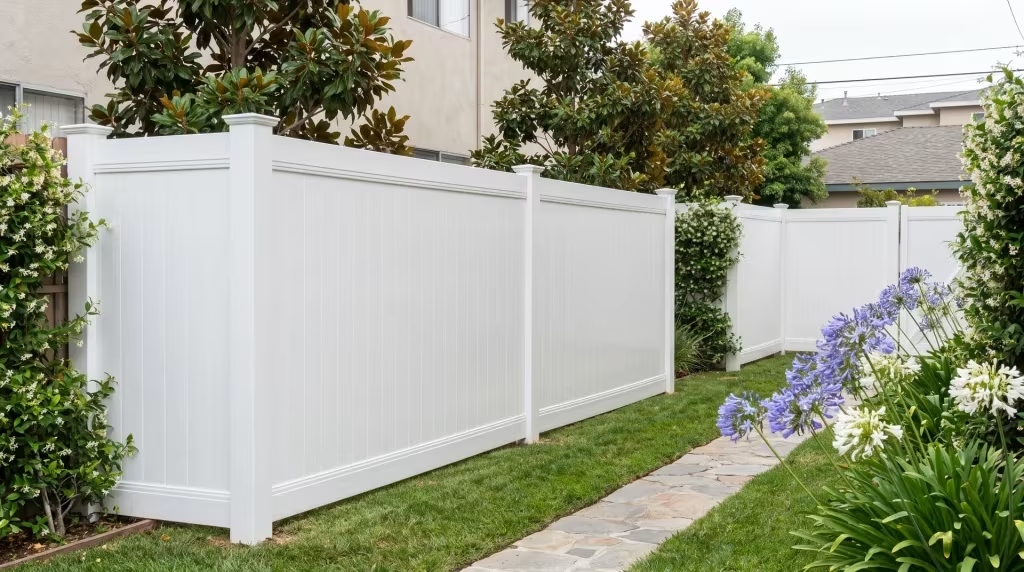
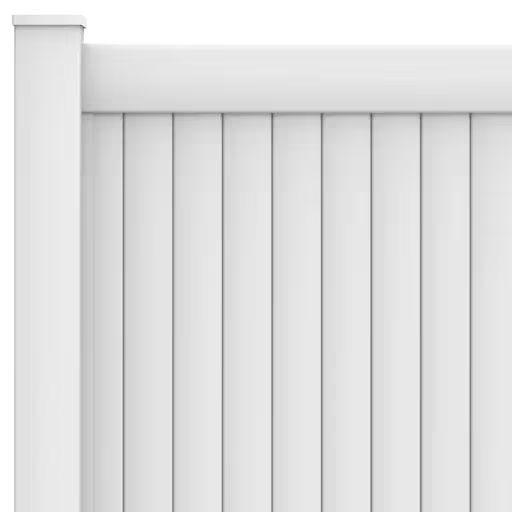
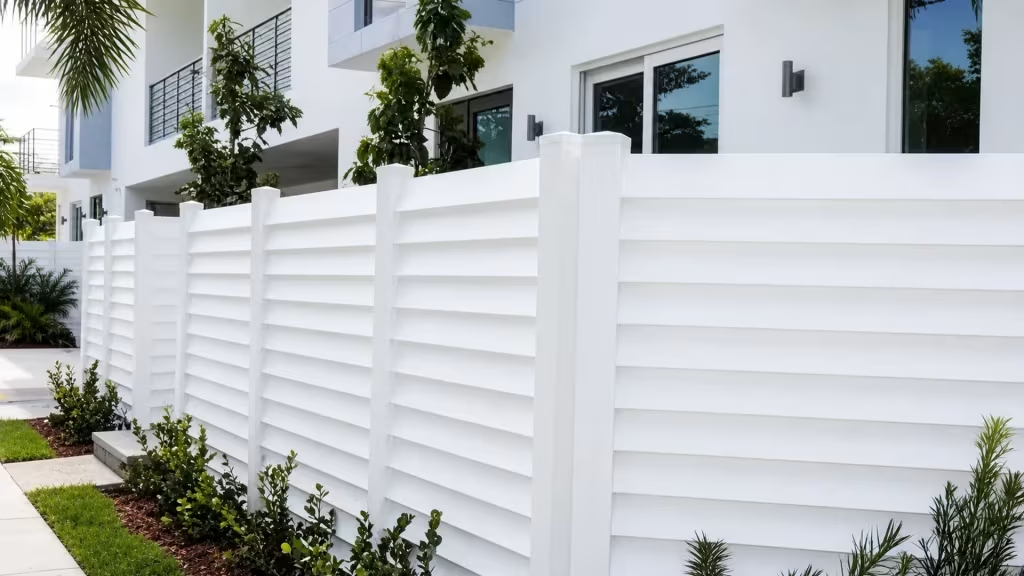
A true privacy fence closes every gap in one solid tongue-and-groove screen, blocking the view completely.
Call Now: (844) 744-0707

Need a railing for a raised deck, porch, or set of stairs? You get one measured to your run, fabricated to fit, and installed by the same crew that builds our vinyl fences, so it stands straight and safe the first time.
Railing is an occasional build for us, done to the same standard as our fences on the projects that call for it. Because a deck or balcony rail is a life-safety guard, we build it to California’s height and spacing rules so it stands safe and passes inspection the first time.
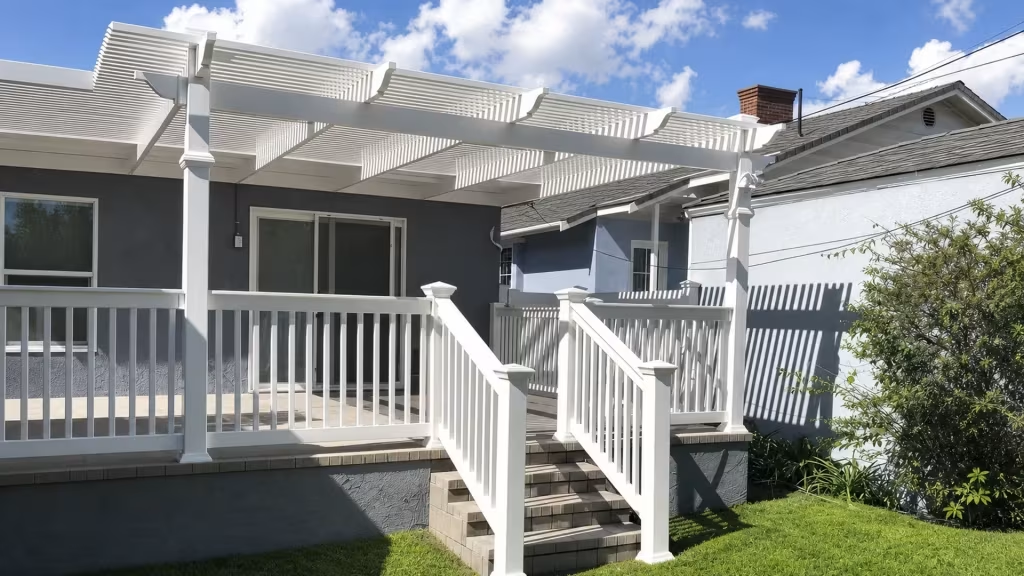
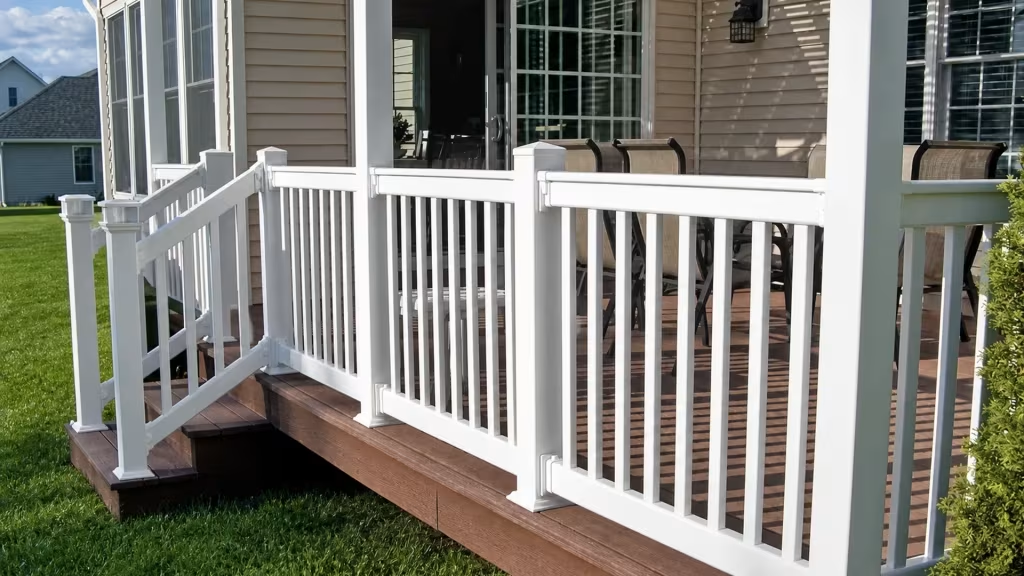
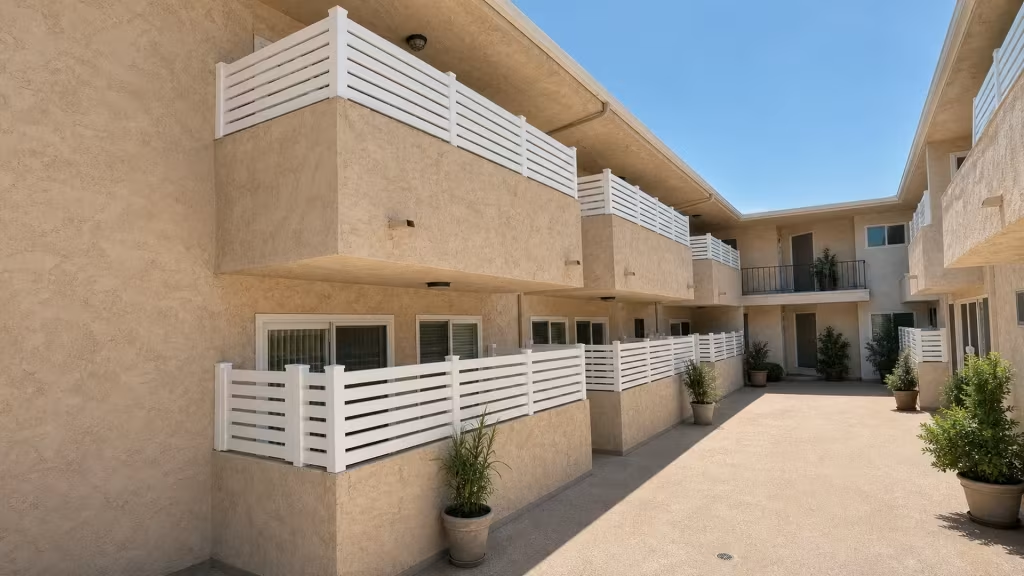
A vinyl railing is a low-maintenance guard for a deck, porch, or stairs, and we build yours to fit and install it.
On the jobs that call for it, a salesperson measures your run and the landing or step heights, and then the shop fabricates the railing to those exact numbers so our crew can install it clean and straight.
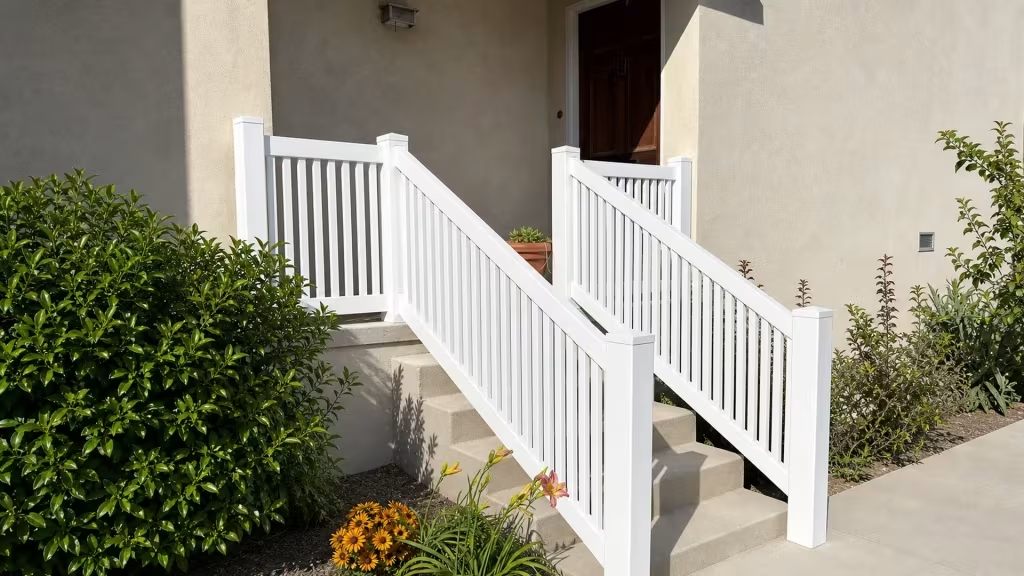
A vinyl railing is a guard that runs along the open side of a raised walking surface: a deck, a porch, a balcony, or a flight of stairs. Its job is to keep people back from the edge, so it has to stand rigid and clear a code height, not just look the part. Vinyl suits that well, because the rails and posts never rot, rust, or want repainting the way a wood rail does.
This is an occasional build for us, not a catalog line. We are a fence company first, and railing tends to come in when a deck, porch, or stair project needs it, or when someone wants the rail to match a fence we are already installing. So it’s a real capability, kept to what we build well: measured, fabricated, and installed in the same vinyl we work with every day, not an automated system or an endless rack of parts.


Most vinyl railing sold online ships as a flat kit you cut and bolt together yourself. We do it the other way around. A salesperson measures the run and the exact landing and step heights, the shop fabricates the railing to those numbers, and one crew sets the posts and installs it.
That order usually matters more on a railing than on a flat fence, because a rail has to clear a code height off an already-elevated surface. Trim a kit a little short on a raised deck and the guard ends up under height. Fabricating to your numbers means nothing gets cut on site to force a fit, and the team that builds it backs the labor.
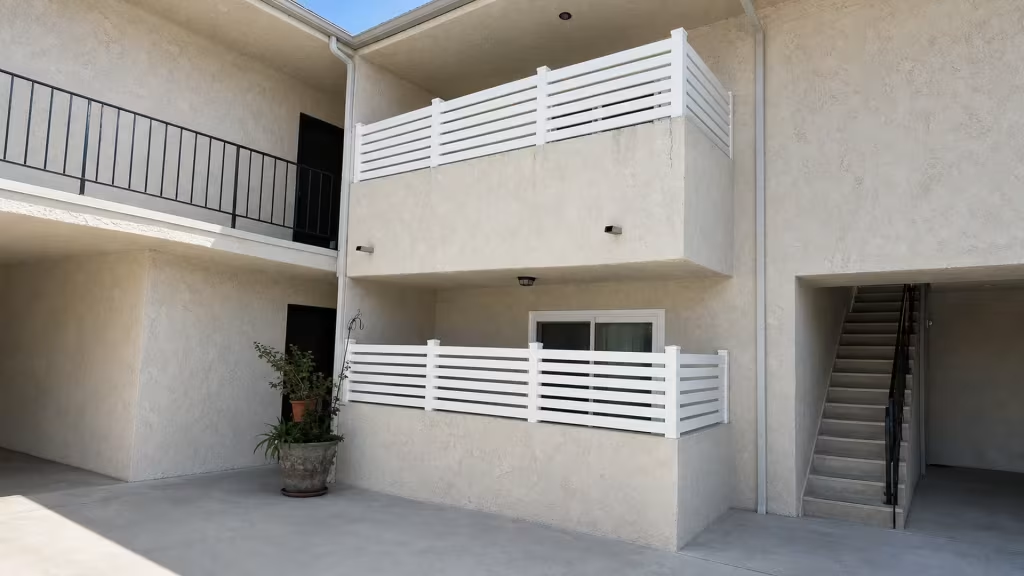
If a deck, porch, or landing sits more than 30 inches above the ground below, California requires a guard along its open side, and that guard has to clear a set height and close a set gap. A railing is a life-safety part, not trim, so these numbers decide whether it passes inspection.
California’s residential code, CRC Chapter 3, sets them:
| Checkpoint | Requirement |
|---|---|
| When a guard is required | Walking surface over 30 inches above grade |
| Minimum residential guard height | 42 inches |
| Infill spacing | No opening lets a 4-inch sphere pass |
| Stair handrail height | 34 to 38 inches above the nosings |
We build to whichever of these apply to your run. Local jurisdictions amend the code, so verify the final numbers with your local building department.
A railing has to stay rigid for years, so we build ours around a metal frame wrapped in vinyl, the same reinforcement we run on our fences, so the load rides on the metal. Posts set in concrete and the rails lock into them, so the line holds firm when someone leans against it.
The vinyl asks almost nothing of you after that. It will not rot, rust, or yellow in the sun, and it never needs paint, so the sanding and staining a wood rail needs every couple of years simply goes away. A rinse of mild soap and water a couple of times a year is all it asks. Coverage comes in two parts: a transferable limited lifetime warranty on the material, backed by our own 5-year workmanship warranty on the install.
The look comes down to two choices: the baluster, the upright between the rails, and the profile of the top rail your hand runs along. Balusters usually run from a clean square for a modern line to more traditional turned ones, and the top rail can sit flat or gently contoured. Because we fabricate rather than pull a kit off a shelf, we settle the exact look with you at the estimate.
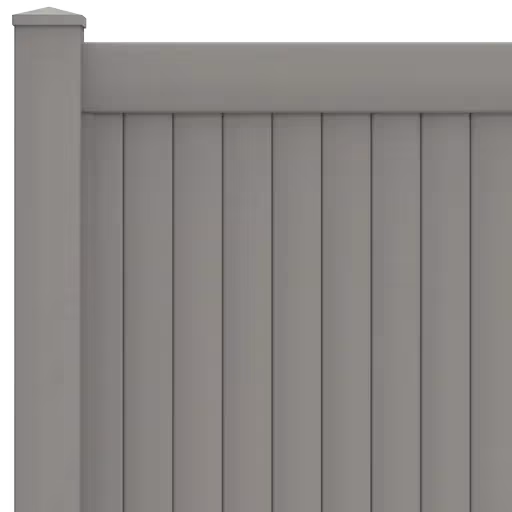
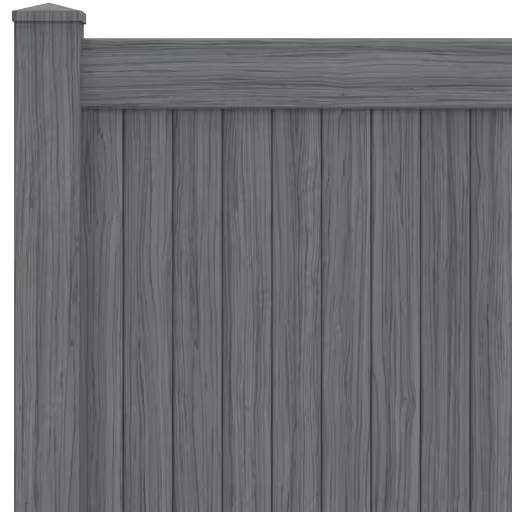
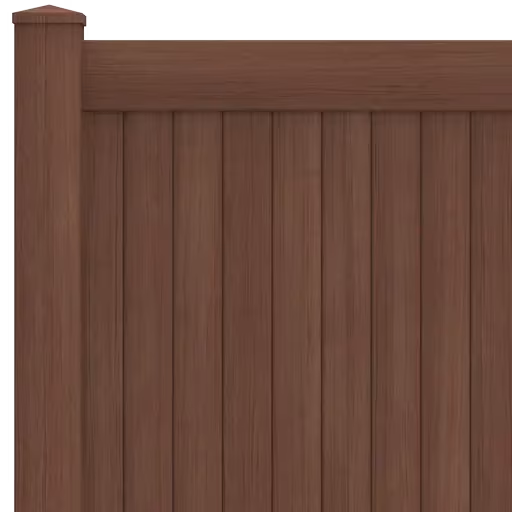
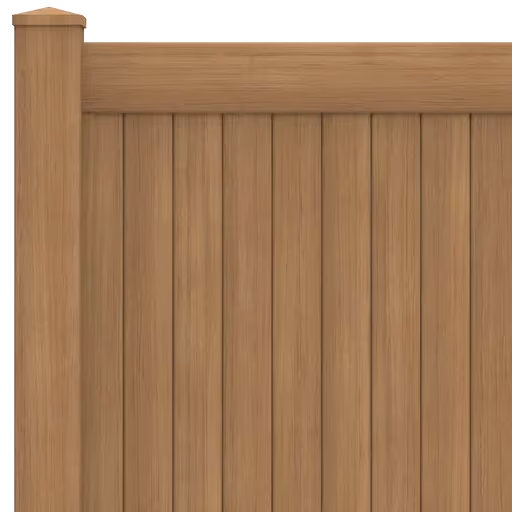
Railing pulls from the same vinyl families as the fences we install, white first, with the warmer solids and the grains behind it. The color goes right through the material, not over its face, so a rail that gets gripped and leaned on all summer never needs sanding or a repaint.
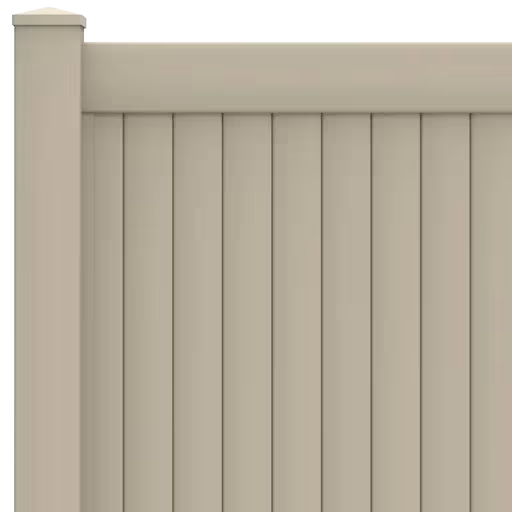
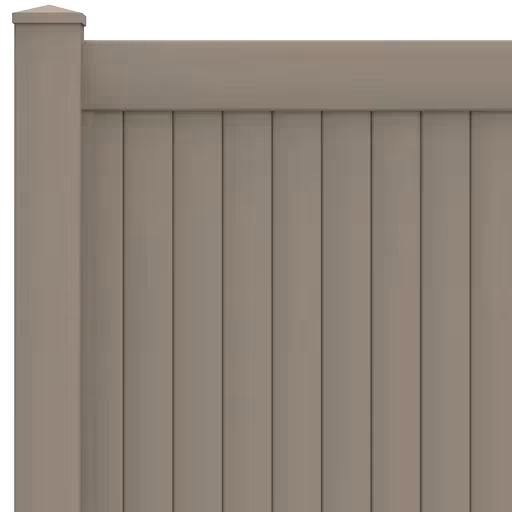
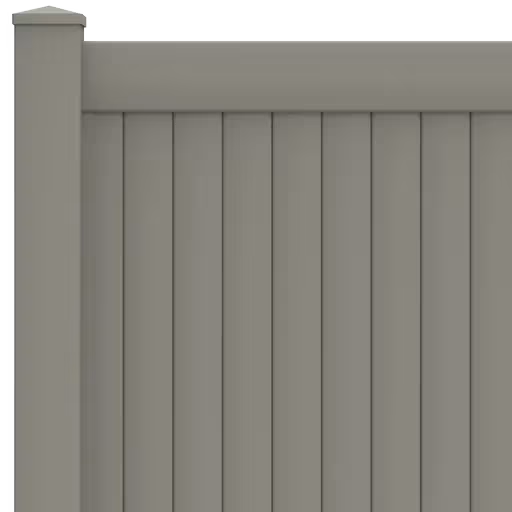
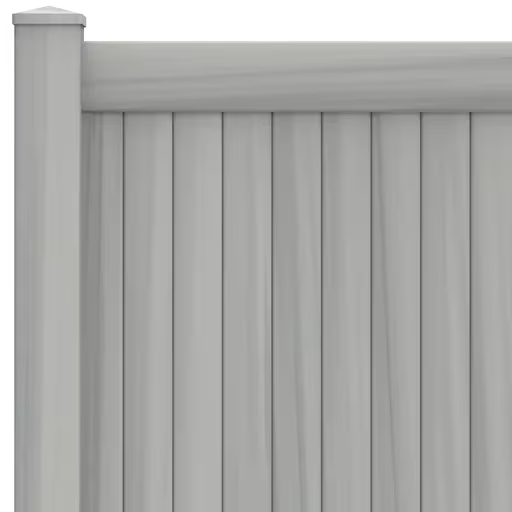
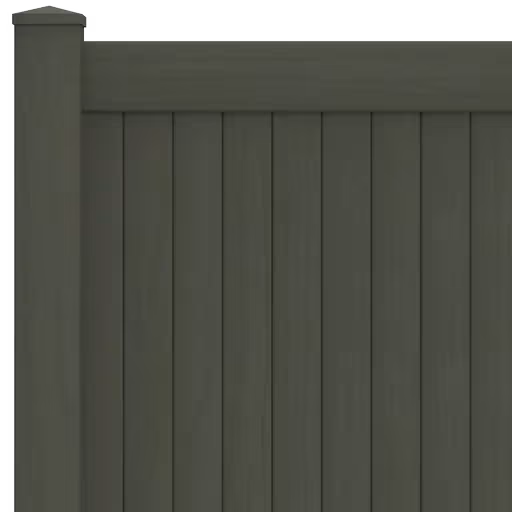
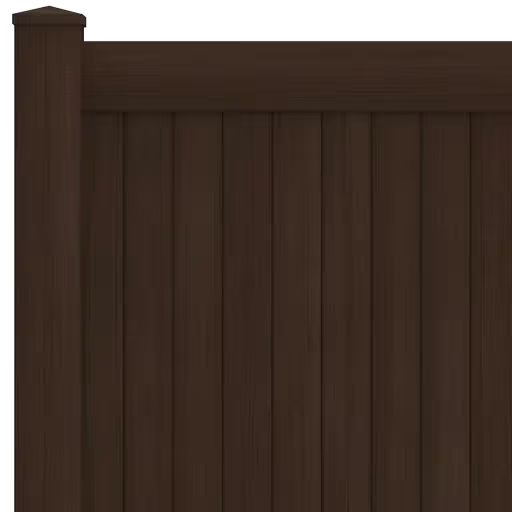
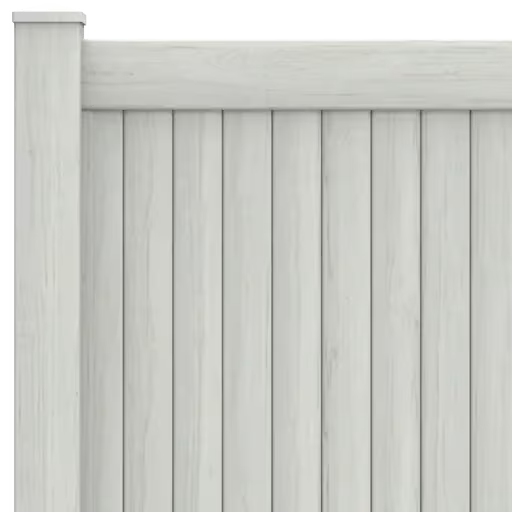
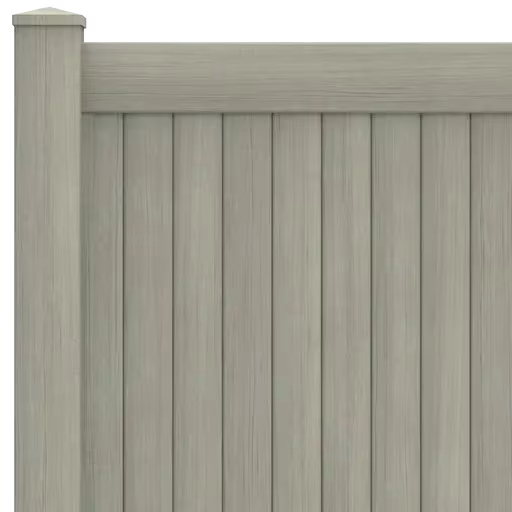
Pro Vinyl and Aluminum Fencing partners with Catalyst, one of the leading vinyl fence manufacturers in the United States. Their US-made vinyl, our custom fabrication and installation, backed by a transferable limited lifetime material warranty.

Most of what we install stands on a property line rather than a deck, though the measuring behind it is no different. Vinyl and aluminum both run through that side of the work, in styles that go well past a guard rail.
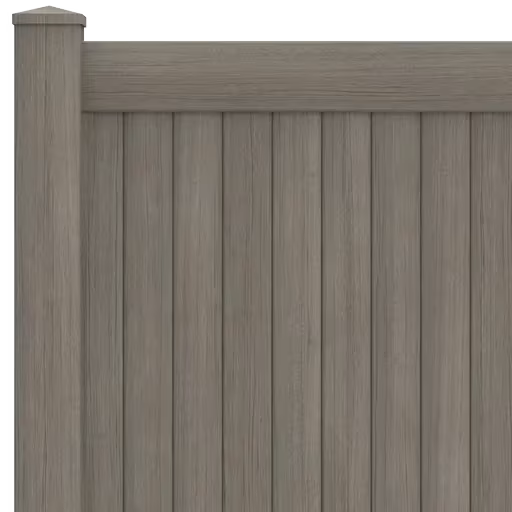
A true privacy fence closes every gap in one solid tongue-and-groove screen, blocking the view completely.
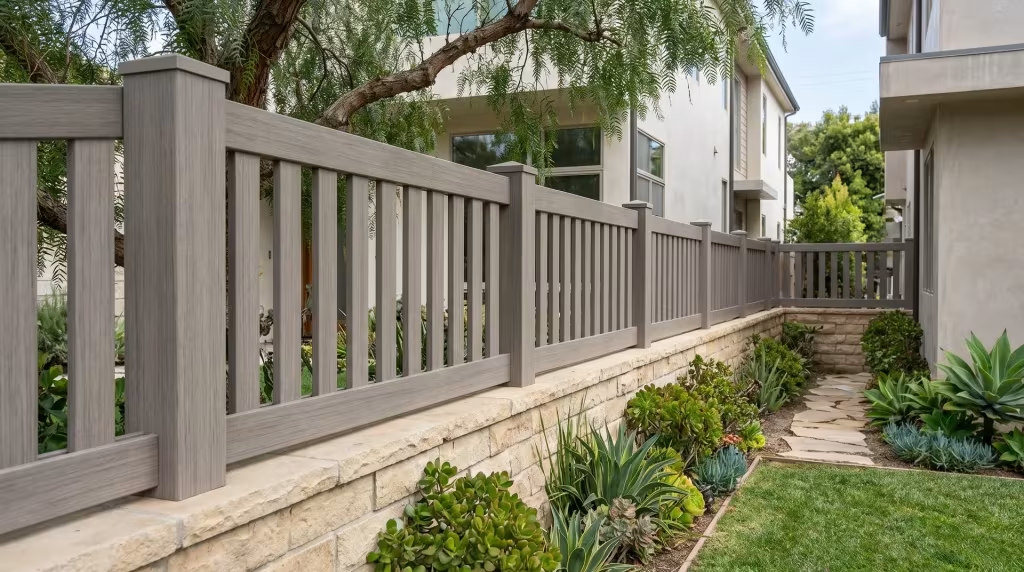
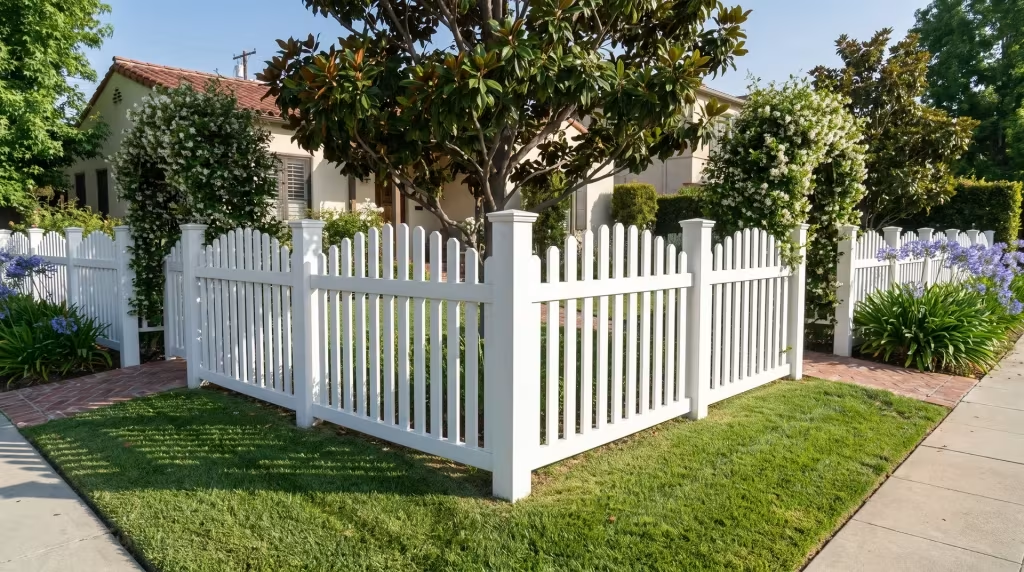
A row of evenly spaced upright pickets on top and bottom rails, marking the yard without blocking the view.
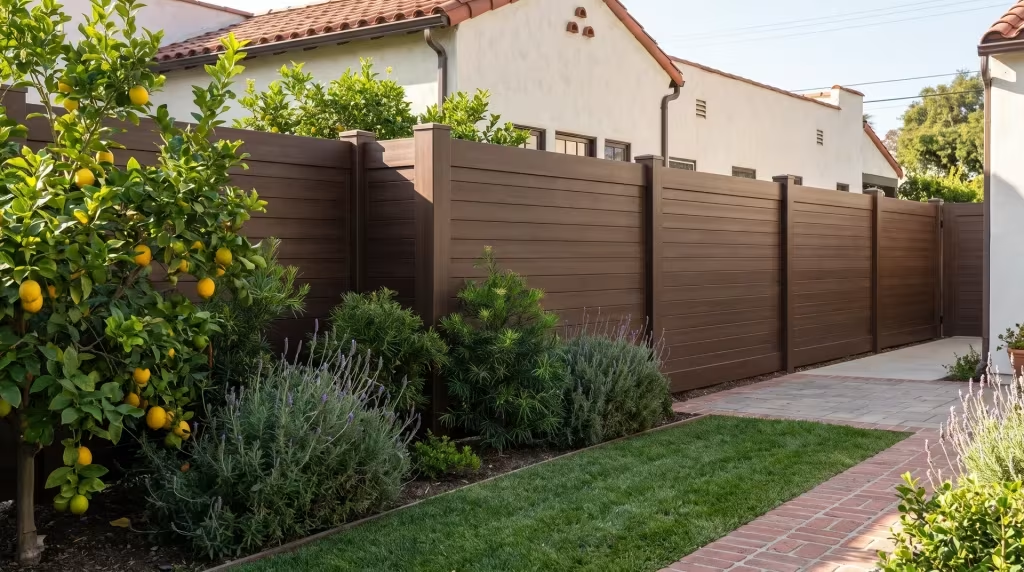
Every real vinyl fence color we build, spanning solid neutral tones to layered wood-grain finishes.
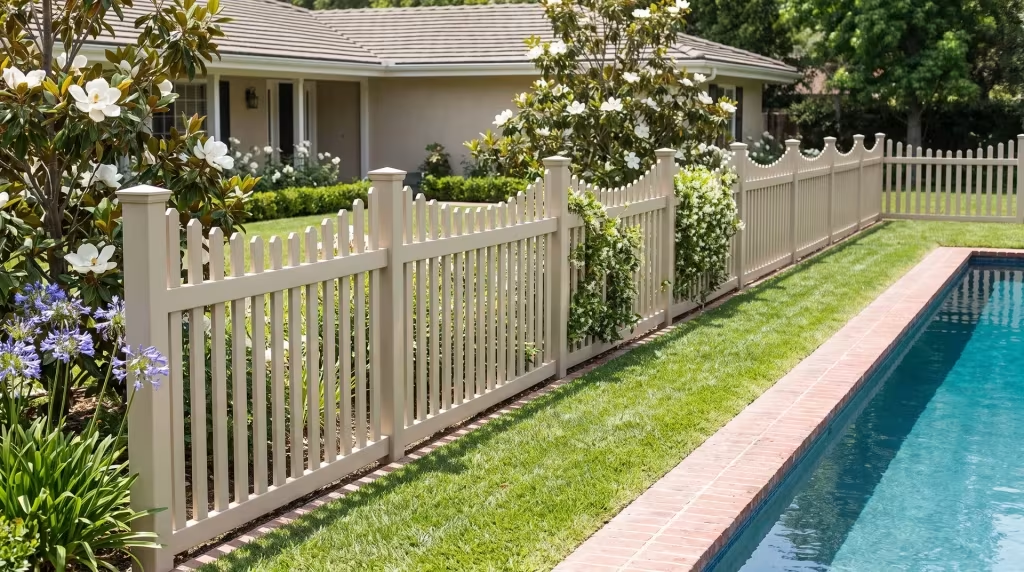
A solid, low-gap safety barrier sized to code so a small child cannot climb through or over it.
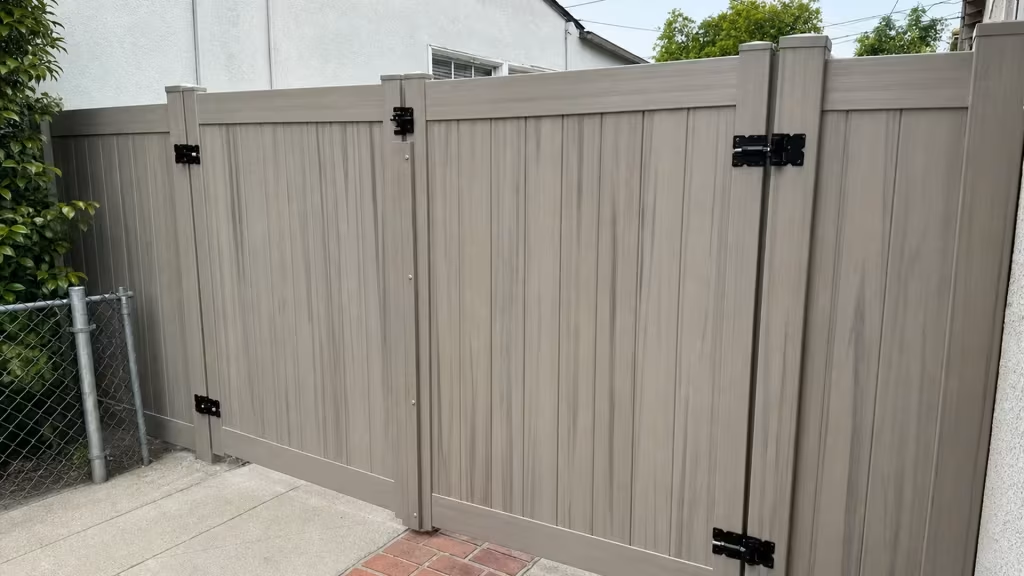
Vinyl fencing fabricated to whatever height, width, or color mix your yard needs, not the nearest stock size.
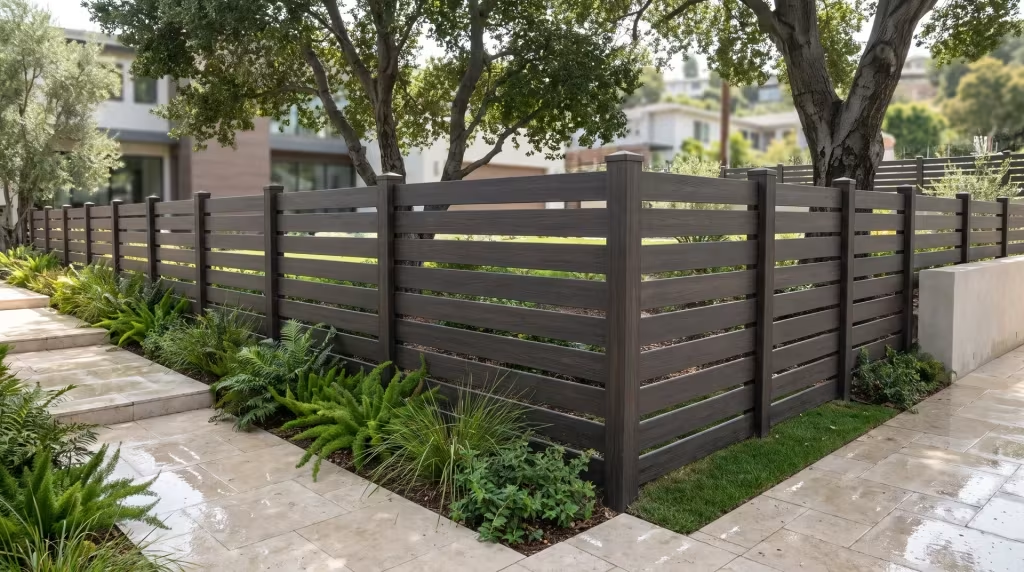
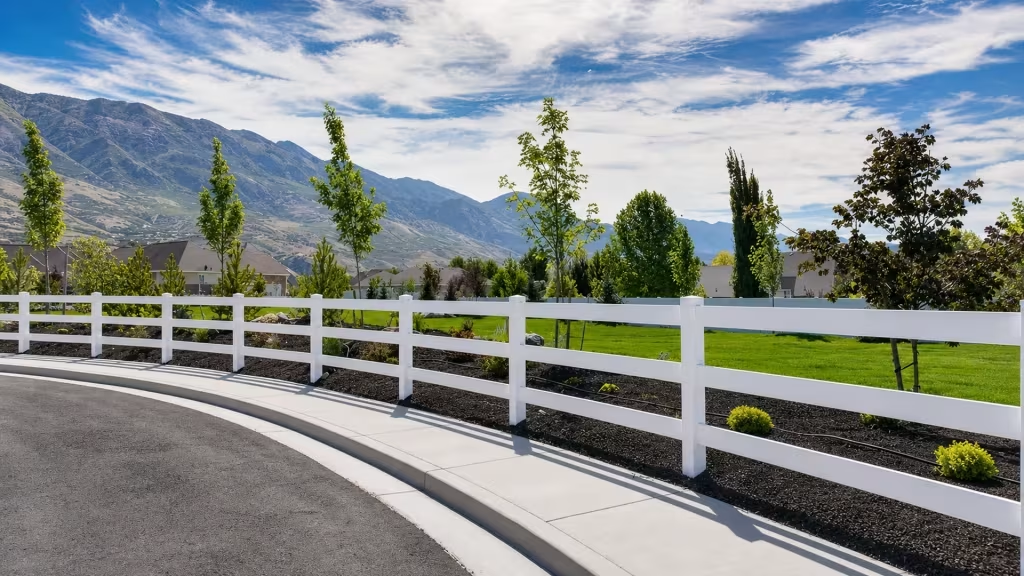
Open horizontal rails set on posts mark a boundary the classic post-and-rail way, with the sightline running straight through.
We had gone through 3 different quotes from others and Pro Vinyl was our last quote and it was the BEST QUOTE! In a matter of a week they came and installed the vinyl fence which looks perfect. Hike and Sev did an amazing job.
I will definitely recommend hiring them.

Pro Vinyl Fencing did an exceptional job installing our front yard fence and rolling driveway gate! David our installer was very professional and polite and answered all of our questions. Would highly recommend this company for your vinyl fencing needs.

Called around for quotes for picketprivacy fencing.. Pro vinyl had the best pricing and they did great work. Vick was our salesman and he was very friendly and professional.
The two technicians Arthur and Arthur were hard workers and we were very happy to have them around. I recommend this company to anyone looking for fencing for their home.

The best in the game no questions asked. Needed a vinyl fence very badly and immediately. These guys helped me so quick and gave me the best price that I found all around town. Har and his crew are second to none!
Would highly recommend to anyone looking to do any type of fencing to their home. Fast, reliable, and quality work.

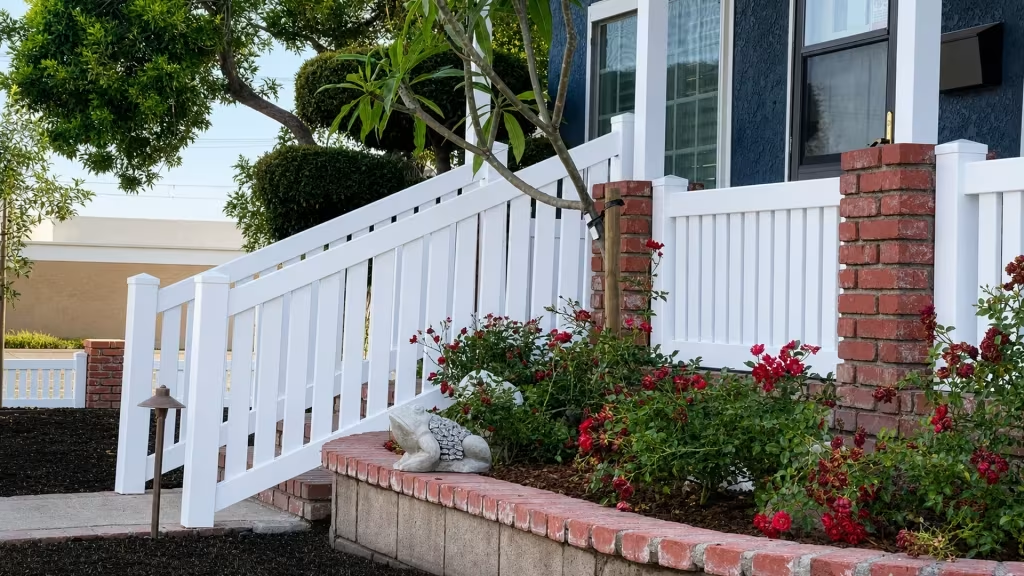
The photos here are vinyl railings the crew has finished for property owners across our two markets: deck guards, porch rails, and stair runs in a range of styles and colors. Have a look through a couple, then tell us what your deck or porch needs.
Greater Los Angeles and Ventura are our home ground, and our 500+ five-star reviews were earned here. On these hillside decks and raised porches a code-height guard is not optional, so we measure the run and fabricate the railing to fit before we install it.
Out here, the same shop, crews, and warranty stand behind our railing as everywhere else. Raised decks on wind-exposed hillside lots are common across the Bay Area, and an open baluster rail lets air pass. Guard-height and permit rules change city to city, so verify with your local building department.
A railing project usually runs in four steps, from the first measure to the last cap. You know the style, the height, the code checkpoints, and the number before anyone starts, and nothing new turns up on the bill after you sign.
The estimate is free with no pressure to sign, and the same crew carries it from measure through the install.
A salesperson measures the run and the landing and step heights before the shop builds the railing.
You get the scope, style, color, height, and code checkpoints in writing, plus old-railing removal.
The shop builds it to your exact measurements, then the crew sets the posts and installs it to code.
The transferable limited lifetime material warranty and our 5-year workmanship warranty, then soap-and-water care.
Guides on railing heights and deck code, matching a rail to your fence, and keeping vinyl looking new.
Screened pool enclosures turn bug and leaf covered water into space a family actually wants to use.
Fences blog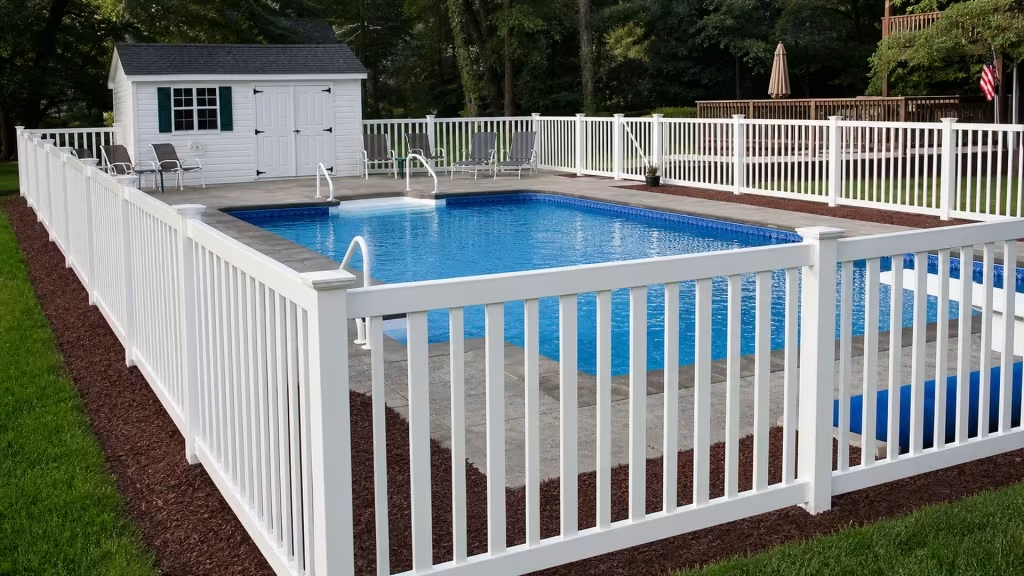
Vinyl railing questions, straight answers
These are the questions people weigh before a deck or porch railing: what it really costs, how long it holds up, how it compares to wood or composite, how tall it has to sit, and whether we build railing or supply the parts. Each gets a straight answer below.
Thinking about a railing?
Book a free on-site estimate and get a real number from our crew.
There’s no flat price, because the number moves depending on your project: the length of the run, the height, whether stairs are involved, the style, and how easy the site is to reach.
A salesperson measures on site and gives you a real figure, and the estimate is free.
Usually decades, with almost no upkeep. Vinyl does not rot, rust, or yellow in the sun, and it never needs paint, so a railing holds its finish longer than a wood rail.
The material holds a transferable limited lifetime warranty, while our own 5-year workmanship warranty stands behind the install.
Each has its place. Wood is warm to look at, but it wants sanding, staining, or sealing every couple of years. Composite skips most of that upkeep at a bit more cost.
Vinyl gives you a clean rail that never rots or needs paint, usually for less than composite. For low upkeep, vinyl is the easy call.
In California, a guard must be at least 42 inches tall wherever a surface sits over 30 inches above grade.
The infill must block a 4-inch sphere, and a stair handrail runs 34 to 38 inches. The build follows whichever rules apply, but verify the numbers with your local building department.
Yes, and it’s one of the common reasons a railing lands on our schedule.
Because we fabricate instead of ordering a fixed kit, we can build the rail in the same color family and a matching profile, so the deck and the fence read as one job. If the fence is already up, we match to what is there.
We build it. A salesperson measures your deck or porch, the shop fabricates the railing to those numbers, and our crew installs it.
Most railing online is sold as parts to build yourself, which is why people ask. It’s an occasional build for us, taken where a project needs it or to match a fence.