Vinyl Fence Installation
Full-service installation: old fence hauled away, footings dug, and panels racked true to your yard’s slope.
Call Now: (844) 776-0707

Between the Altamont Pass and the Diablo Range, Livermore lots take real wind, so your vinyl or aluminum fence gets built to hold its line.
Since 2018 our crew has fabricated and installed custom fencing across the Bay Area, with a free estimate the same day you reach out.
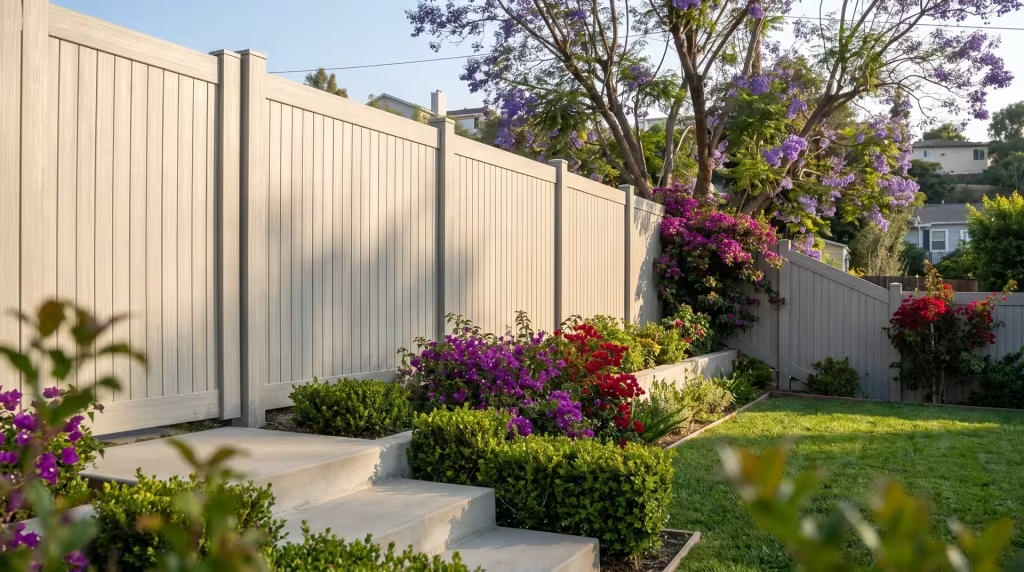
Livermore homeowners call us for wind-ready privacy panels, vineyard-lot picket runs, and pool enclosures that meet code.
Wine country living means big backyards, gravelly soil that grips posts differently than clay, and gusts that funnel through the valley from several directions at once, all of which shape how a fence gets engineered here.
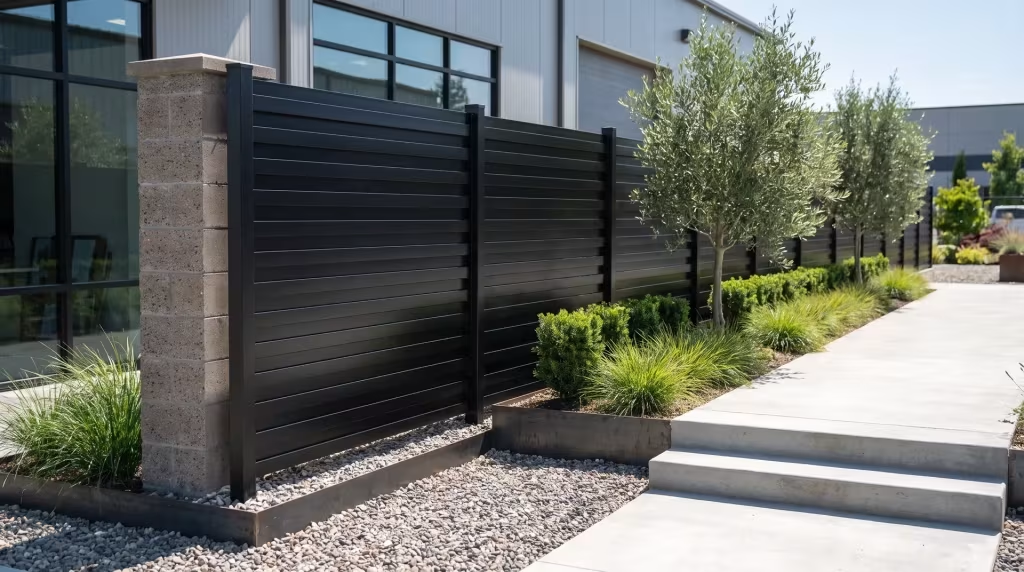
Livermore sits inside a valley ringed by the Diablo Range, and that geography channels Pacific wind through the Altamont Pass and several other gaps at once. A privacy fence out here earns its keep by staying put through gusty afternoons, which is why we build vinyl panels with metal inserts on exposed lots: vinyl outside, steel framing inside the rails, so the panel takes valley wind without flexing loose.
The valley’s gravelly coarse sandy loam also sets posts differently than heavier clay soils, so footing depth gets checked on-site rather than assumed from a phone call.


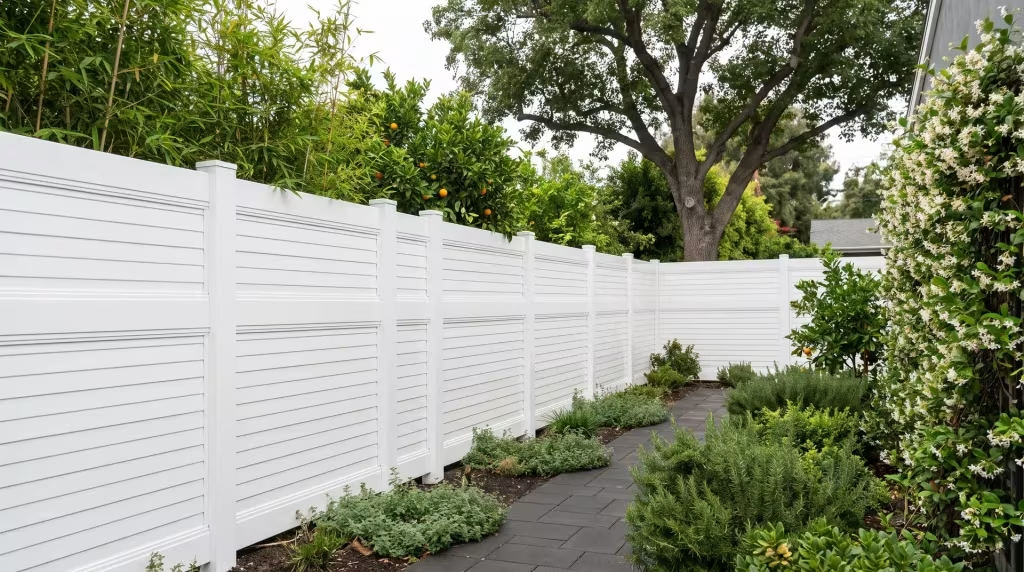
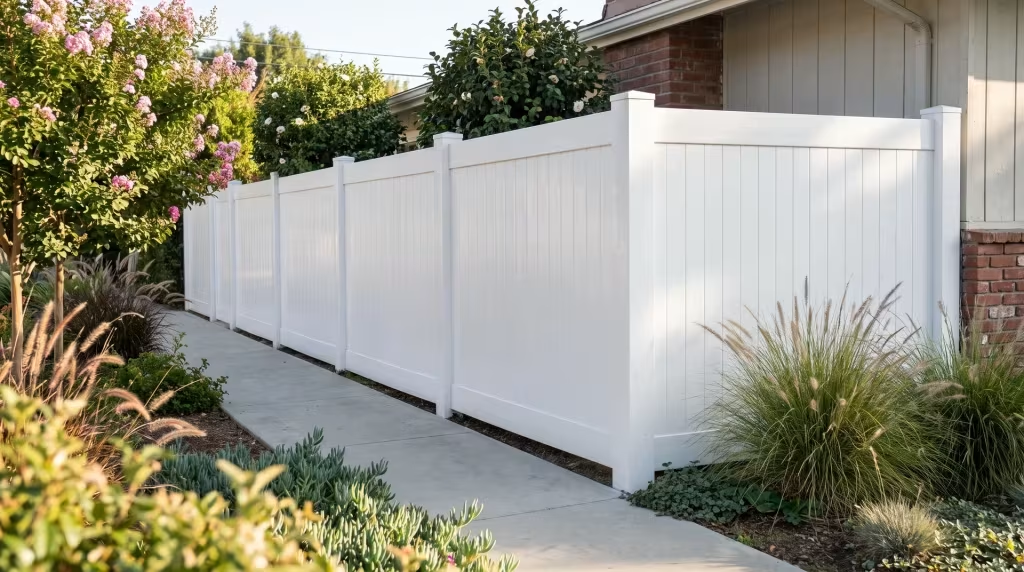
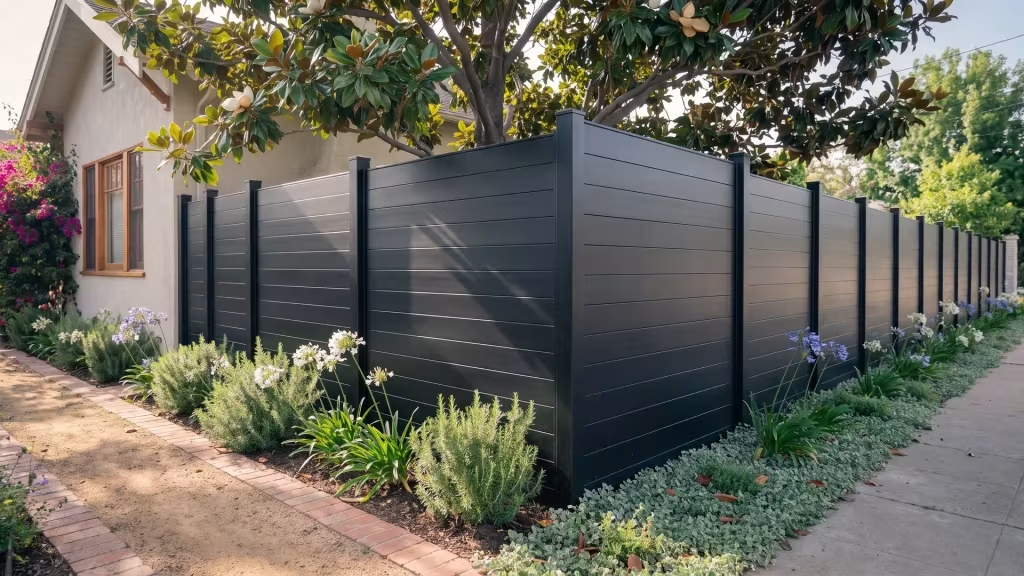
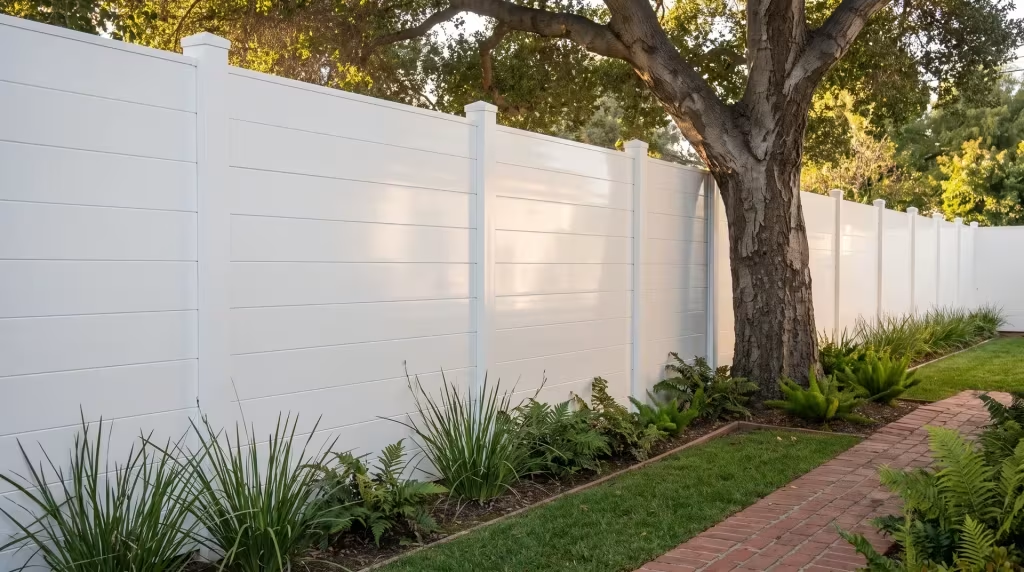
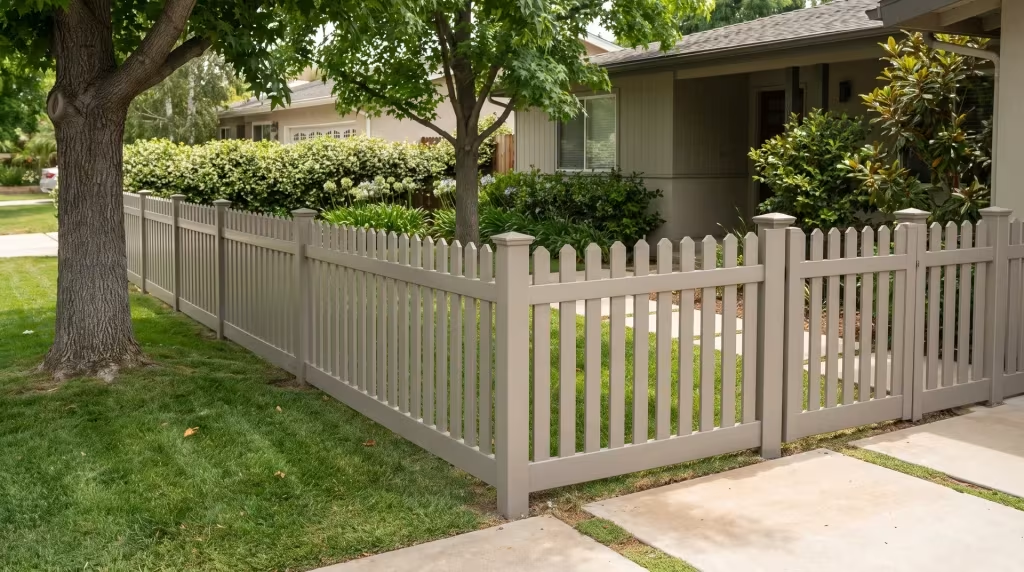
Our Livermore work runs across vineyard-neighborhood lots and downtown parcels alike: full-privacy vinyl for backyard seclusion, semi-privacy and picket styles for street-facing yards, ranch-rail runs where a property backs onto open land, pool-code enclosures, and aluminum picket or semi-privacy where the look wants to be cleaner and more modern.
Gate sizes run from a narrow side-yard walk gate up to a wide driveway span, and wall toppers raise an existing block wall without tearing it down.
No price figures show up here, on purpose: every yard is different enough that a number needs a look first. What actually moves the estimate is footage, fence height, vinyl versus aluminum, gate count and width, whether the lot’s grade adds racking work, and whether the existing fence line needs tearing out before a new one goes up. Call for a ballpark; a site visit gets you a firm figure.
Livermore’s rules split by yard. Municipal Code § 3-05-020 caps a front or street-side yard at 3 feet, with select corner-lot configurations allowed up to 6 feet in limited spots. Side and rear yards run to 6 feet under the zoning code, and Development Code Chapter 17.24 allows an existing 6-foot fence to step up to 7 feet if the added material matches.
A side or rear line on a designated truck route can reach 8 feet with a conditional use permit and intersection clearance. Anything above 6 feet needs planning approval and a building permit, so confirm your lot’s exact figure with the City of Livermore Planning Division before ordering material.
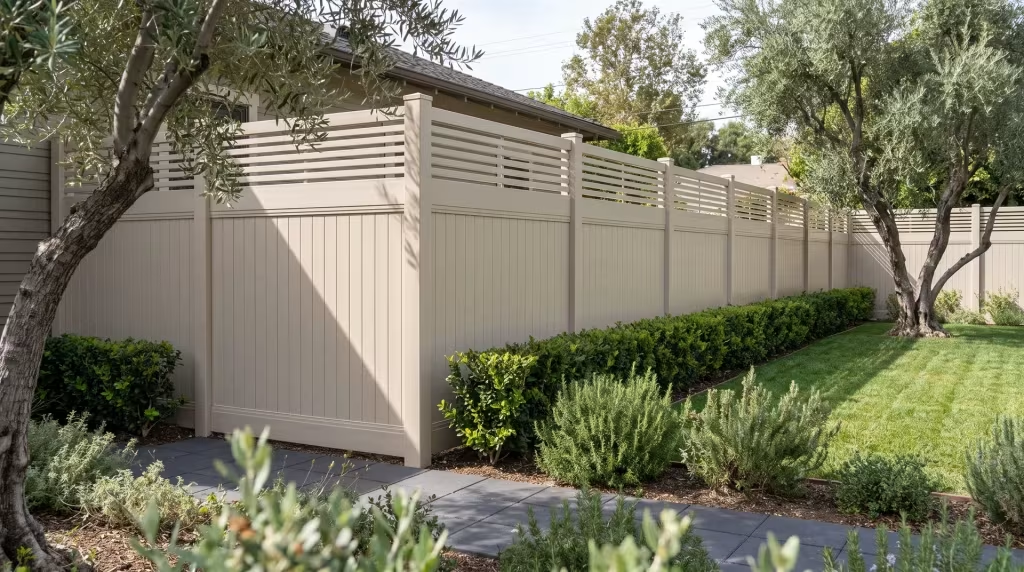
From the vineyard-lined southeast side of town to the historic downtown around Livermore Carnegie Library and Park, lot sizes and grades change enough block to block that a phone estimate is always a starting point. We also build near Shadow Cliffs Regional Recreation Area and out toward Vasco Road, serving homes bordering Pleasanton, Dublin, and Fremont across the Tri-Valley.
Out in the valley a run is long and you take it in all at once, so tone carries further than a swatch suggests. Vinyl offers families to work between. Aluminum offers a short set of finishes. Both keep their color outdoors.
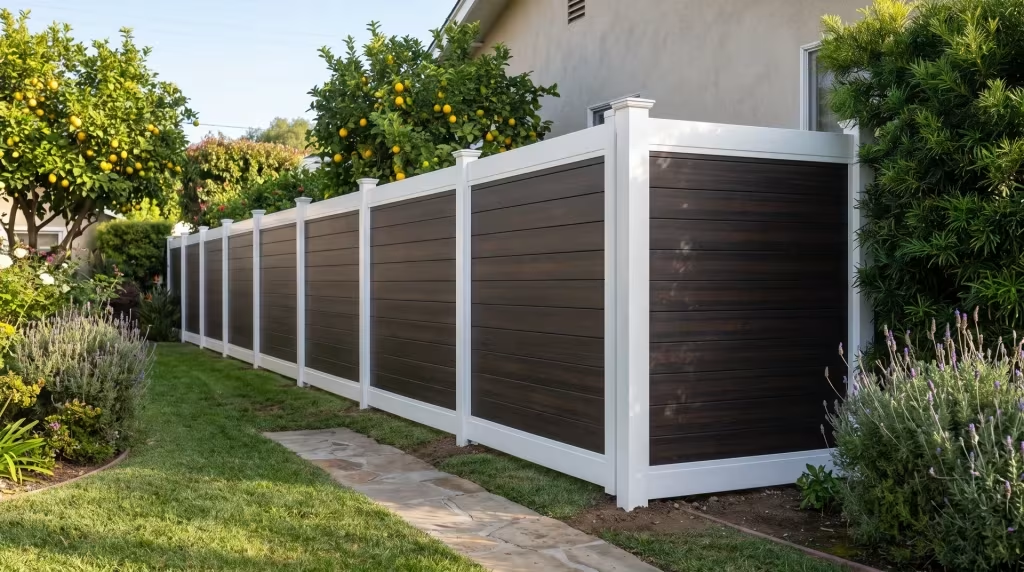
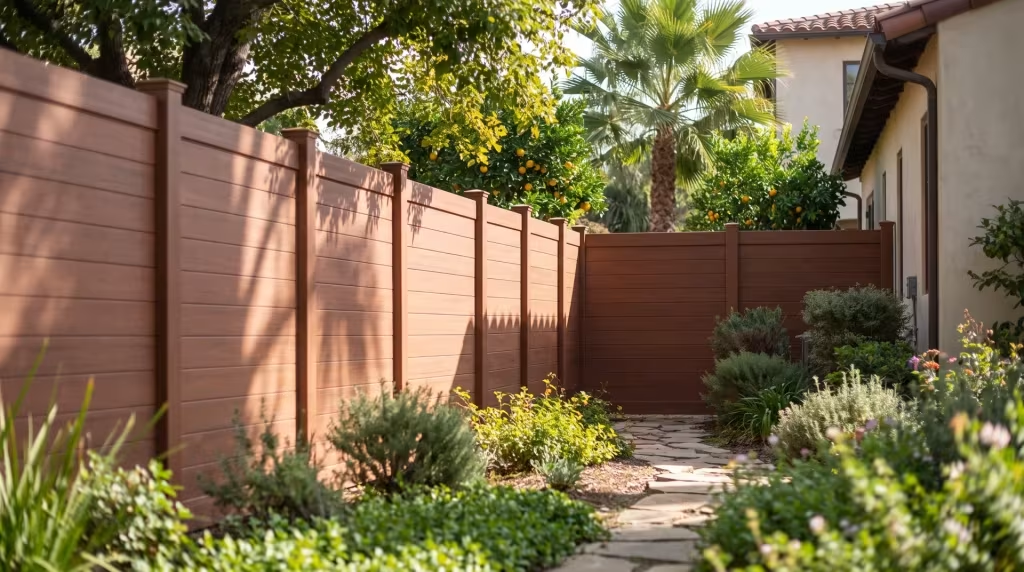
Four flat tones do the quiet work. Six smooth wood grains bring warmth, Dark Walnut among them. Four textured blends go further and read like sawn timber up close. In every case the color is in the material, not on top of it.
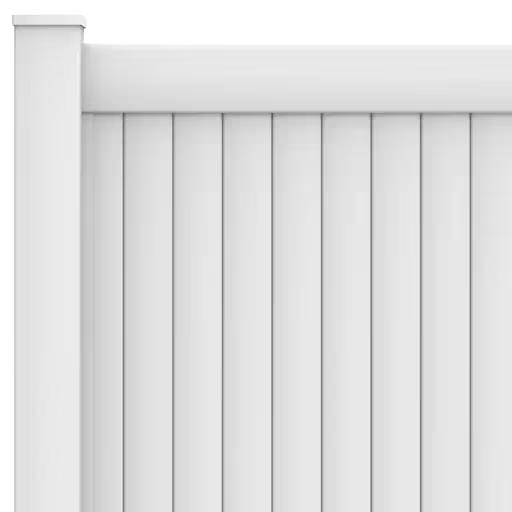
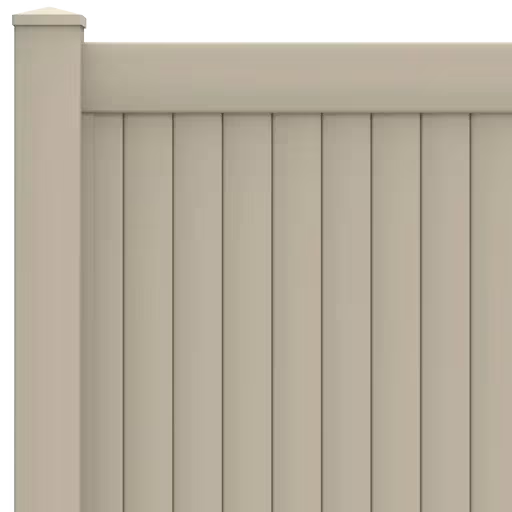
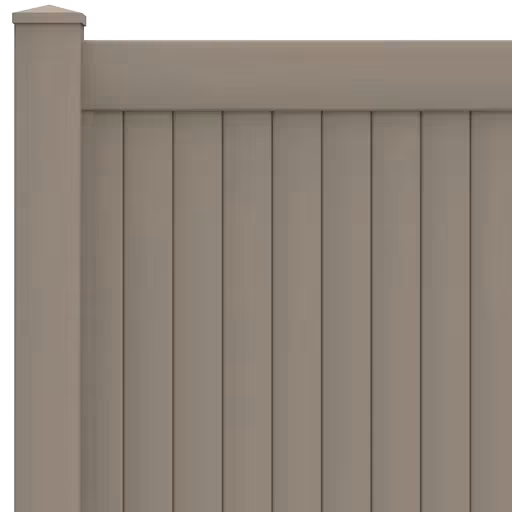
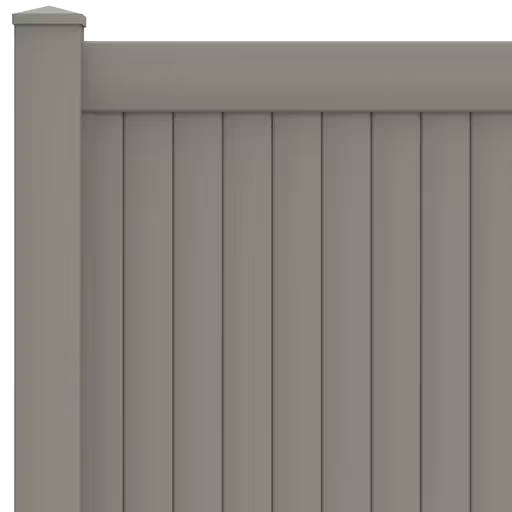
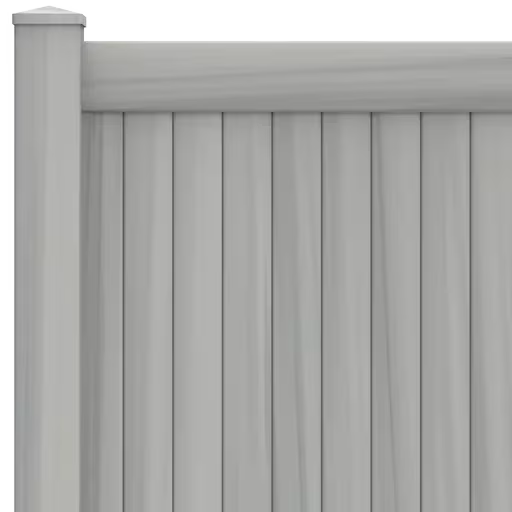
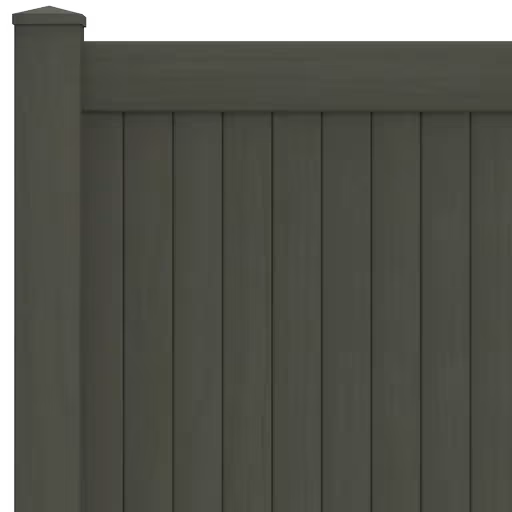
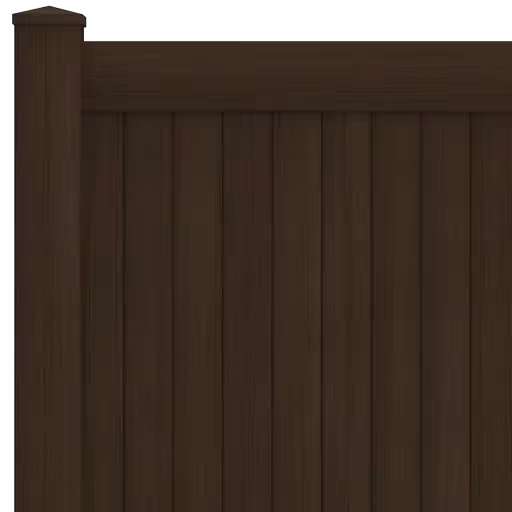

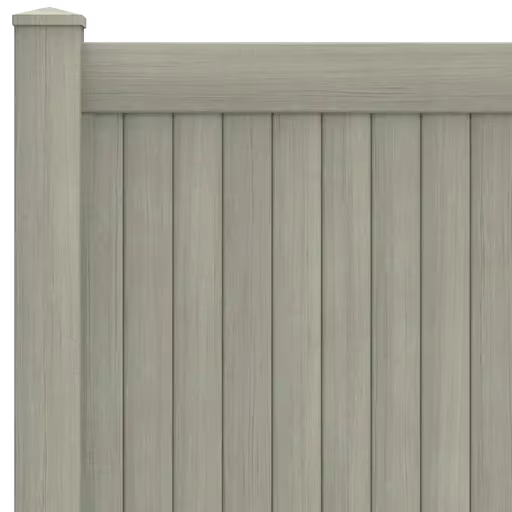
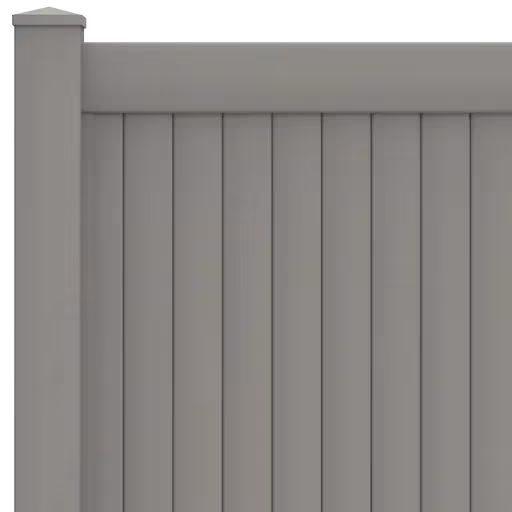
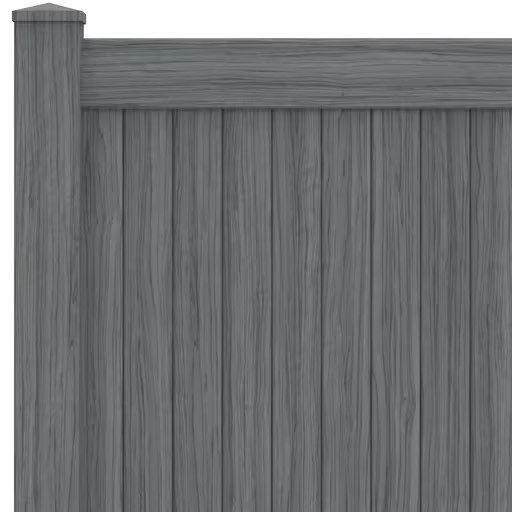
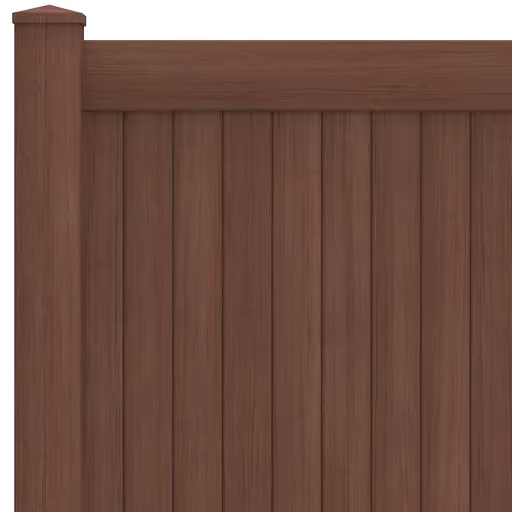
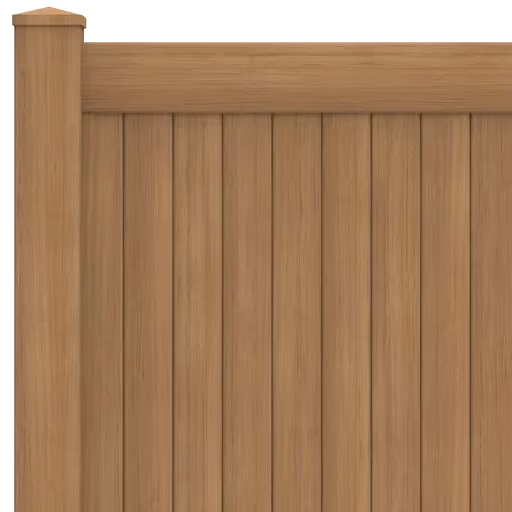
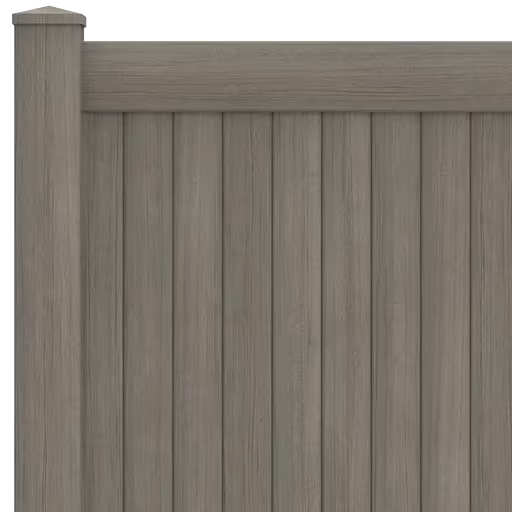
Pro Vinyl and Aluminum Fencing partners with Catalyst, one of the leading vinyl fence manufacturers in the United States. Their US-made vinyl, our custom fabrication and installation, backed by a transferable limited lifetime material warranty.

On flat and slatted styles the choice is three deep: wood grain, black, white. The contoured slat profile arrives matte black, no alternative. Electrostatic powder coat grips the aluminum under heat, unlike paint that sits on a surface.
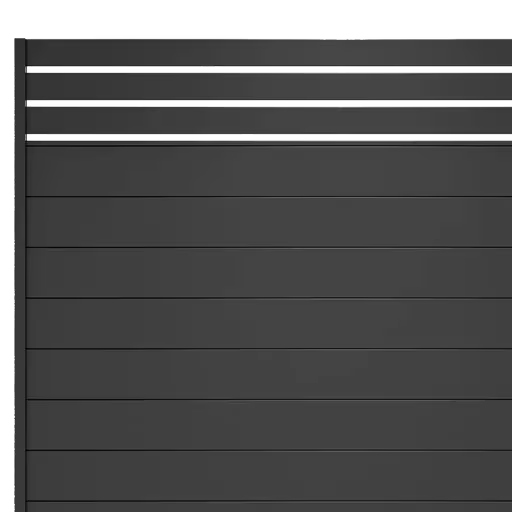
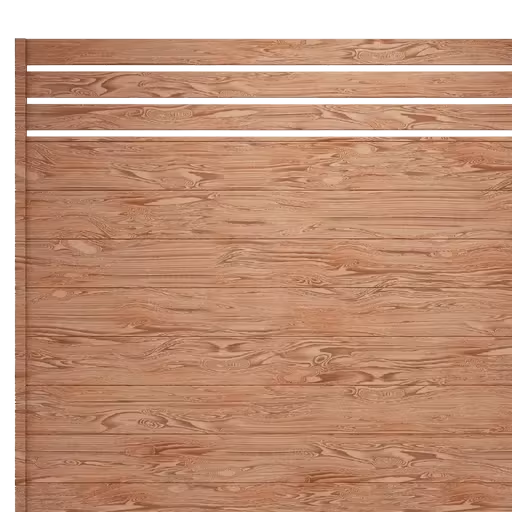
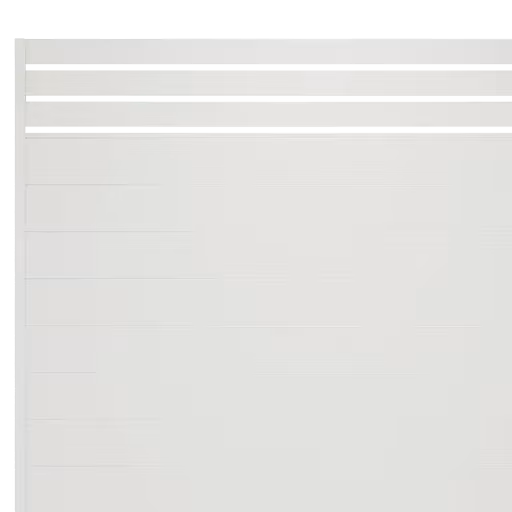
Pro Vinyl and Aluminum Fencing is a trained and authorized SLEEKFENCE™ contractor. SLEEKFENCE™ is a premium-class aluminum fencing brand registered in the USA – their engineered material, our custom fabrication and welded install, with a 20-year material warranty behind it.

Wind belongs in this decision. So does the style you settled on, the fall of the ground, and the ceiling that applies where you build. Go tall on an exposed parcel and the aluminum posts take a concealed insert to stiffen the run.
| Fence style | Min | Max |
|---|---|---|
| Vinyl privacy | 4 ft | 8 ft |
| Vinyl privacy w/Accent top | 5 ft | 8 ft |
| Vinyl picket | 3.5 ft | 6 ft |
| Vinyl wall topper | 2 ft | 3 ft |
| Aluminum privacy | 4 ft | 12 ft |
| Aluminum semi-privacy | 4 ft | 12 ft |
| Aluminum privacy hybrid | 4 ft | 12 ft |
| Aluminum wall topper | 2 ft | 4 ft |
Full-service installation: old fence hauled away, footings dug, and panels racked true to your yard’s slope.
The full vinyl gate lineup runs on a metal frame under the cladding, from a single side gate to a wide driveway gate.
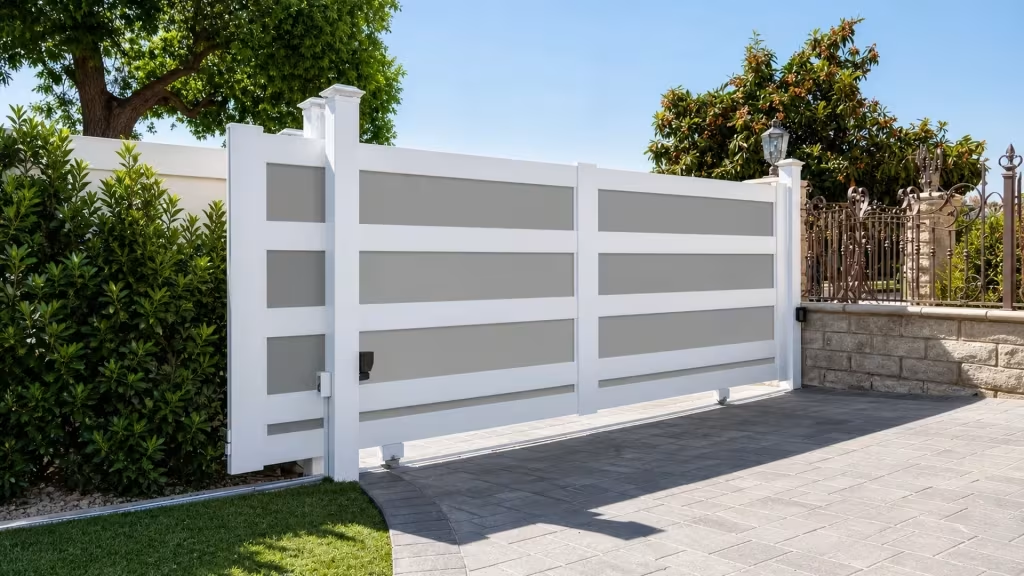
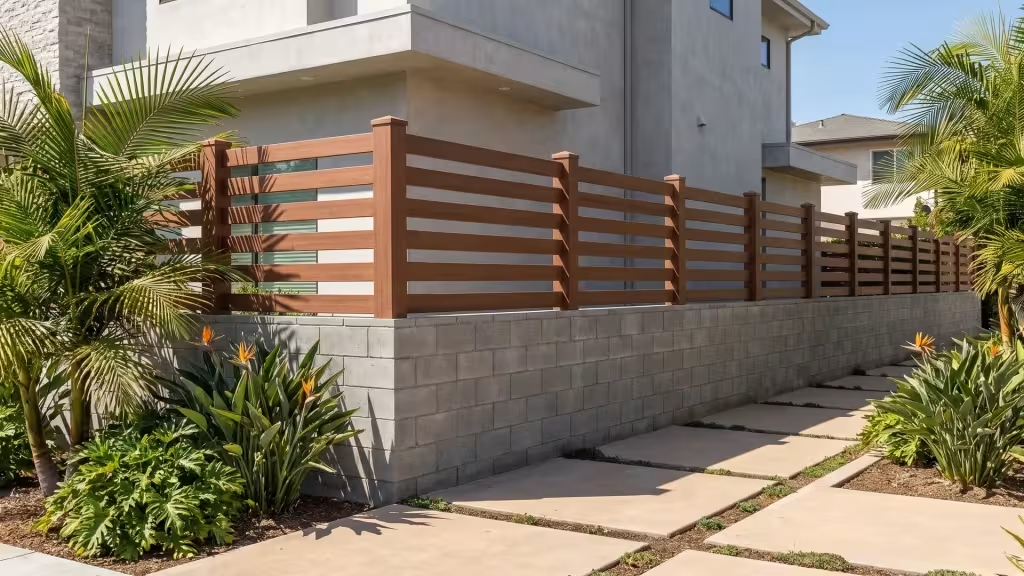
A short section mounted on the wall or fence you already own, adding height without tearing out what still works.
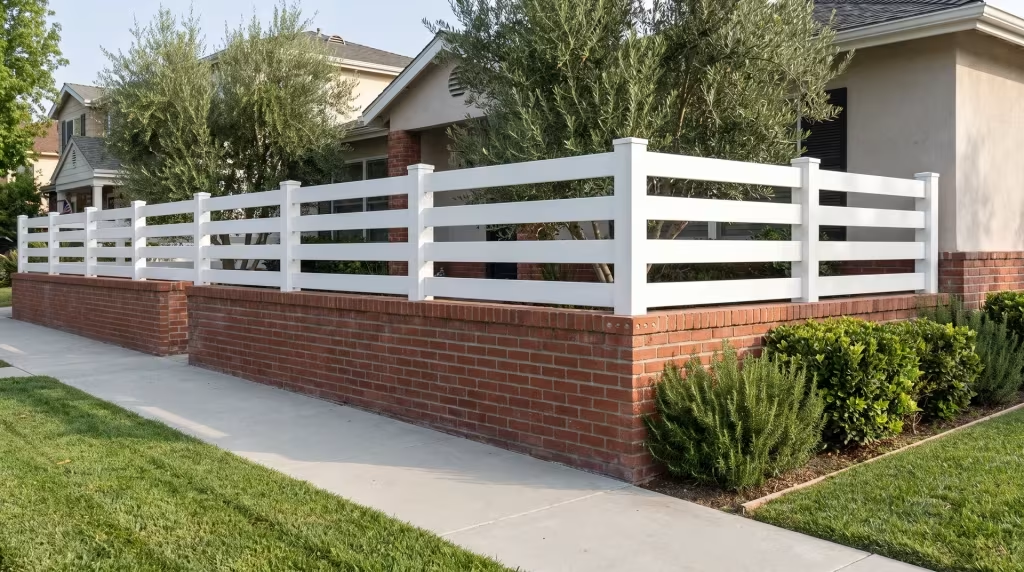
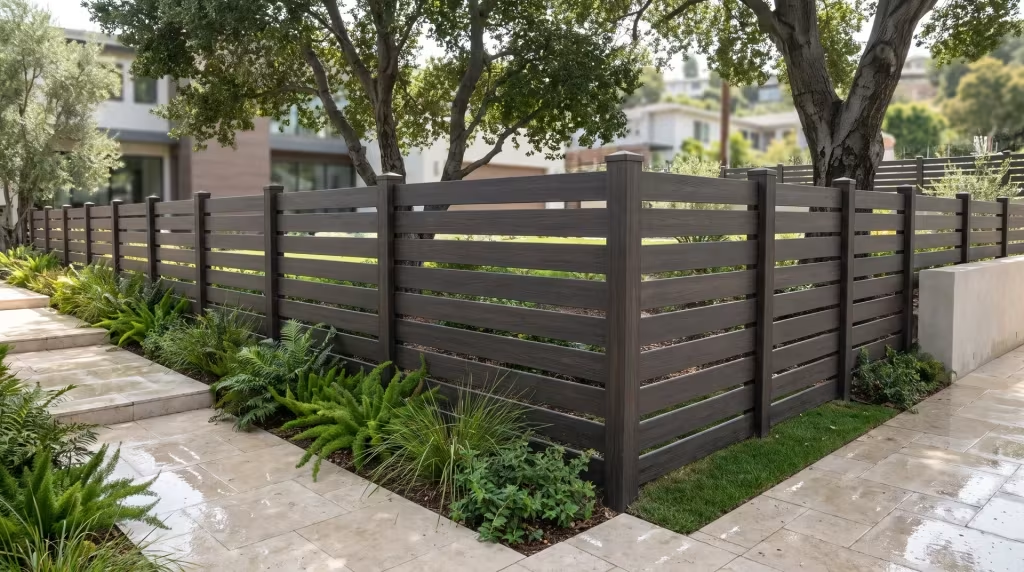
Every real vinyl fence color we build, spanning solid neutral tones to layered wood-grain finishes.
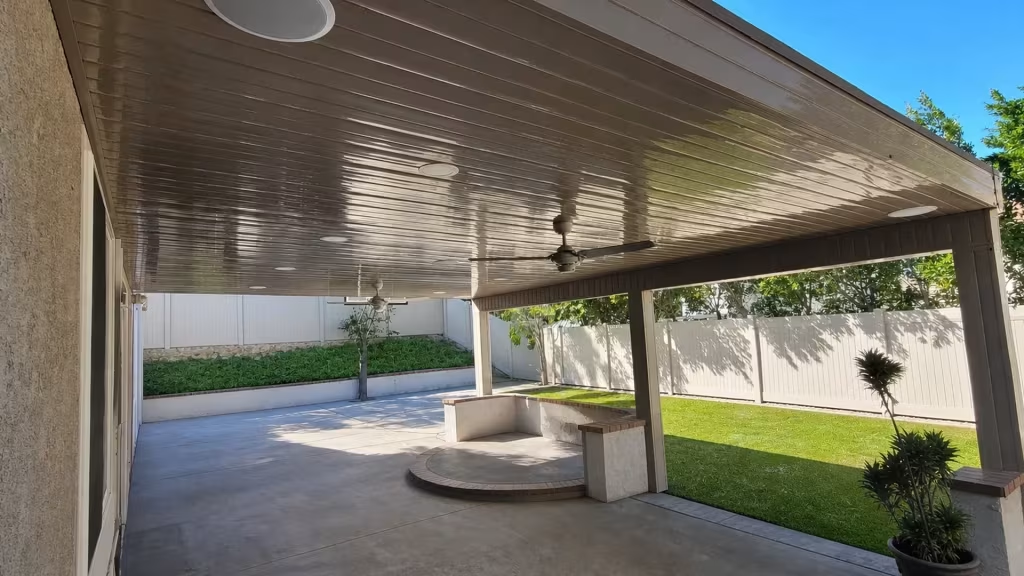
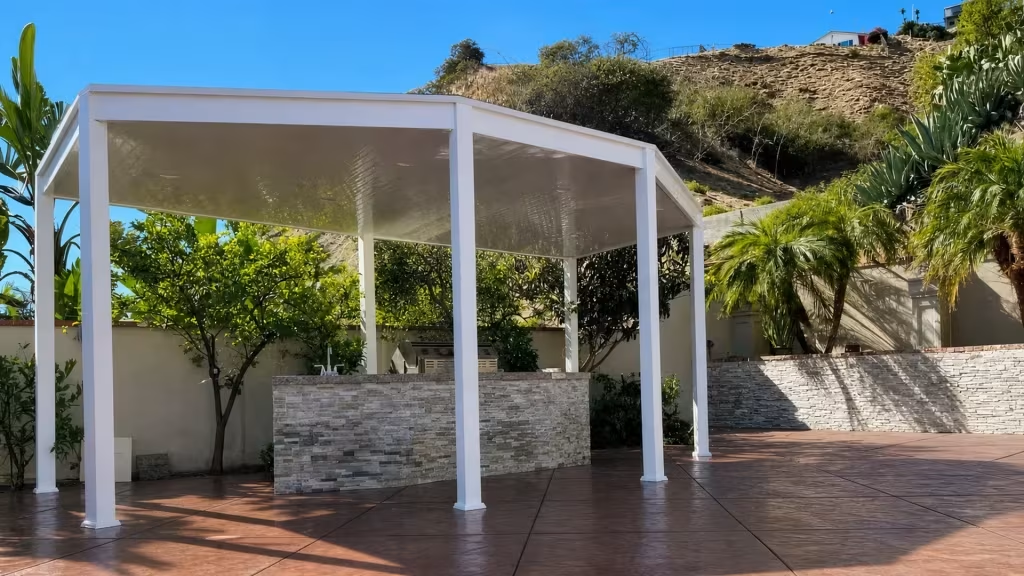
Patio covers and pergolas get built to your yard’s footprint, skipping the sanding and staining a wood cover demands.
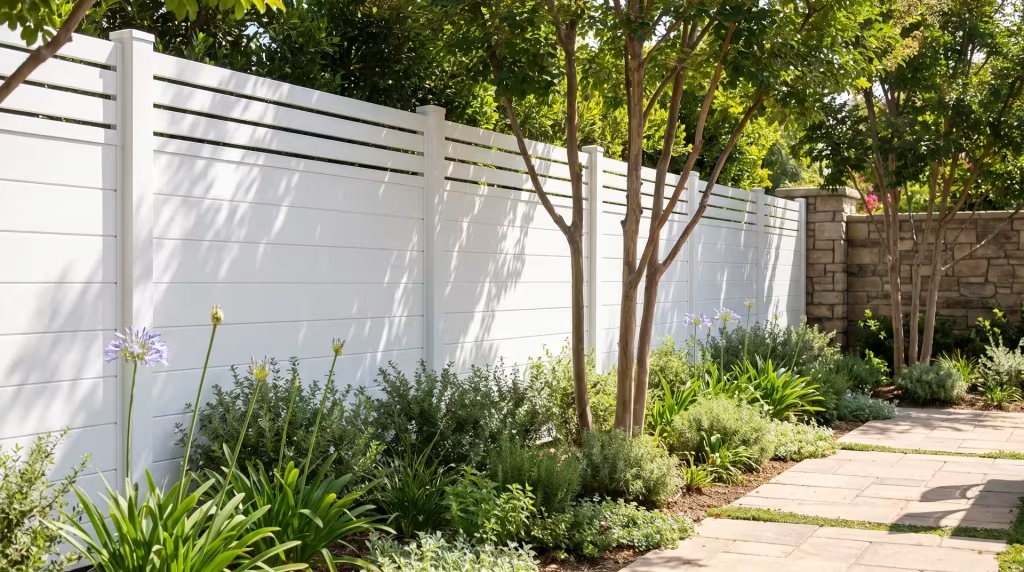
Custom aluminum fencing built in privacy, semi-privacy, or picket styles, powder-coated against rust.
Wall toppers welded from aluminum, anchored atop your existing block or masonry wall to add height.
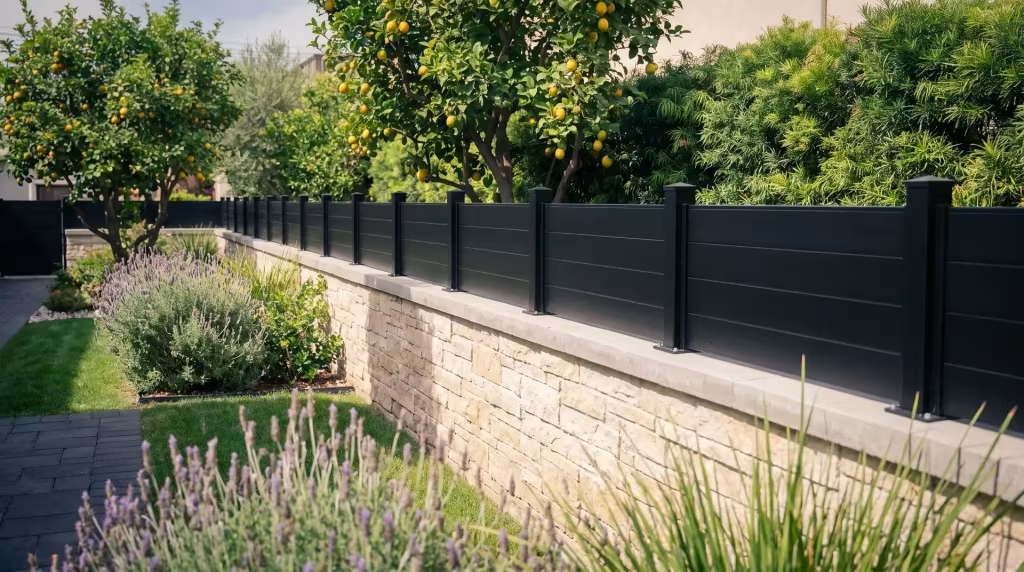
Gates welded from aluminum to match your fence, built as a walk, driveway, or rolling gate.
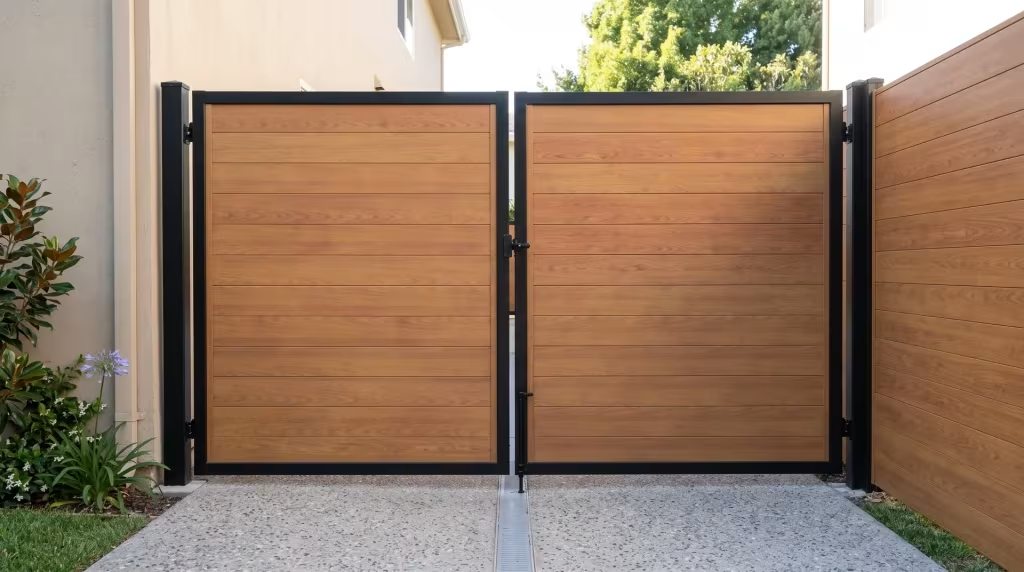
I had Pro Vinyl Fencing replace two wooden gates with their vinyl product. Mike and Team did an outstanding job from quoting through implementation. If you are looking for quality product and quality work for a great price then look no further.
Their customer service will exceed your expectations.

Levon with his team, Igor and David, did an excellent job installing my and my neighbor’s new fence. It looks great. Levon was easy to work with as well. He said he would finish in one day, and he did. The price was good as well.
I highly recommend Pro Vinyl Fencing.

The fencing is Beautiful! Everything was perfect from start to finish! David did an Outstanding Job!!! Extremely professional, clean and clear on all of our requirements!
We Highly recommend this company and David as an installer!!!

Mike gave us the estimate. Was really patient and explained things well. Jasmin easy to communicate especially through text and Avag was super nice and polite. Avag, Did a great job installing our side fence. Will be calling them again for more fencing in the future.

Vineyard-lot privacy runs, downtown picket fences, pool enclosures, and wind-rated wall toppers make up this set of vinyl and aluminum installs finished around Livermore and the wider Tri-Valley, each built to hold its line through valley gusts.
Livermore incorporated on April 1, 1876, and is the principal city of the Tri-Valley area, part of Alameda, home to 87,955 residents. It sits on the eastern edge of the Bay Area inside the Livermore Valley, a stretch of the Diablo Range roughly 15 miles across and 10 miles north to south, bordered by Pleasanton, Dublin, and Fremont.
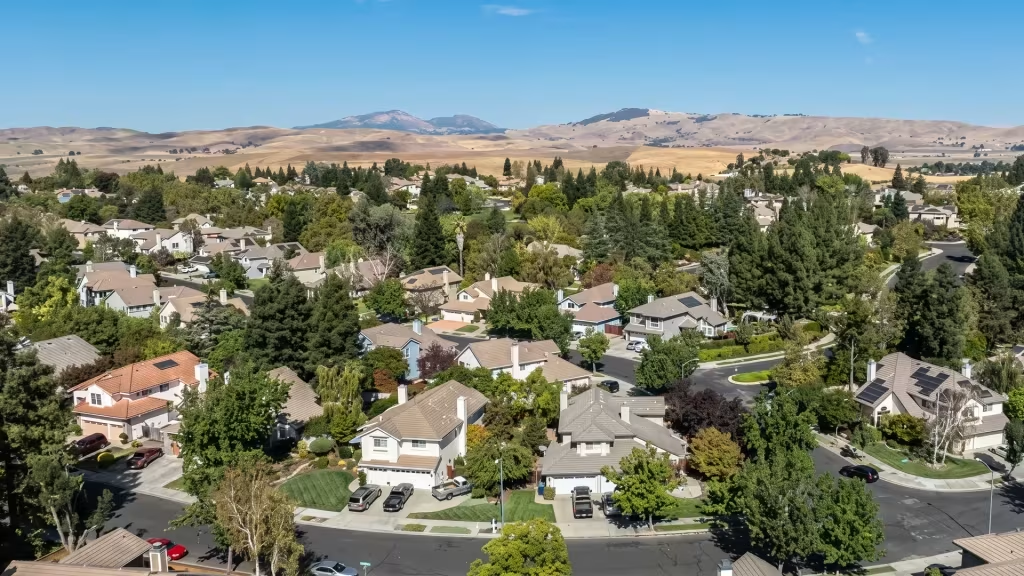
The valley draws Pacific wind in from multiple gaps in the surrounding hills, and a hot-summer Mediterranean climate means long dry stretches between storms. Several local faults, including the Greenville, Tesla, and Livermore faults, run through the area, and the ground itself is a very gravelly coarse sandy loam. Posts here get set to that soil, and exposed panels get the wind-rated treatment rather than a standard build.
Southeast Livermore’s vineyard neighborhood sits alongside a compact historic downtown anchored by the Livermore Carnegie Library and Park, with Shadow Cliffs Regional Recreation Area’s 266 acres and 80-acre lake nearby. Interstate 580 crosses the Altamont Pass along the north edge, Interstate 680 runs along the west, State Route 84 heads southwest toward Fremont, and Vasco Road serves the valley’s eastern reach.
Front and street-side yards cap at 3 feet under Municipal Code § 3-05-020, with narrow corner-lot exceptions to 6 feet. Side and rear yards generally run to 6 feet, extendable to 7 feet with matching materials under Development Code Chapter 17.24, and a designated truck-route line can reach 8 feet with a conditional use permit.
Any fence over 6 feet needs planning approval and a building permit, so verify your exact number with the City of Livermore Planning Division. A vineyard-lot subdivision’s own association guidelines, where one applies, can set a tighter number than the municipal code does.
Every Livermore project runs the same four stages regardless of lot size or grade: a real measurement, a written agreement, a wind-aware and code-aware build, and a warranty that actually holds long after the crew leaves the site.
Vineyard lot or downtown parcel, the sequence itself never changes, only the numbers inside it.
A team member walks the lot, checks wind exposure and soil, and measures before quoting a real number, not a guess.
Every material, color, height, gate width, and target date go on paper before the first post touches the ground.
Posts get set to match the valley soil, panels racked to grade, gates mounted, and the old line hauled off site.
Vinyl’s coverage transfers for life; aluminum carries 20 and 10 year terms, our workmanship backs both for 5 years.
Reads on wind-rated builds, soil and post depth, and keeping a fence looking new in valley heat.
Two-rail vinyl fencing marks a Los Angeles property line while standing up to rot, rust and pests.
Fences blog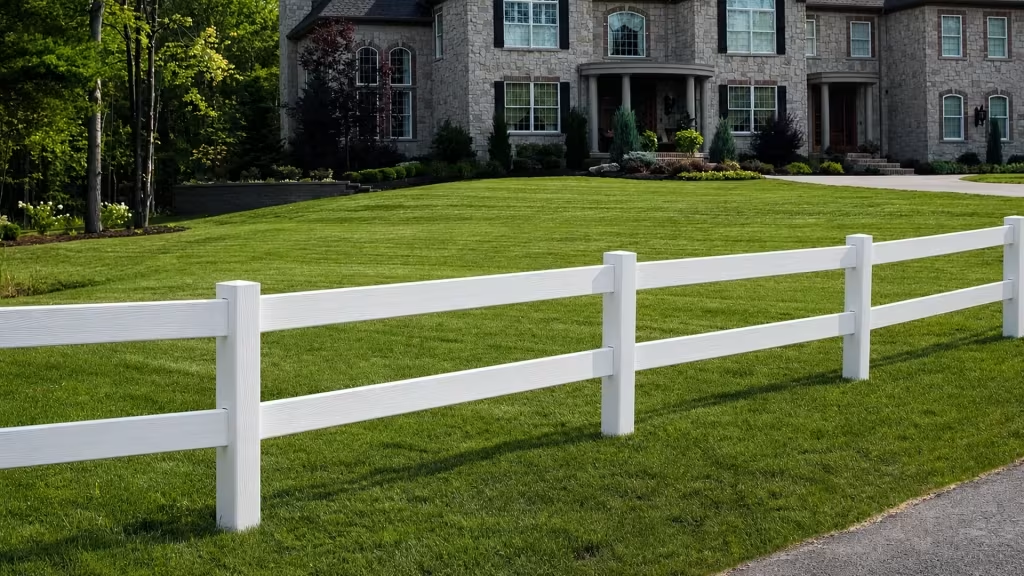
Livermore Fence FAQs: Height, Wind, and Code
Livermore’s valley wind, gravelly soil, and height rules that shift by yard type raise real questions that a generic fencing page never answers, so here is what homeowners across the Tri-Valley actually ask during a free, no-pressure on-site estimate visit.
Have a Question for Us?
Send a message or dial in, and a team member answers that same day.
Municipal Code § 3-05-020 caps a front or street-side yard fence at 3 feet, with select corner-lot layouts allowed up to 6 feet in limited spots.
Confirm which applies to your lot with the City of Livermore Planning Division.
Yes, but only on a side or rear line along a designated truck route, and only with a conditional use permit plus required intersection clearance.
Every other side or rear yard tops out at 6 feet, or 7 feet with matching added material.
Yes.
The valley pulls in Pacific wind from several gaps in the surrounding hills at once, so exposed lots often get vinyl panels with metal inserts, steel framing hidden inside the rails so the fence holds its line under gusts.
Any Livermore fence over 6 feet needs planning approval and a building permit.
Front and side-street fences under 3 feet and most side and rear runs to 6 feet typically don’t, but confirm your specific case with the Planning Division first.
It can. If your vineyard-neighborhood lot sits inside an HOA, association rules may set a lower height or different material list than the municipal code allows, and the stricter of the two rules applies to your project.
Yes, across Livermore and the Tri-Valley, including areas bordering Pleasanton, Dublin, and Fremont. Lot grades and soil vary enough around town that a real figure comes fastest from seeing the yard in person.