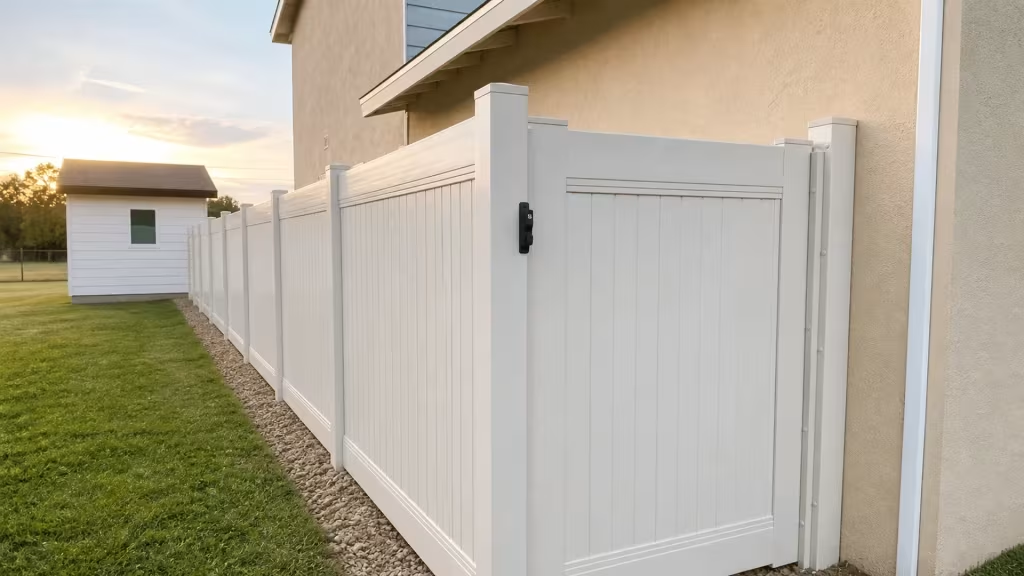
Vinyl Fence Installation
Full-service installation: old fence hauled away, footings dug, and panels racked true to your yard’s slope.
Call Now: (844) 776-0707

Get a fence that holds its line through San Francisco fog, shrugs off the wind off the Pacific, and fits the tight, uneven lots your block was built on.
We build in vinyl and aluminum, cut every panel to fit your yard, and back the work. A licensed installer and fabricator since 2018.
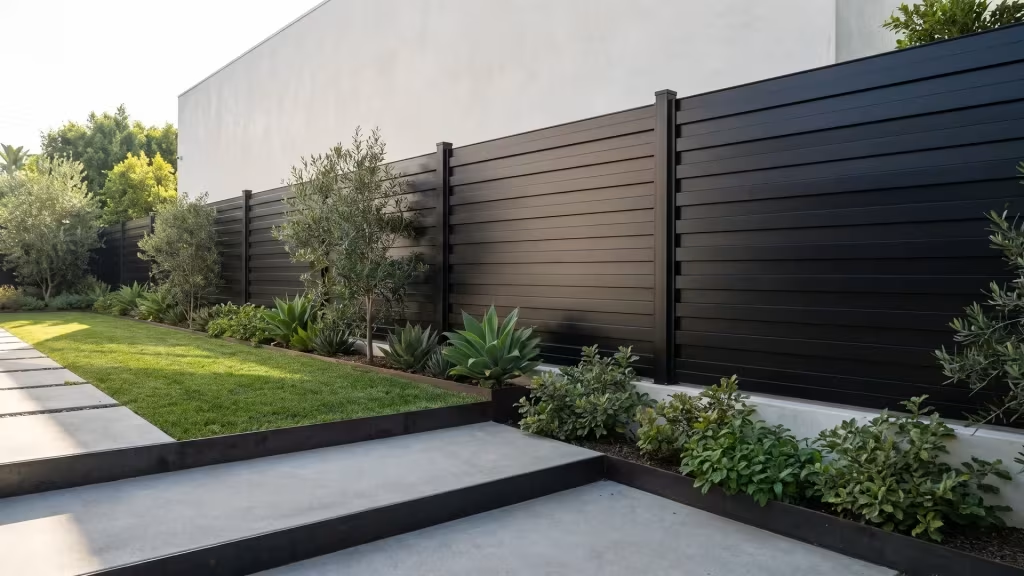
From a fog-proof privacy backyard to a clean aluminum front line, we build vinyl and aluminum fences across San Francisco.
The right one usually comes down to your exposure, your slope, and how much privacy you want, and near the water the material choice matters more than people expect. Tell us your yard and get a free on-site estimate.
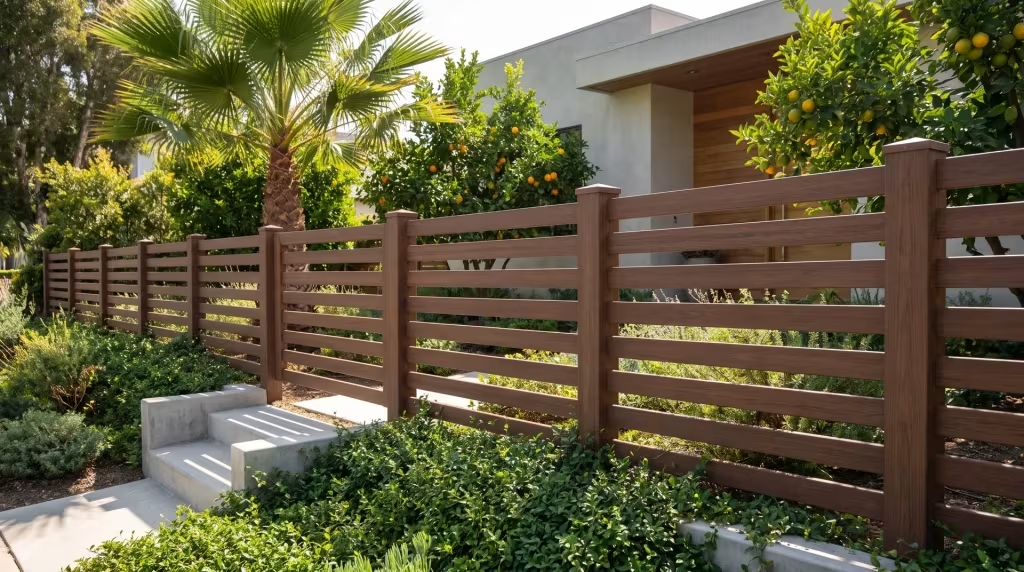
Vinyl (PVC) answers the one problem this city hands almost every fence: damp. Summer fog rolls off the cold Pacific and holds surfaces wet for hours, and that steady moisture rots untreated wood far faster than owners expect. Vinyl ignores it, and salt in the coastal air does nothing to it either.
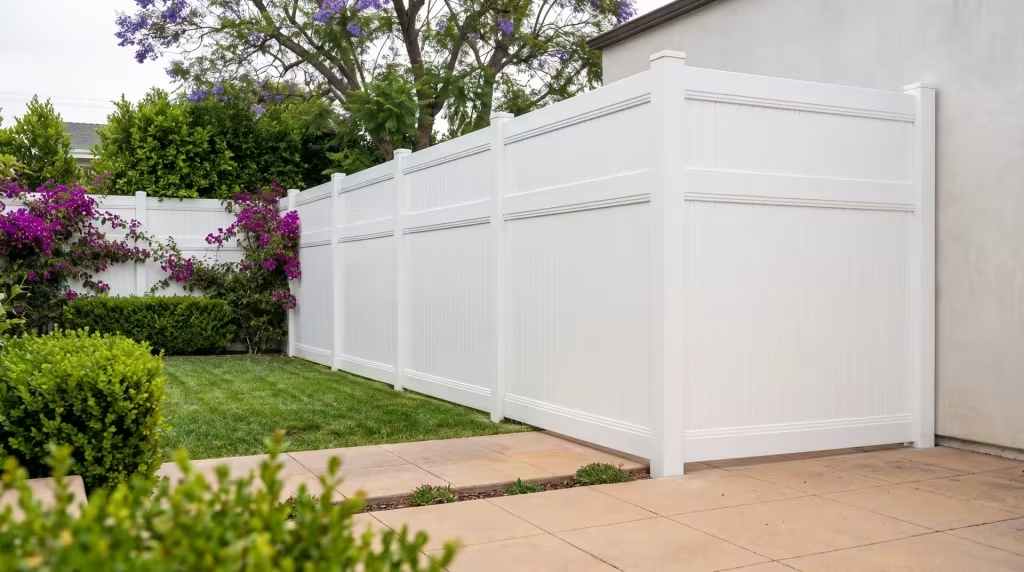
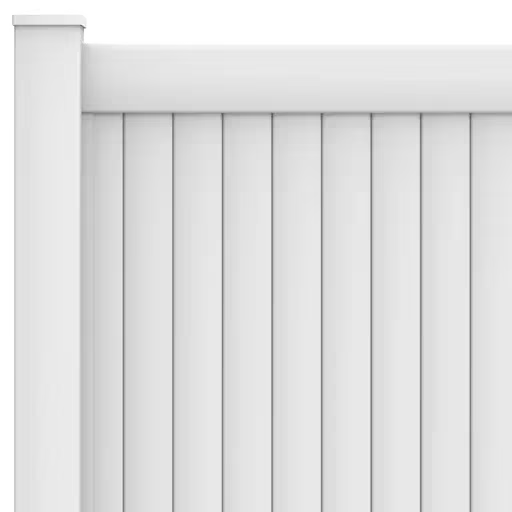
It needs no sealer and no repaint, it will not rot, and the color runs through the board instead of sitting on top, so a scuff never flashes white and the panel never yellows. Privacy styles use tongue-and-groove boards with no gaps, so the yard stays screened. Clean it twice a year and the maintenance is done.


On the ocean-facing west side, wind is the real engineering problem. Strong westerly air comes straight off the Pacific, builds through the afternoon, and funnels hard through the Golden Gate, and steady pressure like that tends to work an ordinary tall fence loose over time.
The metal insert in our vinyl privacy panels is built for exactly that: from the street it reads as plain vinyl, but there is metal inside the rails, so it takes any realistic wind and stays put.
San Francisco lots run narrow, often around 25 feet wide, packed close on hills that rarely sit level, and a stock panel off a shelf usually fights that.
Because we fabricate, the fence is built to your yard: heights cut from 2 to 8 feet, panels racked to follow a sloping grade so the line runs with the ground instead of stair-stepping, and runs sized for a shared line or a tight passage between homes. Wall toppers add height to an existing wall without tearing it out.
In a dense city, access drives cost as much as the fence does. A crew that has to carry material through a house or down a narrow side yard spends labor an open suburban lot never charges you for. Past that, price moves with footage, height, vinyl versus aluminum, the number of gates, how steep the grade is, and whether an old fence has to come out first.
Slope, access, and hidden demolition never read right from a photo, so the estimate is free, done on site, and comes back as a straight number, usually the same business day.
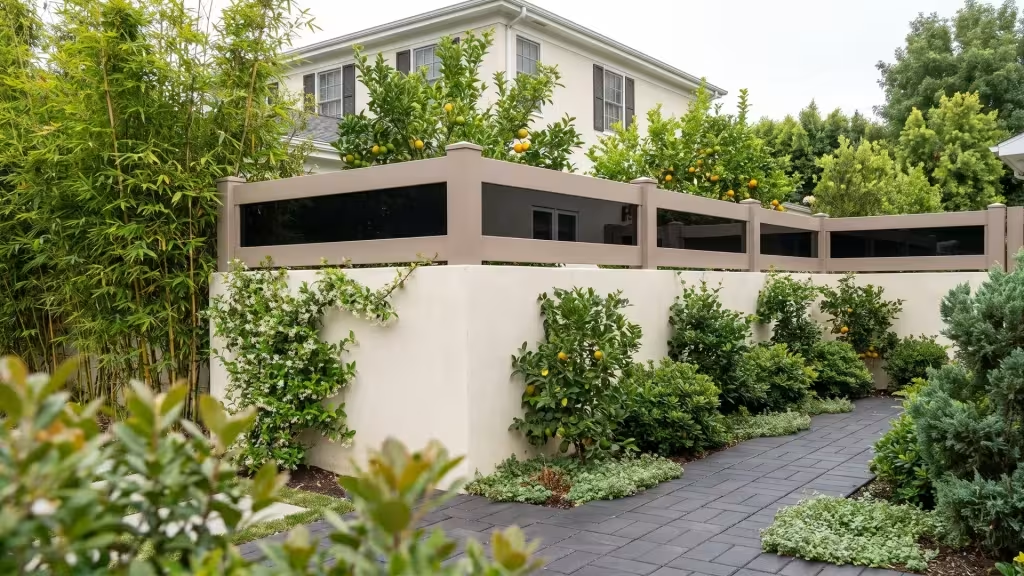
The vinyl and aluminum work we do in San Francisco runs from full-height privacy to clean aluminum front lines, matching gates, pool-code barriers and wall toppers built for city yards.
A tone that looks right on a screen can read cool out in fog light. Hold the sample against the wall or the post line it has to live beside, at the hour you are usually home. That comparison is the only one that counts.
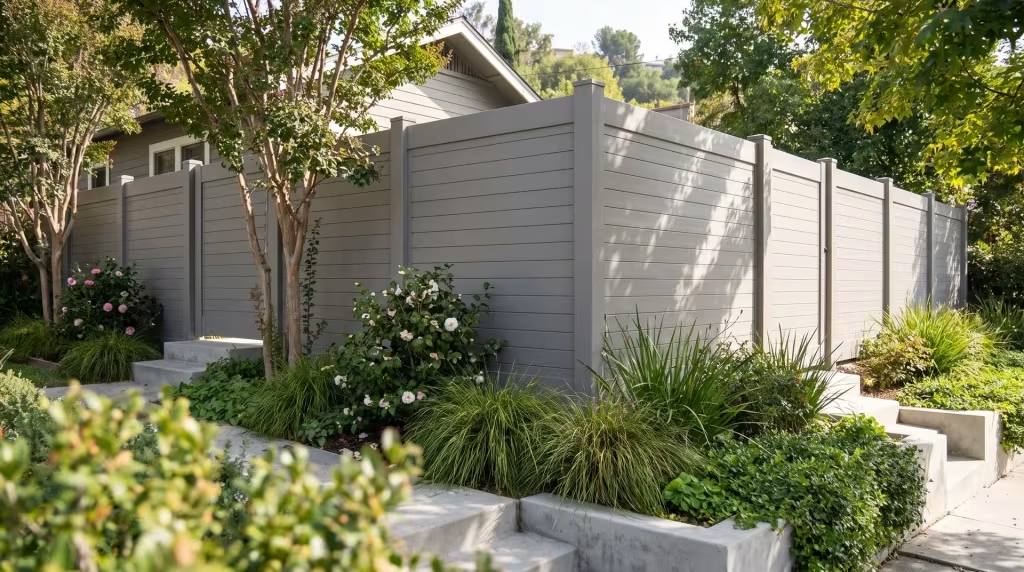
The wood grain group is the biggest of the three, six of the fourteen, and it is what people pick when they want boards to read as timber. Four flat solids handle the plain end, Gray among them. Four textured blends sit deepest of all.
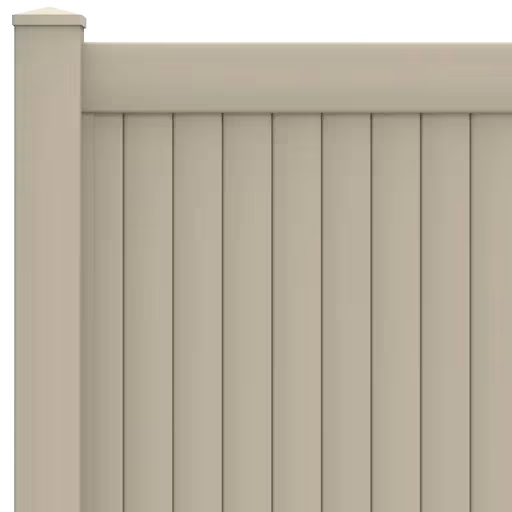
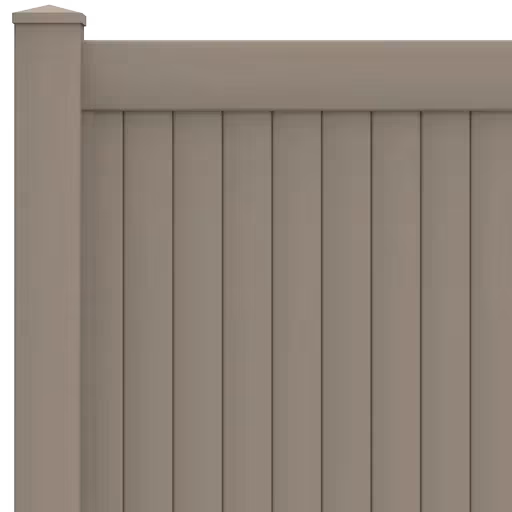
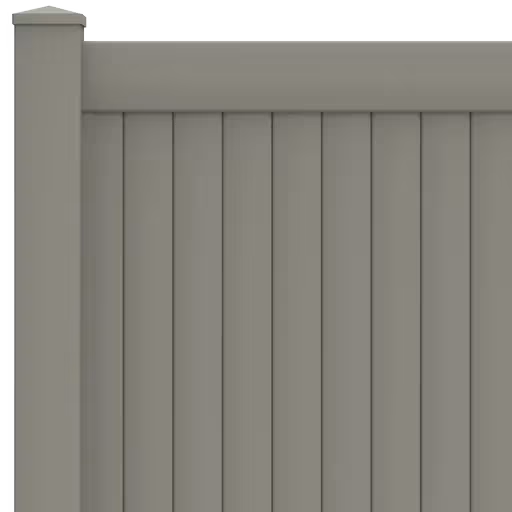
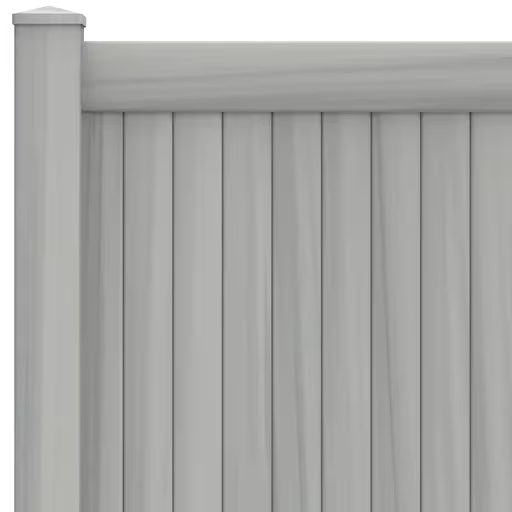
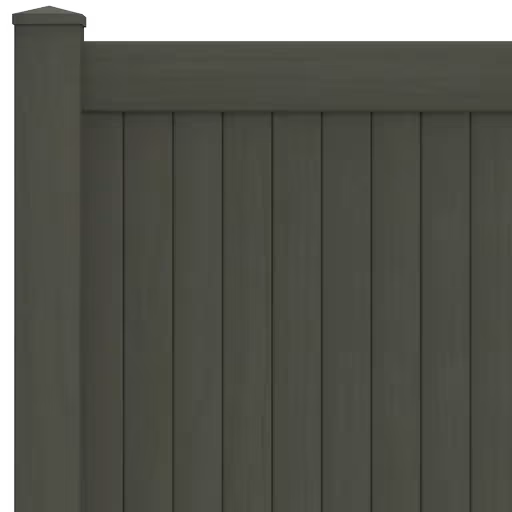
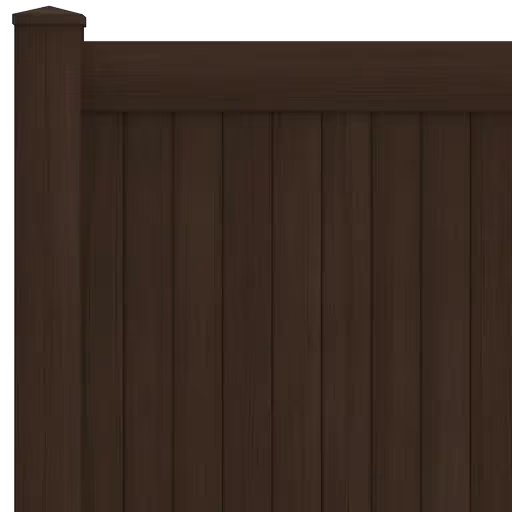
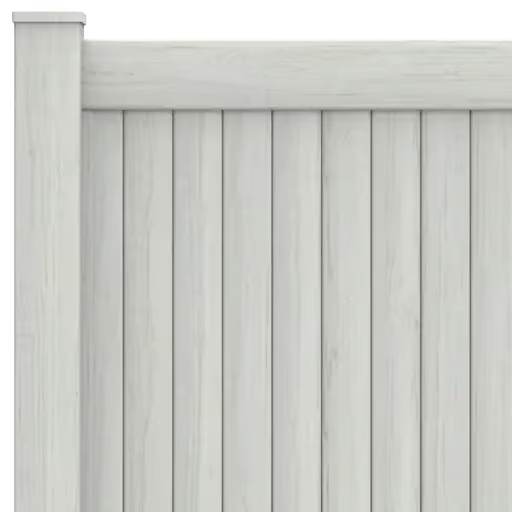
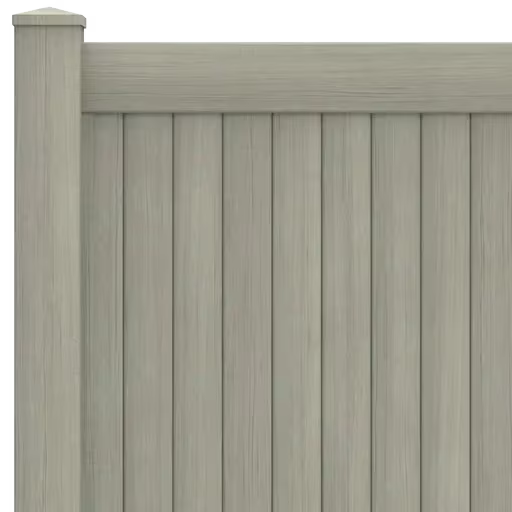
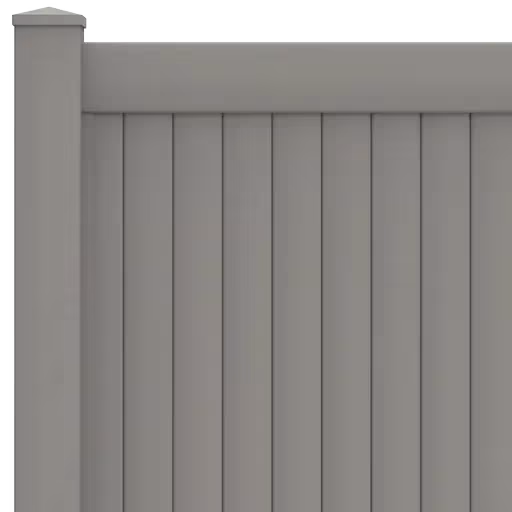
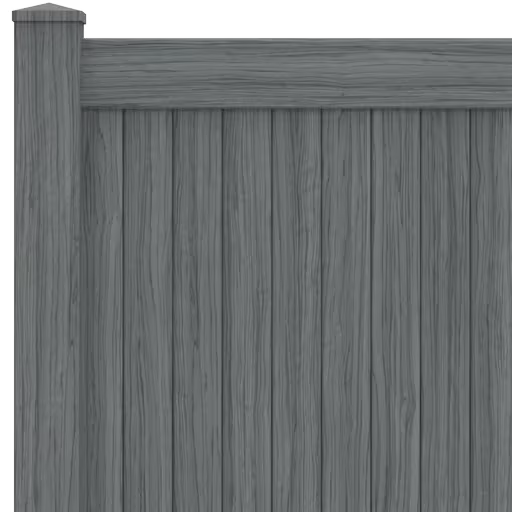
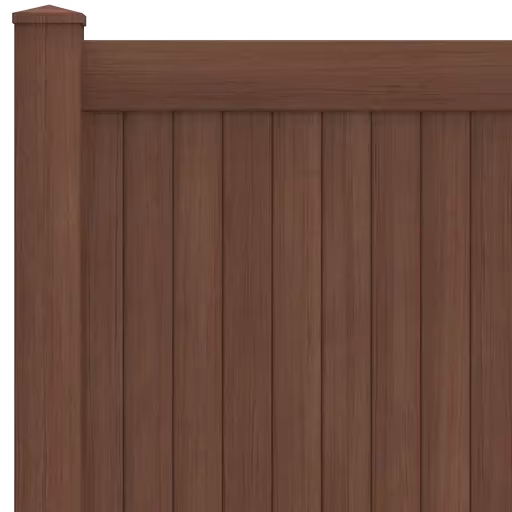
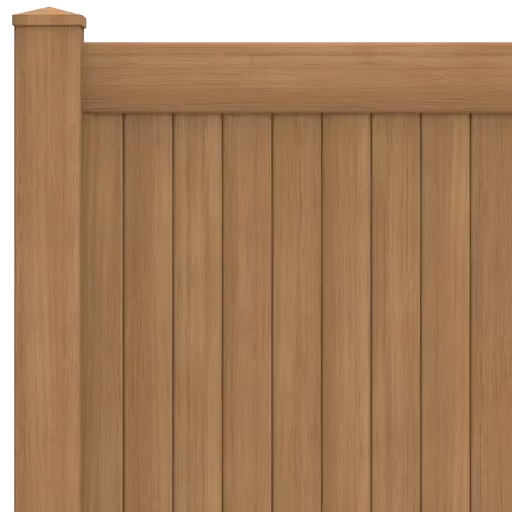
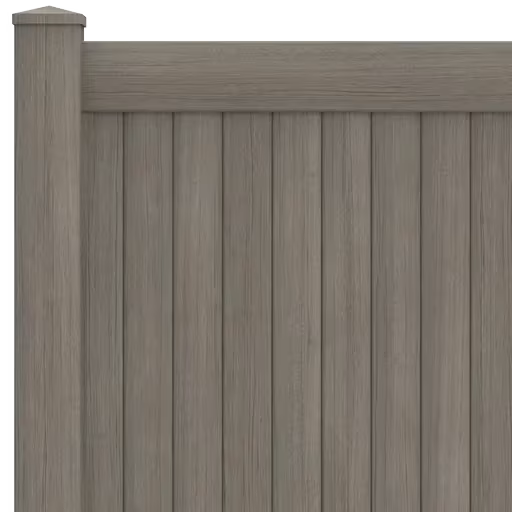
Pro Vinyl and Aluminum Fencing partners with Catalyst, one of the leading vinyl fence manufacturers in the United States. Their US-made vinyl, our custom fabrication and installation, backed by a transferable limited lifetime material warranty.

The contoured slat decides for you: matte black, and nothing else is offered. Choose a flatter profile and black, a wood grain and white all open up. Four finishes total, none custom, so we never promise to match a paint chip off the house.
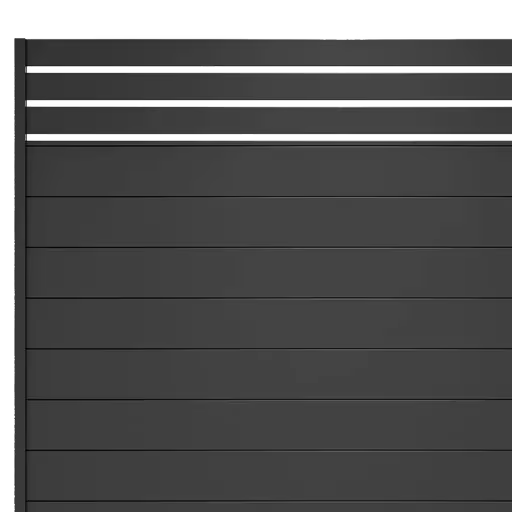
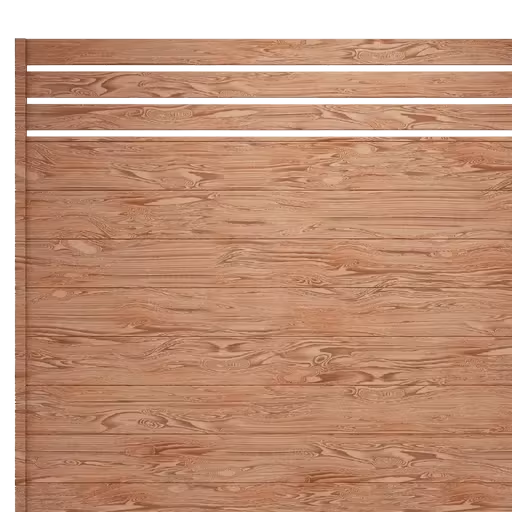
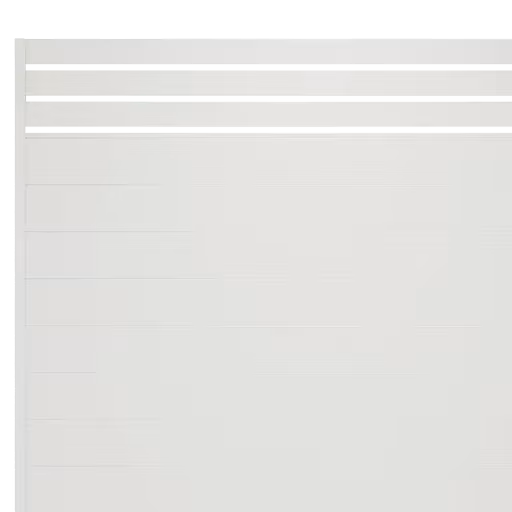
Pro Vinyl and Aluminum Fencing is a trained and authorized SLEEKFENCE™ contractor. SLEEKFENCE™ is a premium-class aluminum fencing brand registered in the USA – their engineered material, our custom fabrication and welded install, with a 20-year material warranty behind it.

A topper starts from whatever wall is there, so its height is half decided before we arrive. A pool barrier answers to code. A privacy screen answers to the neighbor’s window. Style first, then the site, then the rule for that address.
| Fence style | Min | Max |
|---|---|---|
| Vinyl privacy | 4 ft | 8 ft |
| Vinyl privacy w/Accent top | 5 ft | 8 ft |
| Vinyl picket | 3.5 ft | 6 ft |
| Vinyl wall topper | 2 ft | 3 ft |
| Aluminum privacy | 4 ft | 12 ft |
| Aluminum semi-privacy | 4 ft | 12 ft |
| Aluminum privacy hybrid | 4 ft | 12 ft |
| Aluminum wall topper | 2 ft | 4 ft |
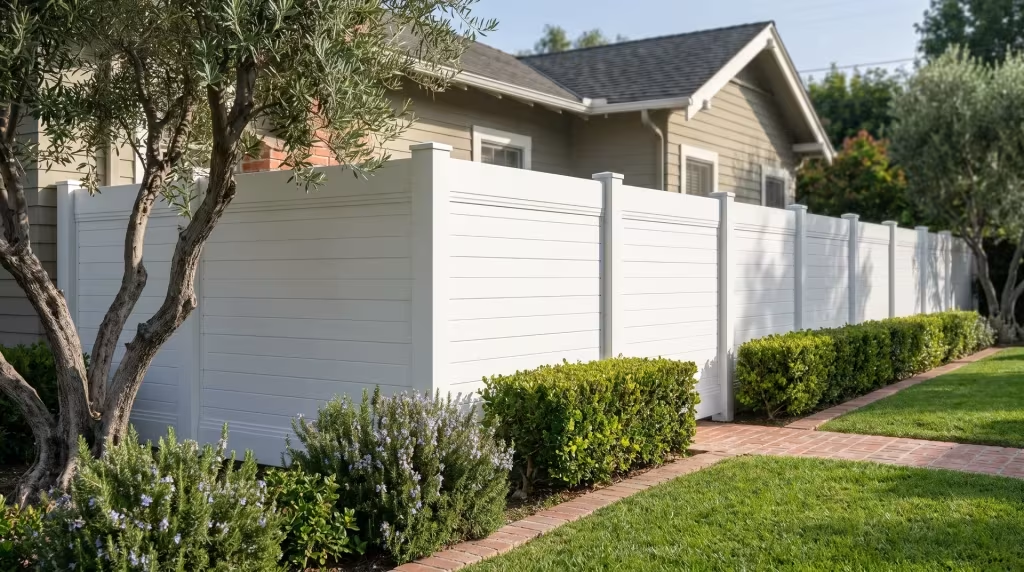
Full-service installation: old fence hauled away, footings dug, and panels racked true to your yard’s slope.
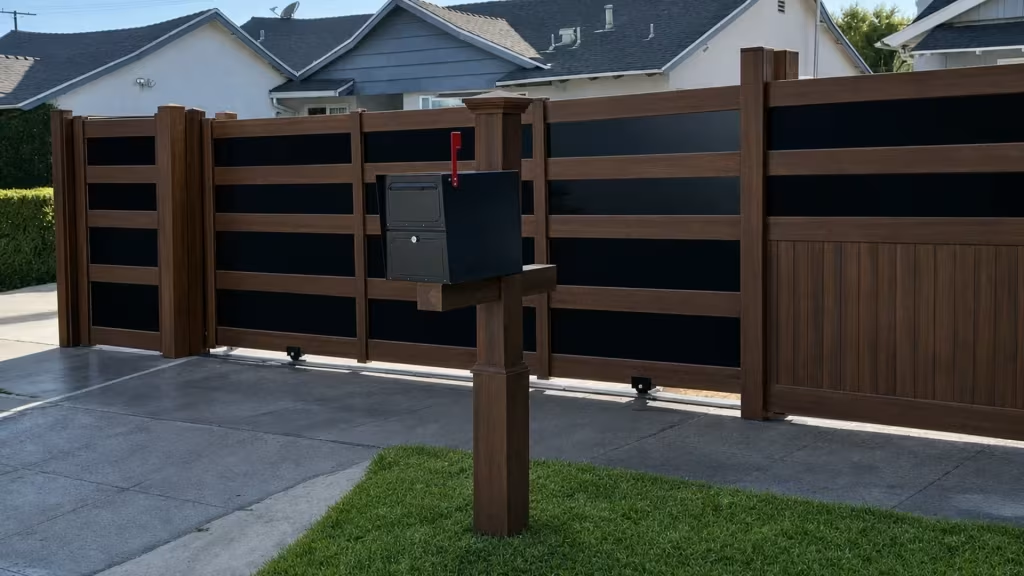
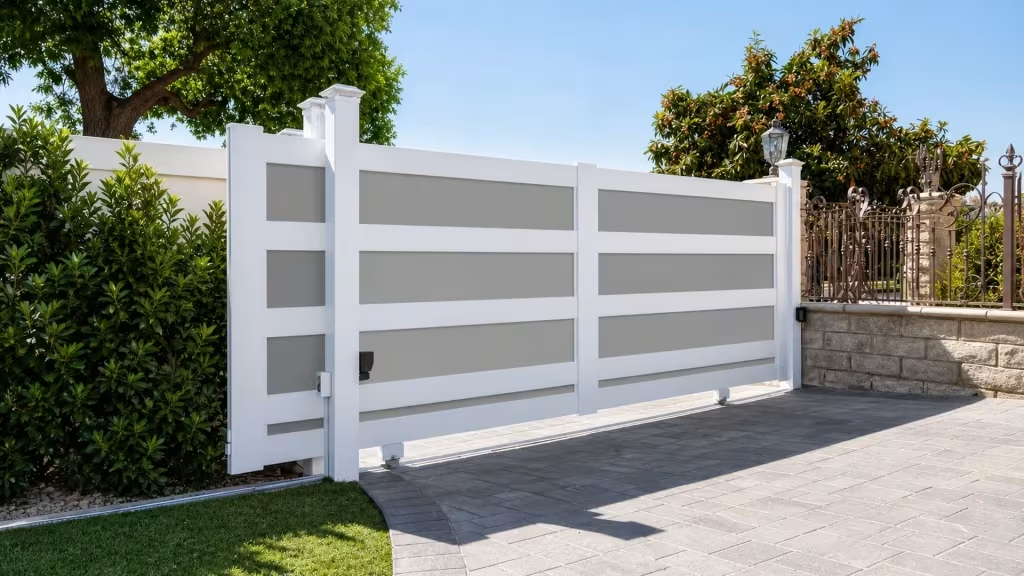
The full vinyl gate lineup runs on a metal frame under the cladding, from a single side gate to a wide driveway gate.
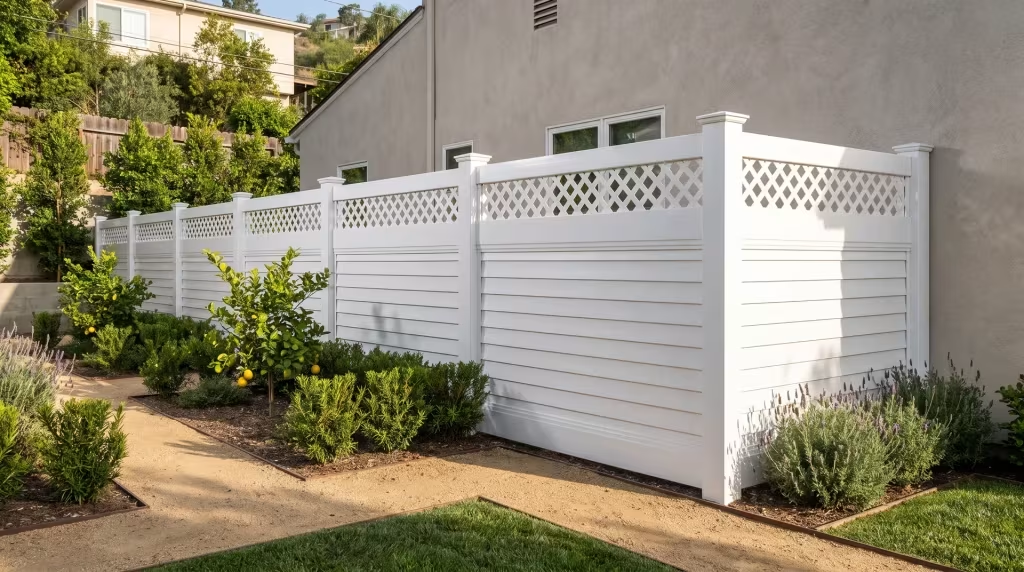
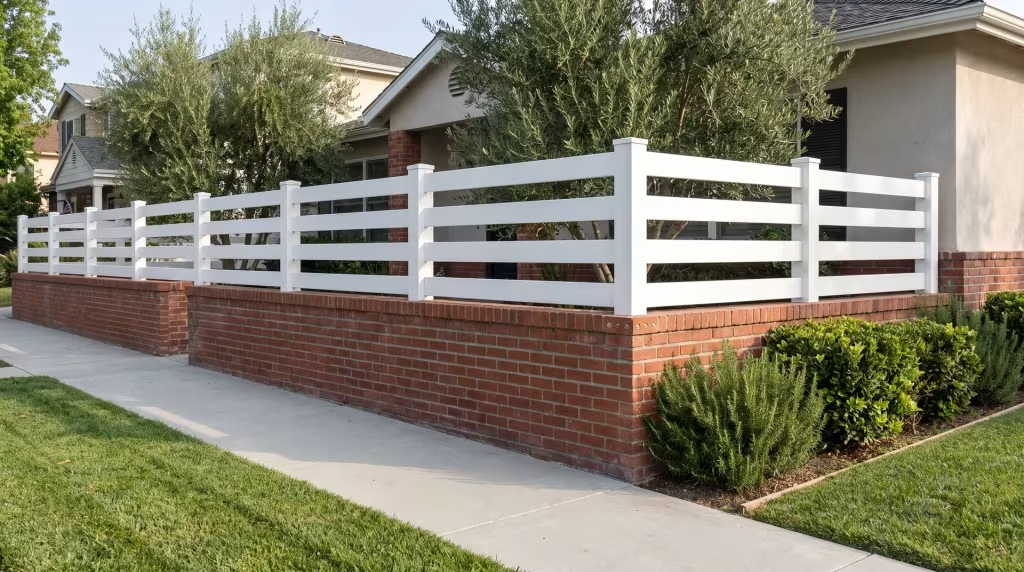
A short section mounted on the wall or fence you already own, adding height without tearing out what still works.
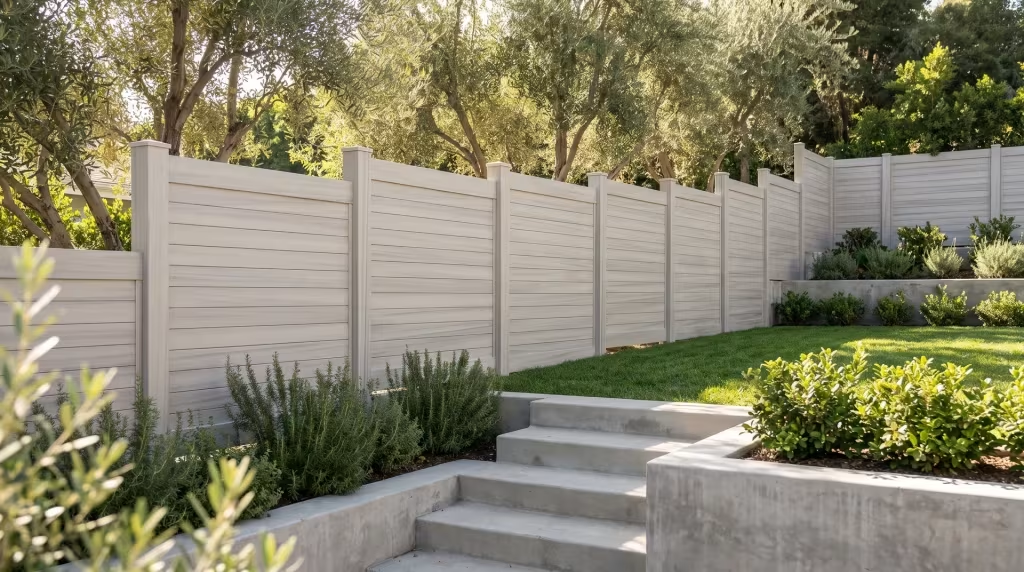
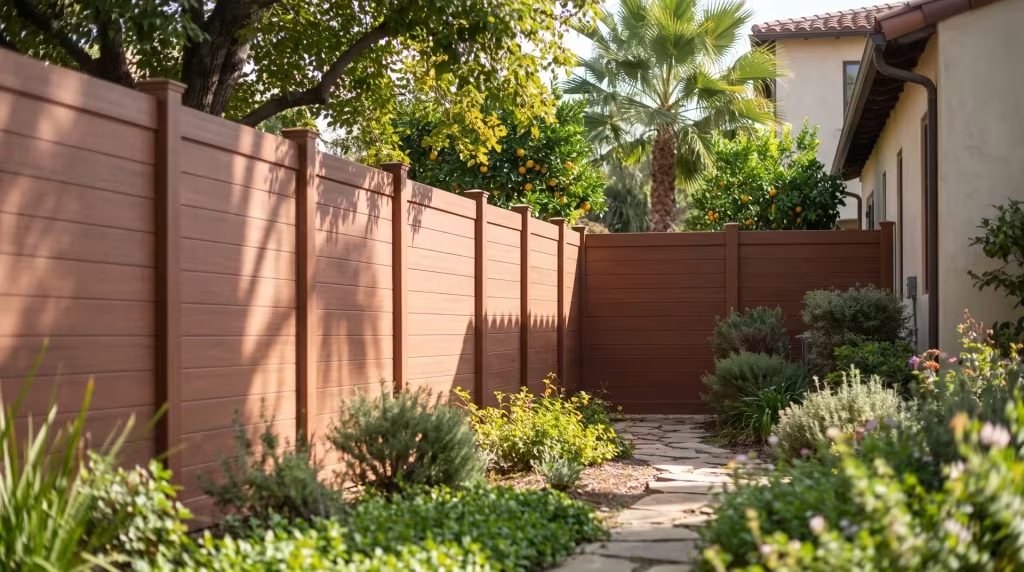
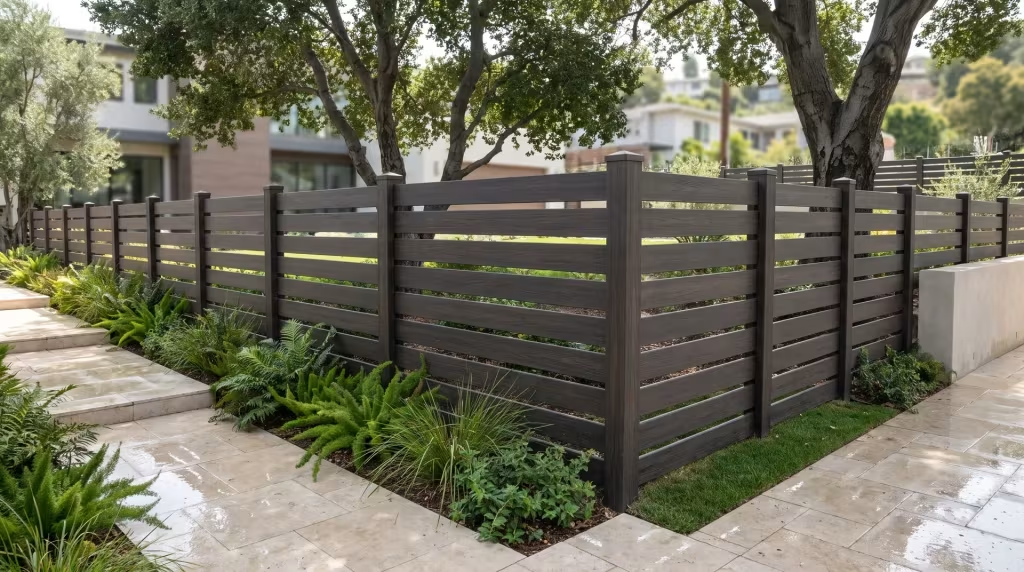
Every real vinyl fence color we build, spanning solid neutral tones to layered wood-grain finishes.
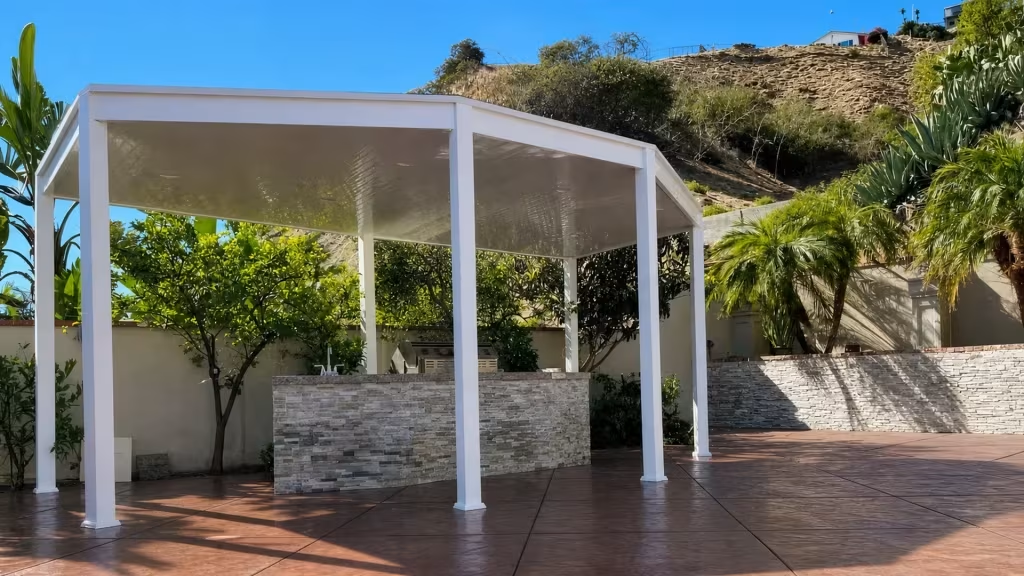
Patio covers and pergolas get built to your yard’s footprint, skipping the sanding and staining a wood cover demands.
Custom aluminum fencing built in privacy, semi-privacy, or picket styles, powder-coated against rust.
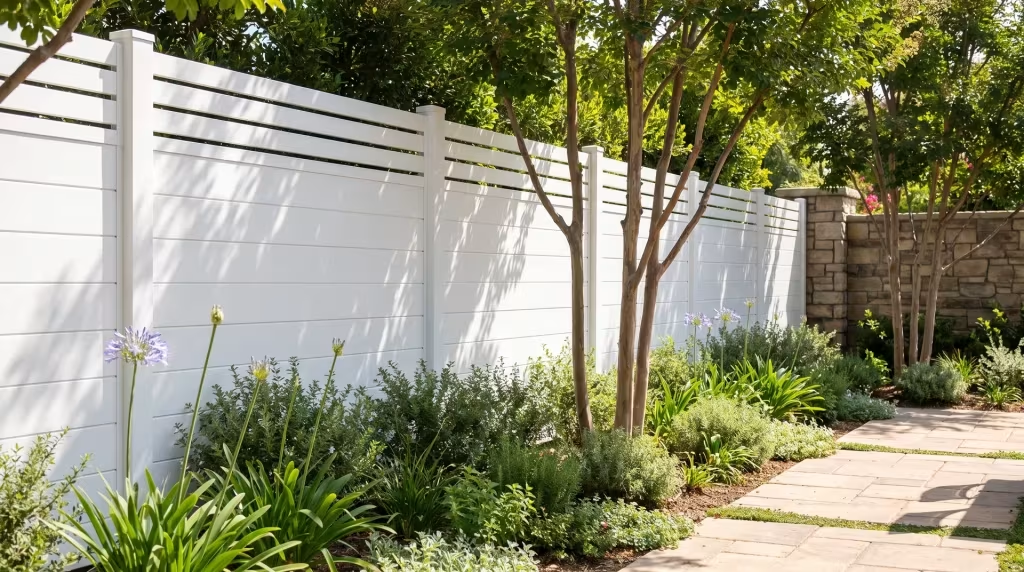
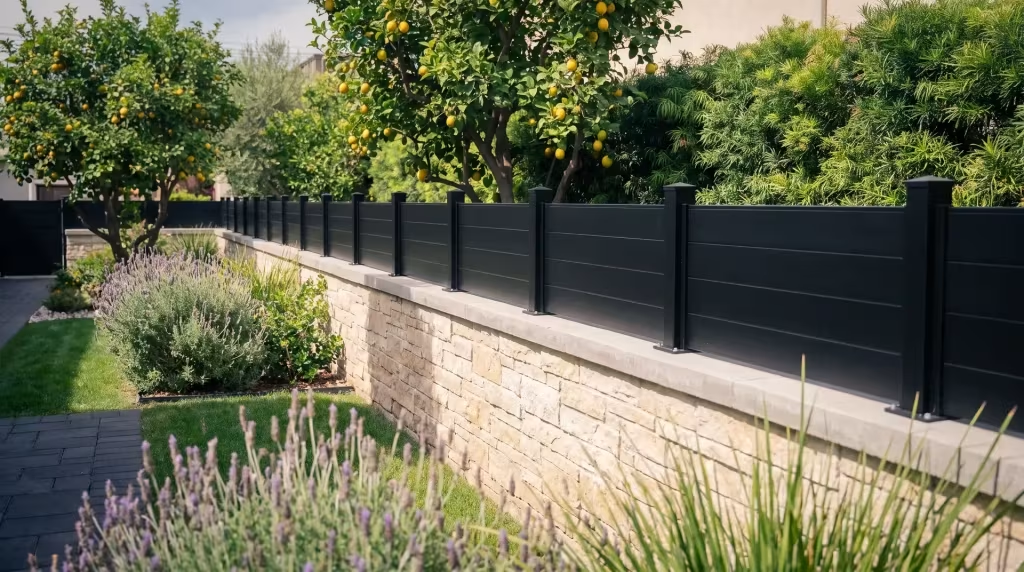
Wall toppers welded from aluminum, anchored atop your existing block or masonry wall to add height.
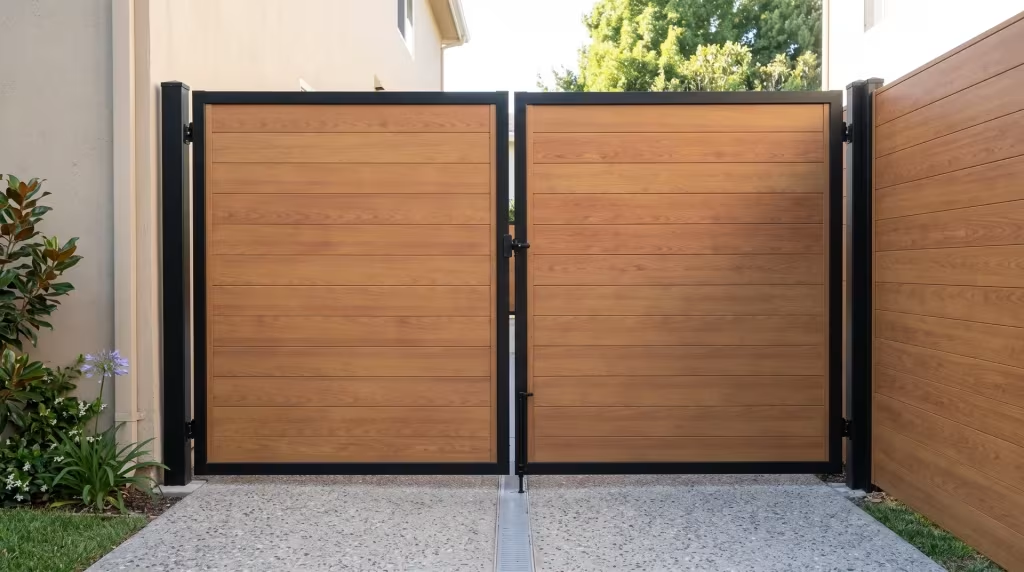
Gates welded from aluminum to match your fence, built as a walk, driveway, or rolling gate.
Working with Nairi on our project was very professional. We were quoted a price and impressed by the cost, which was lower than our other bids. It was a 2 day project and was completed as promised. I would highly recommend using this company, they are very courteous and based on customer satisfaction!

I had a delightful experience with this company. Customer service was exceptional and the quality is great. Everything was explained to me. I liked that I wasn’t rushed with my options and I loved the ease of everything. I highly recommend them!

We had a great experience with this company. They were great to communicate with and had really good prices compared to others. The job was done fast and cleanly.
Vardges came to install our fences, and even though the summer heat was at its peak, he finished the installation so well without any issues. I highly recommend this company.

I had Pro Vinyl Fencing replace two wooden gates with their vinyl product. Mike and Team did an outstanding job from quoting through implementation. If you are looking for quality product and quality work for a great price then look no further.
Their customer service will exceed your expectations.

Flip through vinyl and aluminum fences we have built in and around San Francisco, from full-height privacy backyards to clean aluminum front lines. Real panels, real gates, real color matches, so you can picture the same work on your own property before the estimate begins.
San Francisco sits at the tip of a peninsula with water on three sides, the Pacific west, the Bay north and east. The marine air is hard on a fence three ways: fog keeps surfaces damp, salt works at coatings and metal, and ocean wind pushes on anything tall.

The honest routing near the water is simple: vinyl (PVC) for exposed oceanfront and bayfront lots, aluminum only on sheltered interior blocks. Vinyl does not rust or rot and salt air has no effect, so it is the safe call near the water. Aluminum’s coating warranty excludes saltwater, so we keep it off exposed lots; on a protected interior lot it holds up well, cleaned every six months.
| Exposure | We recommend | Why |
|---|---|---|
| Oceanfront or bayfront | Vinyl (PVC) | No rust or rot; salt air has no effect |
| Sheltered interior | Vinyl or aluminum | Aluminum coating excludes saltwater |
Much of the city’s housing dates to the Victorian and Edwardian era, row houses in the Mission, Haight-Ashbury, and the Richmond on narrow lots, often around 25 feet wide, with shared walls and tight side passages. From Nob Hill and Pacific Heights out to the Sunset, a fence has to thread a slim gap, follow a slope, and match a specific line, so we build each panel to size.
San Francisco caps residential fences at 10 feet under Building Code Section 456.1. A front-yard fence over 3 feet needs a building permit, and a side or rear fence once it passes 6 feet. The front setback allows a solid fence to 3 feet, or 6 feet if at least 75 percent open. Historic-district and coastal-zone lots may need extra Planning review, so verify with the City’s Planning Division.
Every San Francisco fence runs the same four steps, whether it is a short wall topper or a full privacy backyard. It opens with a free on-site visit and ends with a fence you can lean on, and you always know the next step before it happens.
No pressure, no surprise line items, just a clear plan, honest heights, and a crew that leaves the site clean.
An estimator comes out, measures the yard, and talks through material, heights, and fog, wind, or slope concerns.
Scope, material, heights, and timeline go in writing before work starts, so the price you agree to is what you pay.
A crew sets posts in footings, hangs panels and gates, racks each run to your slope, and hauls the old fence off.
Vinyl carries a transferable limited lifetime warranty; aluminum runs 20/10/2 years, plus our 5-year workmanship.
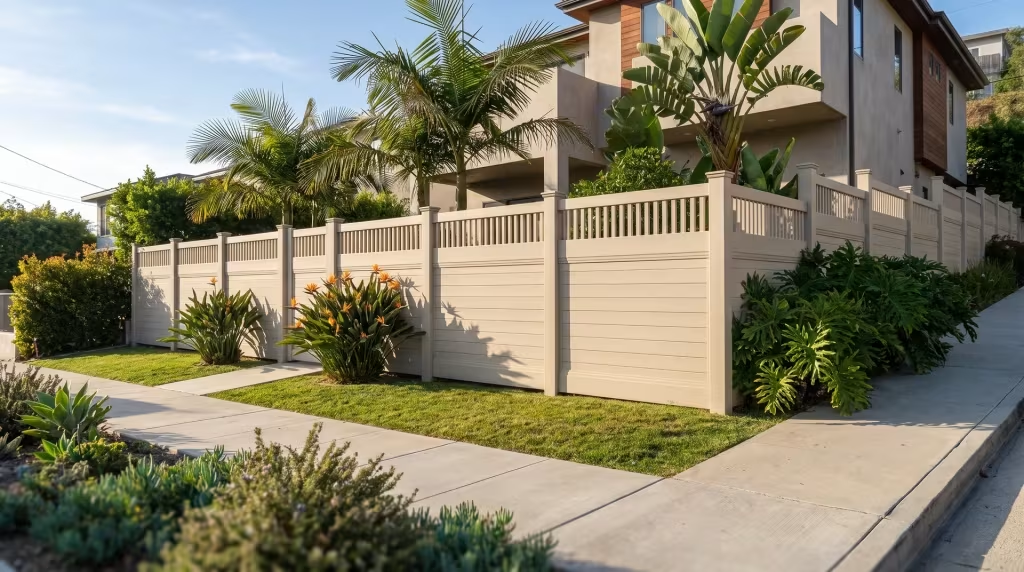
Practical fencing guides for San Francisco homeowners, from choosing a style to getting ready for install day.
A vinyl driveway gate blocks sightlines from the street while giving a property real security.
Fences blog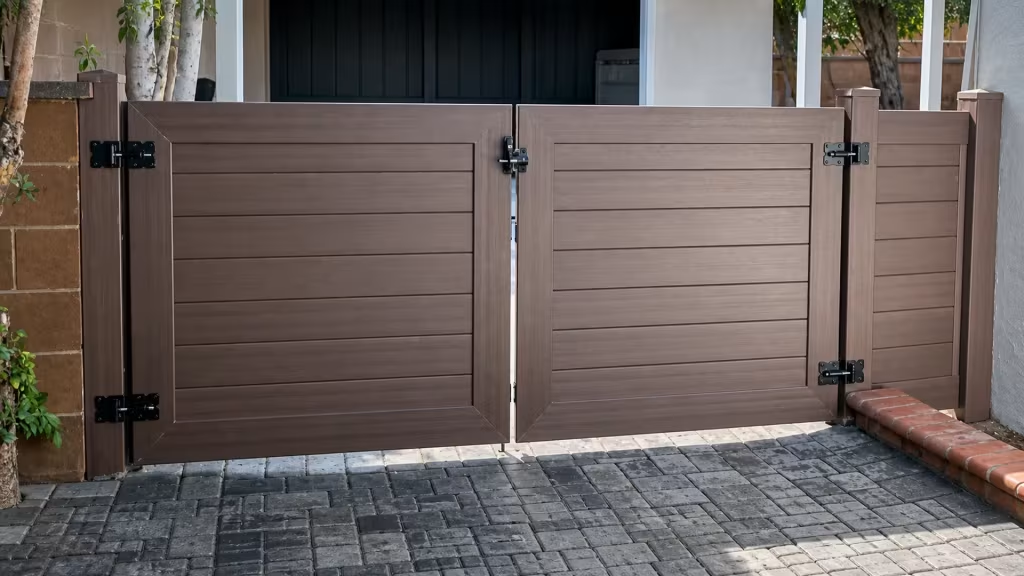
San Francisco Fencing Questions, Answered Straight
San Francisco raises a specific set of fencing questions, mostly about permits, height limits, and which material survives fog, salt air, and west-side wind. Here are direct answers to the ones we hear most. For anything tied to your street or exposure, a short call or free estimate is quickest.
Still not sure? Ask us.
Reach out to a fencing pro and book your free, no-pressure estimate.
A front-yard fence over 3 feet triggers a building permit; at or under that height, it does not.
In the front setback, a solid fence is allowed to 3 feet, or 6 feet if the part above is at least 75 percent open. Rules shift with zoning and lot, so verify with the City’s Planning Division.
Residential fences in San Francisco are capped at 10 feet under Building Code Section 456.1.
A side or rear fence needs a permit once it passes 6 feet, and a front-yard fence above 3 feet; below those, none applies. Zoning and lot rules can tighten it, so confirm with the City’s Planning Division.
It can. San Francisco’s summer fog holds surfaces damp for hours, and that moisture rots untreated wood faster than most owners expect, which is why a wood fence here usually needs regular sealing.
Vinyl (PVC) sidesteps it: it does not absorb water, will not rot, and needs no sealer or repaint.
On the ocean-facing west side, strong westerly wind builds through the afternoon and channels through the Golden Gate, and that steady pressure works an ordinary tall fence loose over time.
Our vinyl privacy panels answer it with a metal insert: vinyl on the outside, metal inside the rails.
Yes. San Francisco lots often run around 25 feet wide, packed tight against the neighbors, and that is where fabrication pays off.
Because each panel is built to size rather than pulled off a shelf, the fence fits a slim side passage, a shared line, or an odd corner, and racks to a sloping grade.
For an oceanfront property, we steer you to vinyl rather than aluminum. Aluminum’s coating warranty excludes saltwater, so salt spray can void that coverage.
Vinyl (PVC) does not rust or rot and shrugs off salt air. On a sheltered interior lot, aluminum is fine with a cleaning every six months.