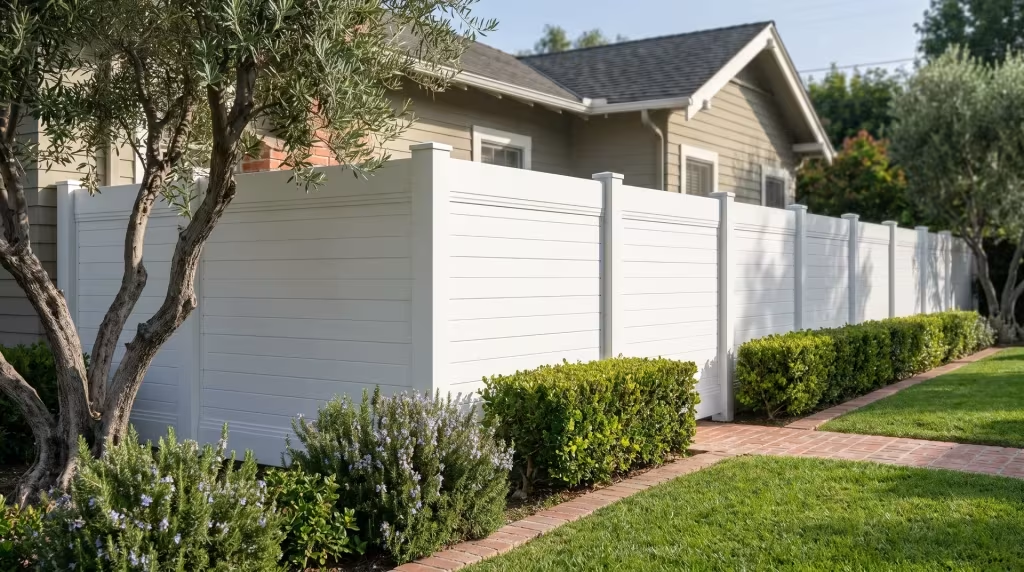
Vinyl Fence Installation
Full-service installation: old fence hauled away, footings dug, and panels racked true to your yard’s slope.
Call Now: (844) 744-0707

Behind Hidden Hills’ private gates, two-acre lots and equestrian setups call for a vinyl or aluminum fence sized to real distance, not a tract-home yard.
PVAF fabricates every panel in-house and racks each run to your grade, so the fence follows the slope instead of stair-stepping down it.
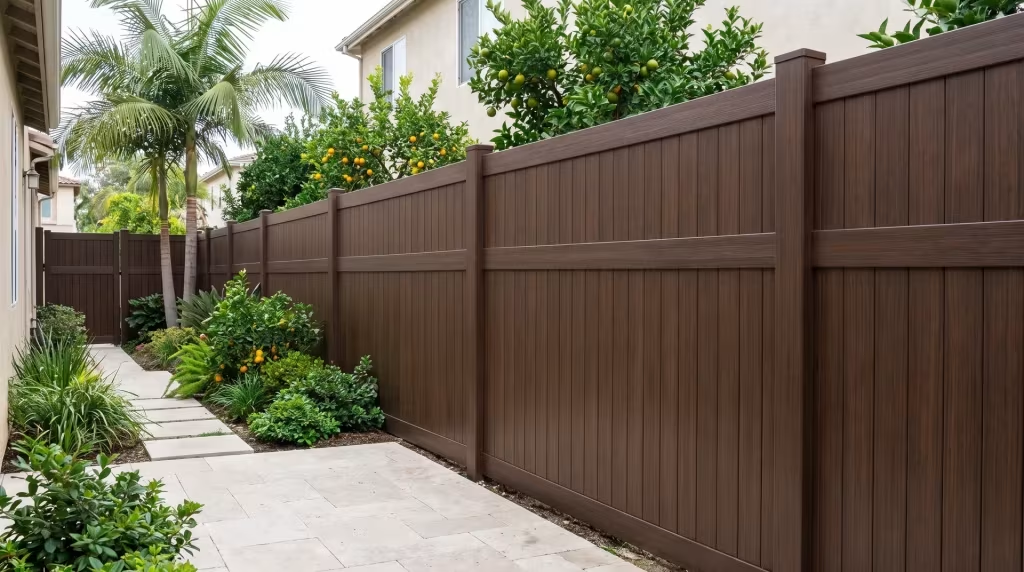
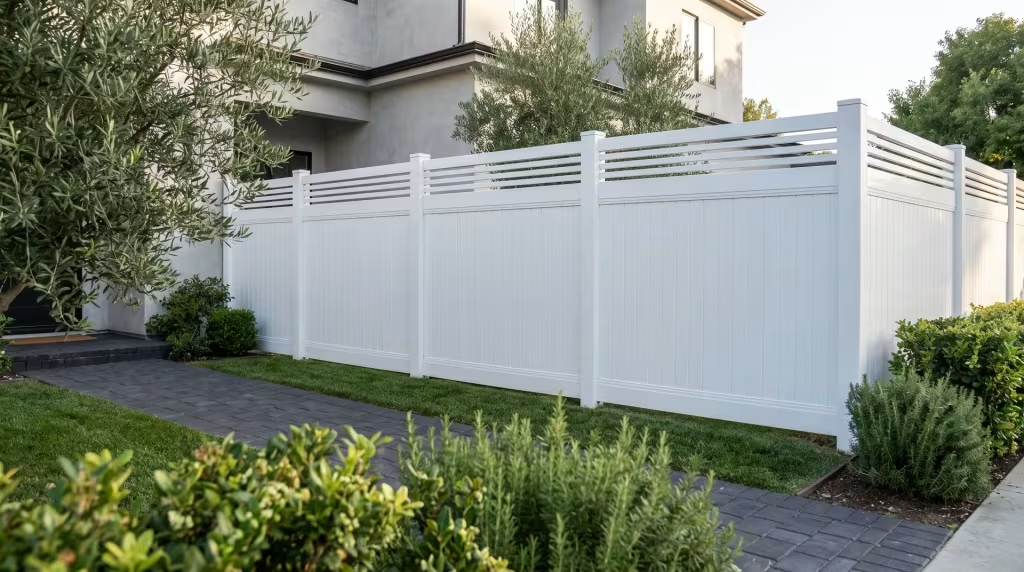
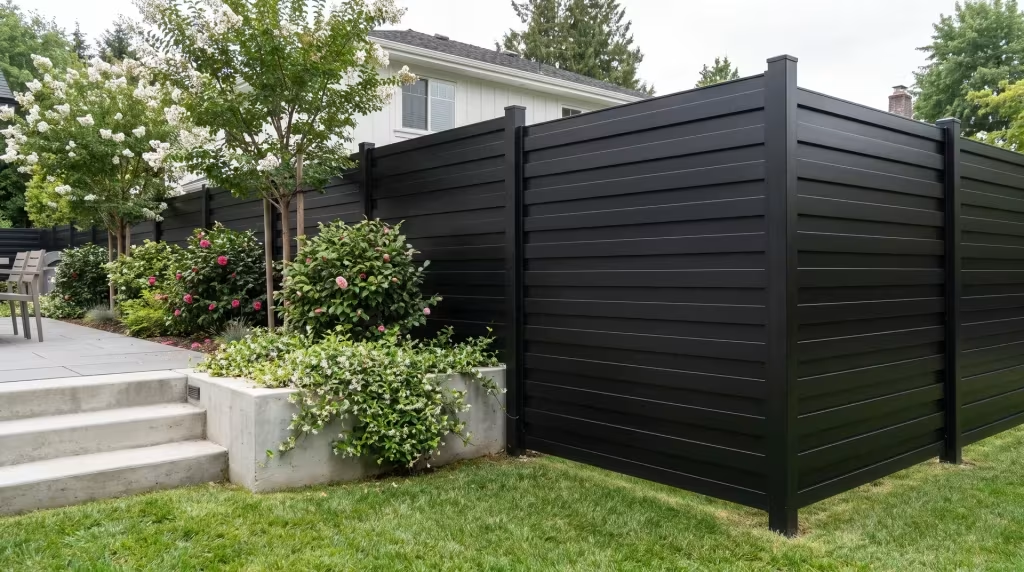
Hidden Hills’ gated, two-acre equestrian lots need fencing that spans real distance and holds a clean line on hillside ground.
Vinyl covers most fence lines here with nothing beyond a seasonal rinse; our aluminum line adds a modern edge to entries and pool enclosures. Reach out for a free on-site estimate before any work begins.
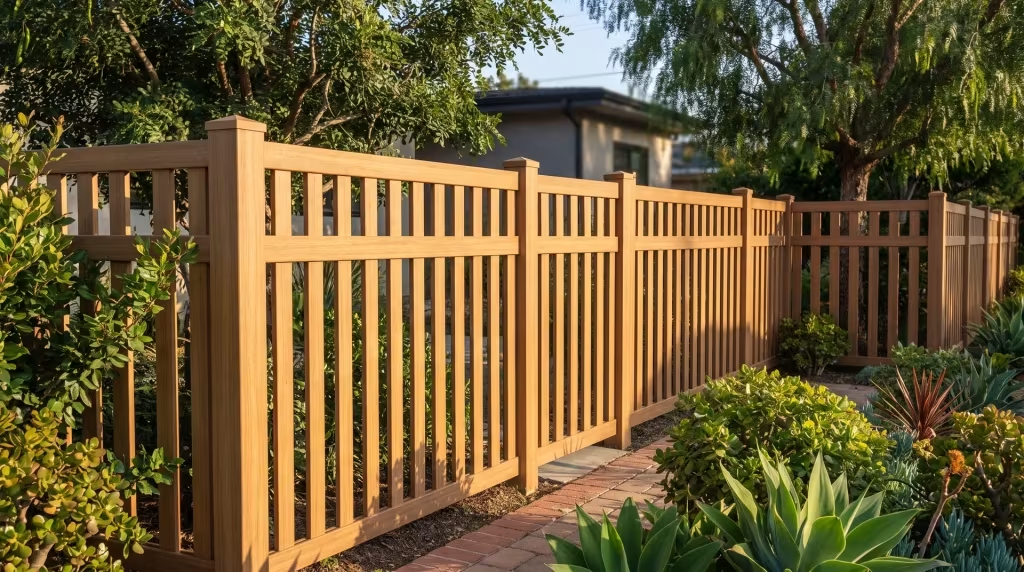
Hidden Hills runs on 2-acre RA-S lots with 50-foot front and rear yards, and plenty of properties keep horses. That layout calls for fencing that separates paddock areas from the rest of the yard while still reading as a finished perimeter from the gate. Long runs, wide driveway gates and pedestrian access all come into play on a lot this size, and the fence has to hold its line across the whole distance.


The city sits in the hilly, mountainous terrain of the southern Simi Hills, so a straight run of panels rarely matches a straight run of ground on a lot like this. We rack each panel to the slope so the fence follows the grade in a smooth line instead of stepping down it in blocks.
In the open canyon air near Upper Las Virgenes Canyon, our metal-insert vinyl option looks like standard vinyl from the yard but carries metal inside the rails, built to take any realistic wind this area gets. That same detail matters for taller privacy runs and for pool enclosures set on open, exposed ground.
Privacy and semi-privacy vinyl for pool enclosures and yard perimeters, ranch-rail styles in 2, 3 or 4-rail configurations for equestrian lots, custom heights from 2 to 8 ft, and an aluminum line in privacy, picket and wall-topper styles for entries and modern facades. Gates come sized for both foot traffic and full driveway spans, with extra framing built in on wider openings.
A ballpark number depends on total footage across a 2-acre parcel, fence height, material and style, the number of gates including wide driveway openings, how much grading the slope needs, and whether an old fence has to come out first. A visit to the property turns that ballpark into a real figure, in writing before any work begins.
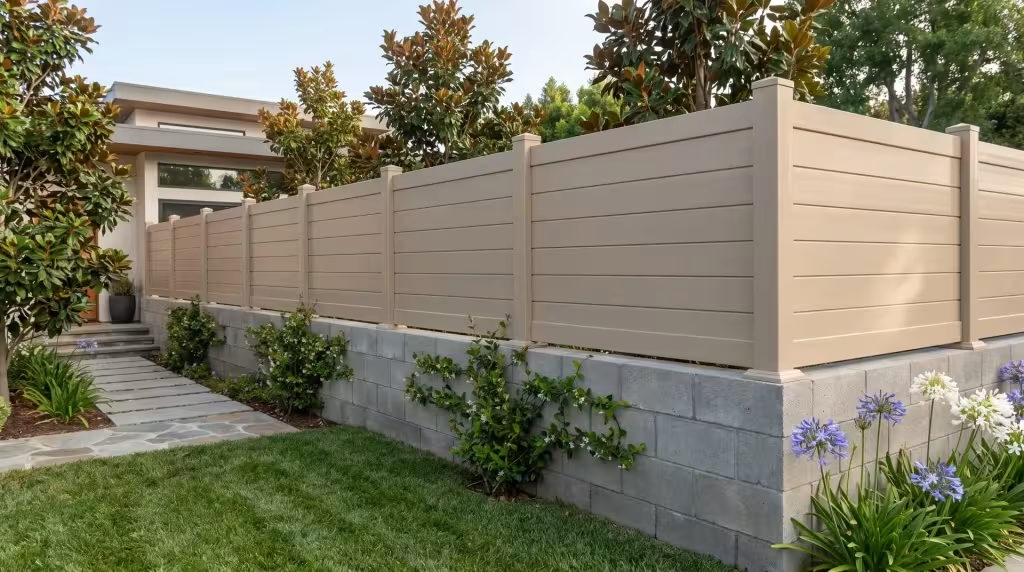
The city’s own building code does not set a general height limit for residential fences, only the 60-inch pool barrier is codified. The Community Association Architectural Standards govern fence placement and materials on Hidden Hills’ private streets and gates instead, and those standards can be stricter than anything the code itself requires.
If your property falls under an architectural association or HOA, approval may be required before work starts, and its rules can be stricter than city code. Verify current requirements with the Hidden Hills Building & Safety Department before finalizing plans.
Two acres of boundary repeats one decision thousands of times over, and a tone that settles well on a chip can go flat once it is standing outdoors. Judge it on the ground, at the distance you will really look from.
Textured blends carry the most relief and still read as timber a hundred feet out, which suits a long rail line. Milled grain patterns sit a step quieter. Plain tones do the least talking. Nothing is painted on, so a gouge stays one color.
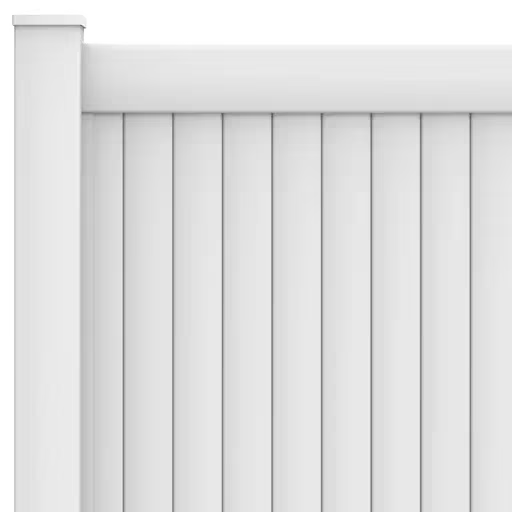
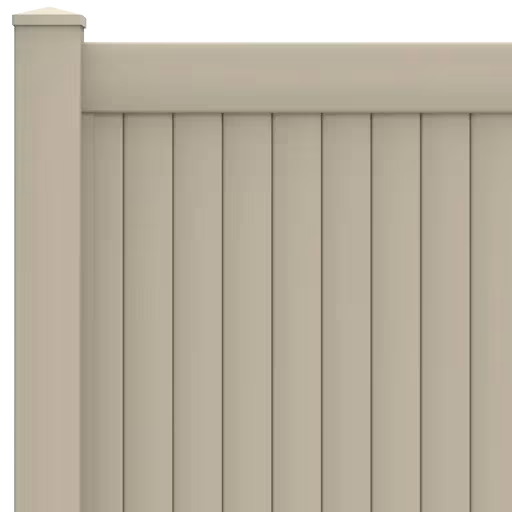
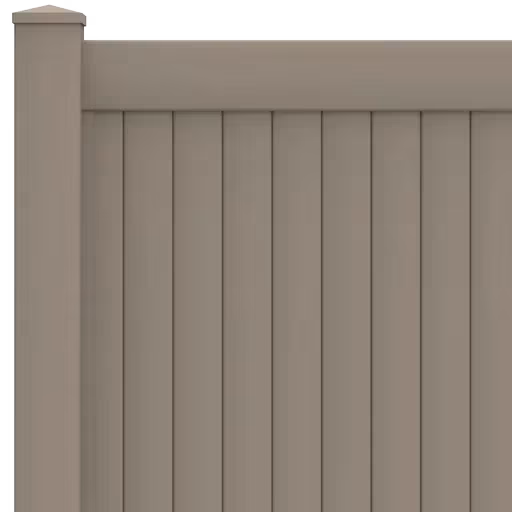
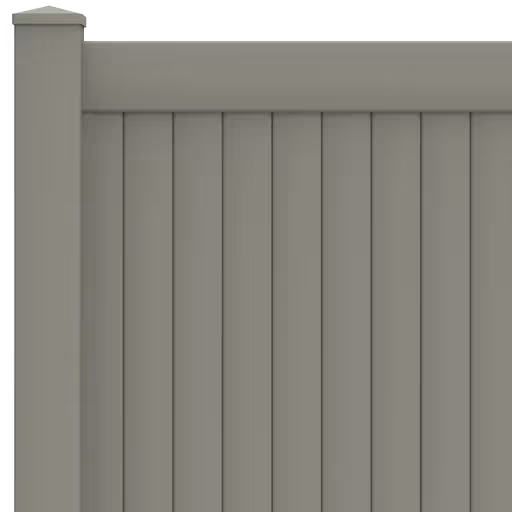
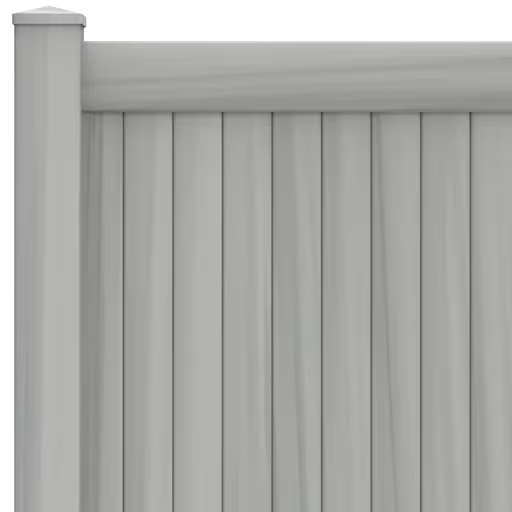
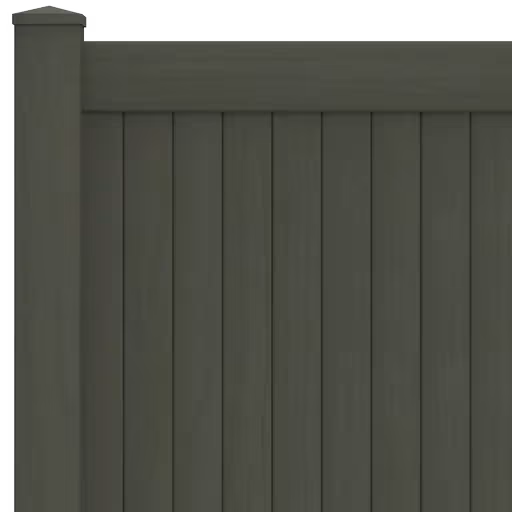
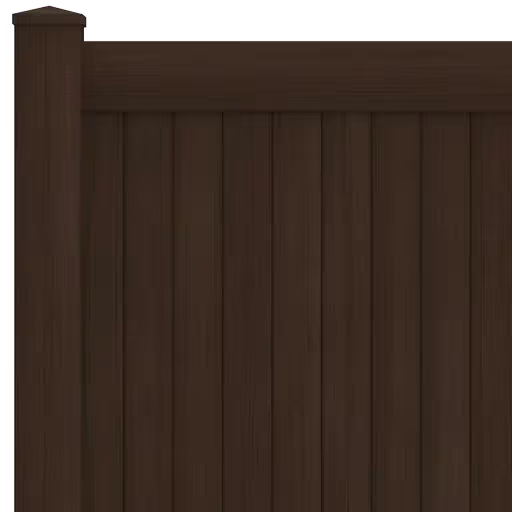
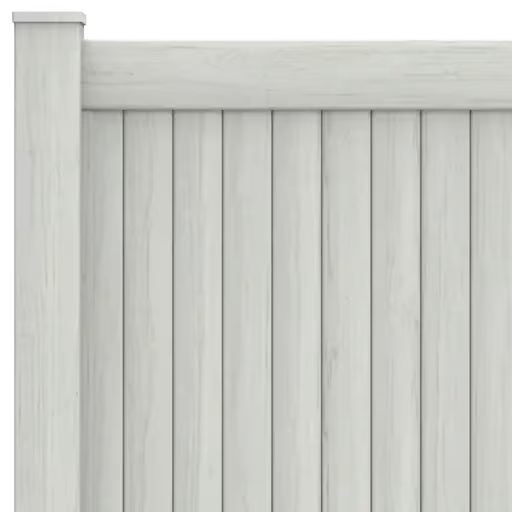
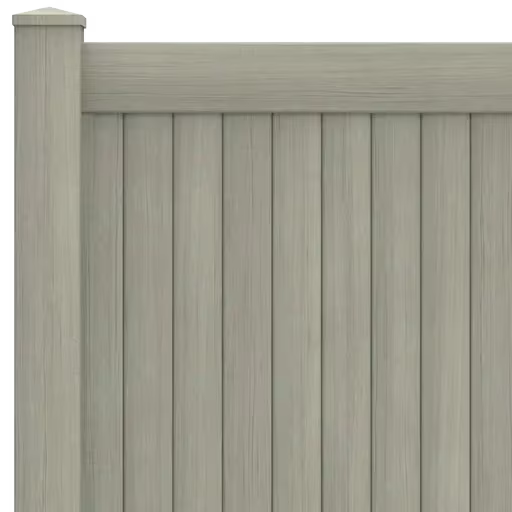
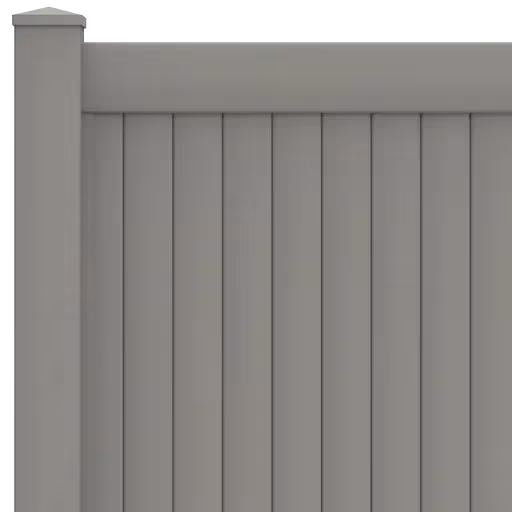
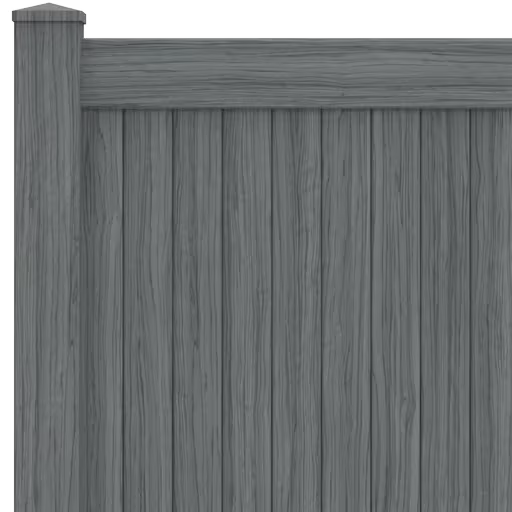
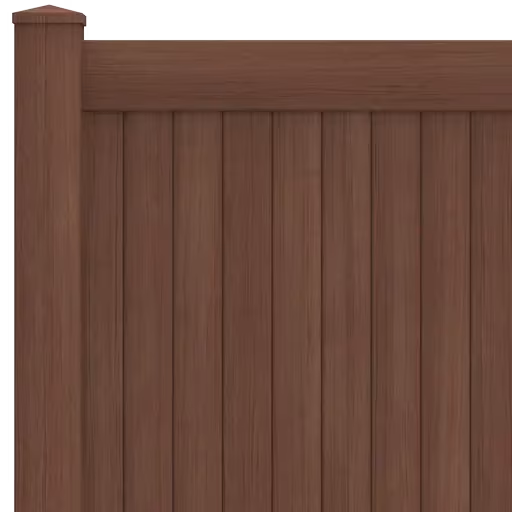
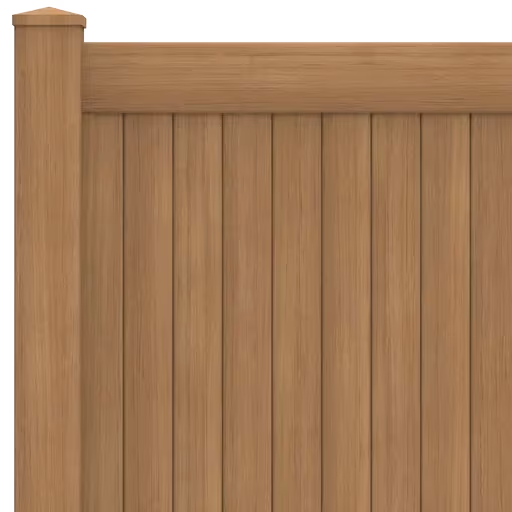
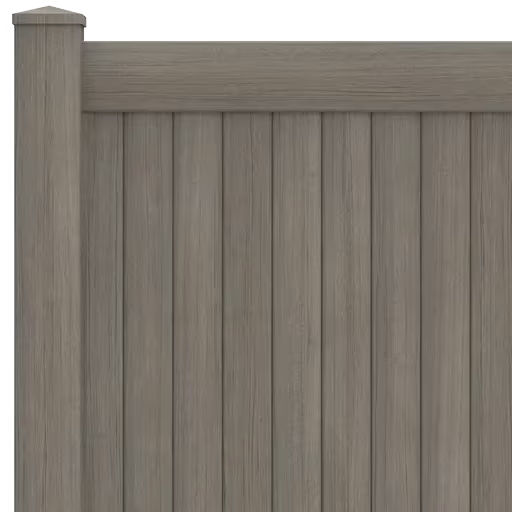
Pro Vinyl and Aluminum Fencing partners with Catalyst, one of the leading vinyl fence manufacturers in the United States. Their US-made vinyl, our custom fabrication and installation, backed by a transferable limited lifetime material warranty.

A grain finish is what keeps metal from reading as metal from the road. Black recedes into planting. White holds a line against stucco. Those three reach the flat and slatted work. A contoured slat does not branch: matte black, no custom.
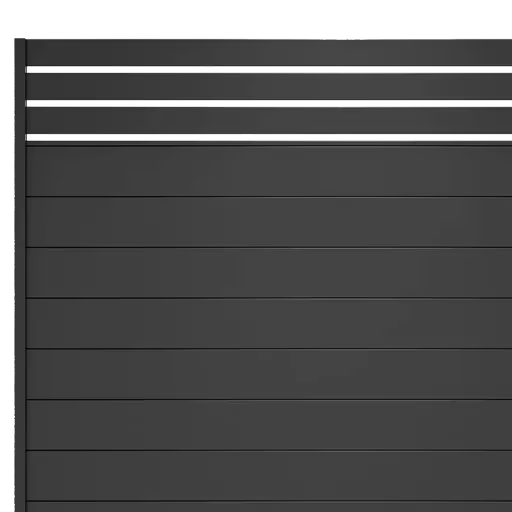
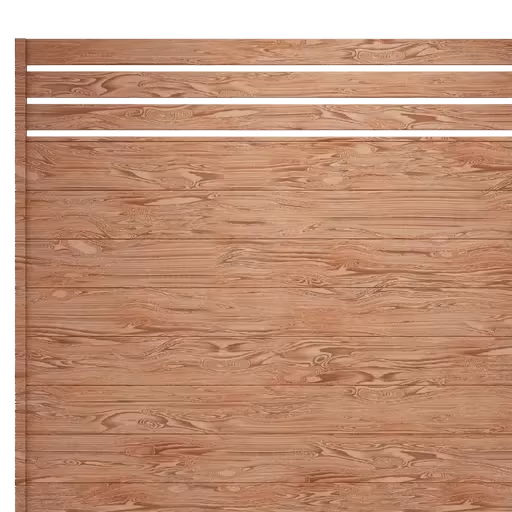
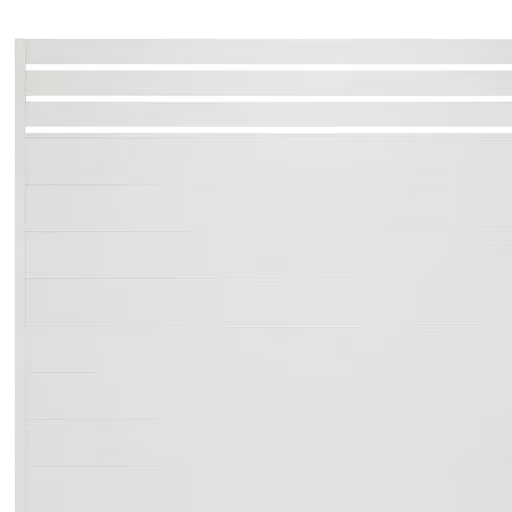
Pro Vinyl and Aluminum Fencing is a trained and authorized SLEEKFENCE™ contractor. SLEEKFENCE™ is a premium-class aluminum fencing brand registered in the USA – their engineered material, our custom fabrication and welded install, with a 20-year material warranty behind it.

Containment and screening pull the number in opposite directions. A rail line meant to keep horses in reads low on purpose. Around water, code sets it and not you. Ground that falls away shifts both, and the city limit sits over it.
| Fence style | Min | Max |
|---|---|---|
| Vinyl privacy | 4 ft | 8 ft |
| Vinyl privacy w/Accent top | 5 ft | 8 ft |
| Vinyl picket | 3.5 ft | 6 ft |
| Vinyl wall topper | 2 ft | 3 ft |
| Aluminum privacy | 4 ft | 12 ft |
| Aluminum semi-privacy | 4 ft | 12 ft |
| Aluminum privacy hybrid | 4 ft | 12 ft |
| Aluminum wall topper | 2 ft | 4 ft |
Full-service installation: old fence hauled away, footings dug, and panels racked true to your yard’s slope.
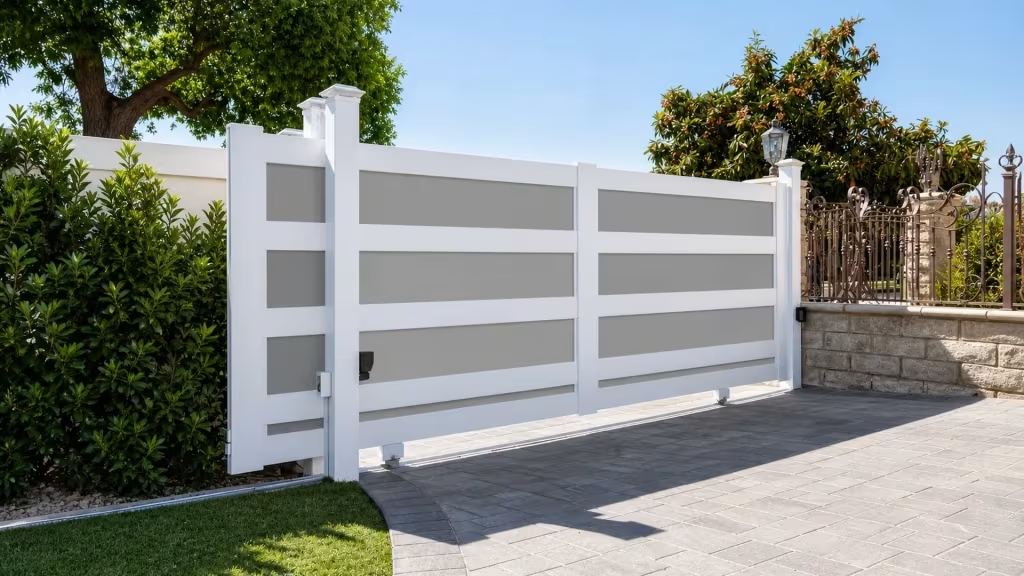
The full vinyl gate lineup runs on a metal frame under the cladding, from a single side gate to a wide driveway gate.
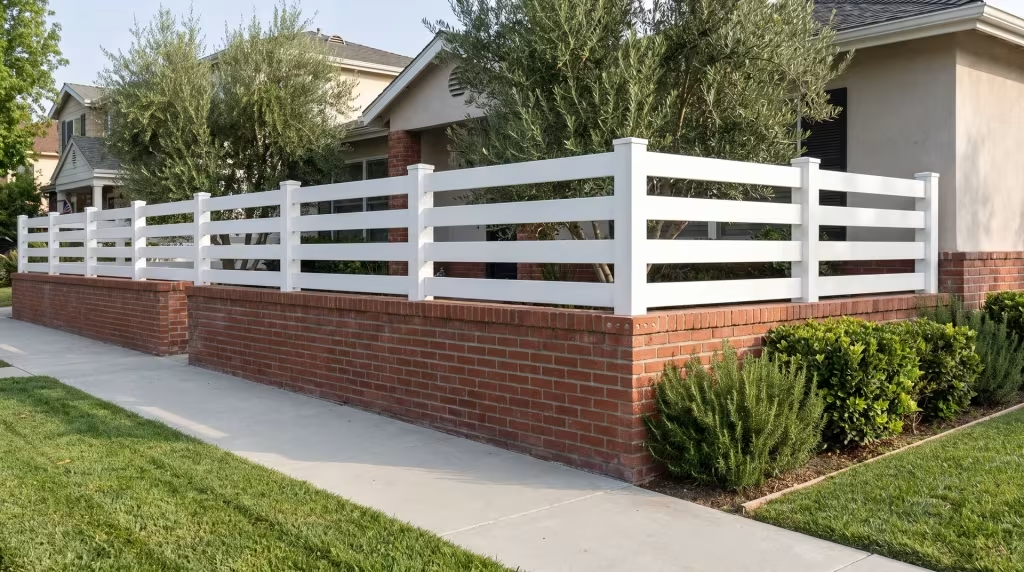
A short section mounted on the wall or fence you already own, adding height without tearing out what still works.
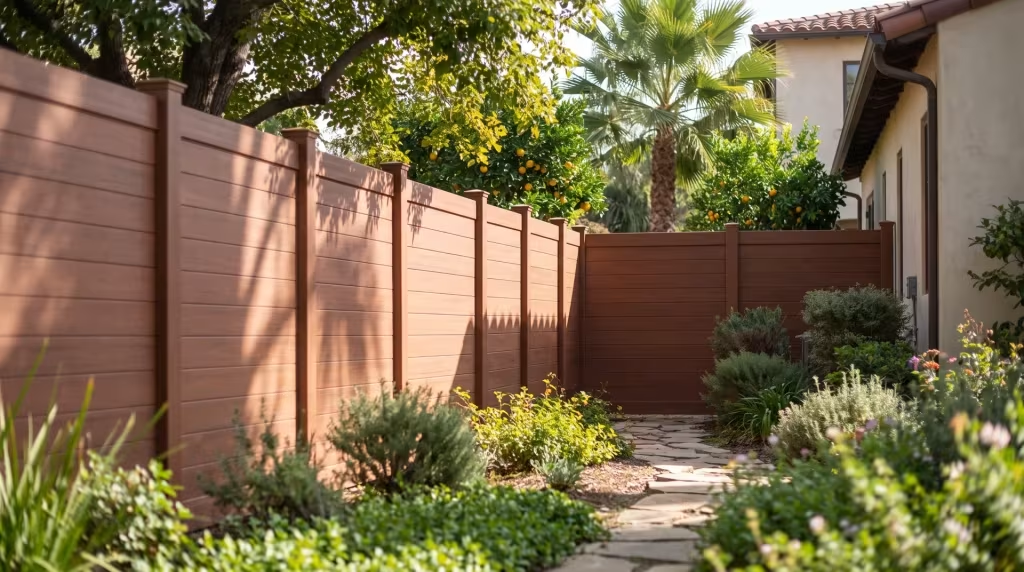
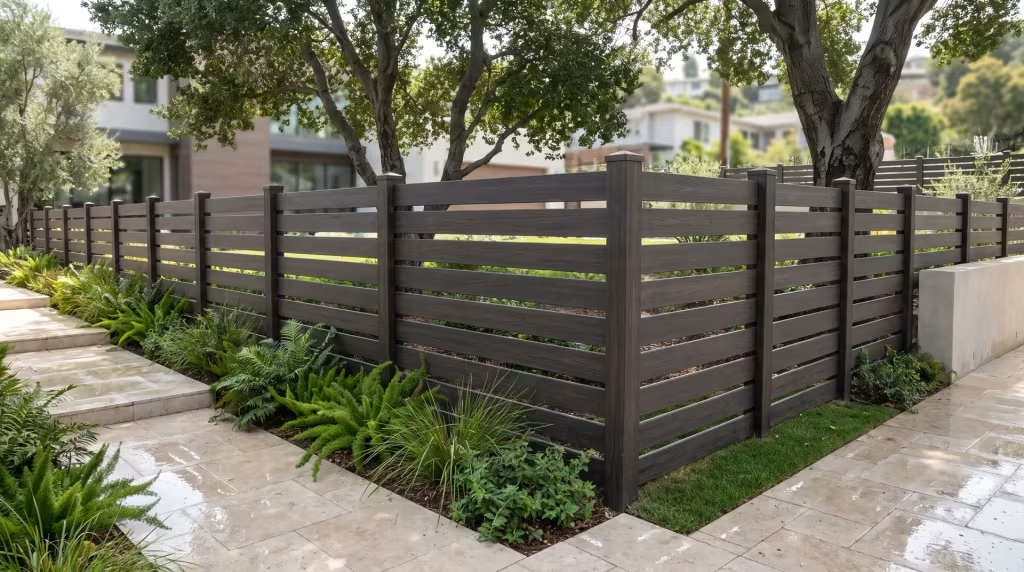
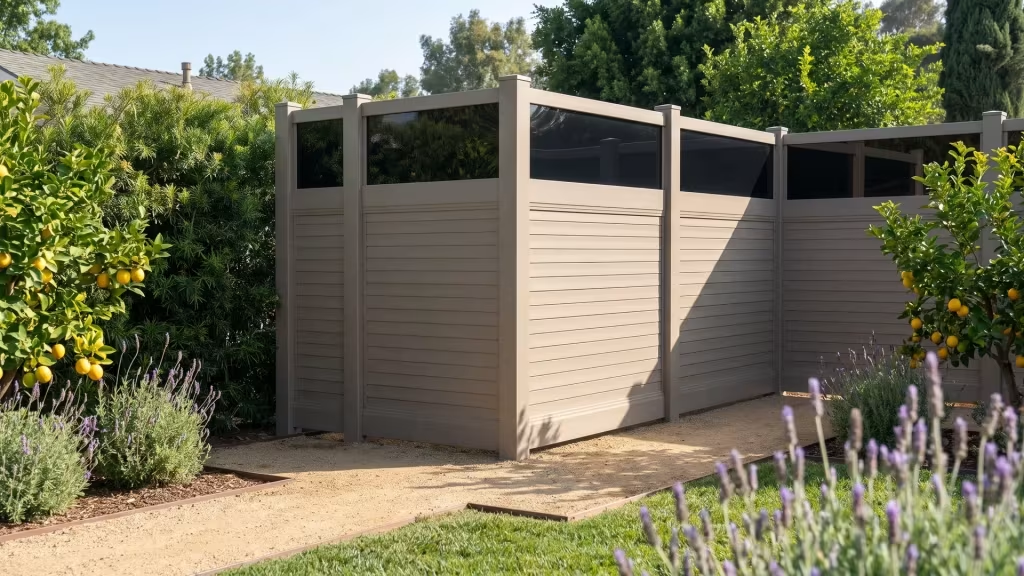
Every real vinyl fence color we build, spanning solid neutral tones to layered wood-grain finishes.
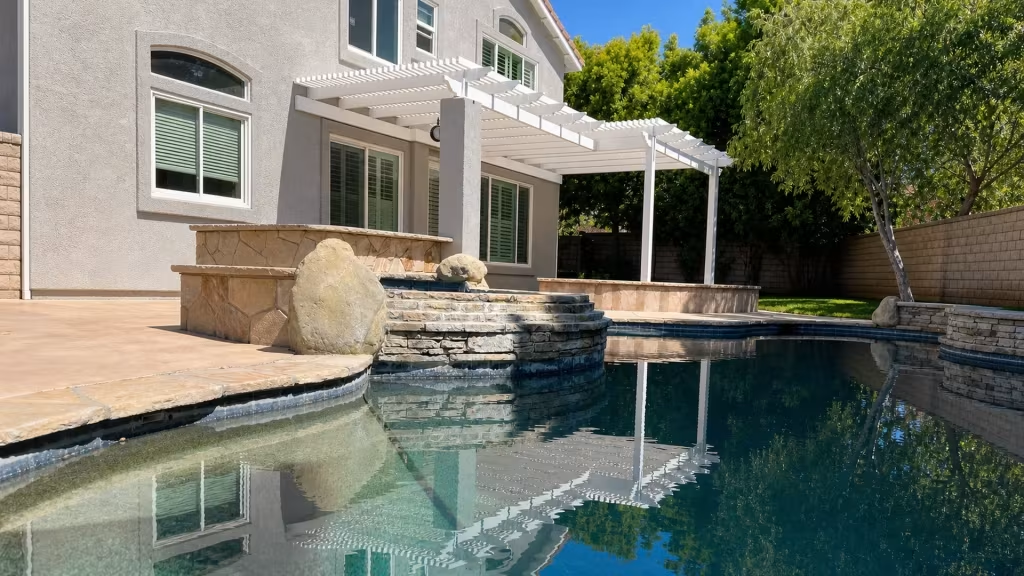
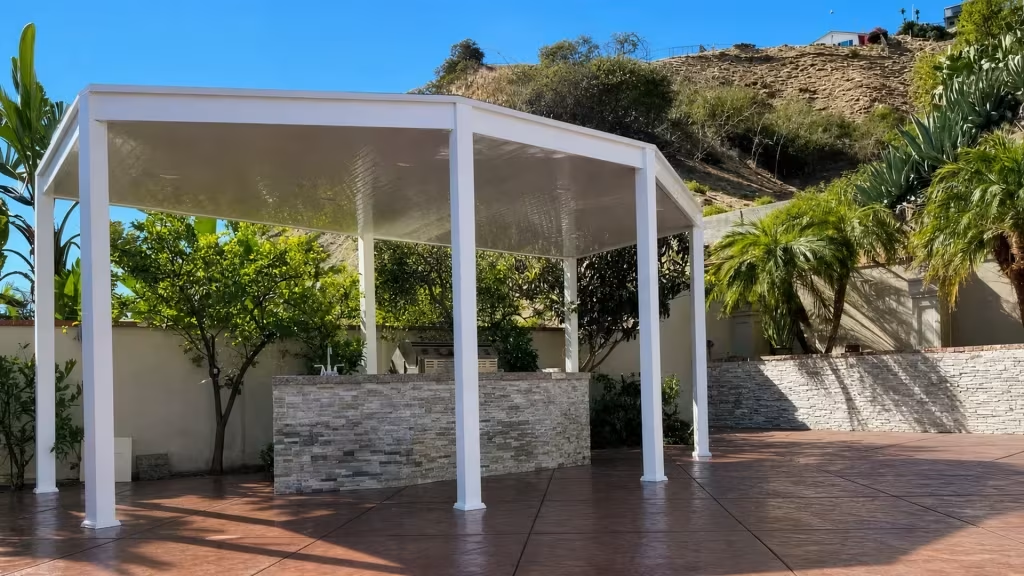
Patio covers and pergolas get built to your yard’s footprint, skipping the sanding and staining a wood cover demands.
Custom aluminum fencing built in privacy, semi-privacy, or picket styles, powder-coated against rust.
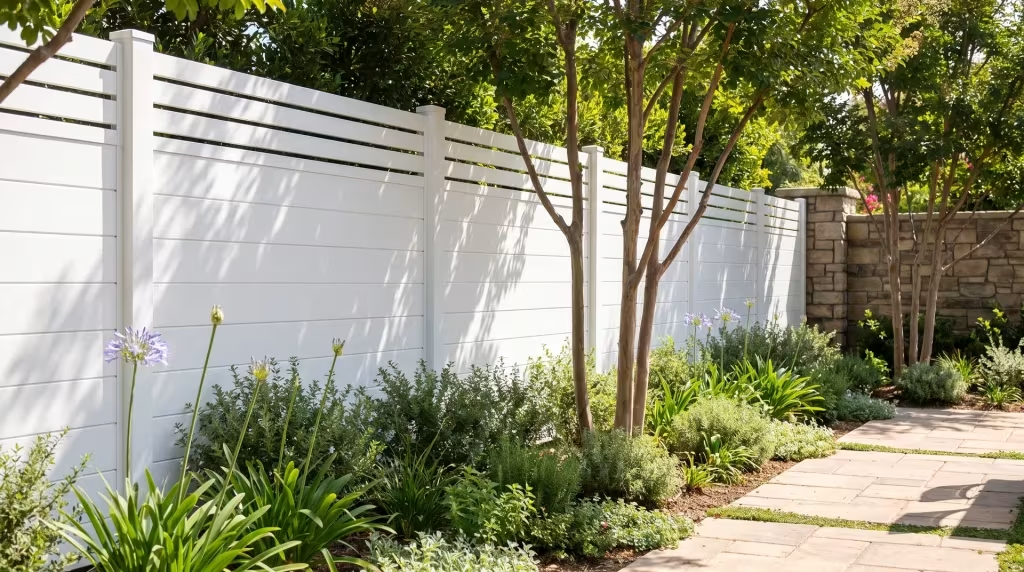
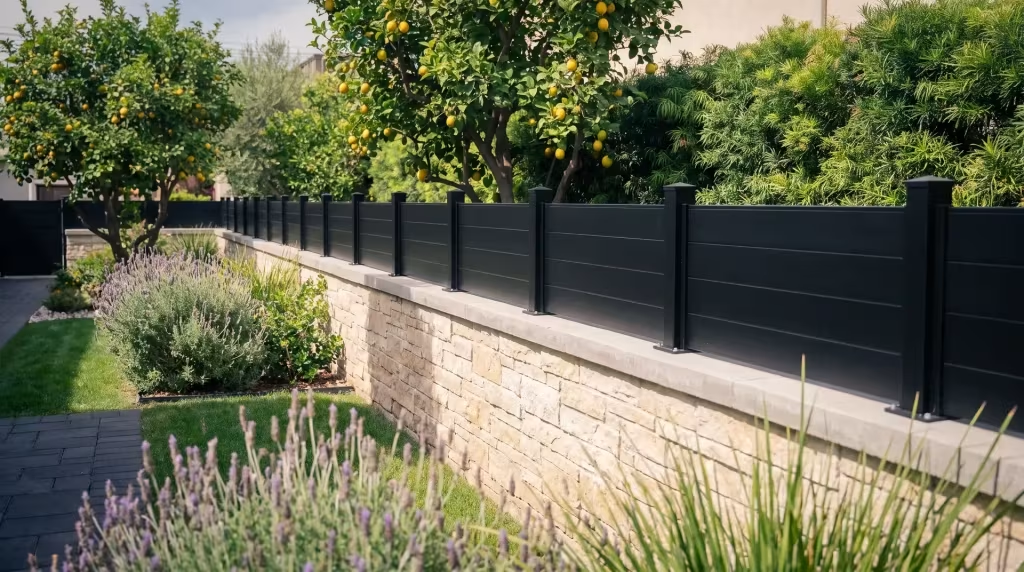
Wall toppers welded from aluminum, anchored atop your existing block or masonry wall to add height.
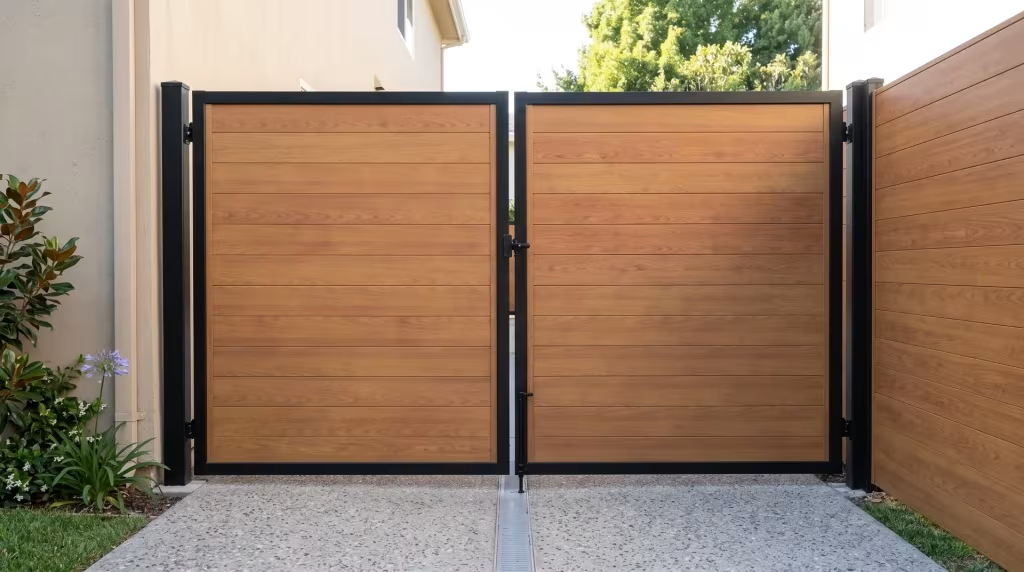
Gates welded from aluminum to match your fence, built as a walk, driveway, or rolling gate.
Highly recommend. Nairi was very professional and prompt with my estimate and measurements. The two installers did a great job and made sure all was precise and cleaned up job area when finished.
Thank you guys. I have already requested my next job estimate.

Great job by Pro Vinyl Fencing! Nairi came out and measured and designed the fence, worked with my wife to pick the material, gave us a great deal, and his team of engineers and installers nailed the demo and install! No fuss and no muss. Two full days of no nonsense work and it looks beautiful! Work done in Chino!

Pro Vinyl Fencing did a fantastic job at my home in Los Angeles. They worked hard and got things done on time and on budget. The product is fantastic as I have a completely private yard because of their work!
Their initial estimate was thousands of dollars less than other contractors who bid on my job. I will use them again!

Highly recommend Pro Vinyl Fencing. From the sales process to the installation they did an outstanding job. David and his helper were amazing with the installation, they were professional and very thorough. I would highly recommend Pro Vinyl fencing.

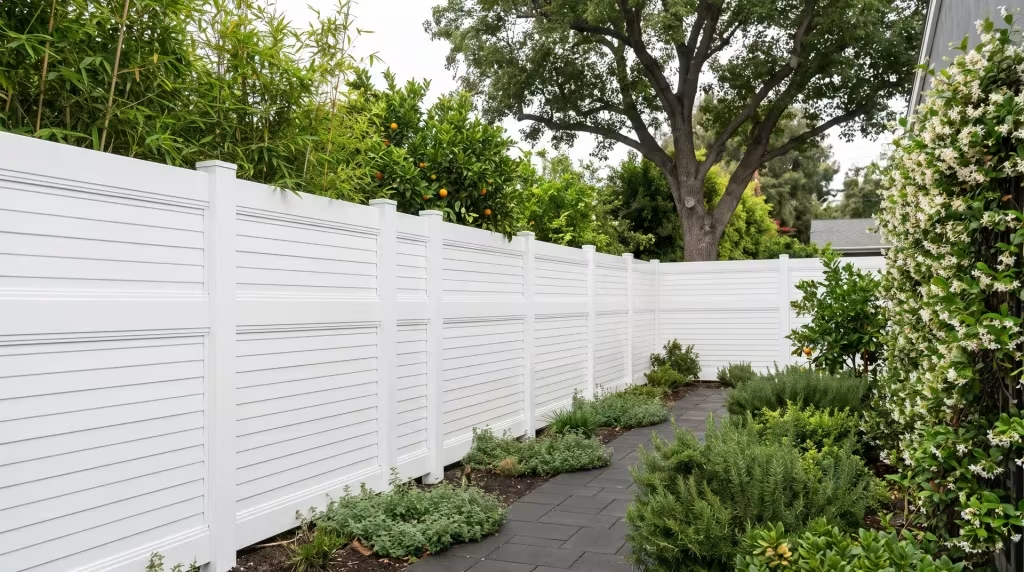
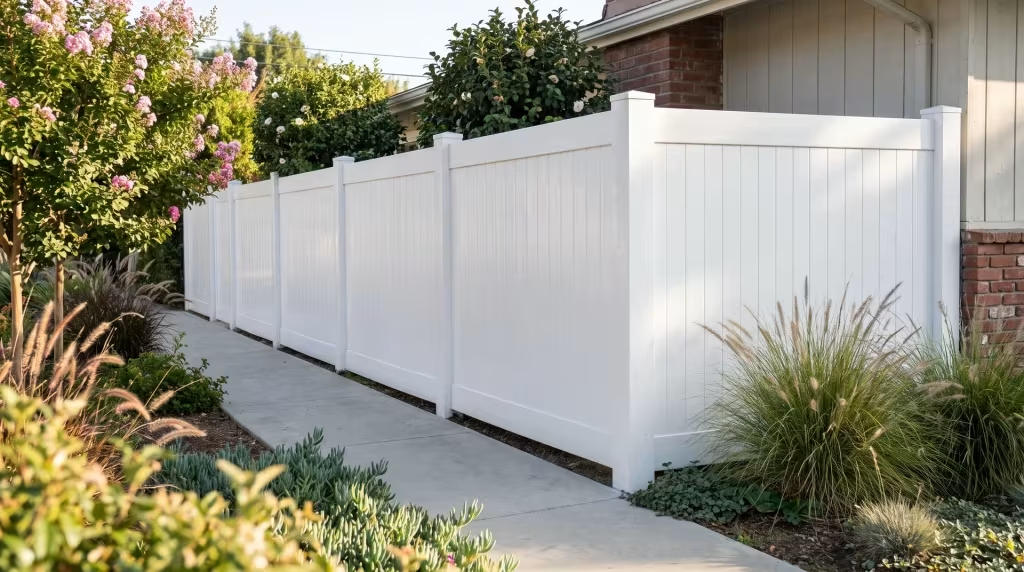
These photos cover vinyl and aluminum fence work near Hidden Hills’ gated entries and equestrian-lot perimeters, each panel racked to hold a straight, even line across the sloped acreage, from gate posts to paddock runs and pool surrounds still.
Hidden Hills incorporated in 1961 and has stayed small on purpose: about 1,725 residents living behind private gates in the Santa Monica Mountains, bordered by Calabasas, Woodland Hills and West Hills just north of the 101. The Upper Las Virgenes Canyon Open Space Preserve runs along the north edge and the Leonis Adobe National Historic Landmark sits to the south.
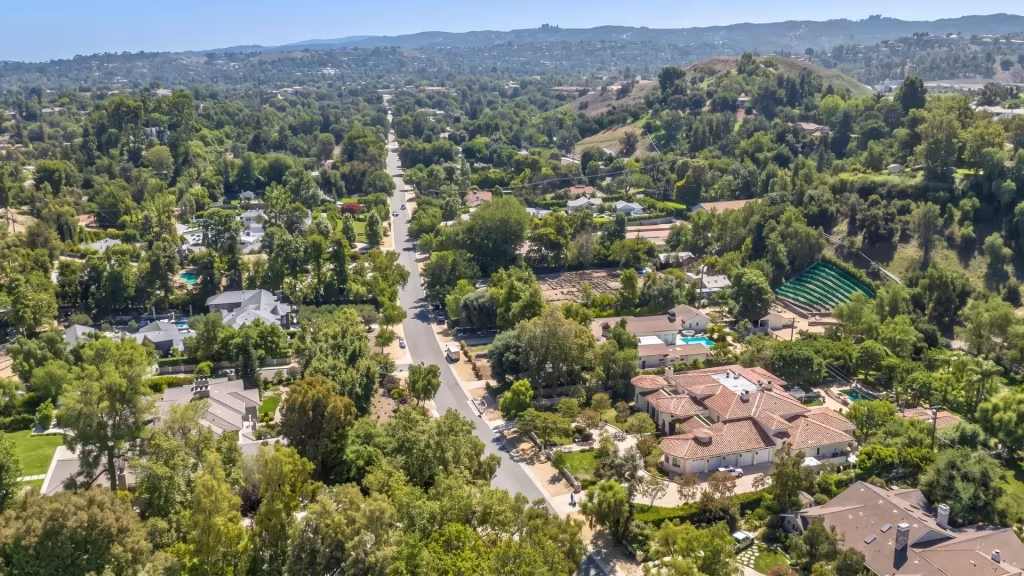
RA-S zoning keeps lots wide, with 50-foot front and rear yards typical across the city, and many properties keep horses. That calls for fencing that separates paddock areas from garden space while still reading as a finished perimeter at the street, a different job than a standard suburban yard.
Hidden Hills sits in the hilly, mountainous terrain of the southern Simi Hills, so a straight run of panels rarely tracks a straight run of ground on lots like these. Fencing on these lots gets racked, angled panel by panel, to follow the slope instead of stepping down it in blocks.
Hidden Hills’ municipal code does not set general front, side or rear fence height limits, only the 60-inch pool barrier. The Community Association Architectural Standards fill that gap for the city’s private streets and gates, and those standards can run stricter than anything the code itself requires.
If your property sits within an HOA or architectural association, approval may be required, and CC&Rs can be stricter than the city. Verify current limits with Hidden Hills Building & Safety before finalizing plans.
Setting a fence on a gated, two-acre Hidden Hills lot takes the same four stages every time: a real look at your ground, paperwork before anyone touches a post, careful building, and coverage on file when the crew leaves.
Nothing about cost or scope stays vague once the visit happens; the contract is signed before crew arrival.
A team member walks your acreage in person, checks the slope and gate spans, then leaves a real figure, not a guess.
Scope, material, height, colors and gate count go on paper first, along with a timeline, before any post gets set.
Each post gets set to the slope, panels and gates go up in sequence, and the old line comes out with the yard clean.
Coverage gets registered before the crew leaves: vinyl’s warranty transfers with the home, plus five years workmanship.
Real answers on vinyl care, aluminum finishes, hillside grading and the rules for a Hidden Hills lot.
Vinyl awnings block sun and rain for a Los Angeles property without the rust or rot metal and canvas covers pick up.
Fences blog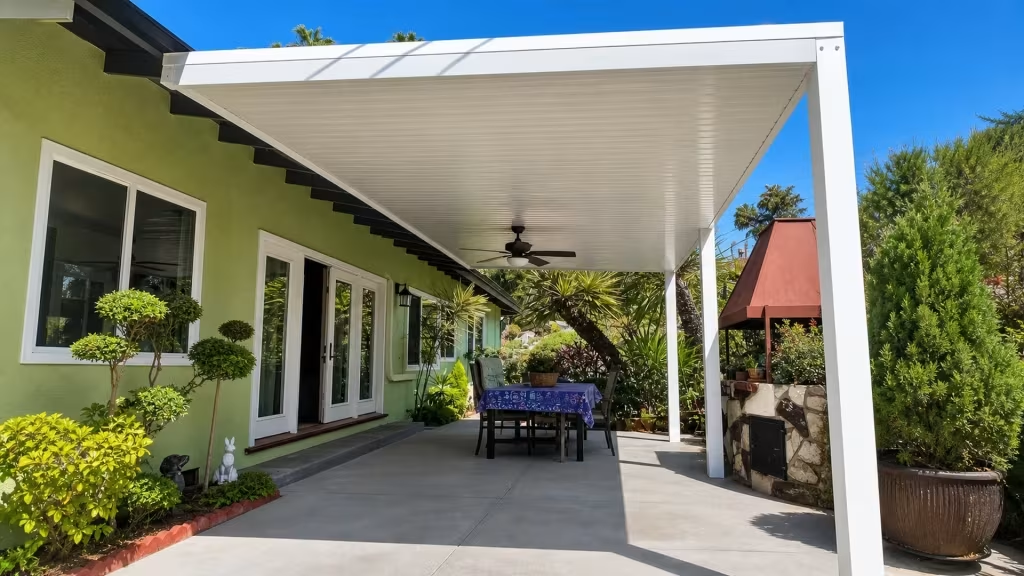
Hidden Hills Fence Questions, Answered Here
Homeowners behind Hidden Hills’ gates tend to ask the same handful of questions before a project starts. Here are straight answers on approvals, equestrian lots, hillside grading, pool codes, shared fence lines, and what a fence costs to price it out.
Got Another Question?
Send a message with your address and we'll follow up the same business day.
The city’s code sets no general fence height limit, but Hidden Hills’ Community Association Architectural Standards govern fence placement and materials on private streets, and can run stricter than the city.
Check with your association and verify current rules with Building & Safety.
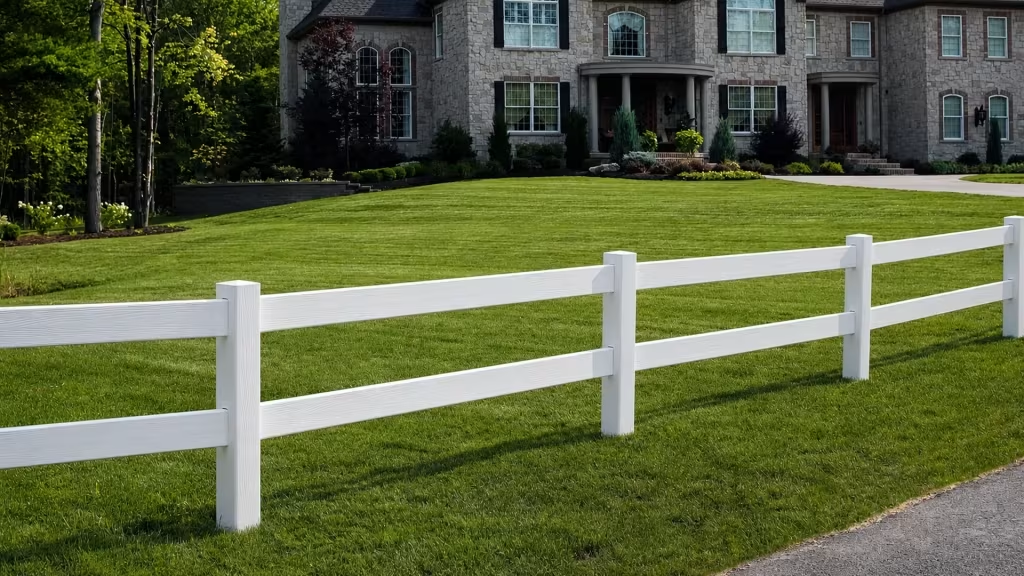
Ranch-rail vinyl in 2, 3 or 4-rail styles holds up well around paddocks and still reads clean from the street, while a taller privacy or semi-privacy run separates the working part of the lot from the rest of the yard.
Heights run 2 to 8 ft depending on where the line falls.
Yes. Panels get racked, each section angled to the slope, so the top line follows the grade smoothly instead of dropping in blocks. That’s standard practice on the sloped ground common through the Simi Hills.
Color is mixed into the vinyl itself, so scrapes never flash white and panels won’t yellow with age in the sun; a rinse twice a year keeps it looking new.
Aluminum trades that for a slimmer, more architectural look at entries. Both ship with a matching gate.
Yes, the city codifies a 60-inch minimum pool barrier, and state pool safety law also requires self-closing, self-latching gates and no more than a 2-inch ground clearance.
Vinyl is an approved non-climbable barrier material for this use.
Under California’s Good Neighbor Fence Act, the cost of a shared boundary fence is generally split between both property owners, with written notice sent about a month before work begins.
A clear, itemized estimate makes the conversation straightforward for both households.