Vinyl Fence Installation
Full-service installation: old fence hauled away, footings dug, and panels racked true to your yard’s slope.
Call Now: (844) 744-0707

Steep terrain, salt-laden marine air and a Very High Fire Hazard Severity Zone rating all shape what belongs on a Rolling Hills property line.
Fabricating and installing vinyl and aluminum fencing since 2018, we back every job with a free on-site estimate and same-day response.
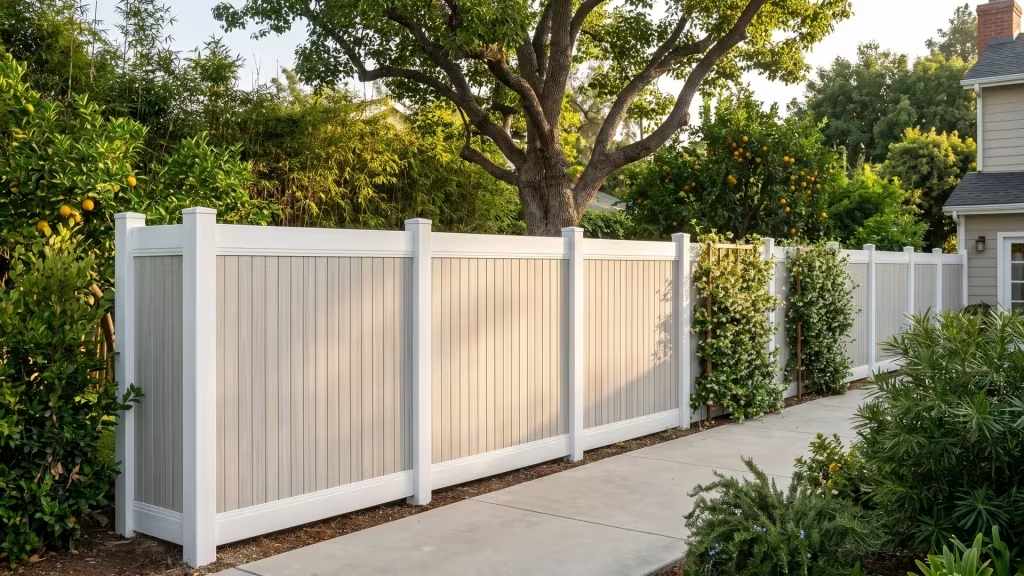
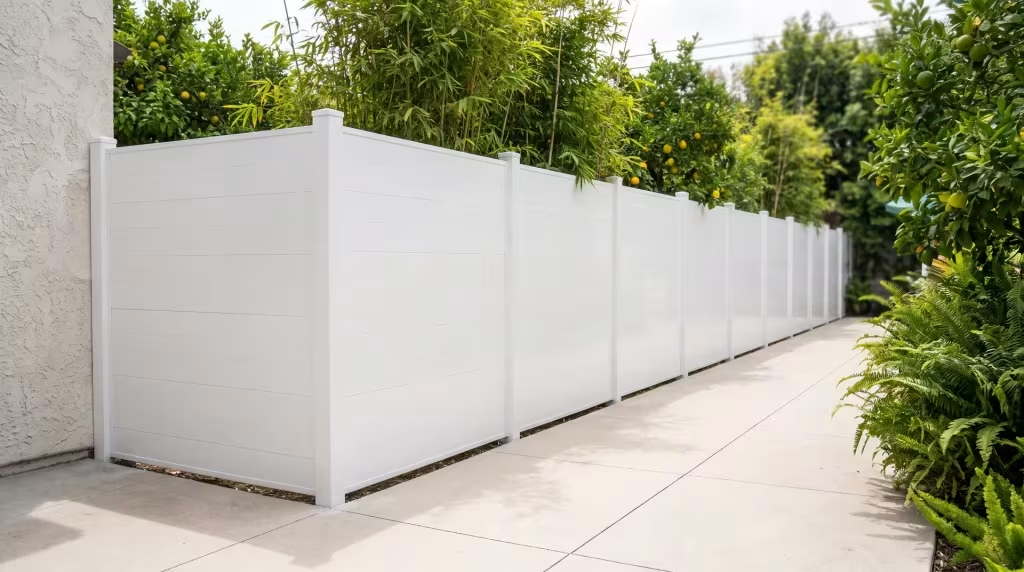
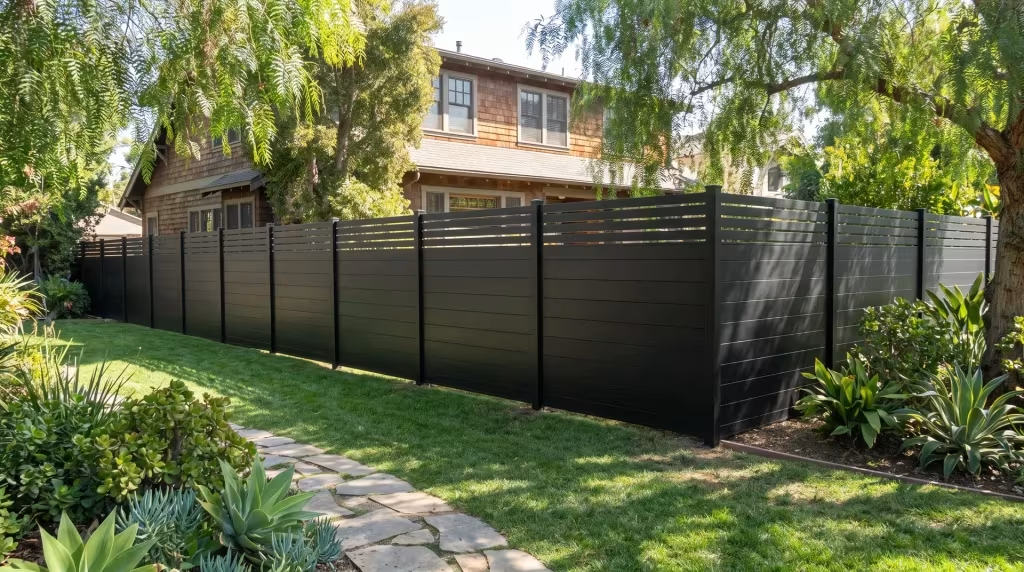
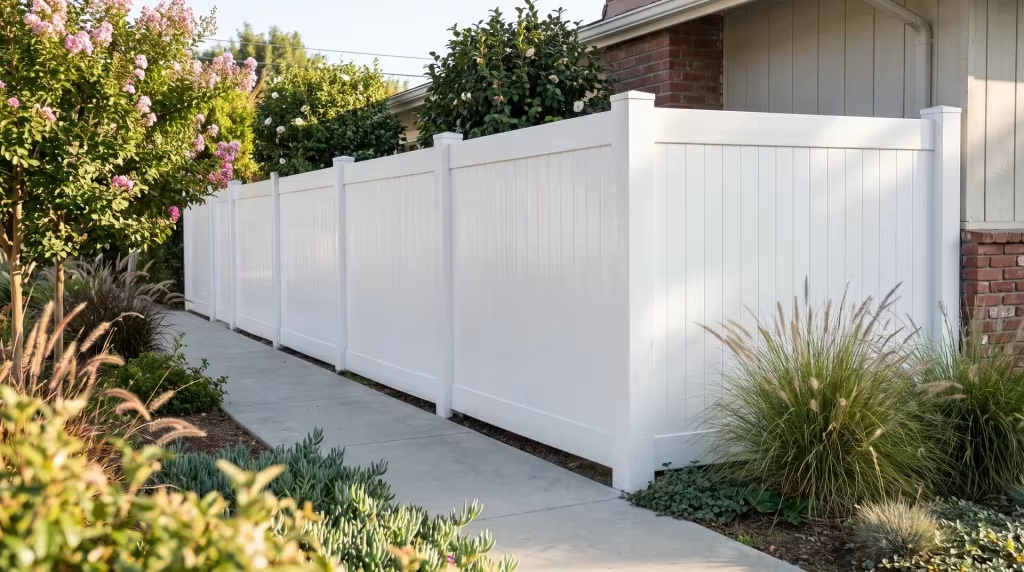
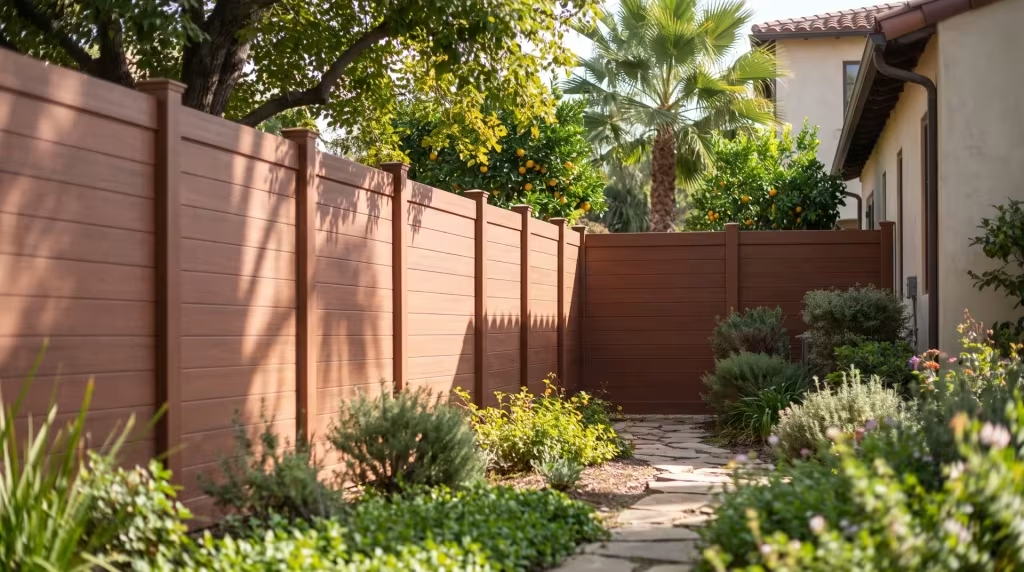
On the Palos Verdes Peninsula, salt air and steep grades call for a fence that’s engineered for the site, not just the style.
Slope, gate count, total footage and whether an existing fence needs removal all shape what a Rolling Hills project runs. A phone call gets you a rough range; a free on-site visit gets you a firm figure for your lot.
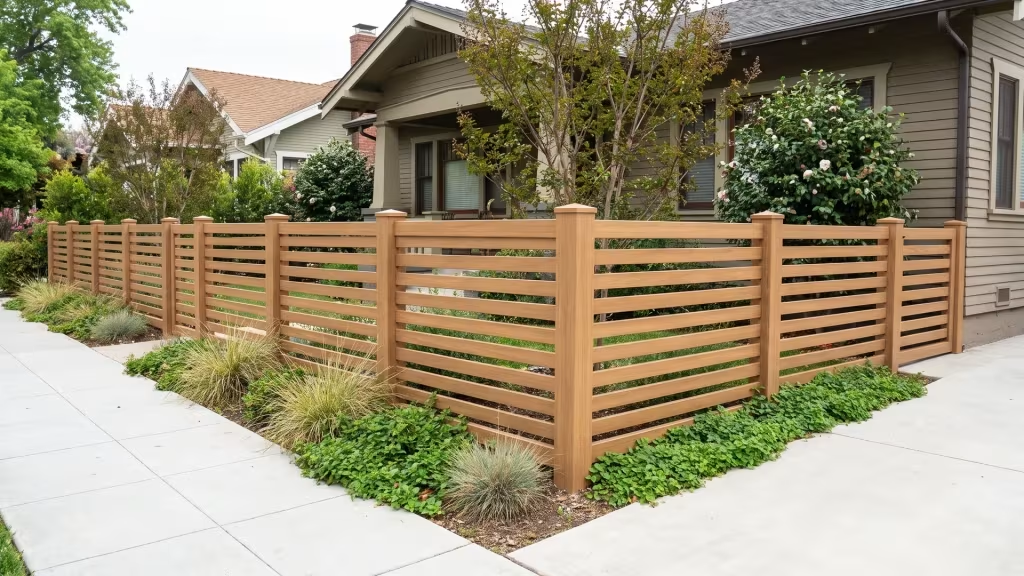
Rolling Hills is a small, entirely residential, gated community of roughly 1,739 people on the Palos Verdes Peninsula, and its terrain runs steep with narrow private roads. That combination changes how a fence gets built: posts and footings are set for slope stability, panels are racked to follow the grade, and access for equipment gets planned around the roads before a crew ever arrives.
Elevated ridgelines and exposed slopes here also see locally stronger wind than flatter valley ground, so post depth and hardware get sized with that in mind rather than treated as an afterthought.


We fabricate and install aluminum privacy, semi-privacy and picket fencing with matching gates, along with vinyl privacy and semi-privacy runs finished in colors and heights suited to a hillside lot. The full range is open to a Peninsula property, and every run is built to HOA-compliant specs.
Rolling Hills sits within a coastal climate zone, so salt-laden marine air reaches fencing here, and saltwater or coastal exposure is excluded from our aluminum warranty. On exposed sites we generally recommend vinyl, which doesn’t corrode and needs no repainting over the years.
The city also carries a Very High Fire Hazard Severity Zone designation, with periodic hot, dry Santa Ana wind events on the ridgelines, so material choice matters for defensible space as much as for looks.
Front and street-side yards are limited to 24 inches for fences, walls, hedges and similar structures, while rear and interior side yards allow up to 6 feet.
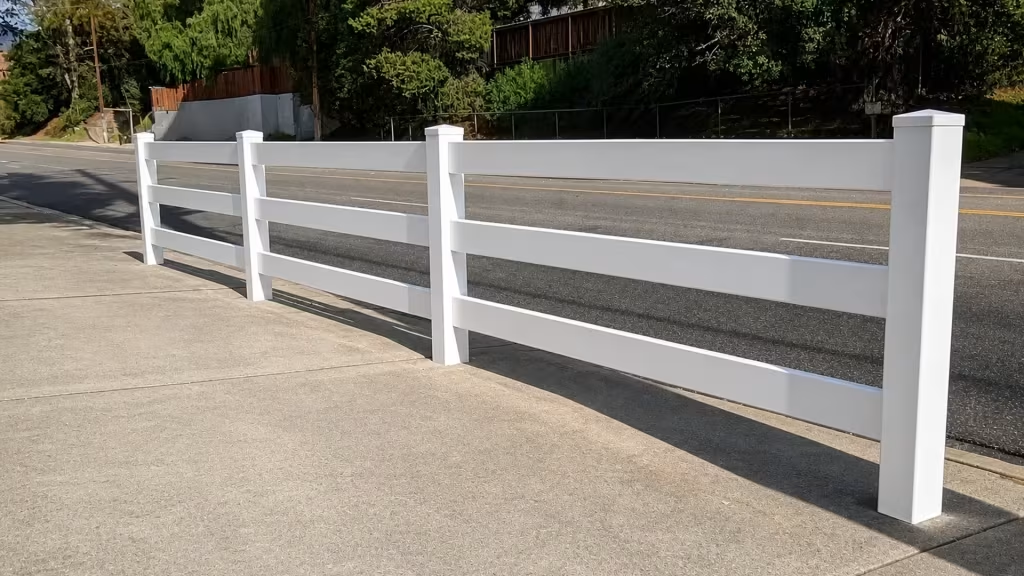
The Rolling Hills Community Association generally recommends white three-rail wood fencing for street-facing lines, and CC&Rs here can be stricter than the city code, so a proposed style may need Association sign-off before it goes in. Verify current limits, any building-permit threshold and HOA design standards with the City and the Community Association before finalizing plans.
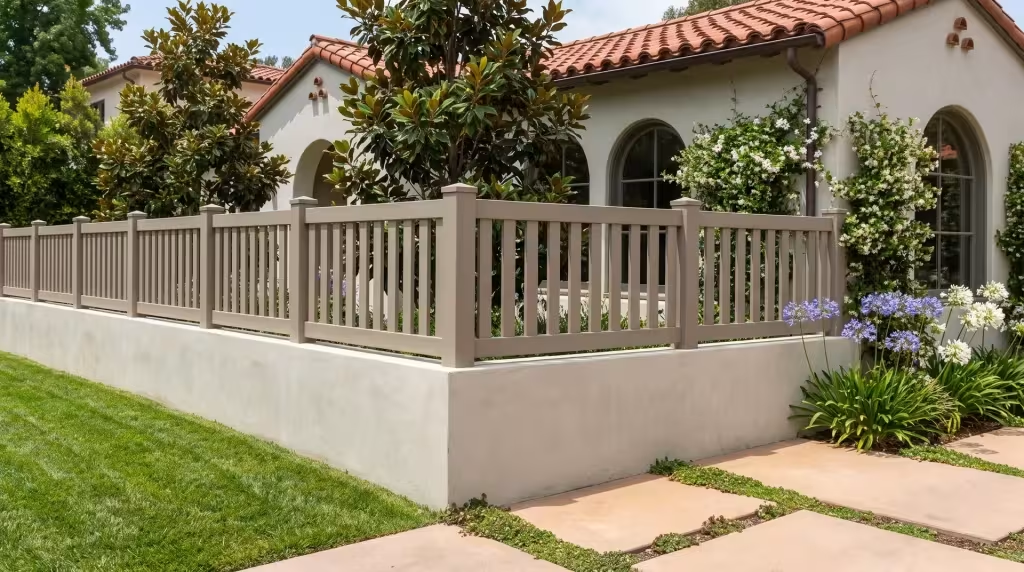
Slope grading, footing depth for stability, total linear footage, gate count, HOA-compliant styling and whether the old fence needs hauling off before the new one goes up all move a Rolling Hills quote. A free on-site visit is the only real way to get an accurate number on a site this specific, since phone estimates can’t account for grade or road access.
Salt in the air rules out anything that has to be painted back into shape, and neither material here needs that. What is left to settle is tone, judged against dry hillside planting rather than a chip held indoors.
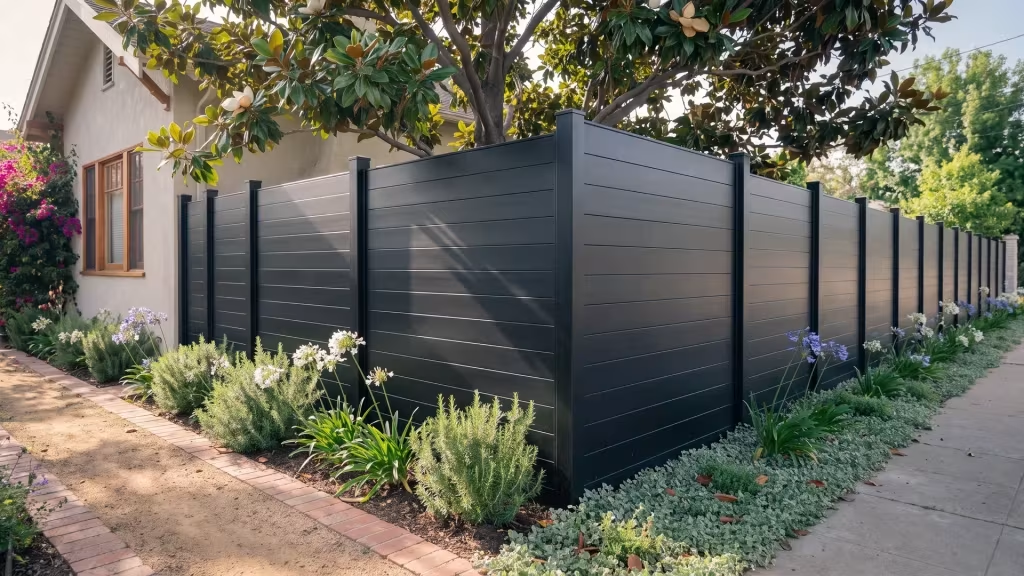
Seen from above, which is how a hillside run gets seen, texture registers before shade does. Smooth wood grains like Dark Sequoia answer that. Plain solids keep a long line quiet. The blends are the deepest of the three.
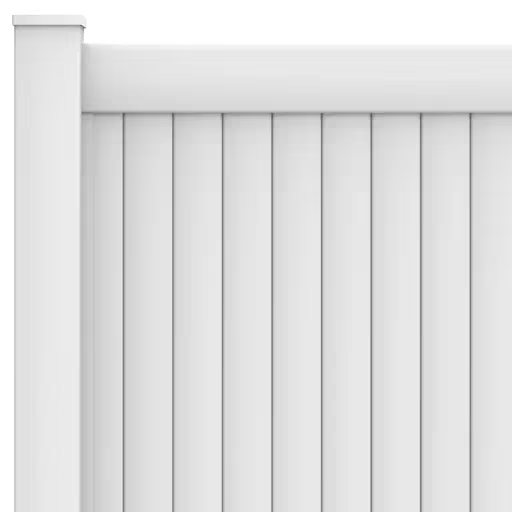
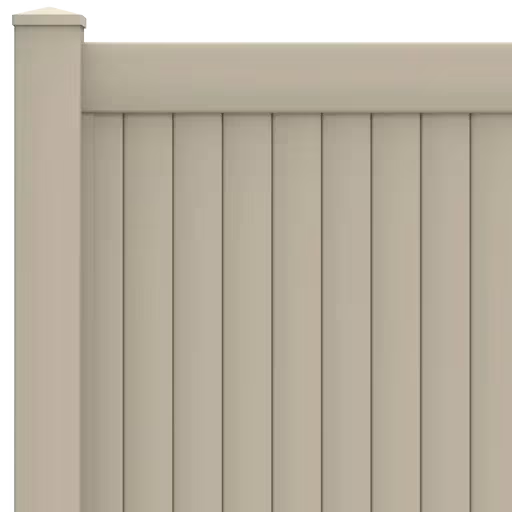
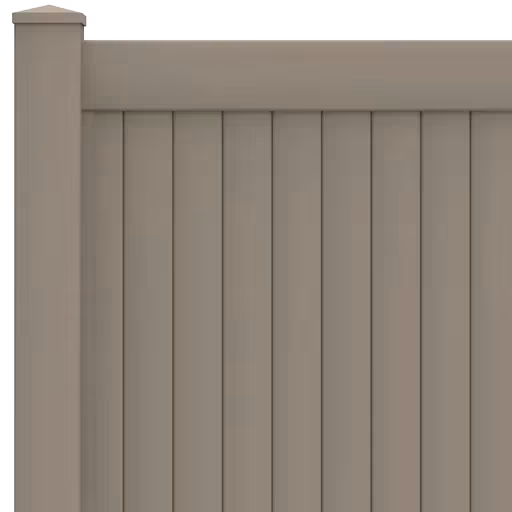
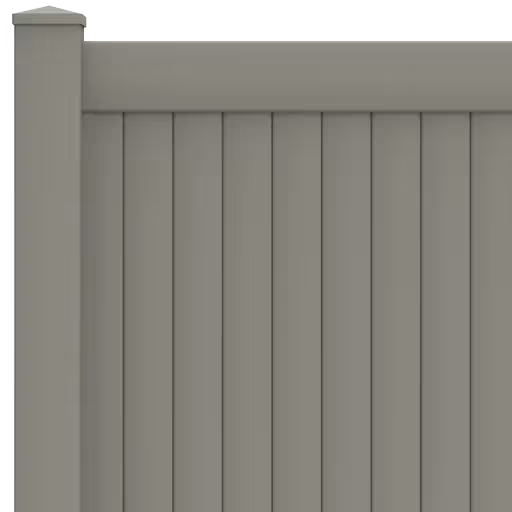
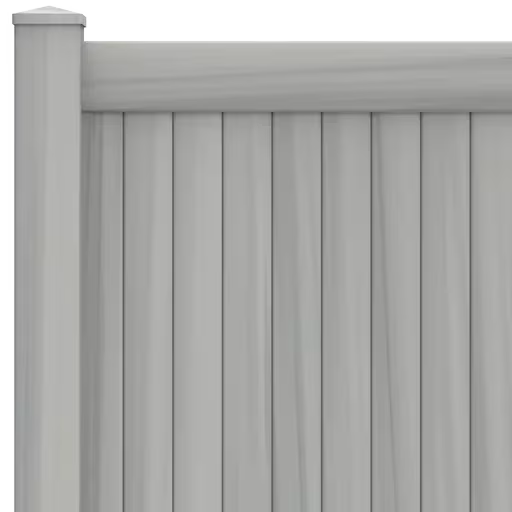
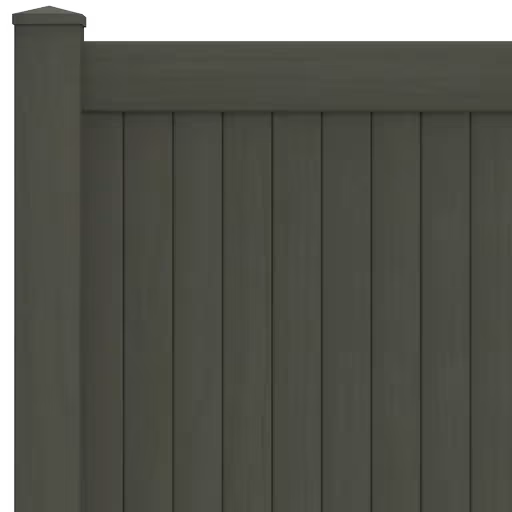
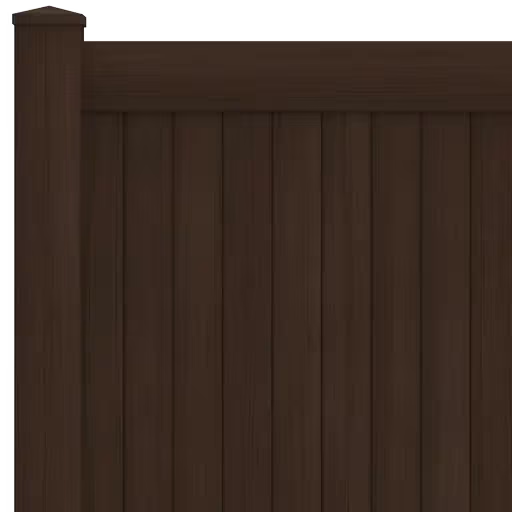
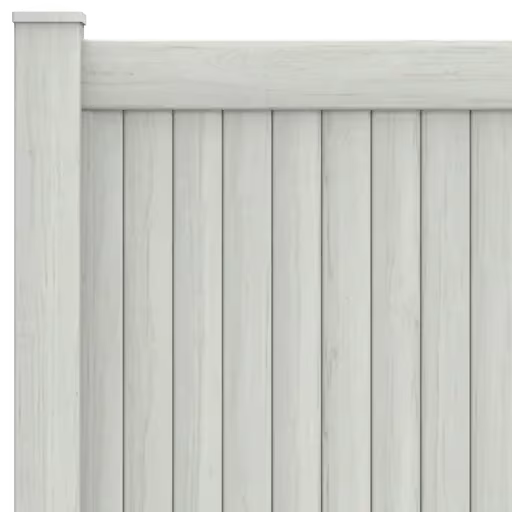
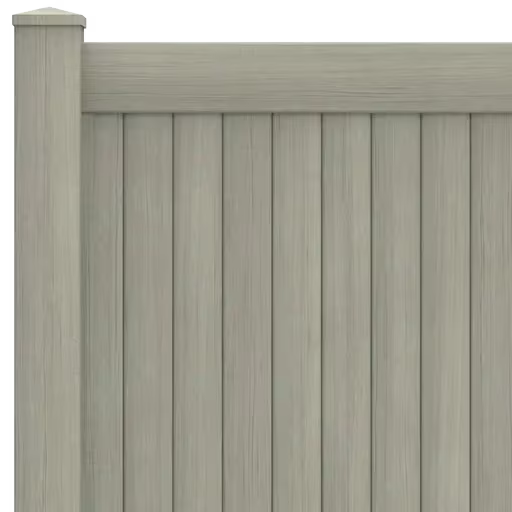
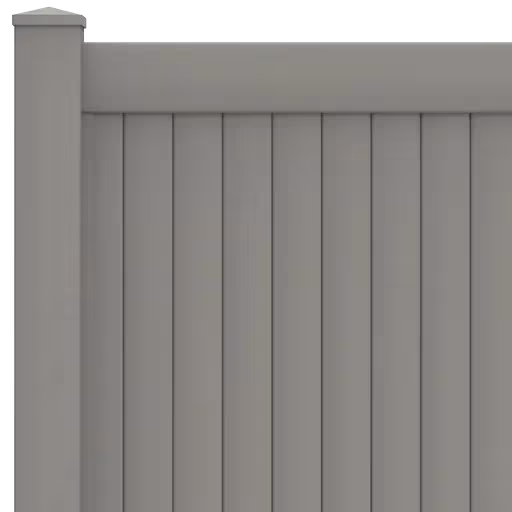
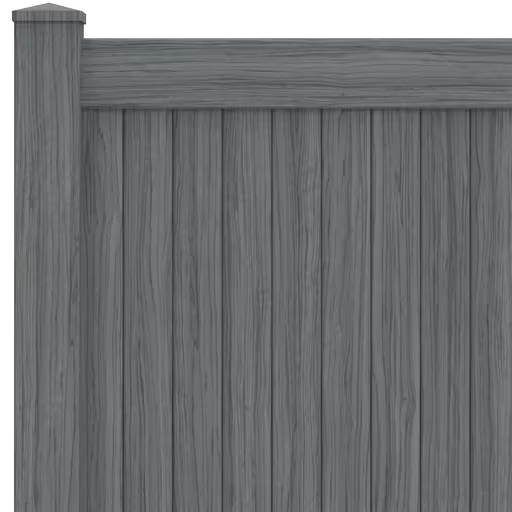
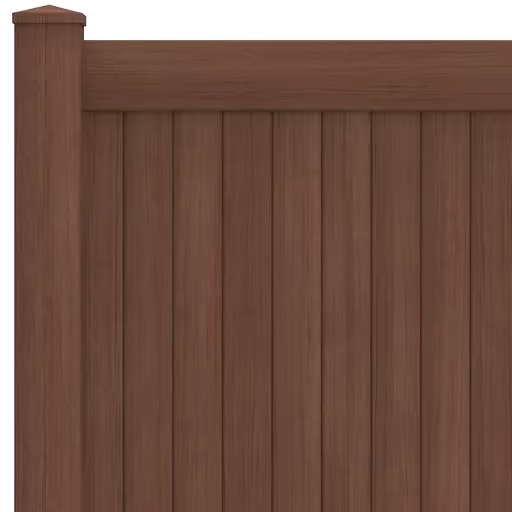
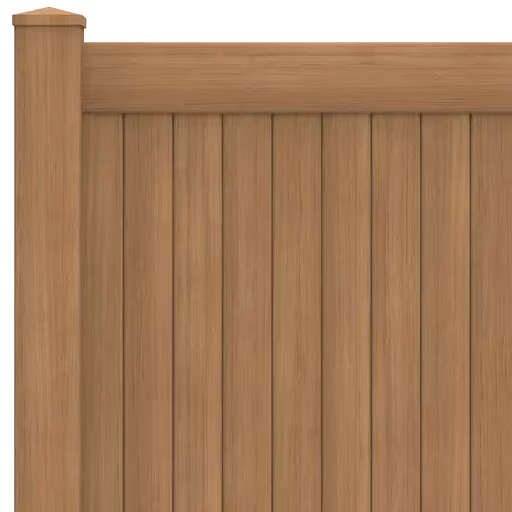
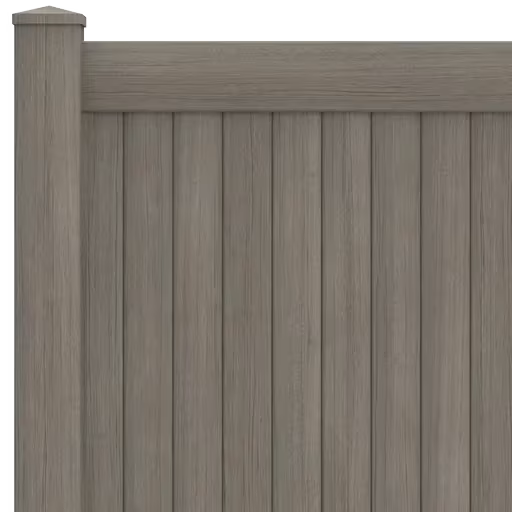
Pro Vinyl and Aluminum Fencing partners with Catalyst, one of the leading vinyl fence manufacturers in the United States. Their US-made vinyl, our custom fabrication and installation, backed by a transferable limited lifetime material warranty.

Choice is thin on this side, and worth saying plainly. The flat panels and the pickets take wood grain, white and black. Contoured slats answer in matte black alone, and no custom finish exists. Heat cured powder coat holds in damp air.
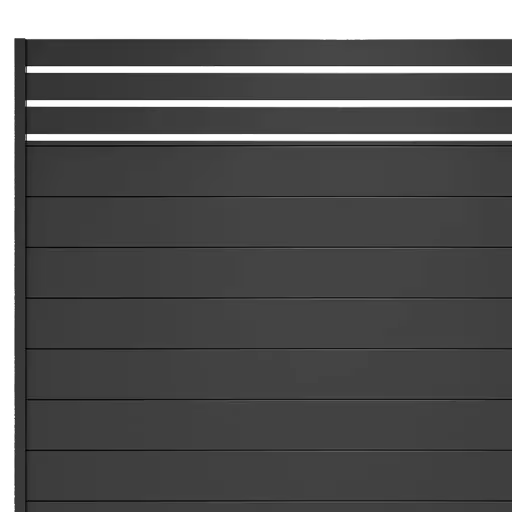
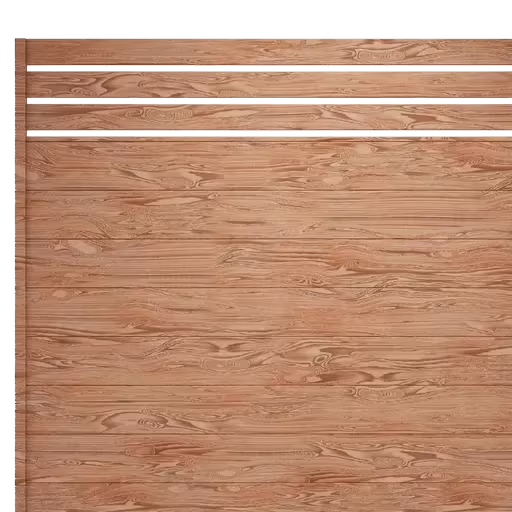
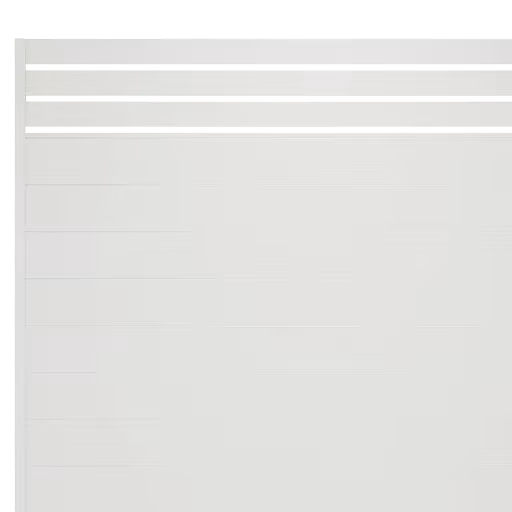
Pro Vinyl and Aluminum Fencing is a trained and authorized SLEEKFENCE™ contractor. SLEEKFENCE™ is a premium-class aluminum fencing brand registered in the USA – their engineered material, our custom fabrication and welded install, with a 20-year material warranty behind it.

Nothing on this peninsula sits level for long. A run measured right at the top post can come up short at the bottom, so it gets checked at both ends. Style sets one limit here, local rules set the other over it.
| Fence style | Min | Max |
|---|---|---|
| Vinyl privacy | 4 ft | 8 ft |
| Vinyl privacy w/Accent top | 5 ft | 8 ft |
| Vinyl picket | 3.5 ft | 6 ft |
| Vinyl wall topper | 2 ft | 3 ft |
| Aluminum privacy | 4 ft | 12 ft |
| Aluminum semi-privacy | 4 ft | 12 ft |
| Aluminum privacy hybrid | 4 ft | 12 ft |
| Aluminum wall topper | 2 ft | 4 ft |
Full-service installation: old fence hauled away, footings dug, and panels racked true to your yard’s slope.
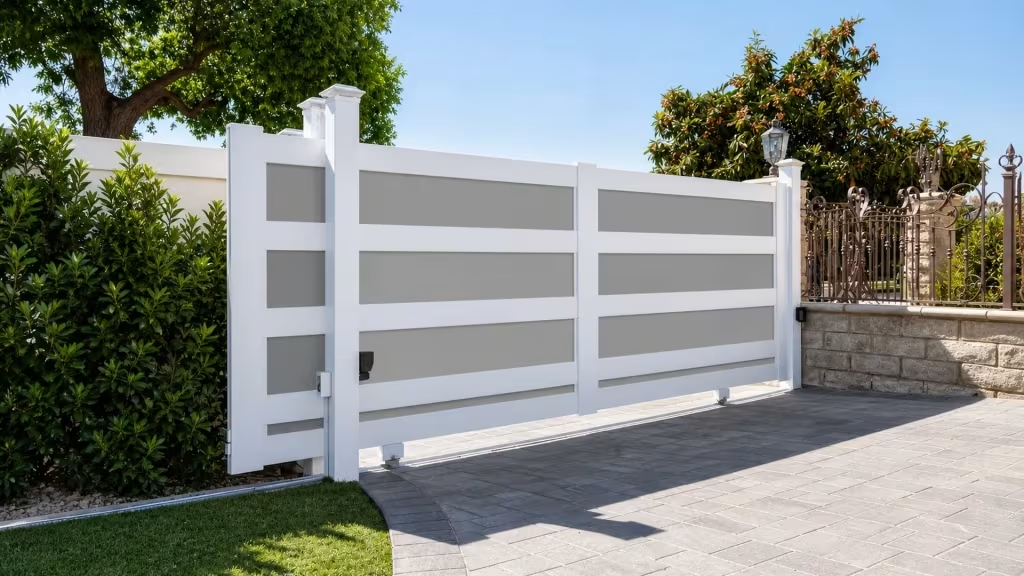
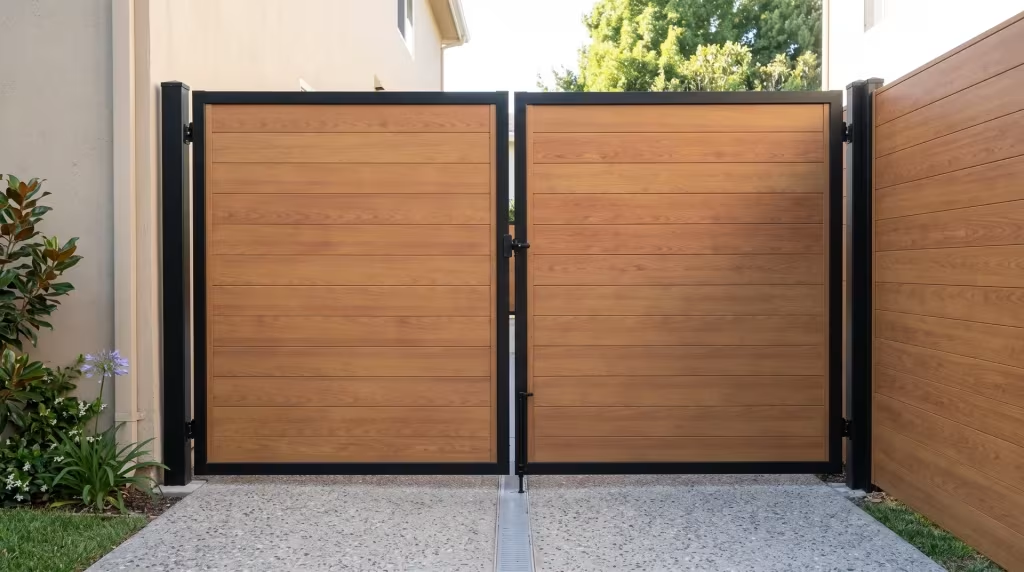
The full vinyl gate lineup runs on a metal frame under the cladding, from a single side gate to a wide driveway gate.
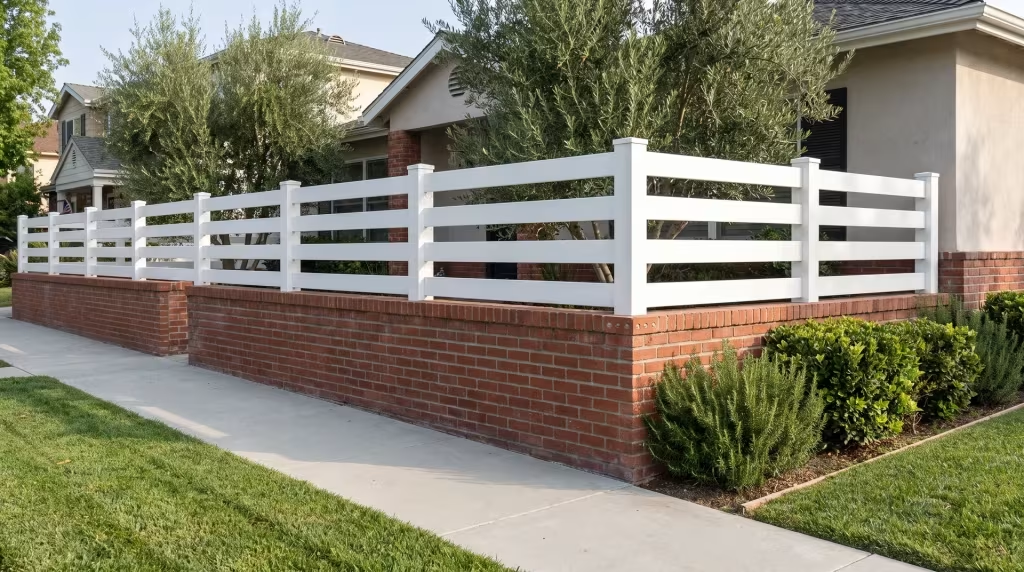
A short section mounted on the wall or fence you already own, adding height without tearing out what still works.
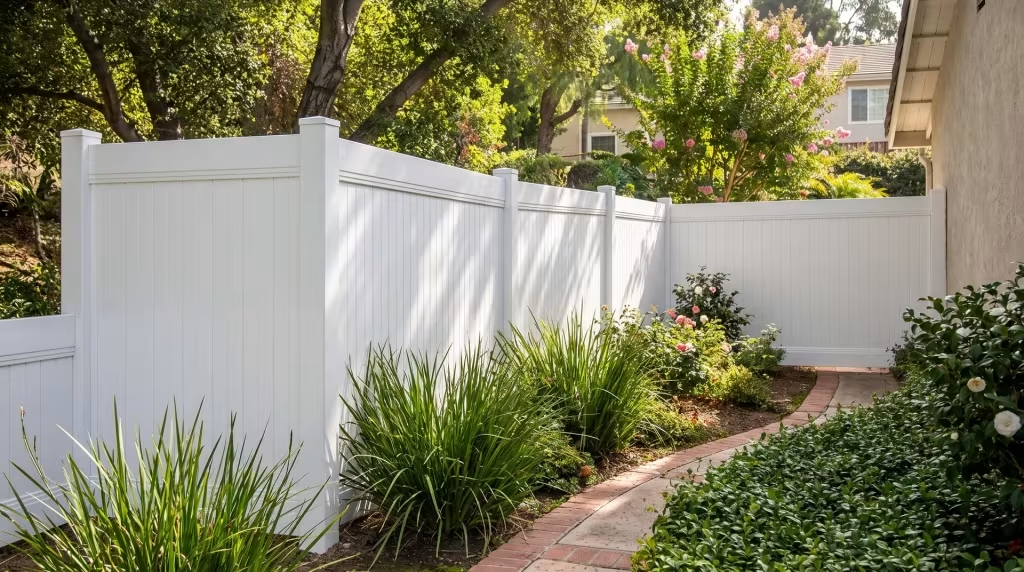
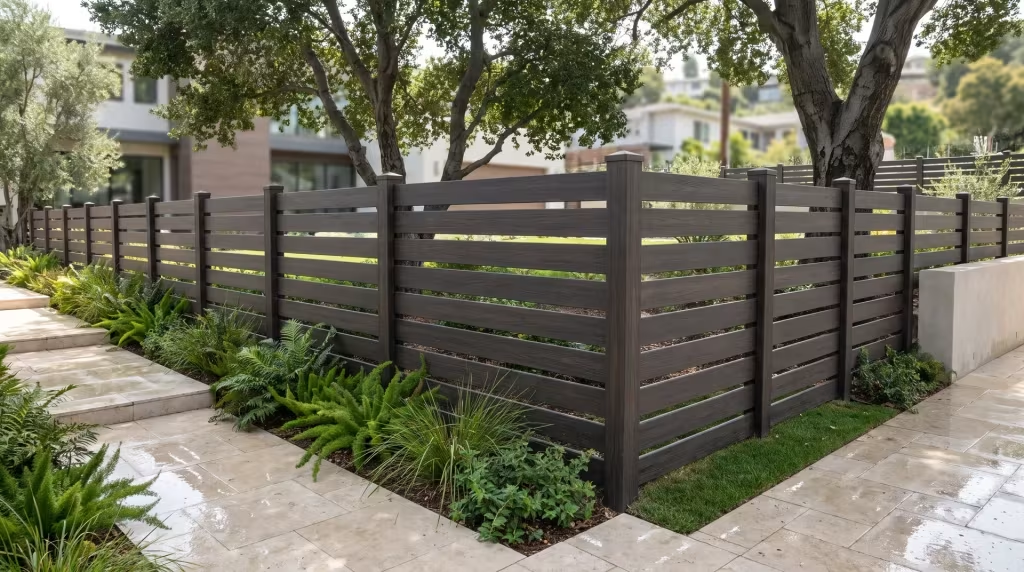
Every real vinyl fence color we build, spanning solid neutral tones to layered wood-grain finishes.
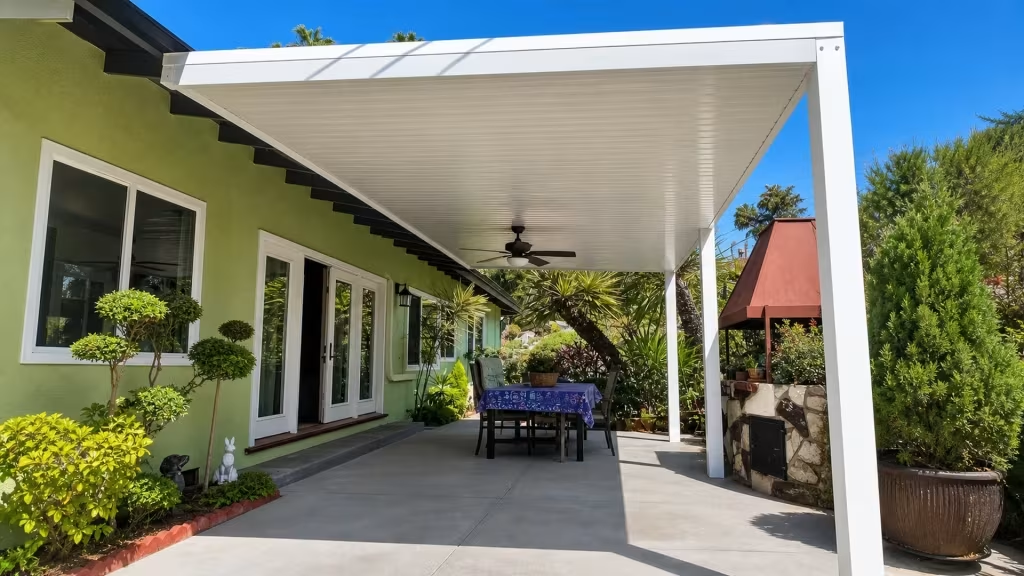
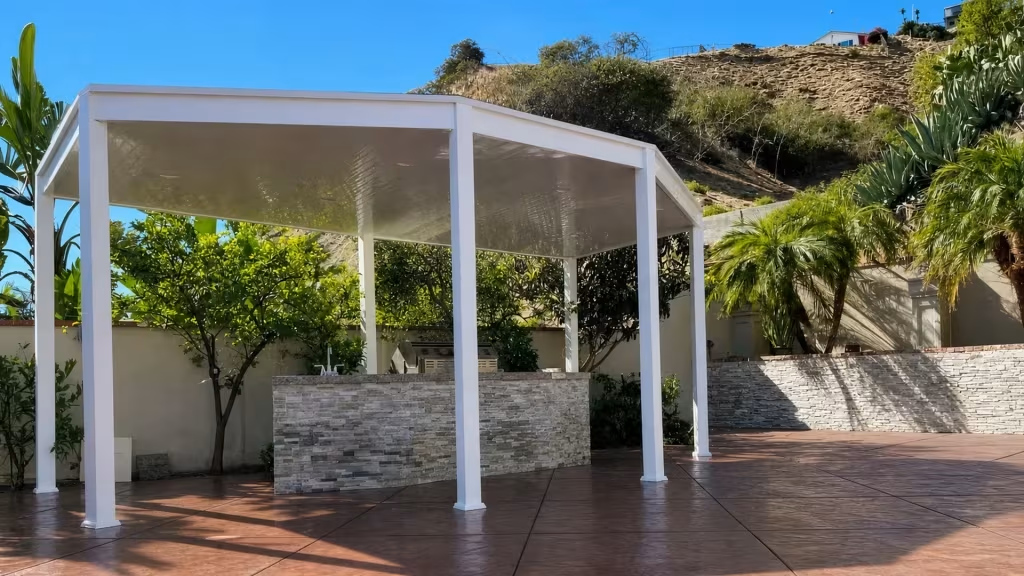
Patio covers and pergolas get built to your yard’s footprint, skipping the sanding and staining a wood cover demands.
Custom aluminum fencing built in privacy, semi-privacy, or picket styles, powder-coated against rust.
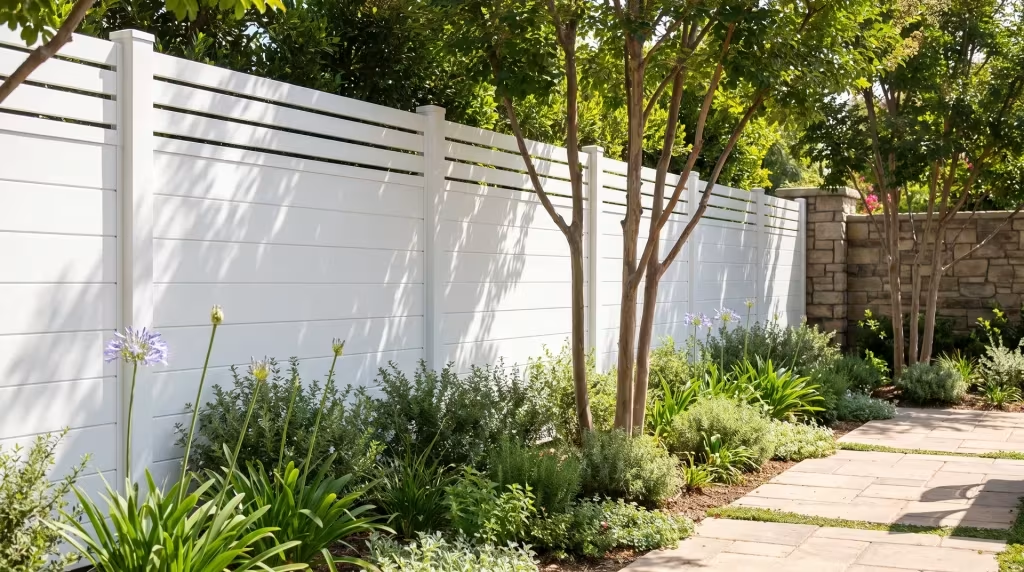
Wall toppers welded from aluminum, anchored atop your existing block or masonry wall to add height.
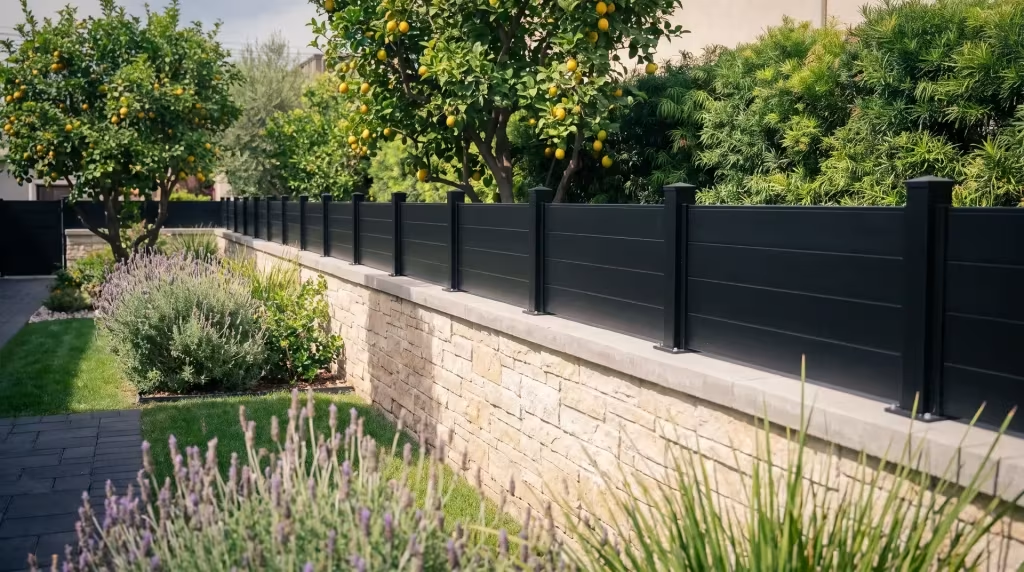
Gates welded from aluminum to match your fence, built as a walk, driveway, or rolling gate.
So happy to have found Pro Vinyl Fencing! we had multiple companies bid on the work and they definitely brought the best offer.
Vardkez came over to install after final measurements were done and worked super hard in 90+ degree weather to get the job done. He has done amazingly and we couldn’t be happier with the results. Thank you!

What a wonderful company. I chose Pro Vinyl Fencing because of their ability to walk me through options and explain the process in detail. I am so pleased with the front fencing they installed. No hiccups or issues.
I’ll be using them to replace all the fencing and gates at the back of my property.

Vic was very professional and knew exactly what I needed done. he was very detailed and explained everything that was going to be done. The workers Sevak and Hayk were excellent and were very friendly. I would recommend Pro Vinyl to everyone. Thank you for the great job. – Robert

Really happy with the results and the best price I got from numerous estimates. The installers worked really hard and got it all done in one day. Jasmine always gave me comfort as she always responded to my texts and always answered my questions.
Will look to them for a potential second job . Thank you !
These images cover vinyl and aluminum fencing completed in and around Rolling Hills and the wider Palos Verdes Peninsula, including gate work, HOA-compliant styling and slope-racked panel runs built to hold on steep, exposed hillside properties.
Rolling Hills incorporated on January 24, 1957, and remains one of the smallest cities in Los Angeles County, home to roughly 1,739 residents across about three square miles, all of it gated and entirely residential. The city sits on the Palos Verdes Peninsula, around 21 miles south-southwest of downtown Los Angeles, bordered by Rolling Hills Estates to the north and Rancho Palos Verdes on the other three sides.
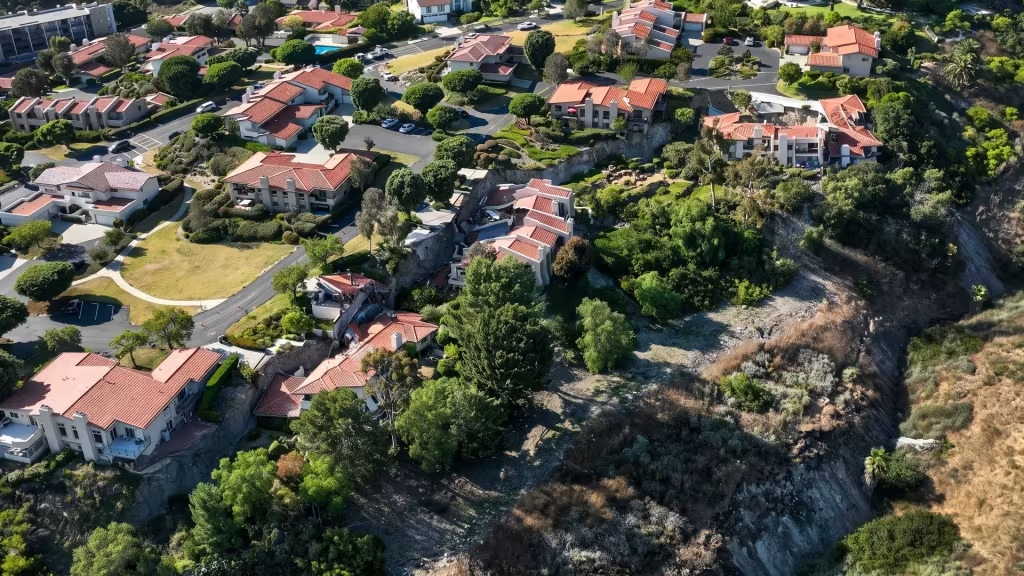
Rolling Hills’ land is steep hillside and coastal bluff, with access largely by narrow private roads. That terrain means posts and footings get engineered for slope stability, and equipment access gets planned around the roads before work begins.
Sitting within a coastal climate zone, Rolling Hills gets salt-laden marine air that affects exterior metal over time, which is why aluminum warranty coverage excludes saltwater and coastal exposure here. The city also carries a Very High Fire Hazard Severity Zone rating, with periodic hot, dry Santa Ana wind events adding to the risk profile.
Front and street-facing side yards cap at 24 inches, while rear and interior side yards allow up to 6 feet. The Rolling Hills Community Association typically calls for white three-rail wood fencing along street frontages, and its CC&Rs can be stricter than city rules. Verify current limits, permit thresholds and HOA design standards with the City and the Community Association before you build.
A Rolling Hills fence job follows four stages built around the site: a free on-site visit that accounts for slope and road access, a written contract, careful installation, and warranty coverage handed over at the very end.
Every step accounts for the roads, the grade and the HOA standards before a single post goes in.
A team member walks the slope, checks road access for equipment, and leaves a real figure, not a phone estimate.
Material, height, gate count and HOA-compliant style all go on paper before a start date gets set.
Footings get engineered for the slope, panels get racked to the grade, and the crew hauls off the old fence.
In writing, you get vinyl’s lifetime coverage or aluminum’s 20/10-year terms, plus our 5-year workmanship.
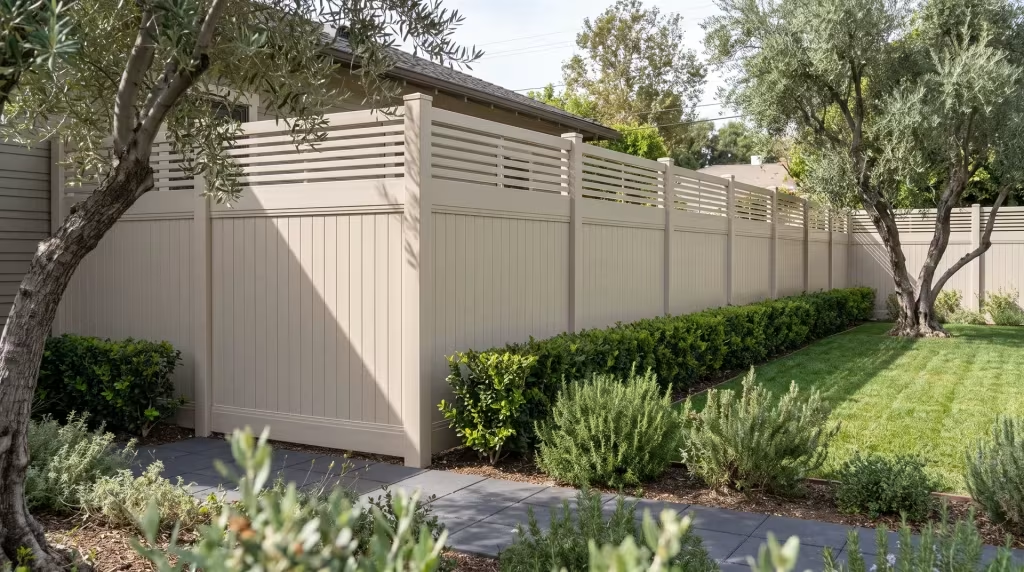
Reads on slope installs, salt-air upkeep and HOA rules for Rolling Hills and Peninsula homeowners.
The site, more than personal taste, usually decides whether a gate should swing, slide, or lift clear.
Fences blog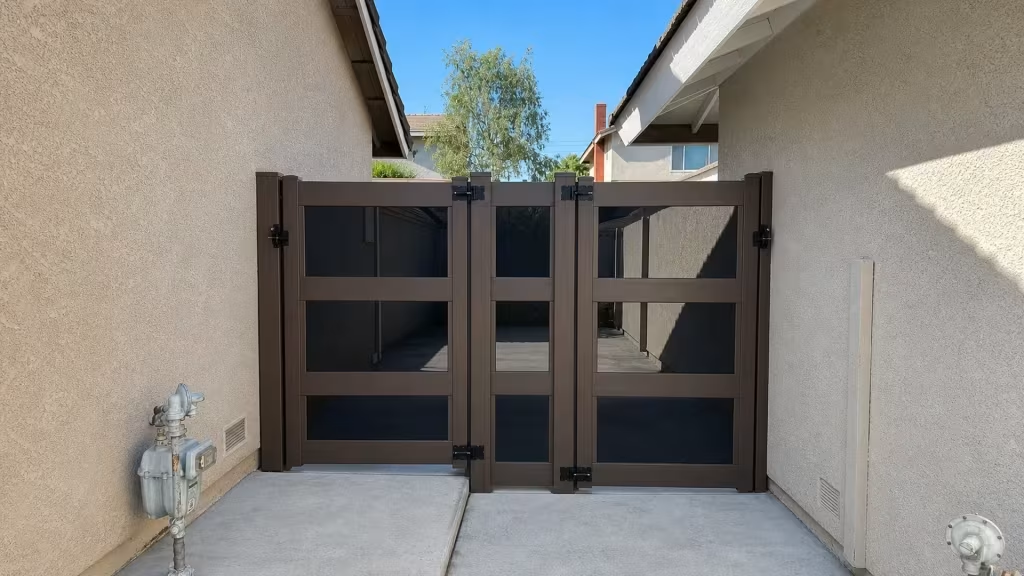
Fence Installation FAQs for Rolling Hills
Quick, honest answers on what Rolling Hills homeowners ask before building, from the Community Association’s fencing standards to how salt air, steep slopes and the fire-hazard rating change what goes into an install on this part of the Peninsula today.
Have a question for us?
Reach out and a real person answers with a free, no-pressure estimate.
Front and street-side yards are capped at 24 inches, while rear and interior side yards allow up to 6 feet.
Rolling Hills adopts the Los Angeles County Building Code for permit thresholds, so verify exact limits with the City before you build.
Yes. The Rolling Hills Community Association generally calls for white three-rail wood fencing along street-facing lines, and CC&Rs can be stricter than city code.
Check current design standards with the Association before finalizing a style.
It can. Rolling Hills sits in a coastal climate zone with salt-laden marine air, and saltwater or coastal exposure is excluded from our aluminum warranty.
On exposed lots we typically recommend vinyl instead, which doesn’t corrode.
Rolling Hills’ hillside lots need footings engineered for slope stability and panels racked to follow the grade rather than stair-stepped. Narrow private roads also affect how equipment reaches the site.
Rolling Hills carries a Very High Fire Hazard Severity Zone designation, so material choice matters for defensible space, not just appearance. Metal options generally hold up better here than untreated wood.
Yes. Alongside Rolling Hills, we regularly work across the Palos Verdes Peninsula, including neighboring Rolling Hills Estates and Rancho Palos Verdes.