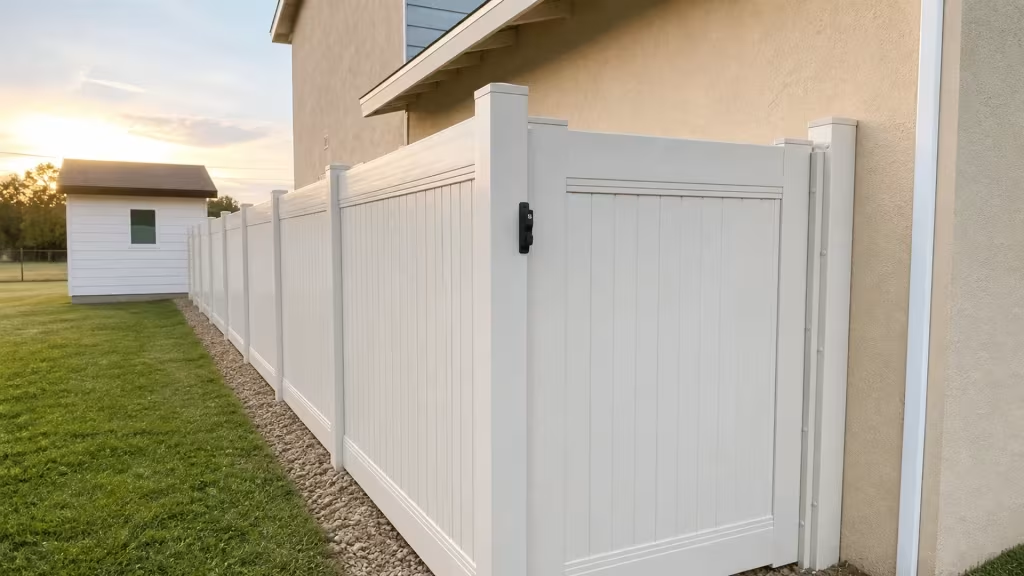
Vinyl Fence Installation
Full-service installation: old fence hauled away, footings dug, and panels racked true to your yard’s slope.
Call Now: (844) 744-0707

Temple City’s Article N zoning code sets exact height limits for view-obscuring and open fencing, and your project gets built to fit them from the start.
Our crew has fabricated and installed vinyl and aluminum fencing since 2018, backed by a 5-year workmanship warranty on every job.
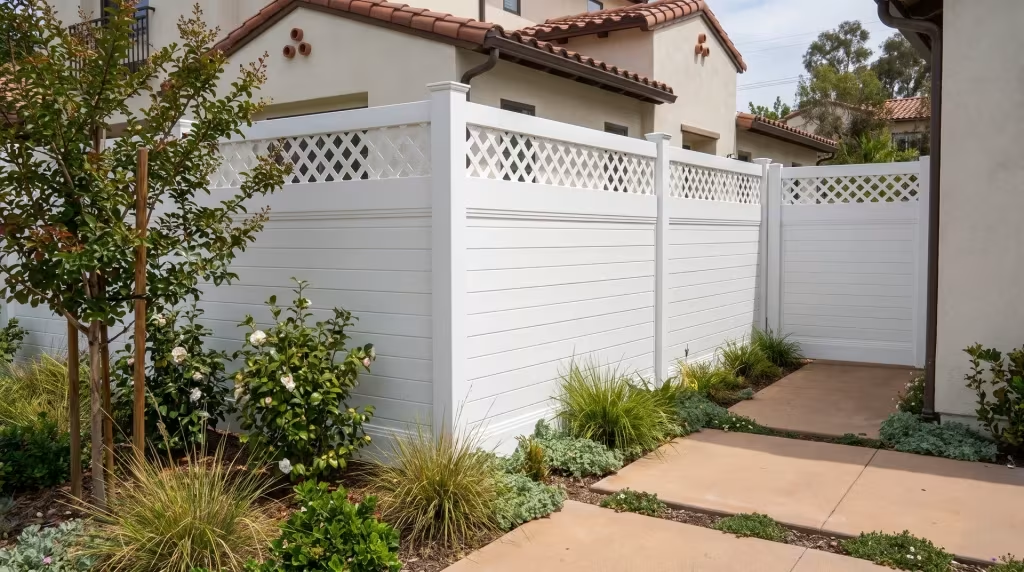
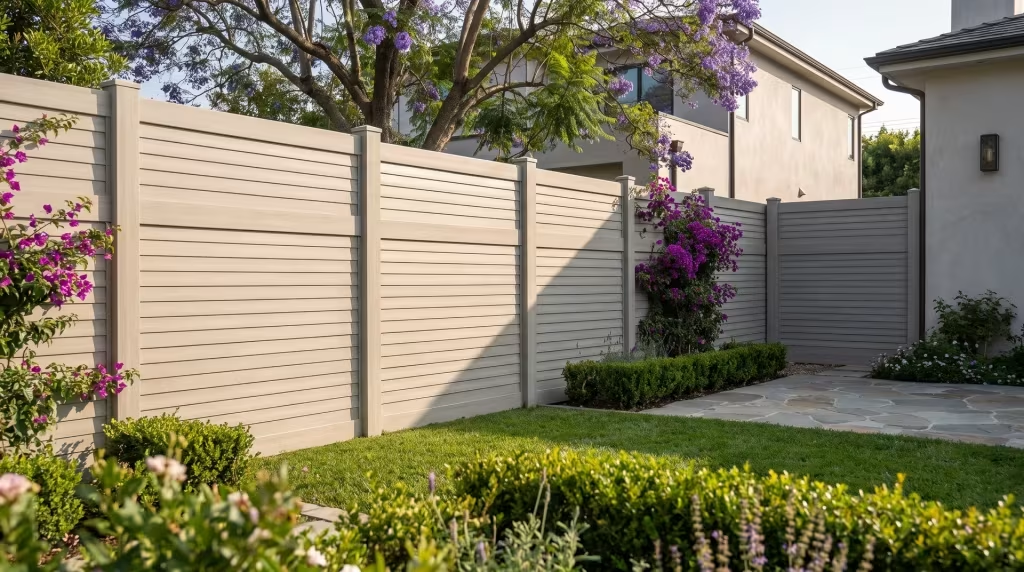
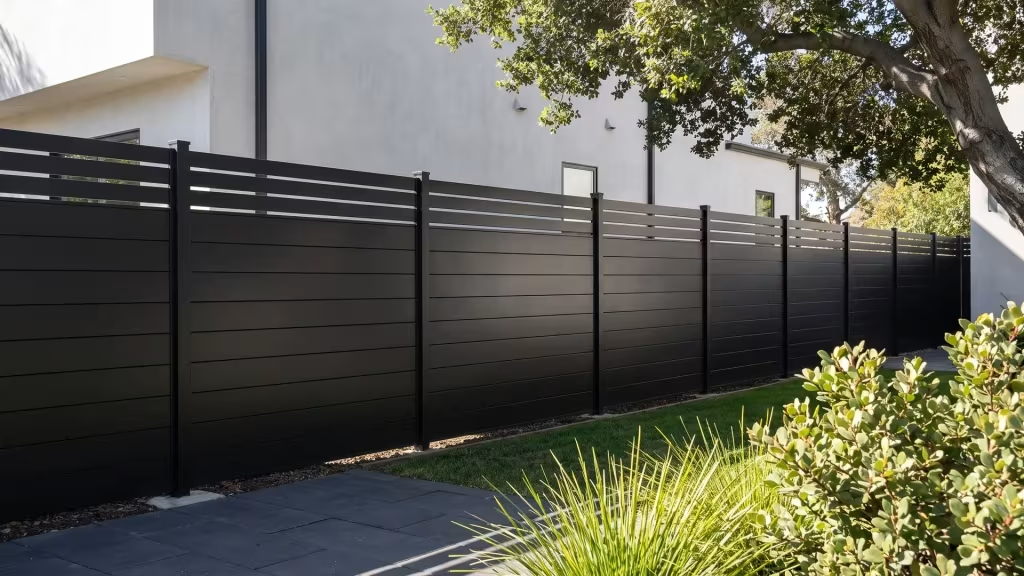
Temple City homeowners call us for custom vinyl and aluminum fencing, sized to fit Article N’s exact height tiers.
Whether the goal is a fully private backyard or an open, view-friendly front line under Article N, every project begins with a free on-site estimate and a written contract before any work ever starts.
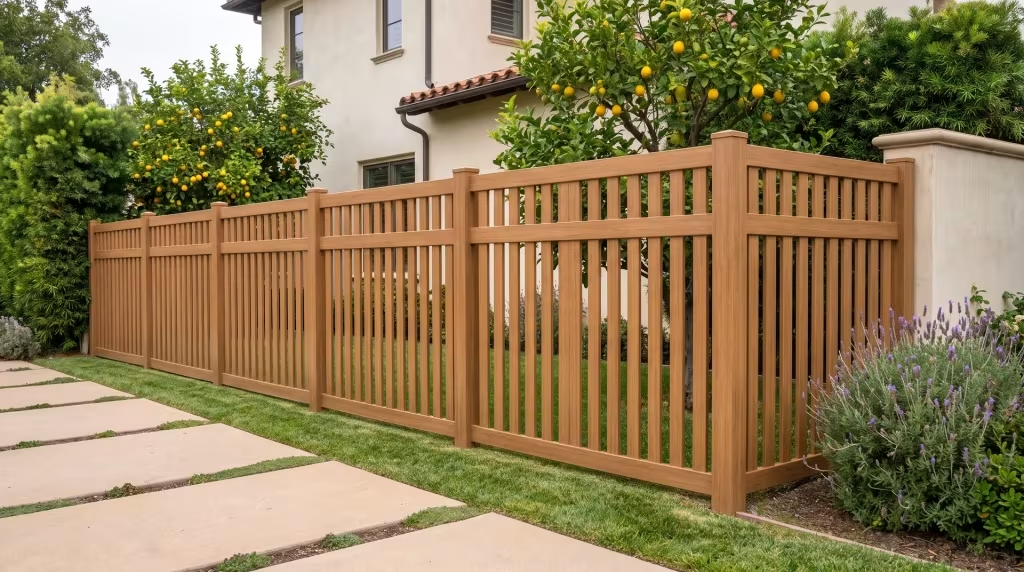
Temple City has been an incorporated city since May 25, 1960, though the town itself dates to 1923, sitting in the West San Gabriel Valley at the base of the San Gabriel Mountains, about 15 miles northeast of downtown Los Angeles.
Rosemead Boulevard, with its historic Pacific Electric Railway statues, runs through town, bordered by Arcadia, San Gabriel and Rosemead. The city’s own zoning code, not a county default, governs fence height here.


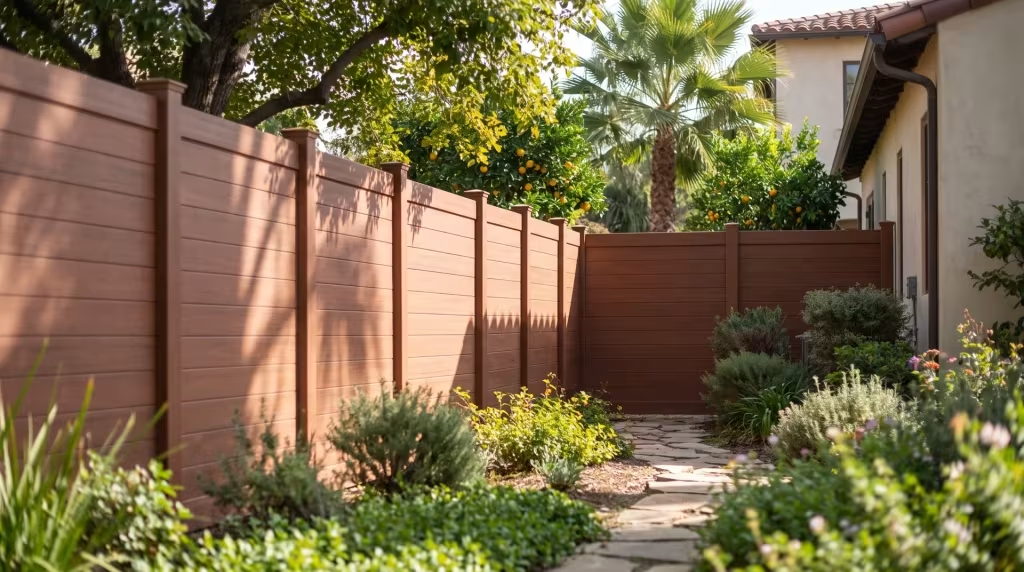
Temple City’s warm, inland San Gabriel Valley climate is easy on vinyl: the color runs through the material so it never yellows in the sun, and upkeep is a rinse twice a year. Custom heights from 2 to 8 ft come in 10+ colors and 10+ styles.
Our aluminum line adds a modern, powder-coated look with an ASTM E84 Class A flame and smoke rating, in black, white or a wood-grain finish. Both materials hold their look through the valley’s long, sunny stretches without cracking or ever fading.
Privacy and semi-privacy vinyl fencing anchor the work we do here, alongside picket and two-tone styles, ranch rail, pool enclosures and driveway gates. The aluminum line covers privacy, semi-privacy and picket panels, wall toppers for an existing wall, and matching single, driveway or rolling gates. Both materials are fabricated to a measurement, not pulled off a shelf.
Every quote is built from the job in front of us, not a price sheet. What matters: total footage, whether the run is view-obscuring or open under Article N, vinyl versus aluminum, gate count and width, demolition of an old fence, and any grading needed near the street property line. A phone call gets you a ballpark; a site visit gets you a real number for your yard.
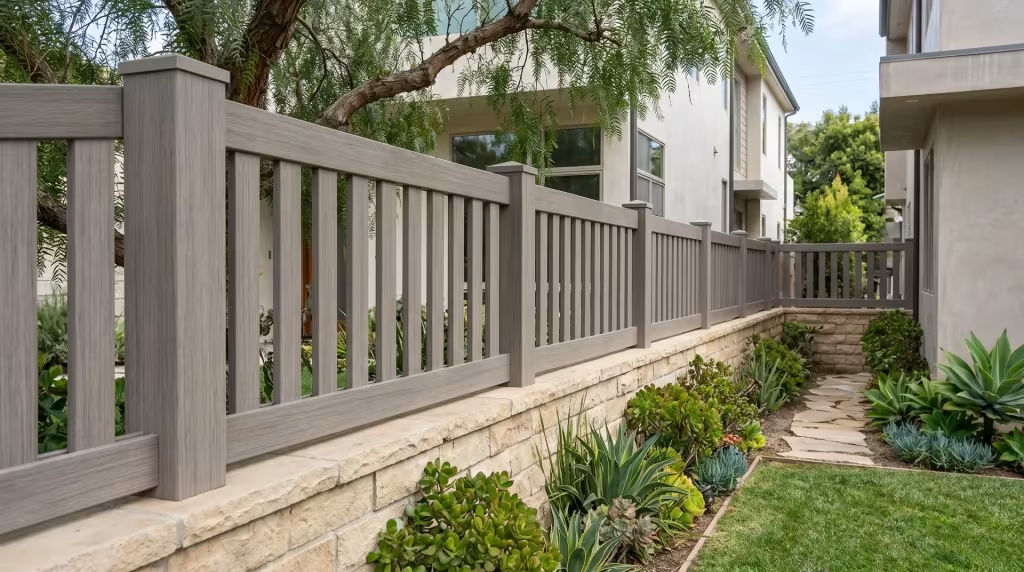
Temple City’s Article N zoning code splits front-yard fences into two tiers: 36 in for a view-obscuring fence, 42 in if it is at least 50 percent open. Side and rear yards go up to 6 ft, or 8 ft on interior setbacks, stepping down to 4 ft within 5 ft of the street property line.
Street-facing side yards on reverse corner lots follow the front-yard limits instead. The zoning code does not spell out a separate city permit height trigger; the California Building Code generally requires one above 7 ft. Verify current thresholds with the City of Temple City Planning Division before finalizing a design.
A swatch is a few inches across; a fence is a whole boundary. Whatever reads as quiet on a small square gets multiplied by every foot built, so judge the tone at that scale. Vinyl carries the wide choice, aluminum a tight one.
Four plain solids anchor one end, Gray and Tan among them. A middle group with milled grain adds visible texture. Four TimberGrain blends carry the heaviest relief. And one section may run a different family from the next.
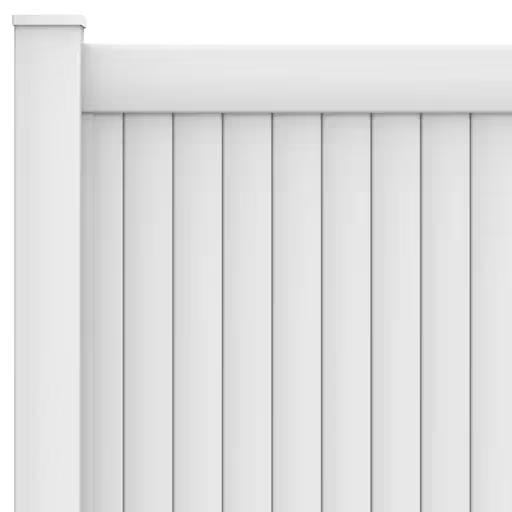
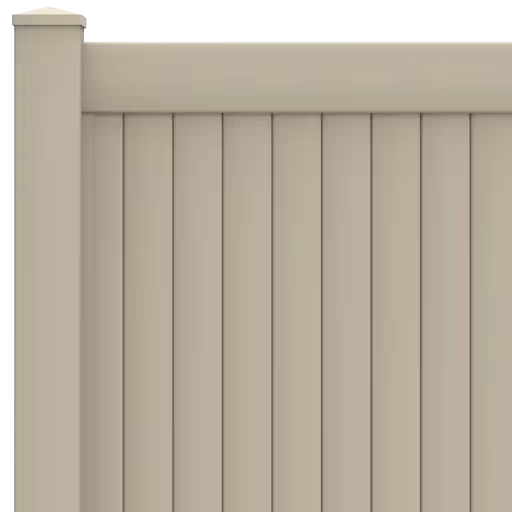
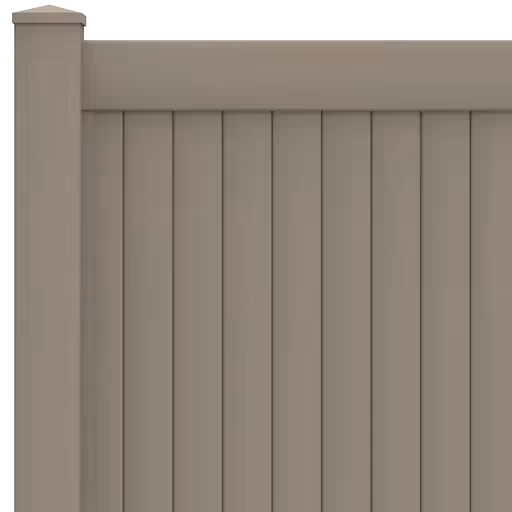
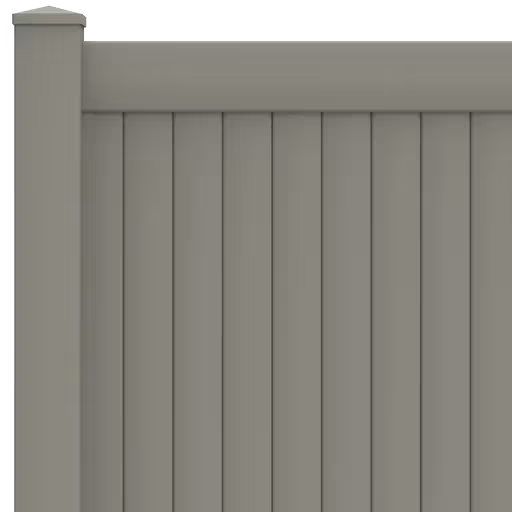
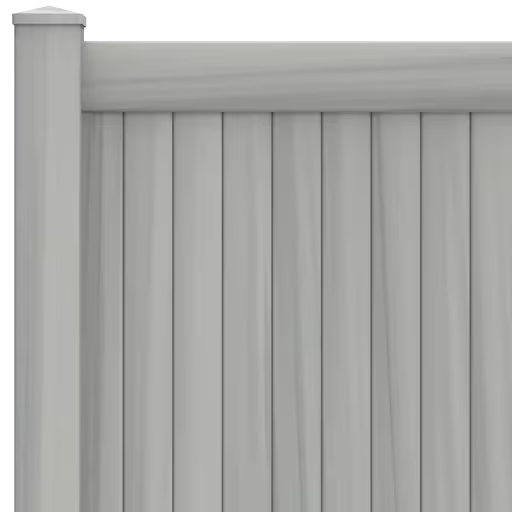
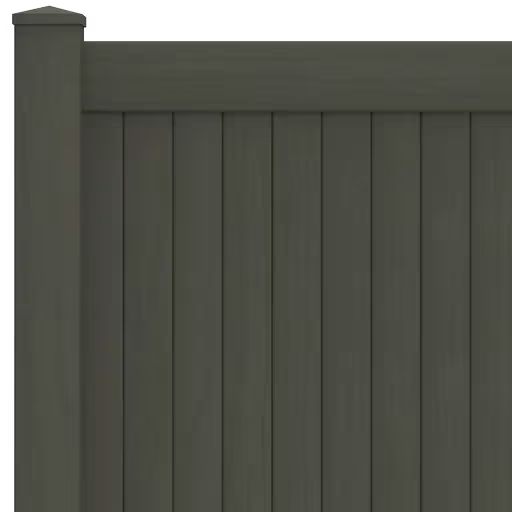
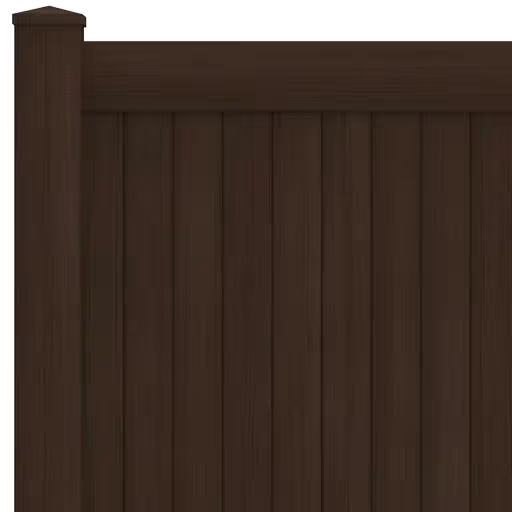
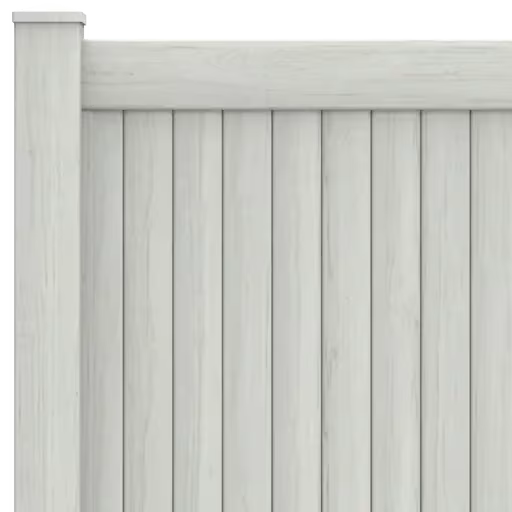
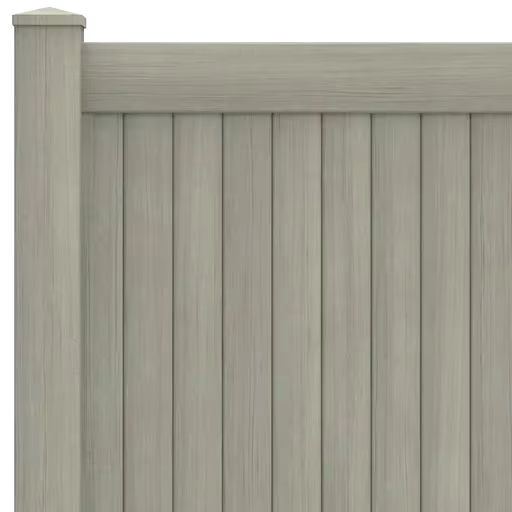
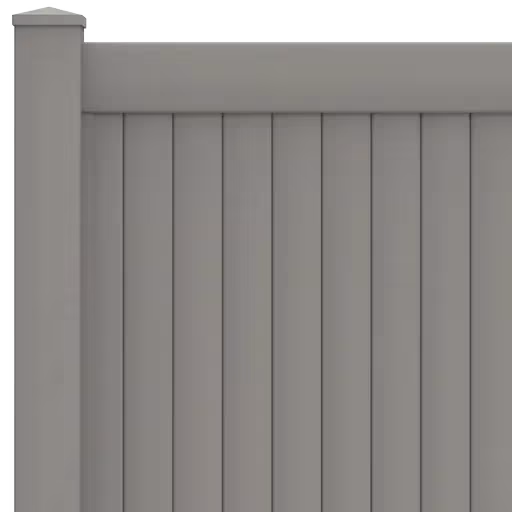
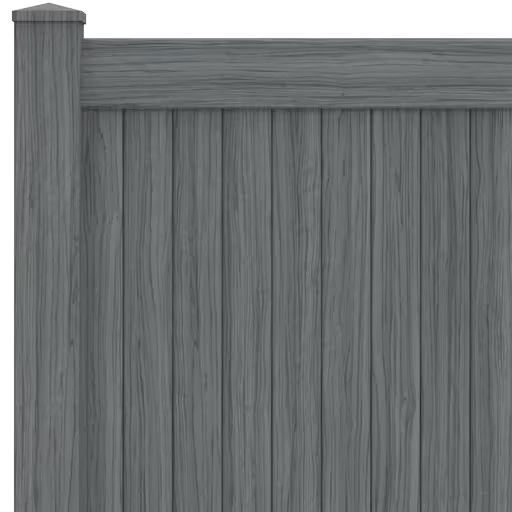
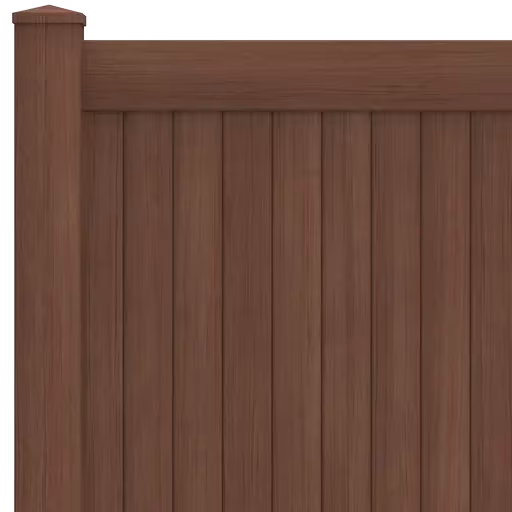
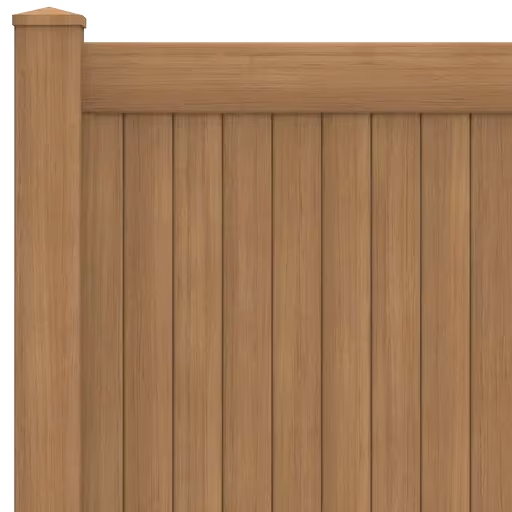
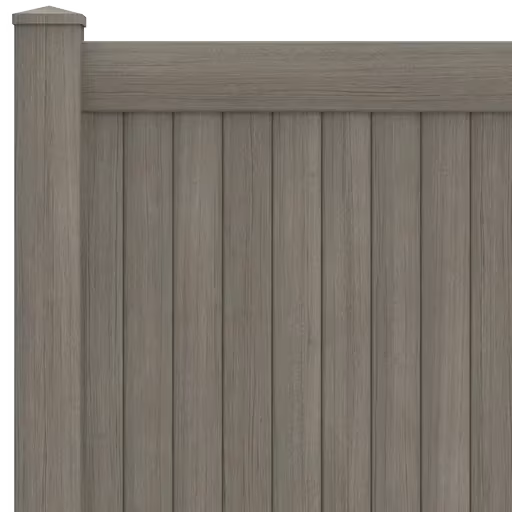
Pro Vinyl and Aluminum Fencing partners with Catalyst, one of the leading vinyl fence manufacturers in the United States. Their US-made vinyl, our custom fabrication and installation, backed by a transferable limited lifetime material warranty.

Metal arrives with its finish already on it. Three reach the flat profiles and pickets: black, the white, or the grain finish. Contoured slats: matte black, nothing beside it. Heat sets the powder, so nothing peels later.
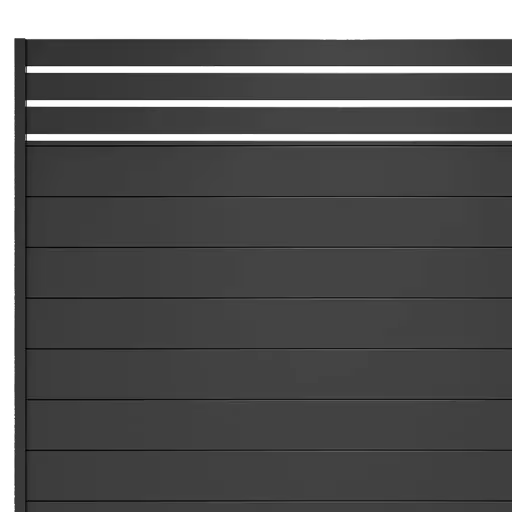
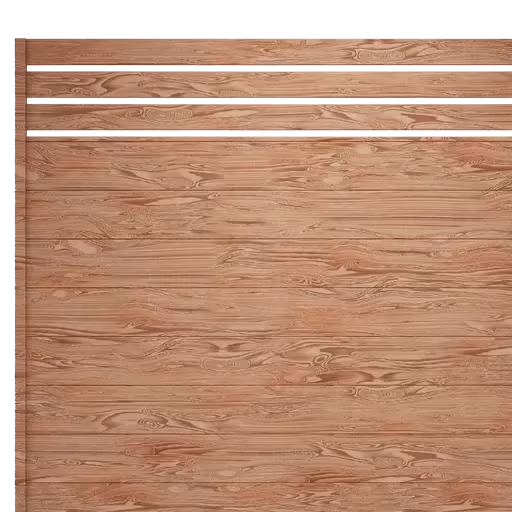
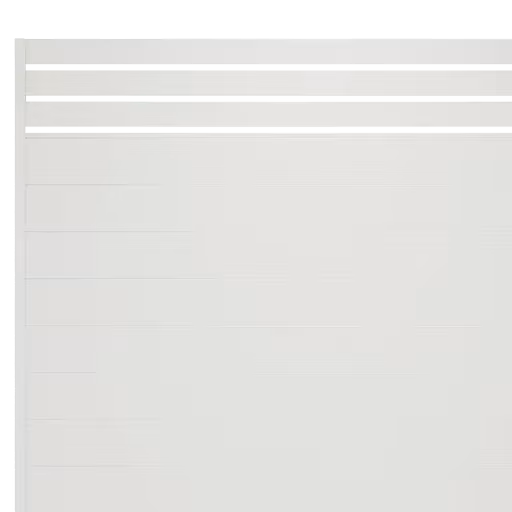
Pro Vinyl and Aluminum Fencing is a trained and authorized SLEEKFENCE™ contractor. SLEEKFENCE™ is a premium-class aluminum fencing brand registered in the USA – their engineered material, our custom fabrication and welded install, with a 20-year material warranty behind it.

Three inputs, in order. The style, since each tops out somewhere different. The yard, since something has to disappear behind the fence. Then the local limit, already covered further up, which outranks both.
| Fence style | Min | Max |
|---|---|---|
| Vinyl privacy | 4 ft | 8 ft |
| Vinyl privacy w/Accent top | 5 ft | 8 ft |
| Vinyl picket | 3.5 ft | 6 ft |
| Vinyl wall topper | 2 ft | 3 ft |
| Aluminum privacy | 4 ft | 12 ft |
| Aluminum semi-privacy | 4 ft | 12 ft |
| Aluminum privacy hybrid | 4 ft | 12 ft |
| Aluminum wall topper | 2 ft | 4 ft |
Full-service installation: old fence hauled away, footings dug, and panels racked true to your yard’s slope.
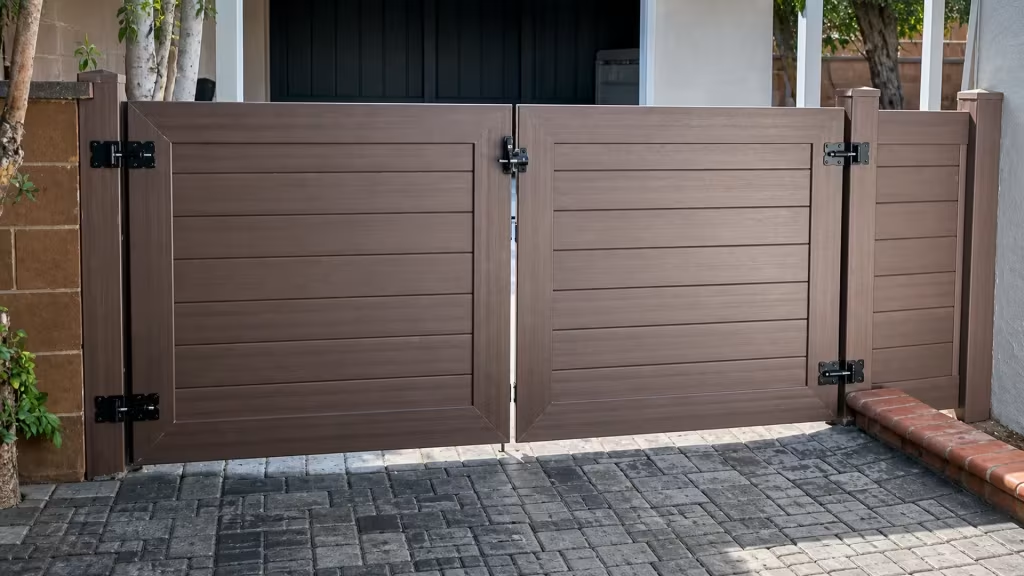
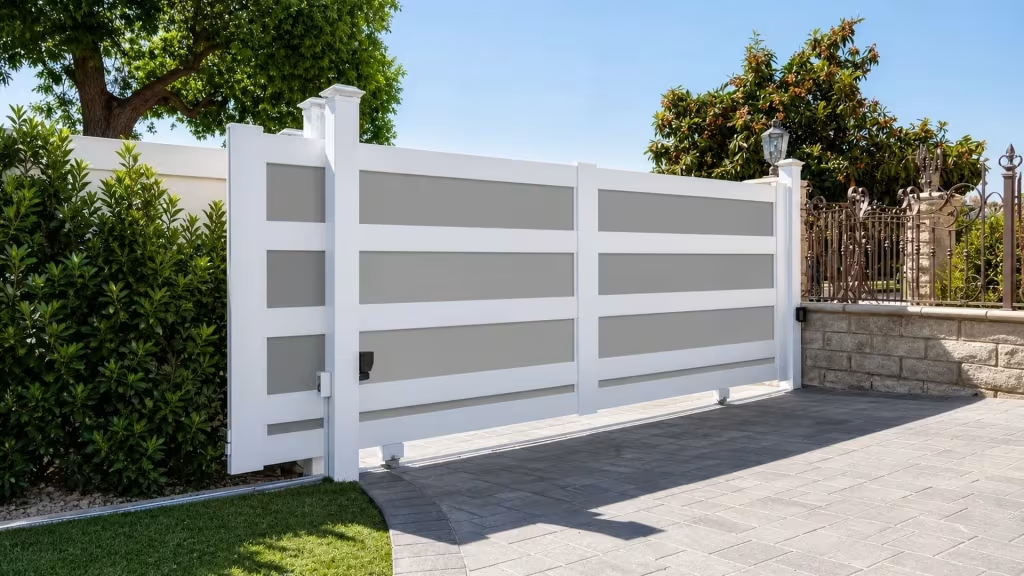
The full vinyl gate lineup runs on a metal frame under the cladding, from a single side gate to a wide driveway gate.
A short section mounted on the wall or fence you already own, adding height without tearing out what still works.
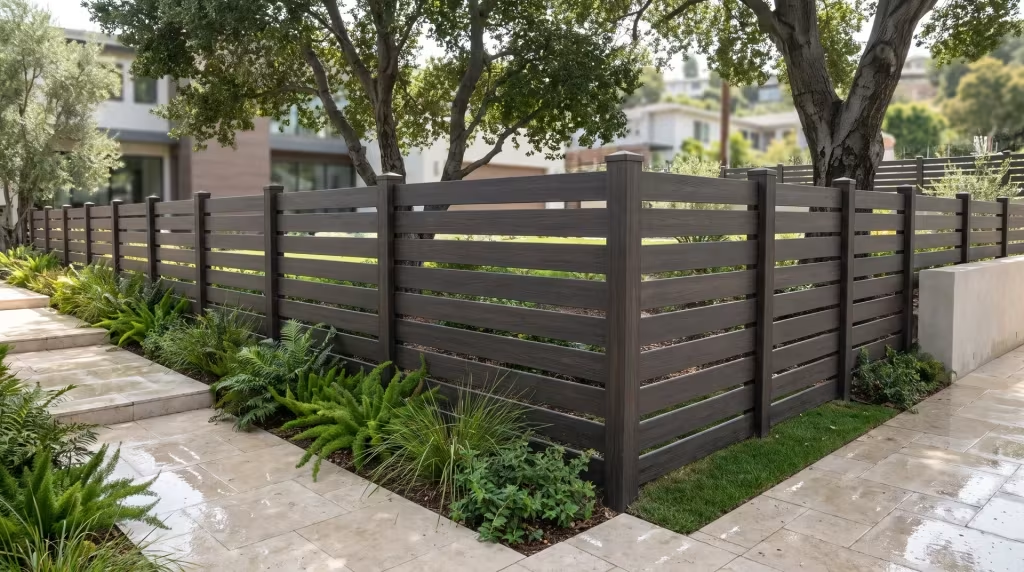
Every real vinyl fence color we build, spanning solid neutral tones to layered wood-grain finishes.
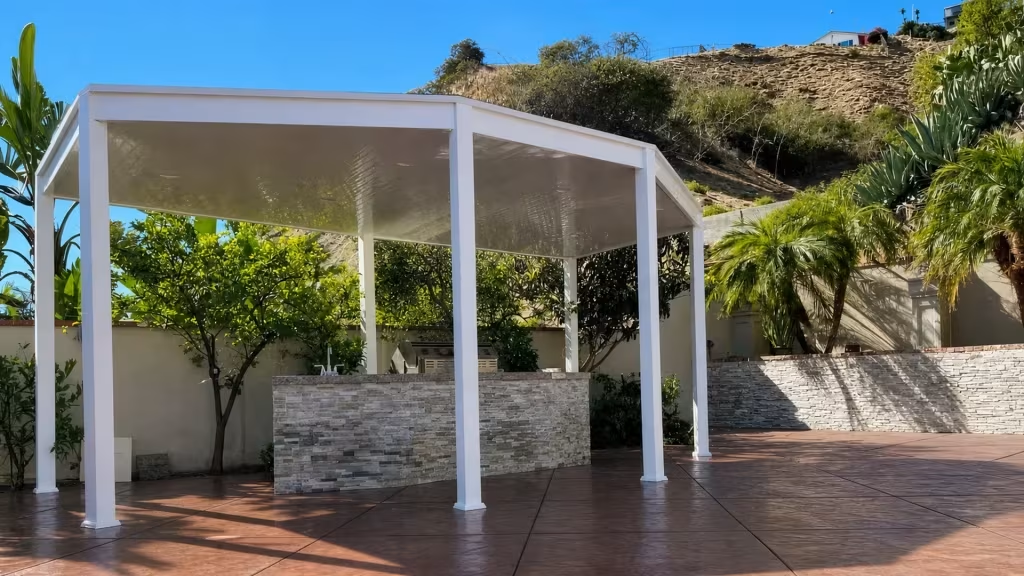
Patio covers and pergolas get built to your yard’s footprint, skipping the sanding and staining a wood cover demands.
Custom aluminum fencing built in privacy, semi-privacy, or picket styles, powder-coated against rust.
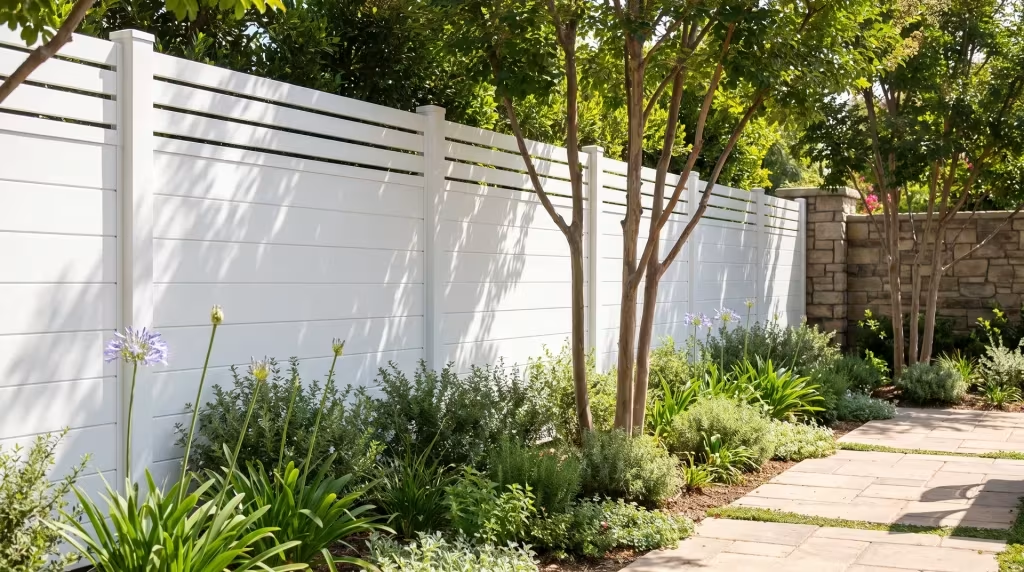
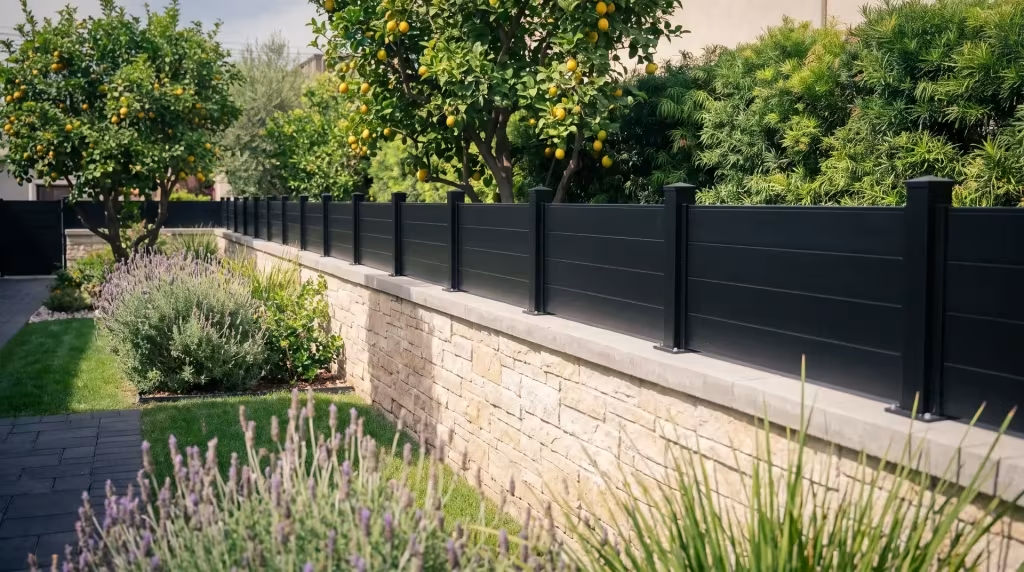
Wall toppers welded from aluminum, anchored atop your existing block or masonry wall to add height.
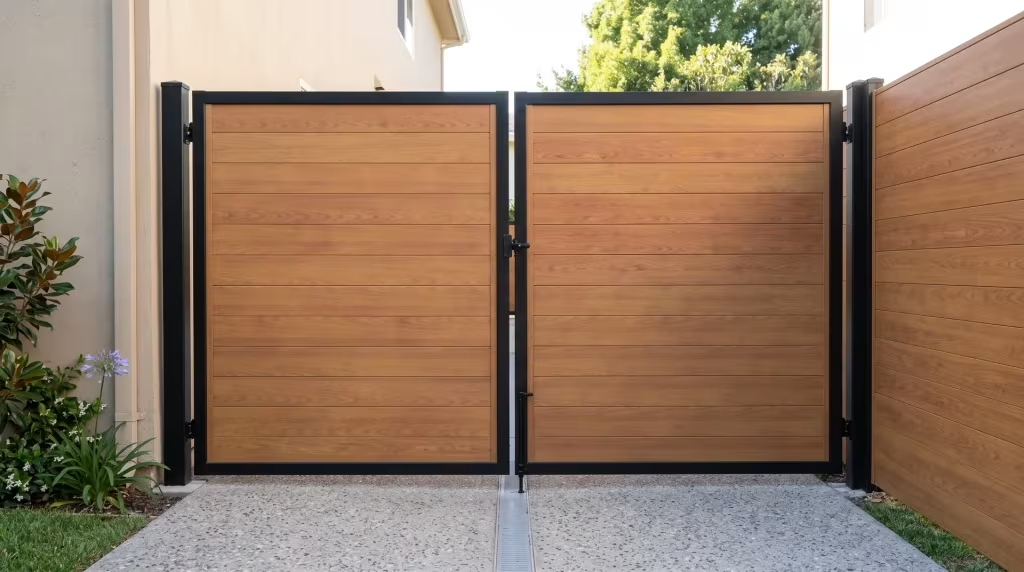
Gates welded from aluminum to match your fence, built as a walk, driveway, or rolling gate.
Highly recommend. Nairi was very professional and prompt with my estimate and measurements. The two installers did a great job and made sure all was precise and cleaned up job area when finished.
Thank you guys. I have already requested my next job estimate.

Great job by Pro Vinyl Fencing! Nairi came out and measured and designed the fence, worked with my wife to pick the material, gave us a great deal, and his team of engineers and installers nailed the demo and install! No fuss and no muss. Two full days of no nonsense work and it looks beautiful! Work done in Chino!

Pro Vinyl Fencing did a fantastic job at my home in Los Angeles. They worked hard and got things done on time and on budget. The product is fantastic as I have a completely private yard because of their work!
Their initial estimate was thousands of dollars less than other contractors who bid on my job. I will use them again!

Highly recommend Pro Vinyl Fencing. From the sales process to the installation they did an outstanding job. David and his helper were amazing with the installation, they were professional and very thorough. I would highly recommend Pro Vinyl fencing.

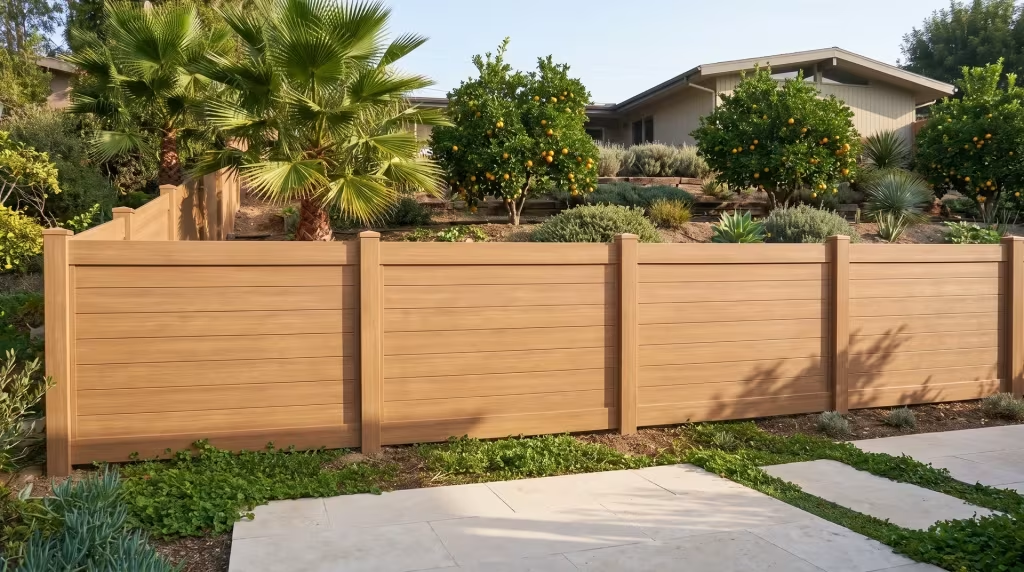
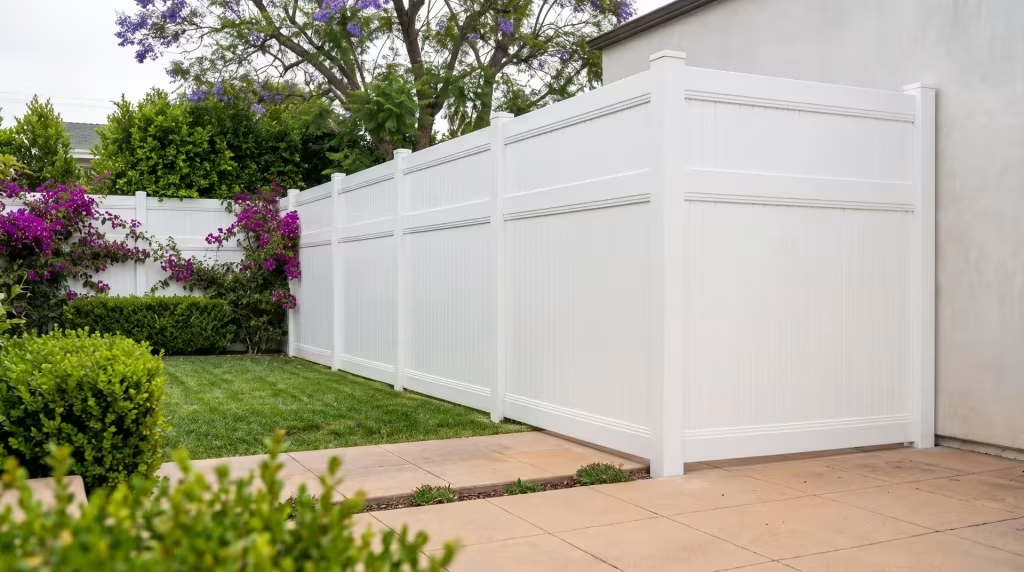
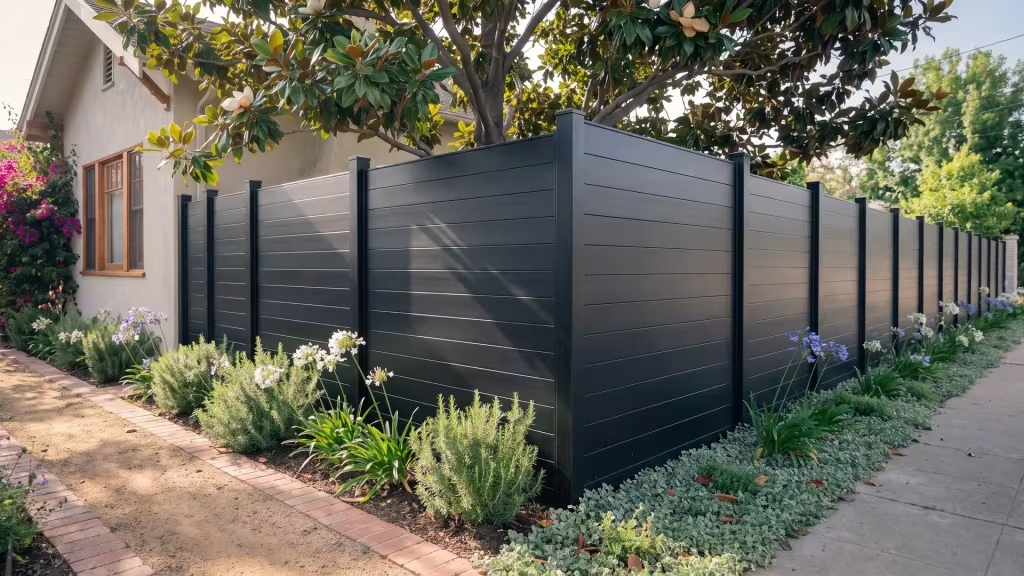
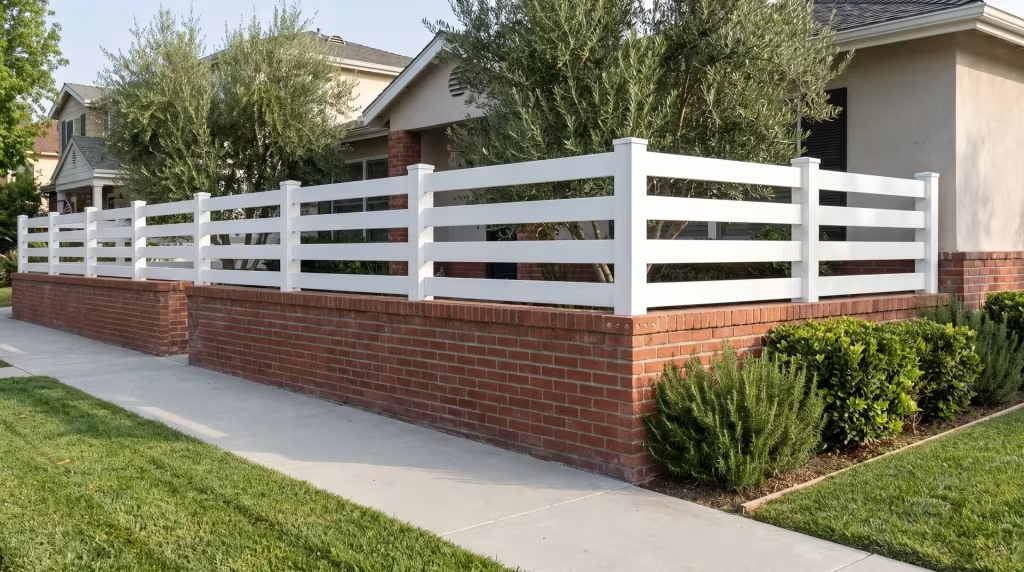
Fence photos from real Temple City jobs sit below: view-friendly front lines near Rosemead Boulevard and fully private backyard runs alike. Open the full lightbox grid below or request a free quote for a similar project of your own right here.
Temple City has been its own incorporated city since May 25, 1960, though the town itself dates back to 1923. It sits in the West San Gabriel Valley, about 15 miles northeast of downtown Los Angeles at the base of the San Gabriel Mountains, bordered by Arcadia to the north, San Gabriel to the west, Rosemead to the south and unincorporated LA County land nearby, across roughly 4 square miles.
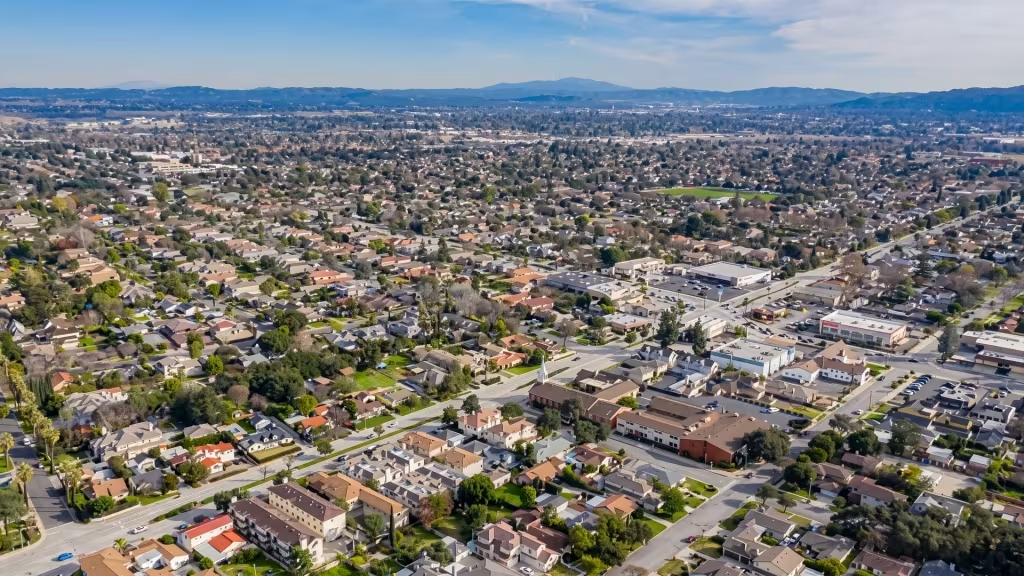
Rosemead Boulevard is the city’s defining corridor, still lined with historic statues from the old Pacific Electric Railway line. The San Gabriel Valley setting brings a warm inland climate through most of the year, the kind of steady heat and sun exposure that rewards a fence material that will not fade, crack or need repainting.
Temple City Park anchors the city’s public green space, with the San Gabriel Mountains visible to the north as a backdrop to residential streets throughout the roughly 4 square mile city. Lots here tend toward the standard suburban pattern of the western San Gabriel Valley rather than dense infill.
Article N of the Temple City Municipal Code sets front-yard limits at 36 in for a view-obscuring fence and 42 in for one that is at least 50 percent open, with side and rear yards reaching 6 ft, or 8 ft on interior setbacks, before stepping down to 4 ft within 5 ft of the street.
Corner sight-triangle rules also apply on front and street-side yards. Verify current requirements with the City of Temple City Planning Division before finalizing a design.
Because Article N treats view-obscuring and open fences differently, a Temple City project starts by pinning down which category your design falls into, right down to the front-yard tier, before a single post gets planned.
Materials, colors, heights and gate count are all locked into writing well before any work starts.
A team member measures your lot, checks Article N’s front-yard tier for your design and gives a firm number in person.
Scope, materials, colors, height and gate count are documented before work begins, so nothing shifts mid-job.
Posts get set to grade, panels and gates go in, the old fence comes out, and the site gets cleaned up after.
Vinyl’s transferable lifetime warranty and aluminum’s 20-year terms are both backed by our workmanship coverage.
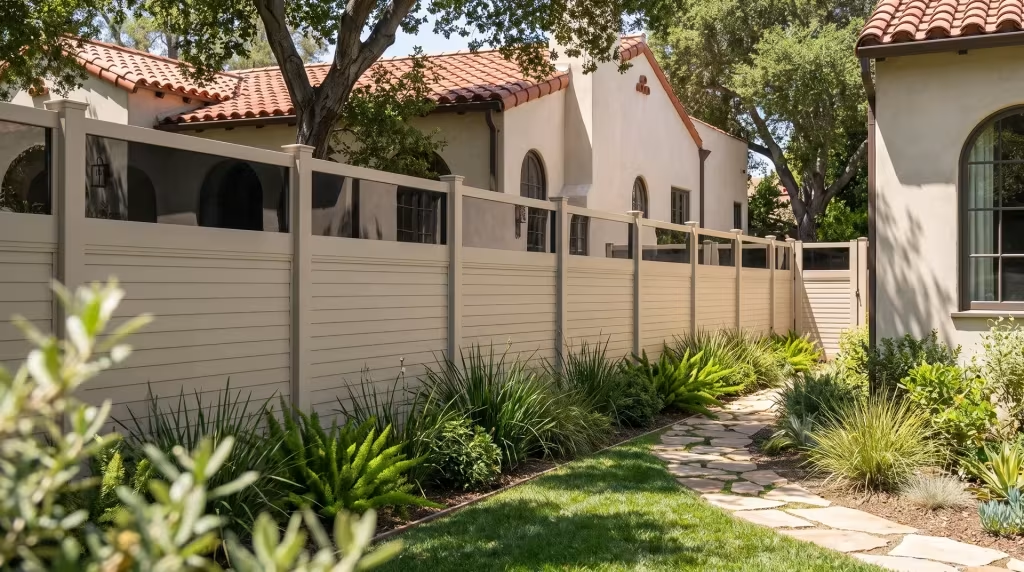
Practical fencing guides for Temple City homeowners on materials, upkeep and local codes here.
Vinyl doors resist weather and rust while cutting both energy bills and outside noise year round.
Fences blog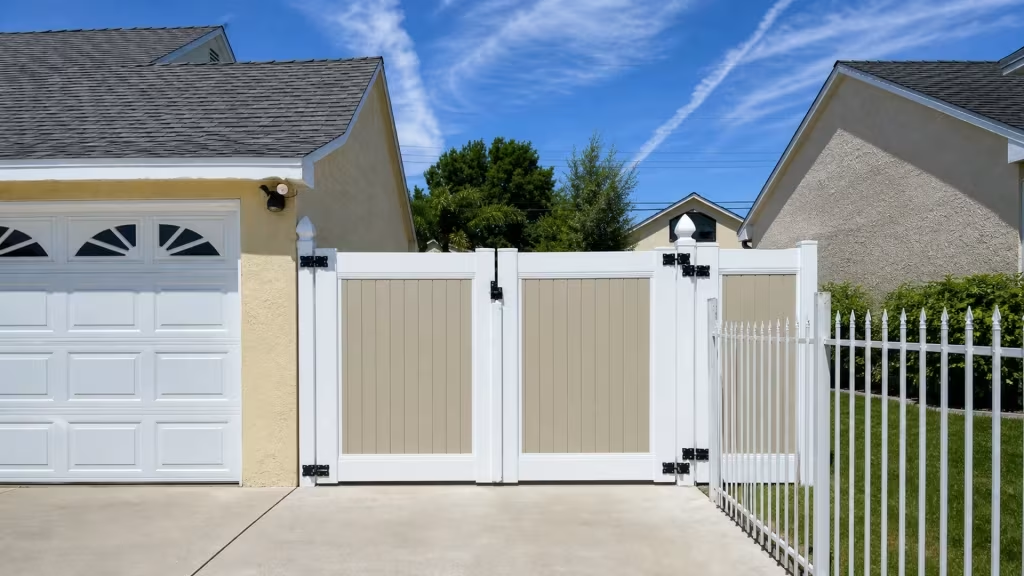
Temple City Fence Questions, Fully Answered
A few things Temple City homeowners ask before starting a project: Article N’s view-obscuring versus open height tiers, corner sight-triangle rules on reverse corner lots, shared boundary costs, pools and whether a fence needs a city permit out here.
Still Have a Question?
Reach out for a free, no-obligation estimate and a straight answer.
Article N of the Temple City Municipal Code sets two tiers: 36 in if the fence is view-obscuring, or 42 in if it is at least 50 percent open so sightlines pass through.
Verify which tier your design falls under with the City of Temple City Planning Division.
Standard side and rear yards reach 6 ft, rising to 8 ft on qualifying interior setbacks, then stepping down to 4 ft within 5 ft of the street property line.
Street-facing side yards on reverse corner lots instead follow the lower front-yard limits.
On front and street-side yards, Temple City measures height from the lowest adjacent grade to the top of the fence, wall or hedge, applying where the grade difference from the right-of-way is 12 in or less.
Verify how it applies to your corner lot with the Planning Division.
Yes.
California Civil Code section 841 applies statewide, so a Temple City boundary fence is presumed to be a shared cost between neighbors, split evenly, with 30 days’ notice in writing required beforehand, on top of whatever Article N tier applies to the fence.
Temple City’s zoning code has no stated permit height trigger for residential fences; the California Building Code generally requires one above 7 ft.
Verify current requirements with the City of Temple City Planning Division or Building Department before starting work.
Yes. A pool barrier in Temple City must be at least 5 ft, and the California Pool Safety Act’s other rules apply too: ground clearance capped at 2 in, no gaps reaching 4 in, and a gate that self-closes and self-latches.
Vinyl is an approved non-climbable barrier material.