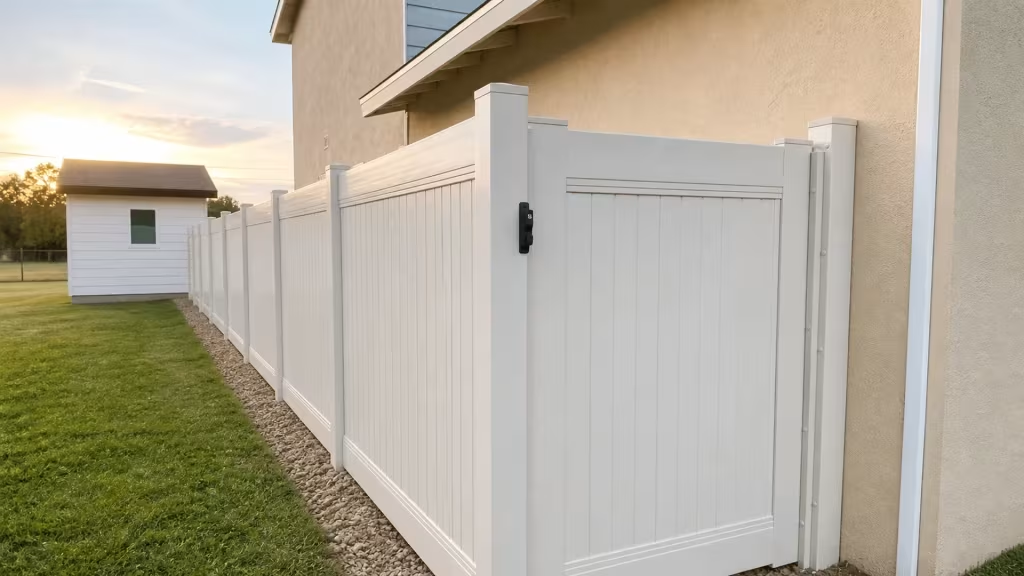
Vinyl Fence Installation
Full-service installation: old fence hauled away, footings dug, and panels racked true to your yard’s slope.
Call Now: (844) 776-0707

Your Union City yard backs a school, a flood channel, or a quiet cul-de-sac, and the fence should fit that lot exactly, not a generic template.
Pro Vinyl and Aluminum Fencing has fabricated and installed across the Bay Area since 2018, backed by a 5.0 rating from real customers.
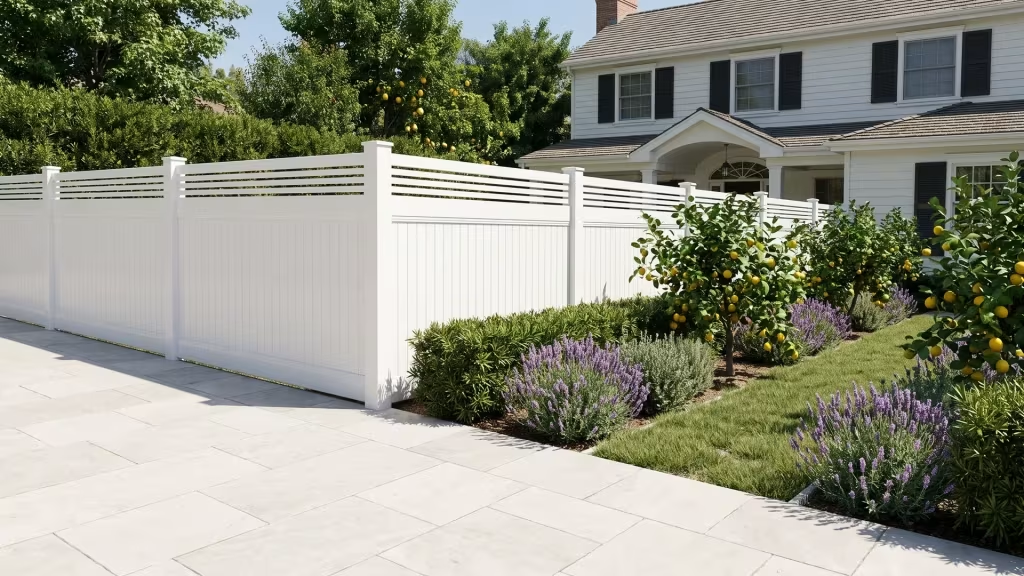
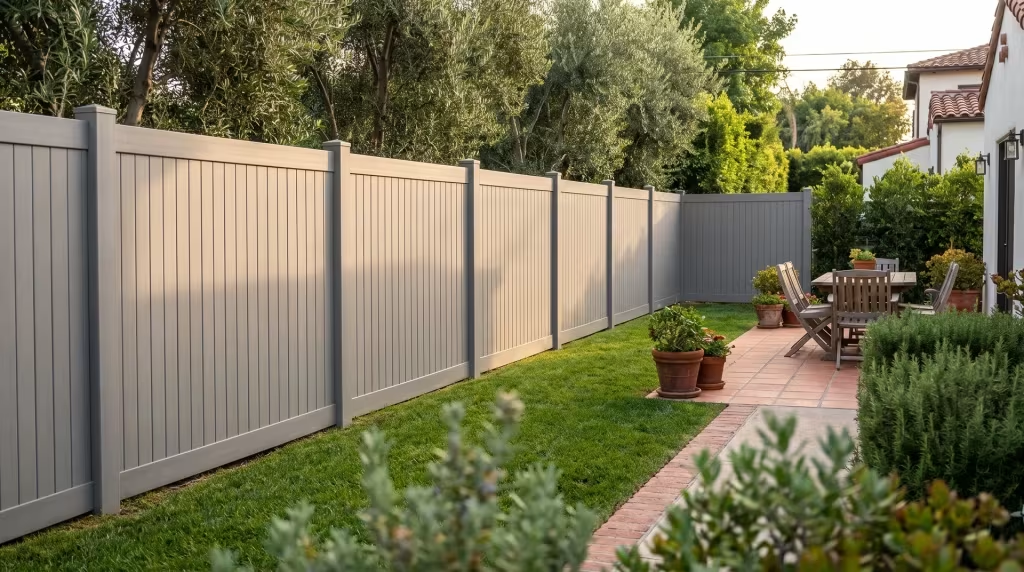
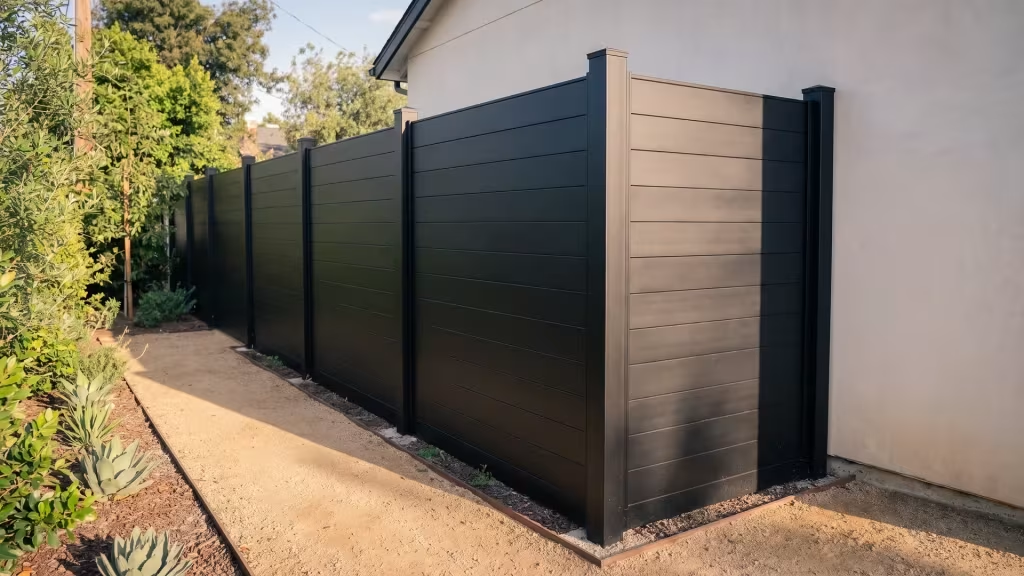
Union City runs from Niles bungalows to newer Tri-Cities subdivisions, and we build vinyl and aluminum fencing to match either lot.
Privacy panels along a rear yard, a low picket line by the sidewalk, or a wide driveway gate for two cars: every job gets a written scope, a real color and height, and a crew that racks the line to your grade instead of guessing at it.
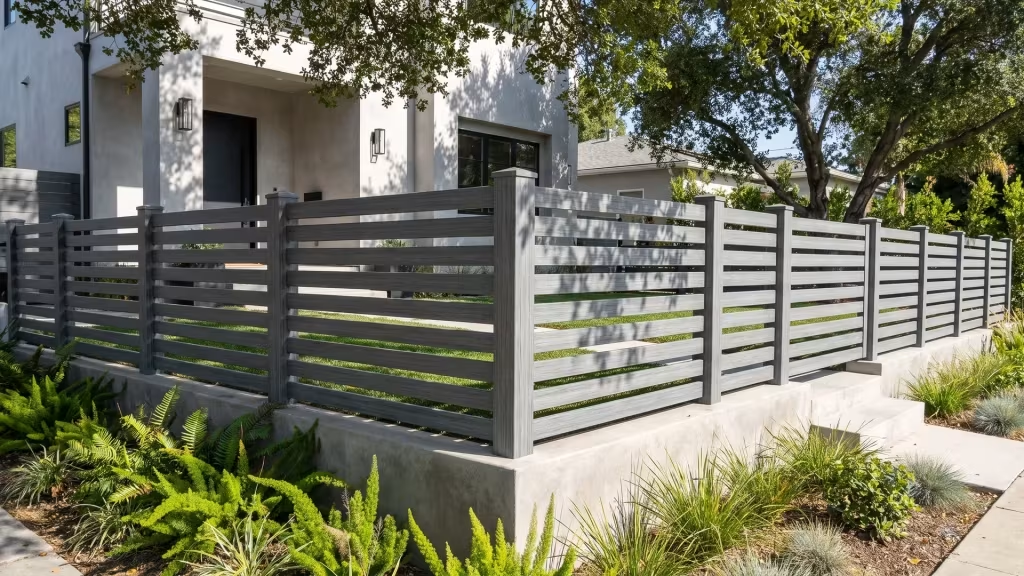
Union City sits in the Tri-Cities area with Newark and Fremont, in Alameda County, and its residential streets mix older Niles-district parcels with wider subdivision lots built later. That range shows up at the fence line: a compact Niles yard often wants a picket or semi-privacy line that keeps sightlines open, while a newer subdivision lot can carry full-height privacy panels along the rear and side yards without crowding the house.


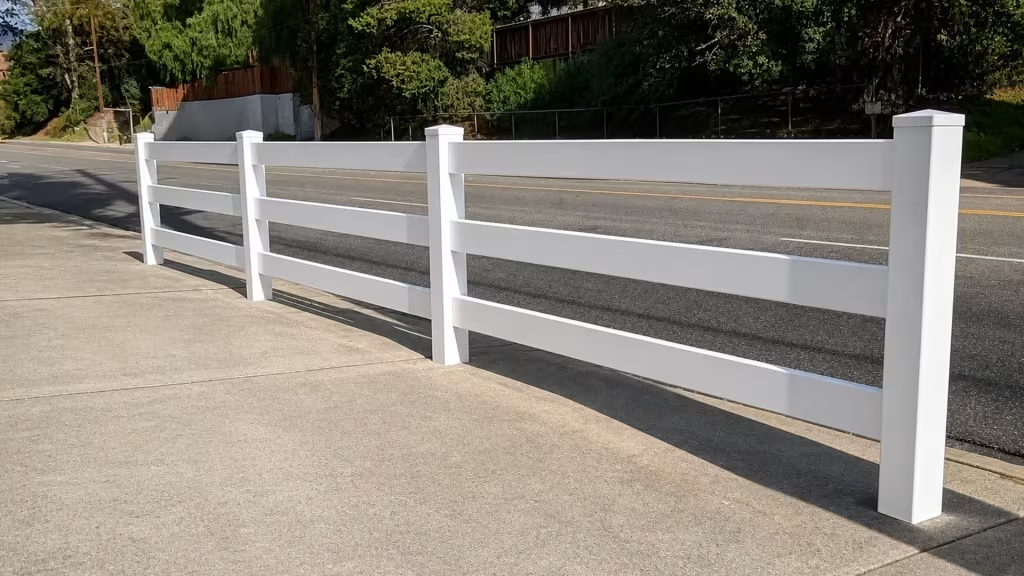
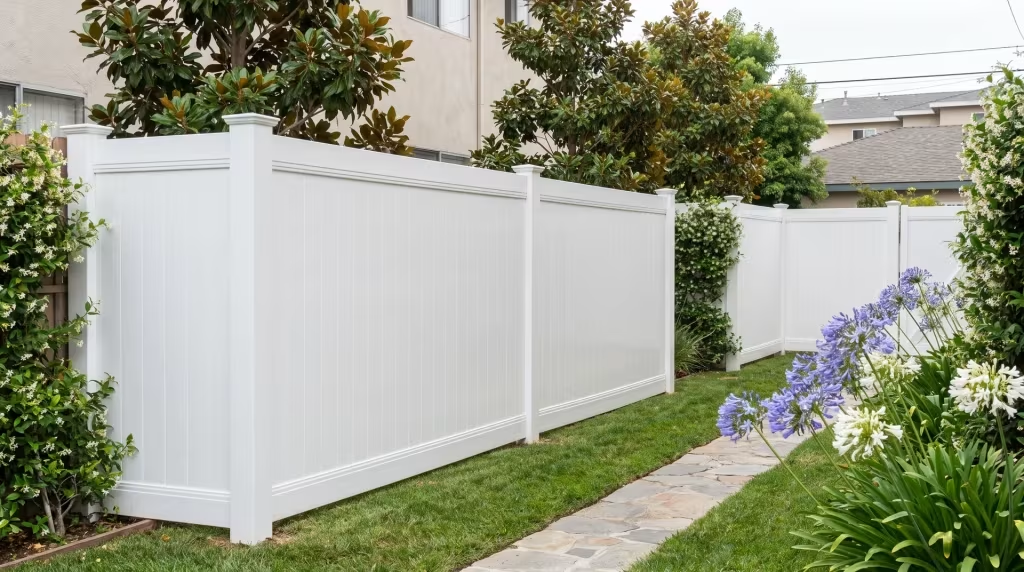
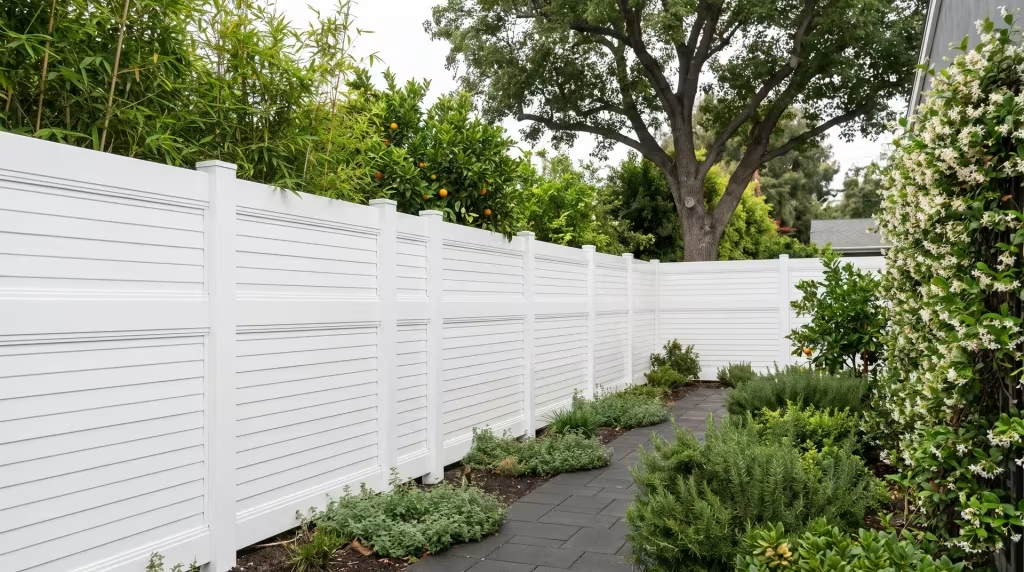
Vinyl privacy fencing, semi-privacy and picket account for most of what goes up around here, with ranch-style rail on larger side yards, wall toppers where a block or concrete wall already stands but needs more height, and pool enclosures built to the state barrier code.
The aluminum line runs privacy, semi-privacy and picket panels, plus gates in single, driveway or rolling configurations, powder coated in black, white or a wood-grain tone.
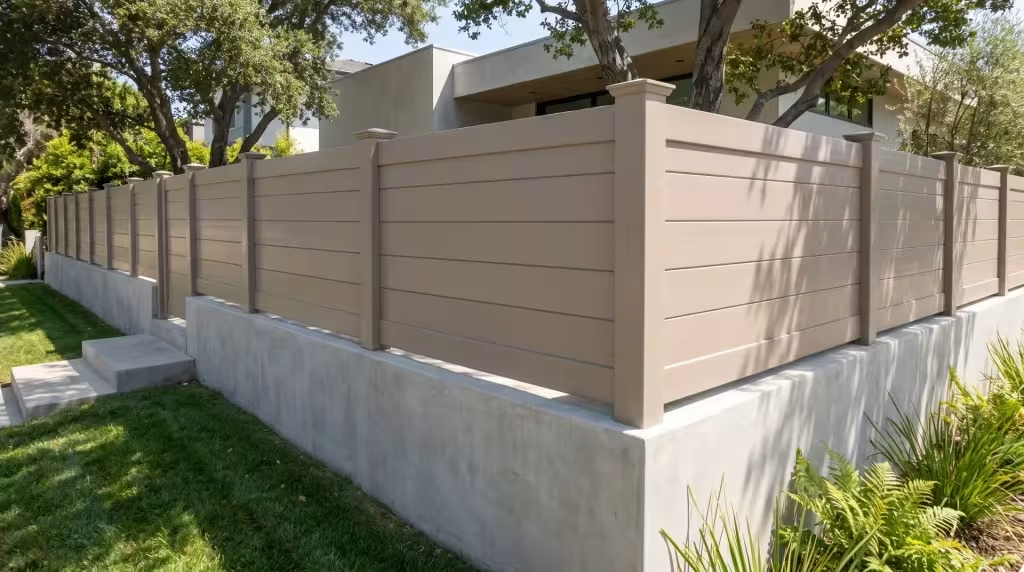
Union City sits over the Niles Cone aquifer, with Alameda Creek and Dry Creek draining through the area, and the city is landlocked with no bay frontage.
That matters for two reasons: posts set here deal with moisture-holding soil near the creeks more than salt air, and because there is no direct bay exposure, our aluminum line’s coating warranty applies here without the coastal exclusion that bayfront cities carry. Vinyl stays the simpler choice regardless: it never yellows, never needs paint, and a rinse twice a year is the entire maintenance routine.
Pricing always comes back to the same handful of specifics: how many linear feet, the height you land on, vinyl versus aluminum, how many gates the plan calls for, how much racking the grade needs, and whether the old line has to be torn out first. A phone call sketches the rough shape of it; only a short visit turns that into a number worth building around.
Union City’s mix of Highway 238, the Nimitz Freeway, and Alvarado-Niles Road ties its neighborhoods together, and a fence facing any of those corridors gets the same attention as one tucked on a quiet interior lot: set to the grade, hung square, and finished clean, whether the job is a full rear-yard privacy run or a single gate replacement.
Homes near Hayward to the north or Fremont and Newark to the south share the same Tri-Cities housing stock, so a design that works one block over usually works on yours too, with adjustments only for the actual grade and gate count.
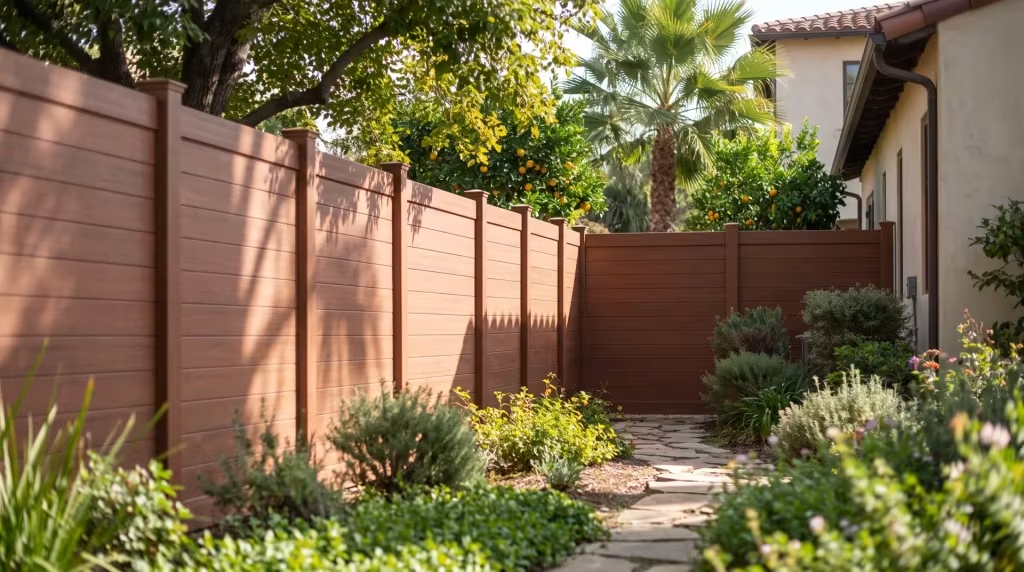
A bungalow front and a subdivision back yard rarely want the same tone. Older stock takes a softer, warmer finish. Newer builds carry a hard neutral without looking severe. Both materials go either way, though not with equal choice.
Sort by temperature first. Milled timber grains and textured blends run warm. Flat solids stay cool and even. That narrows things faster than staring at one swatch does, and a matching gate exists in every one of them.
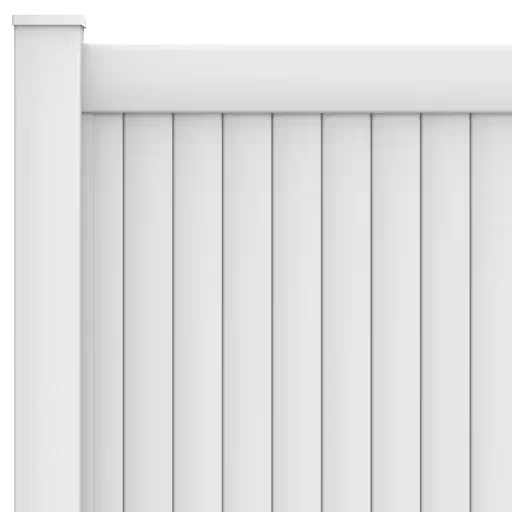
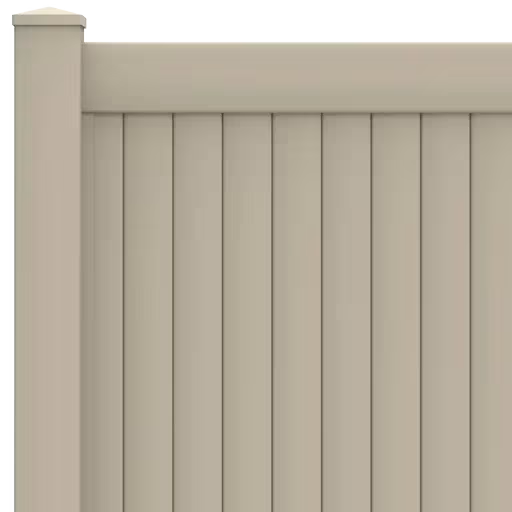
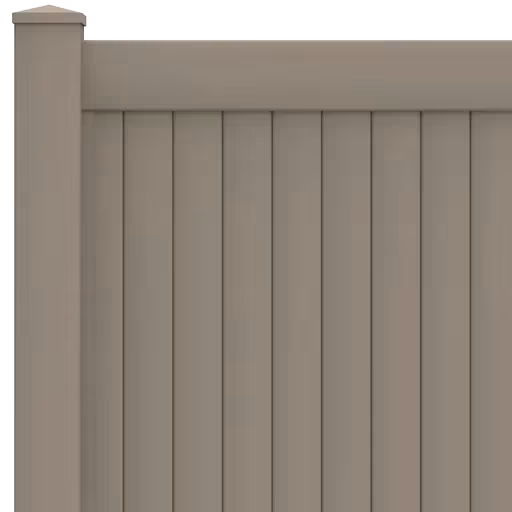
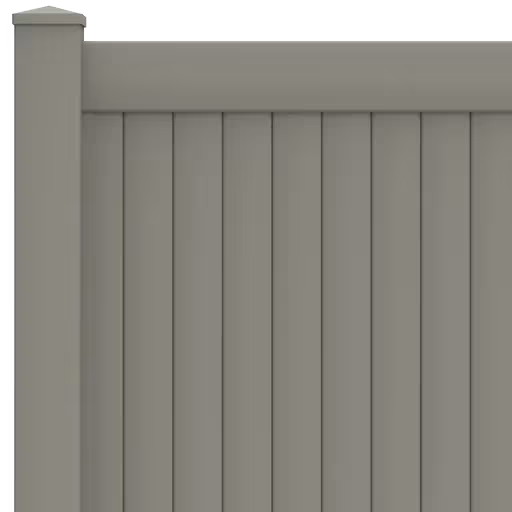
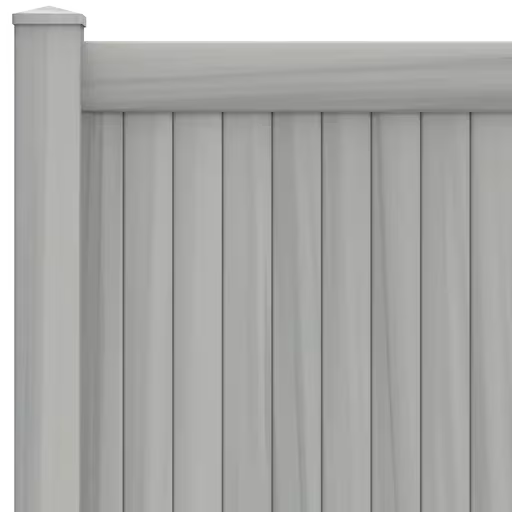
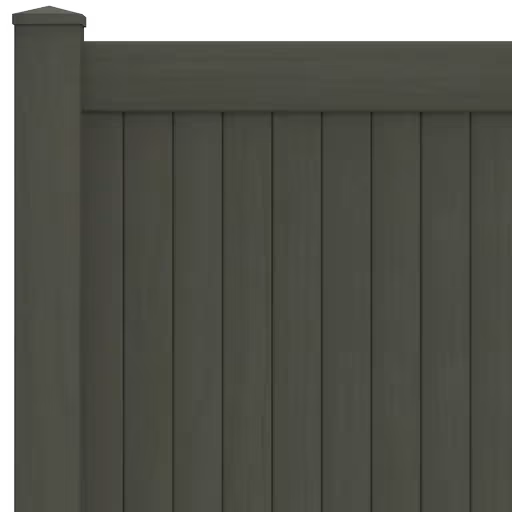
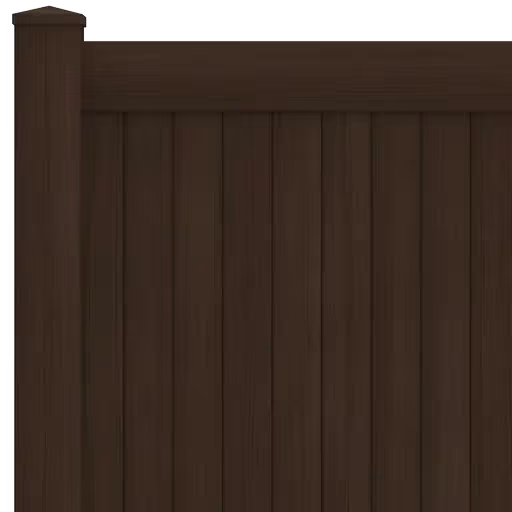
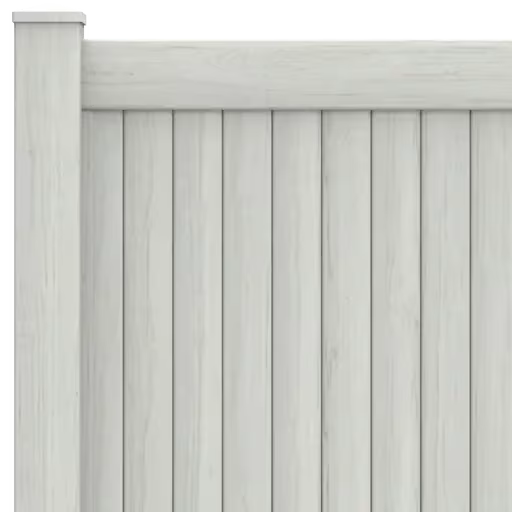
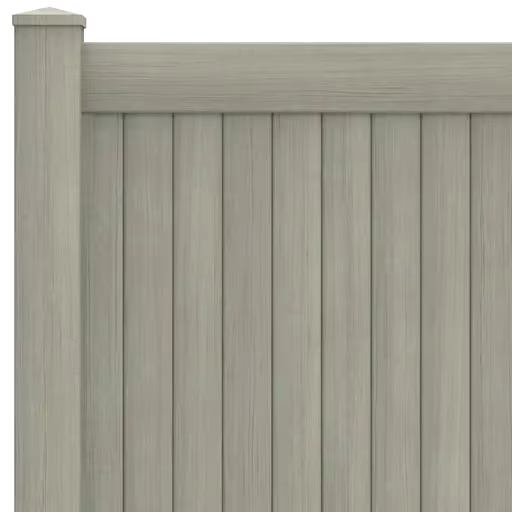
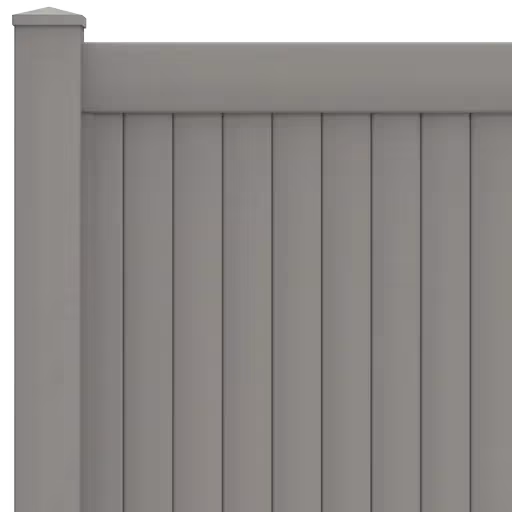
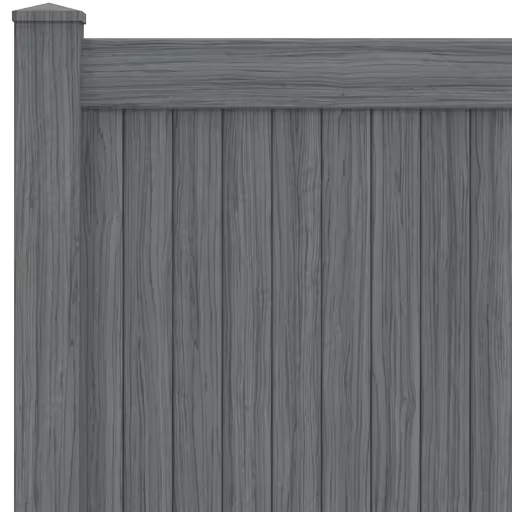
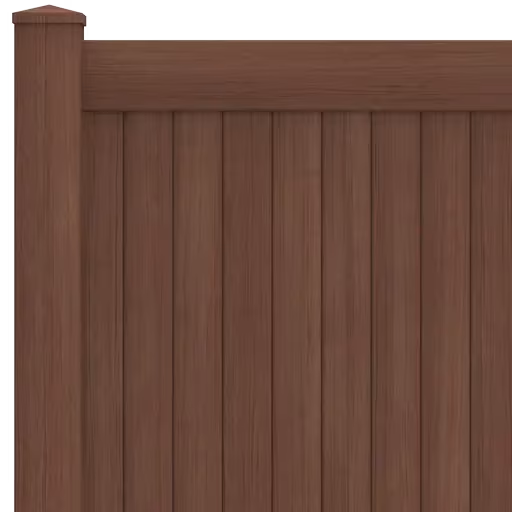
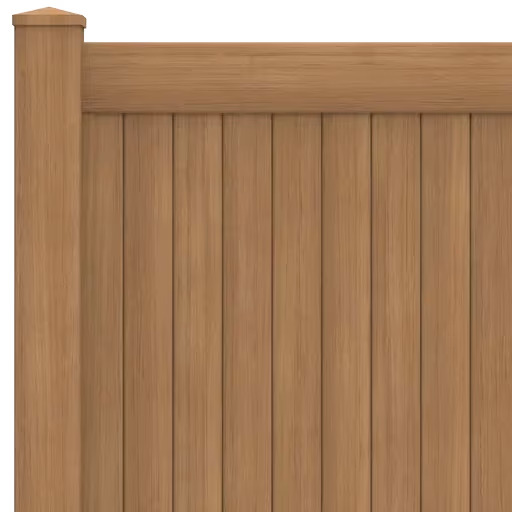
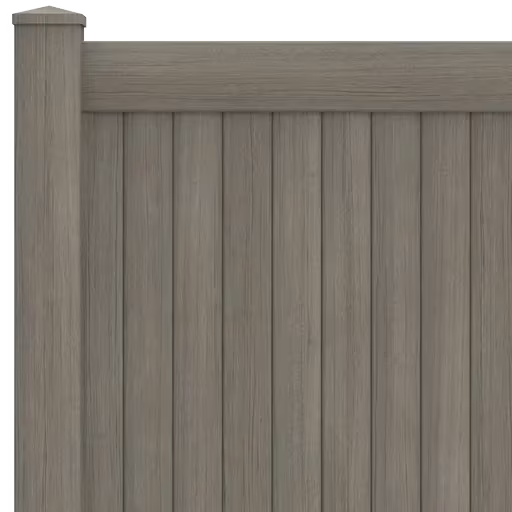
Pro Vinyl and Aluminum Fencing partners with Catalyst, one of the leading vinyl fence manufacturers in the United States. Their US-made vinyl, our custom fabrication and installation, backed by a transferable limited lifetime material warranty.

Newer streets pull toward metal, and metal keeps this simple: a grain finish, black, white. Three, with nothing custom behind them. Contoured slats narrow it further, to matte black. Powder coat, cured under heat, carries each one.
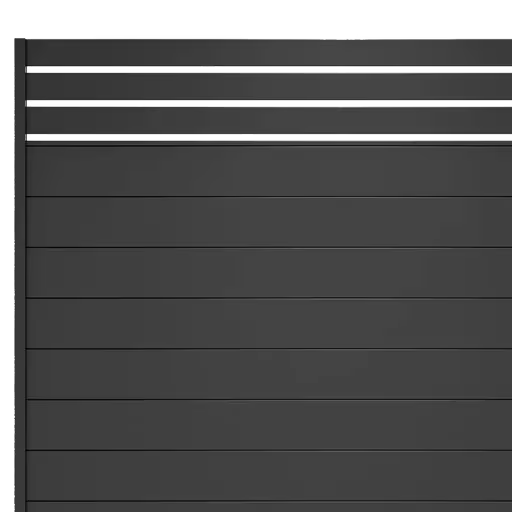
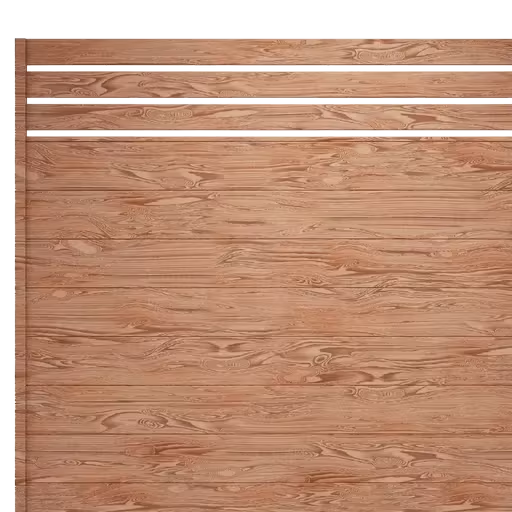
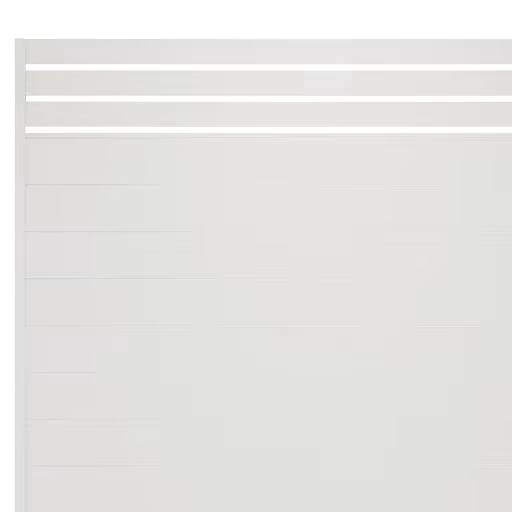
Pro Vinyl and Aluminum Fencing is a trained and authorized SLEEKFENCE™ contractor. SLEEKFENCE™ is a premium-class aluminum fencing brand registered in the USA – their engineered material, our custom fabrication and welded install, with a 20-year material warranty behind it.

Older lots and newer ones rarely land on the same number. Begin with what the run has to do, then the ground under it, then the limit that applies near the street. The chart gives a ceiling per style, not a recommendation.
| Fence style | Min | Max |
|---|---|---|
| Vinyl privacy | 4 ft | 8 ft |
| Vinyl privacy w/Accent top | 5 ft | 8 ft |
| Vinyl picket | 3.5 ft | 6 ft |
| Vinyl wall topper | 2 ft | 3 ft |
| Aluminum privacy | 4 ft | 12 ft |
| Aluminum semi-privacy | 4 ft | 12 ft |
| Aluminum privacy hybrid | 4 ft | 12 ft |
| Aluminum wall topper | 2 ft | 4 ft |
Full-service installation: old fence hauled away, footings dug, and panels racked true to your yard’s slope.
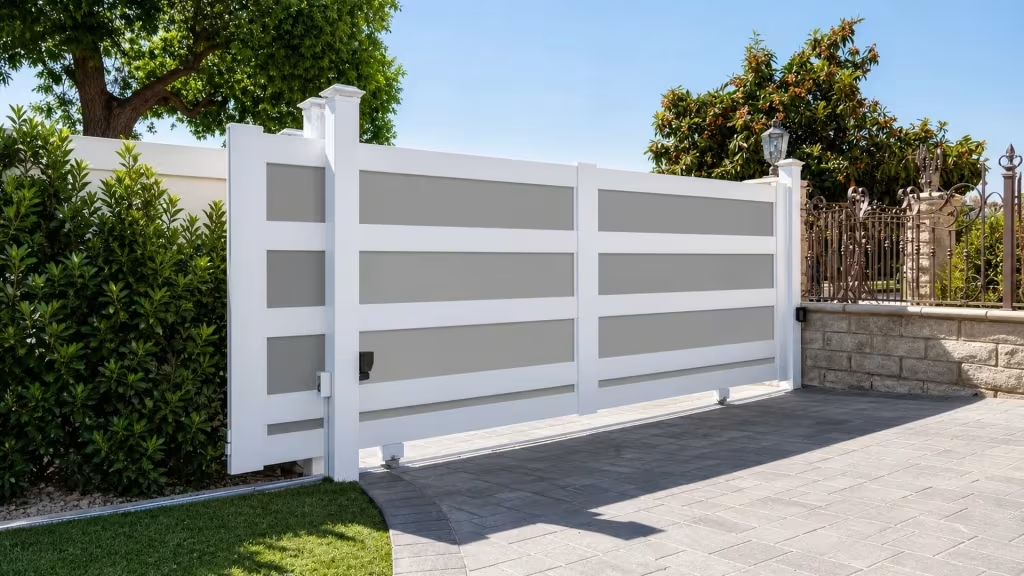
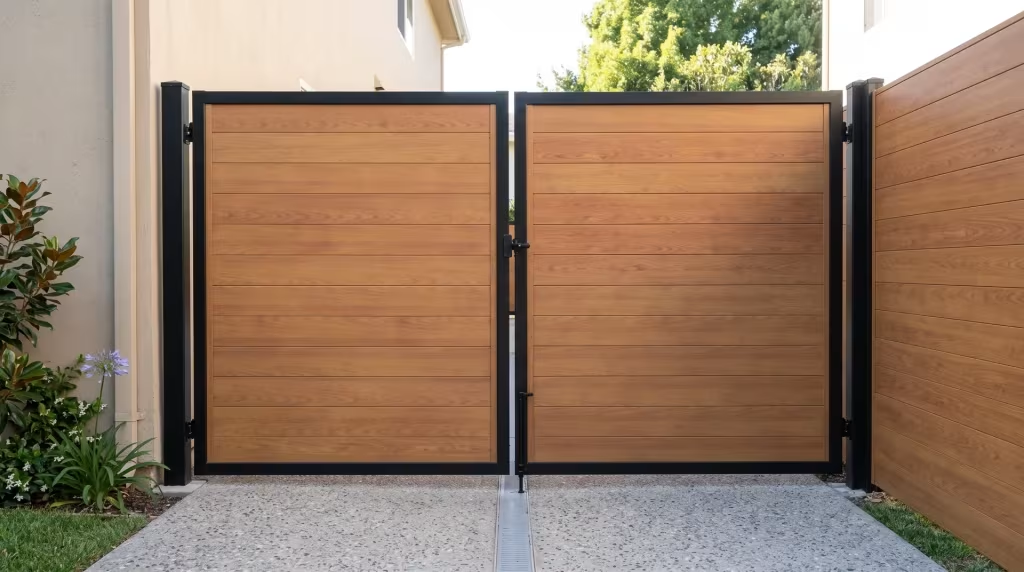
The full vinyl gate lineup runs on a metal frame under the cladding, from a single side gate to a wide driveway gate.
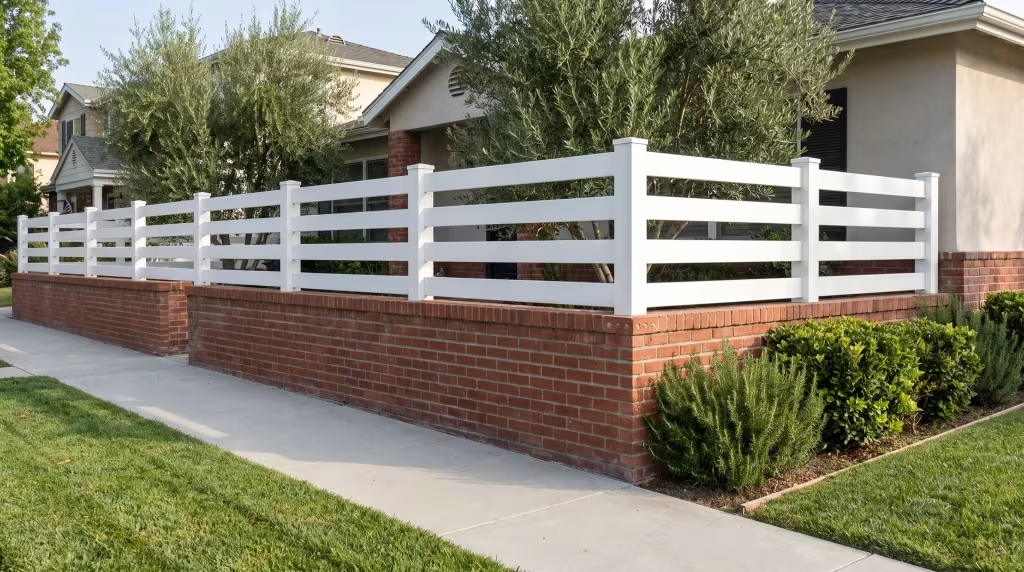
A short section mounted on the wall or fence you already own, adding height without tearing out what still works.
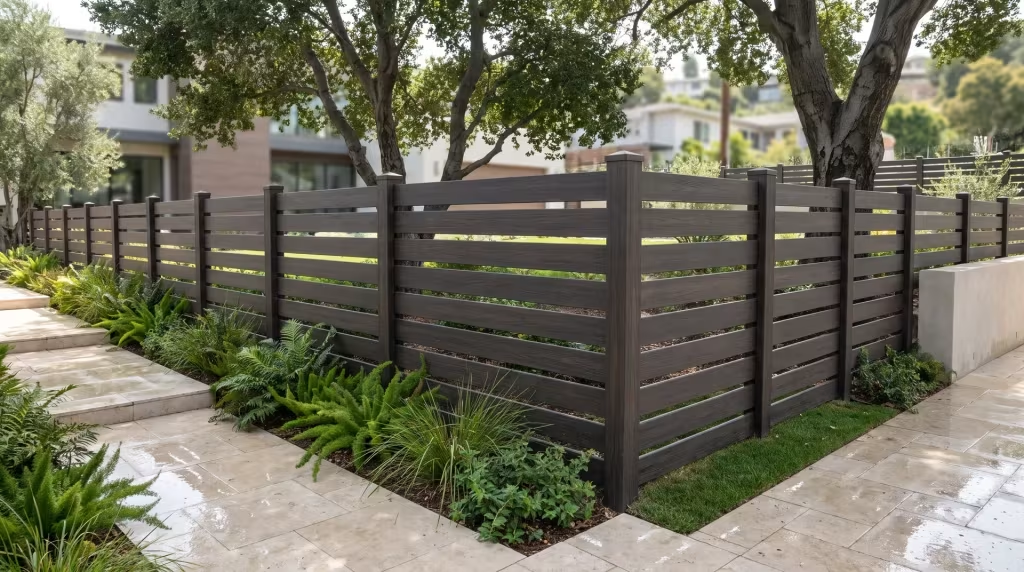
Every real vinyl fence color we build, spanning solid neutral tones to layered wood-grain finishes.
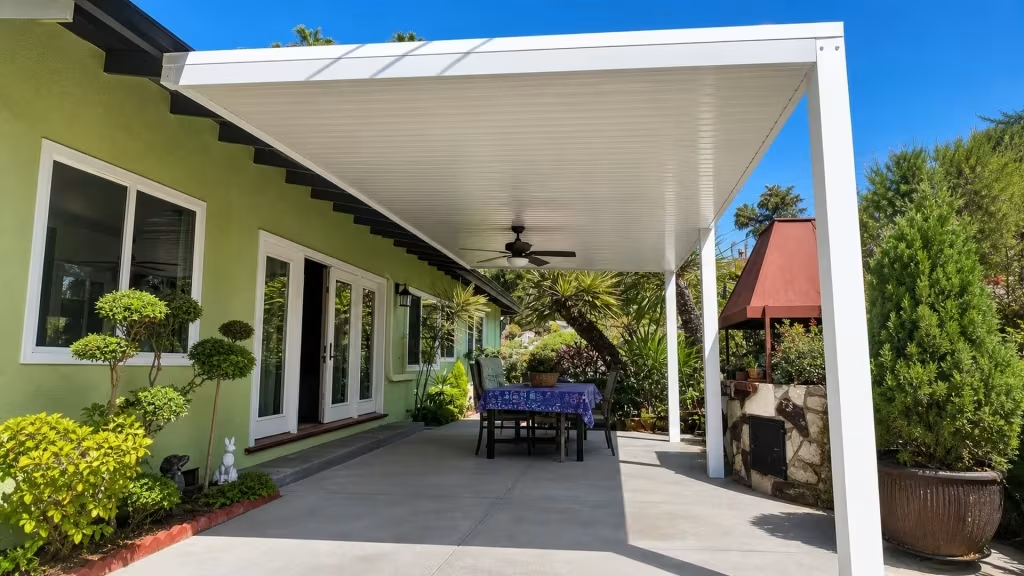
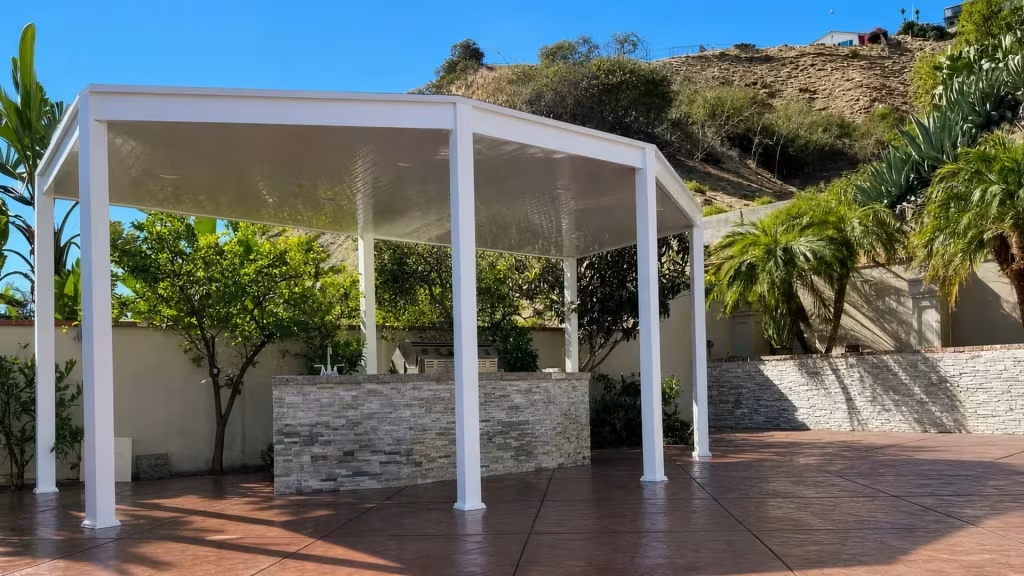
Patio covers and pergolas get built to your yard’s footprint, skipping the sanding and staining a wood cover demands.
Custom aluminum fencing built in privacy, semi-privacy, or picket styles, powder-coated against rust.
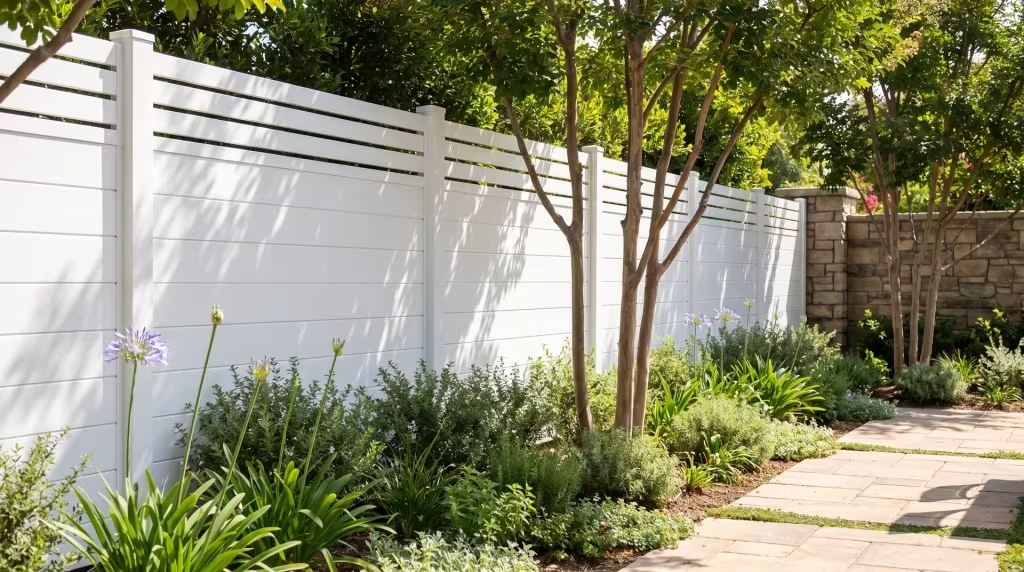
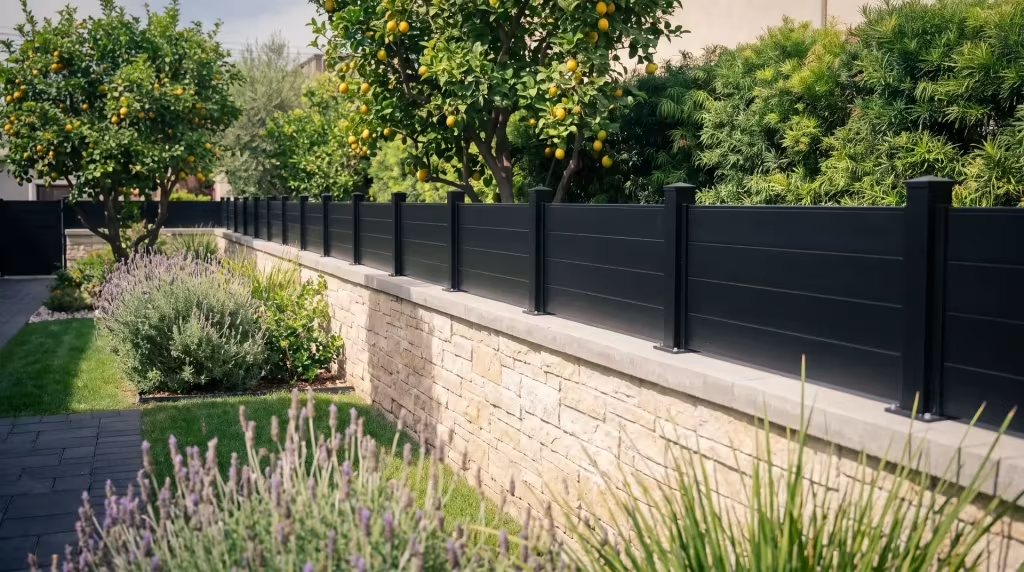
Wall toppers welded from aluminum, anchored atop your existing block or masonry wall to add height.
Gates welded from aluminum to match your fence, built as a walk, driveway, or rolling gate.
Fast and reliable service. Great Price. LOVED the finished product.
Beautiful job and the installers were very fast and cleaned up everything to perfection, including washing down the entire fence and gate with cleaner and water to make sure it was super clean before leaving. They were super nice and finished in a very short time. LOVE IT!!!

Pro Vinyl Fencing installed a fence around our front yard and 2 gates to our backyard. We are so pleased with the result! They worked really hard to make everything just as we had envisioned. Their number one goal was to make us happy.

Pro Vinyl came out and assessed a job for fence toppers. David was wonderful setting up the project. The day came and Vardges did an OUTSTANDING job. His work was efficient, clean and very precisioned.
I would highly recommend the fine work delivered by this company. Everyone was friendly and extremely helpful.

Vic and David were absolutely amazing. These two guys came in and had a challenging layout to work with on a West Hollywood bungalow and powered through every landscape issues they came across.
The final result was spectacular and made my bungalow look like an estate, forever grateful!

In and around Union City, projects range from full privacy along Tri-Cities backyards to low picket lines near the sidewalk, each one sized to a real lot, height, and gate count, in vinyl or aluminum, from Niles to newer subdivision streets alike.
Union City sits in Alameda County alongside Newark and Fremont, the three together known as the Tri-Cities, with Hayward bordering to the north. The city counted 70,143 residents at the 2020 census, and its layout ranges from the historic Niles district to blocks of postwar and later subdivision housing spread along Alvarado-Niles Road and Mission Boulevard.
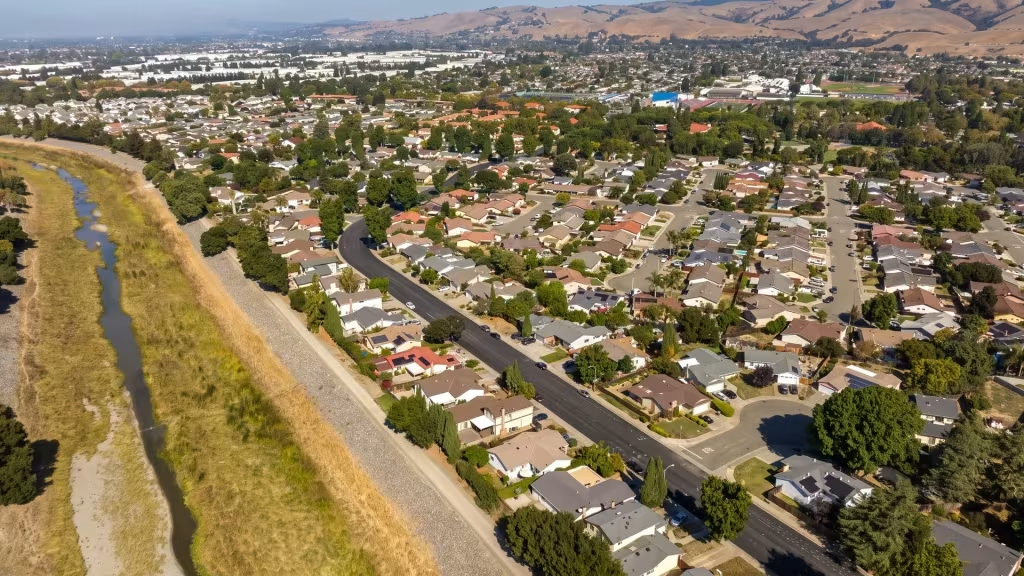
Union City has no bay frontage of its own. Alameda Creek and Dry Creek run through the area, and the city sits over the Niles Cone aquifer, so the ground near those drainages holds moisture longer than a hillside lot would. That soil condition matters more for post work here than wind or salt air, which is why we set footings to account for it rather than treating every lot the same.
Union City’s municipal code (UCMC 18.32.040) sets a 3 ft height limit in the front yard, and generally 3 ft on a street-side yard, though a 6 ft street-side fence is allowed if it sits back far enough from both the street-side and front property lines.
Interior side and rear fences can run 6 ft, or up to 8 ft where the yard backs a flood control channel, a railroad, a park, or one of the major arterials named in the code. A building permit is required above 7 ft.
Details vary lot to lot, so verify your exact setback and height against the current code with the Union City Community Development Department before finalizing plans.
A fence built directly on a shared property line typically falls under the state’s Good Neighbor rule, which presumes adjoining owners split the cost and calls for 30 days’ written notice before work begins. An HOA covering your property can add its own CC&Rs on top of that city limit, occasionally capping height tighter than the municipal code alone.
A Union City install runs through four stages whether the job is a rear-yard privacy line or a single gate: a visit to price it, a contract that locks in the details, a build crew that executes, and a warranty that outlasts the paperwork.
No guesswork on the number, no pressure to sign, and nothing tacked on once the contract is in place.
Someone walks your Union City lot in person, measures the run, checks the grade, and notes gates before pricing it.
Scope, material, color, height, gate count, and timeline go on paper first, so the signed number is the paid number.
Posts go in to your Union City grade first, then each panel and gate gets set, and the old fencing clears out same day.
Vinyl carries a transferable limited lifetime warranty, aluminum runs 20/10/2, both backed by our 5-year workmanship.
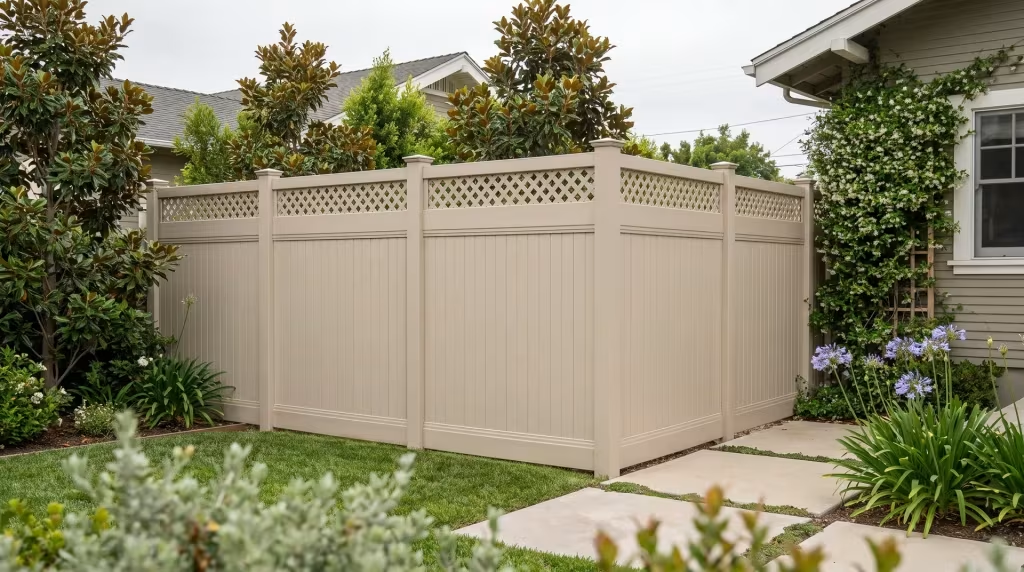
Reads on material choice, upkeep, and code basics for Bay Area homeowners planning a fence project.
White vinyl fencing keeps its color in Los Angeles heat and needs nothing more than a rinse to stay clean.
Fences blog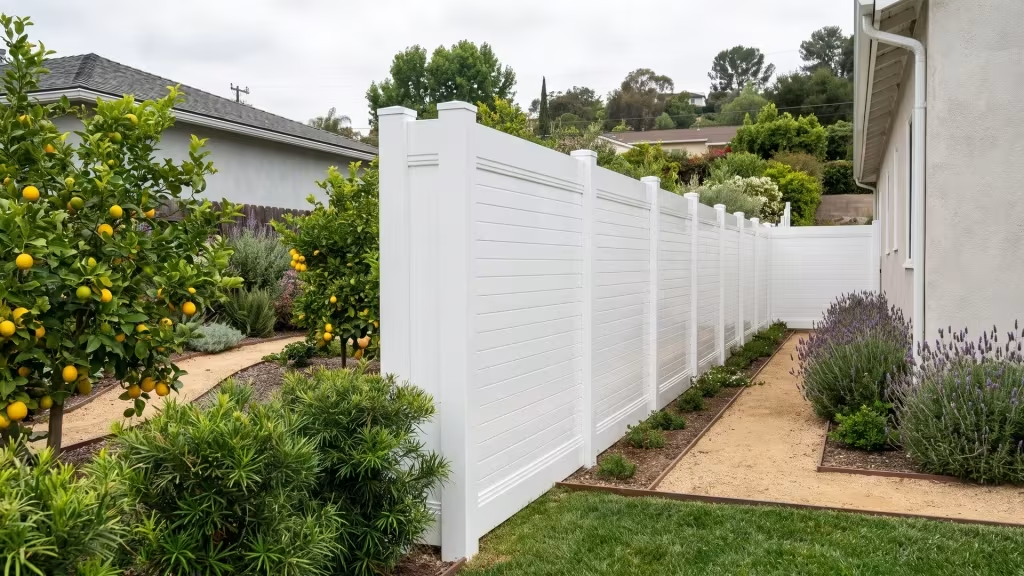
Union City Fence Installation Questions FAQ
These are the questions Union City homeowners bring up most often, from height and permit specifics under UCMC 18.32.040 to what the creek-fed soil near Alameda Creek does to post work and how HOA rules stack on top of the city code before a crew ever shows up.
Still have a question?
Reach out and a real person answers, no pressure, same business day.
Union City’s code (UCMC 18.32.040) caps front-yard fences at 3 ft within the required setback.
Interior side and rear fences generally reach 6 ft, and up to 8 ft in specific cases such as a lot backing a flood channel or park. Verify the exact lot against current code with Community Development.
Under the city’s code, fences, walls, and hedges up to 7 ft generally do not require a building permit; anything taller does.
Multi-family gates that cross a driveway, fire lane, or sidewalk access also fall under permit review. Confirm specifics for your lot with the city before ordering material.
Union City allows up to 8 ft on interior side or rear yards that back a flood control channel, a railroad, a park, certain care or school facilities, or a named major arterial.
Outside those conditions, 6 ft is the standard rear-yard limit. A property check settles which rule applies to you.
Union City sits over the Niles Cone aquifer with Alameda Creek and Dry Creek running through the area, so ground near those drainages tends to hold moisture longer than a typical hillside lot.
We adjust footing depth and concrete work for that condition rather than using one post spec citywide.
Union City has no bay frontage, so the salt-air exposure that excludes bayfront cities from part of our aluminum coating warranty does not apply here.
Both vinyl and aluminum are solid choices; vinyl still needs the least upkeep.
Homeowners associations here often carry their own CC&Rs on top of UCMC 18.32.040, sometimes capping height, color, or material tighter than the municipal code does by itself.
Review those private rules before locking in a design.