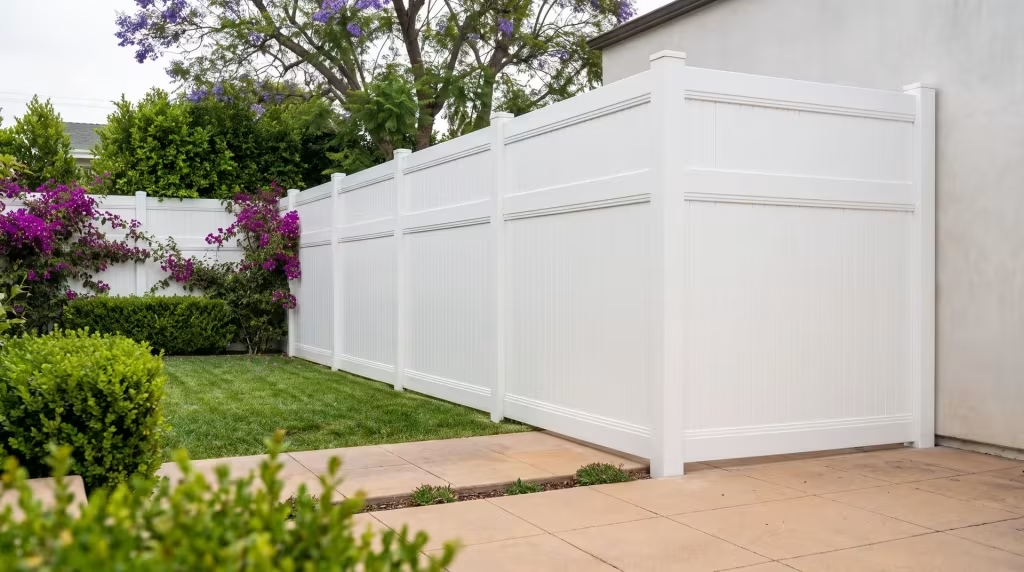
Vinyl Fence Installation
Full-service installation: old fence hauled away, footings dug, and panels racked true to your yard’s slope.
Call Now: (844) 744-0707

A yard here can drop three feet from one side to the other, so you get a fence racked and stepped to that grade, built to the peninsula’s own easement rules.
PVAF designs around canyon lots and equestrian setbacks daily, fabricating vinyl and aluminum since 2018, rated 5.0 across the service area.
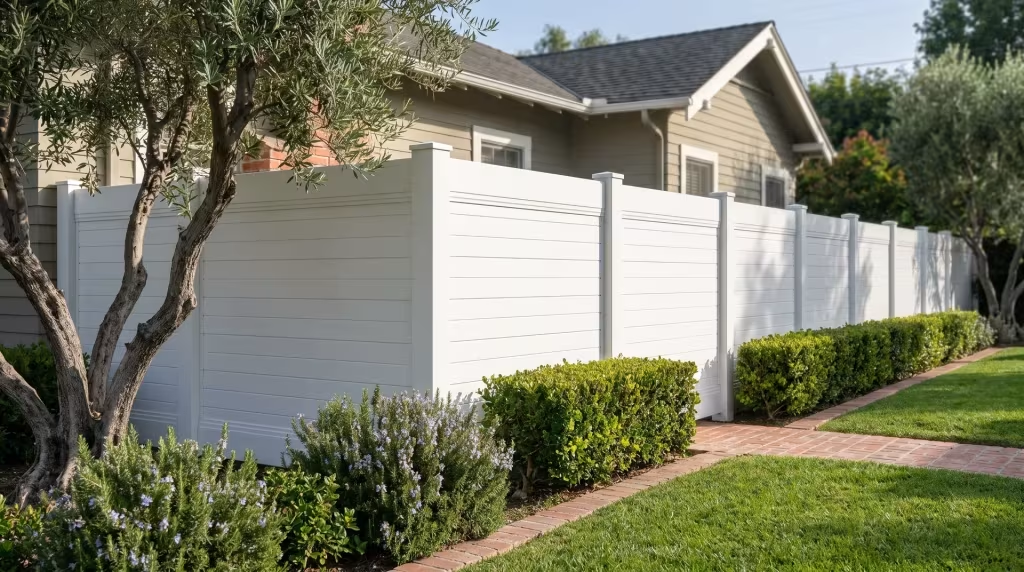
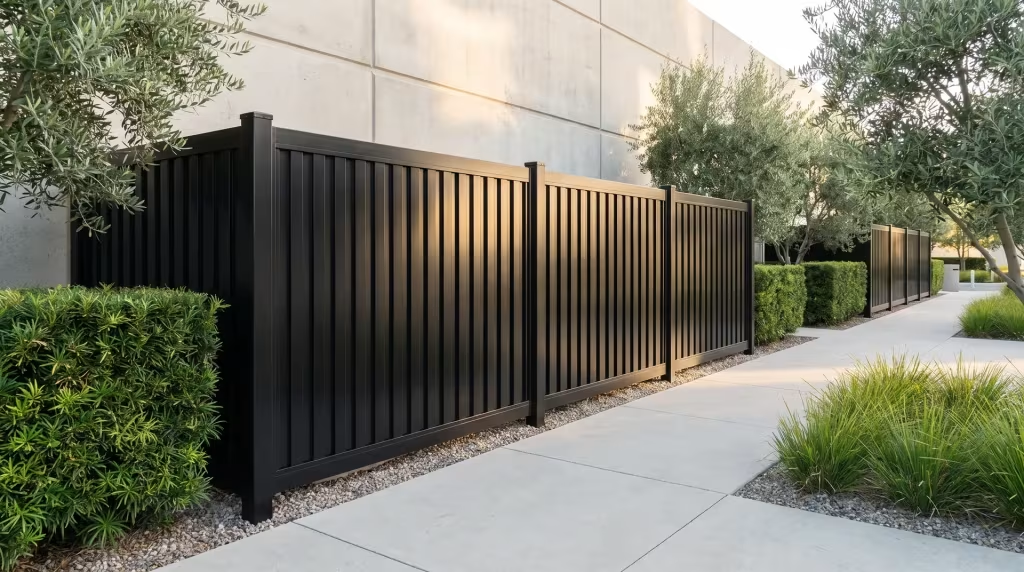
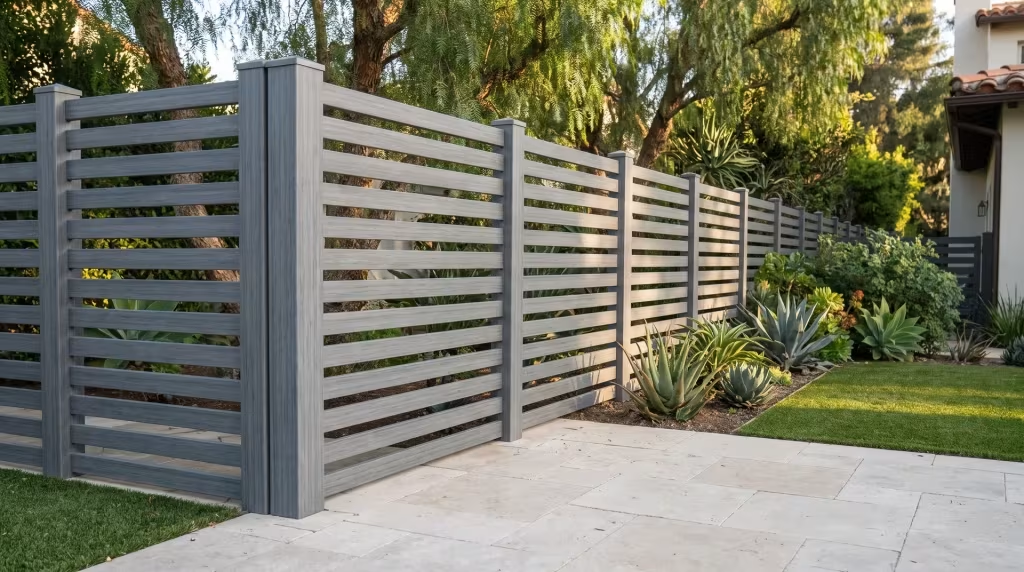
Rolling Hills Estates homes get vinyl and aluminum fencing designed around canyon slopes, grade breaks and equestrian setbacks.
A walk of the lot comes first, grade change and easement lines included, then a written scope covering height, gate count, color and demolition of the old fence before any new post is set in the ground.
Rolling Hills Estates sits on the Palos Verdes Peninsula, where hilly terrain and deep, tree-lined canyons cut through what would otherwise be flat suburban ground. Complex slopes and drainage patterns are the rule rather than the exception here, and a fence line has to account for that before a single post gets set.
Where the grade between two adjoining lots differs by more than 36 inches, the city’s own code calls for a special open-style fence rather than a solid one, and that rule shapes the design conversation from the first visit onward, not an afterthought at build time.


With around 30 distinct neighborhood areas, many built around equestrian use, Rolling Hills Estates keeps tighter rules on where a solid fence can go. Fencing along an easement is generally restricted to three-rail construction, and solid fencing isn’t permitted along the front of a property at all.
That combination pushes a lot of front-yard work here toward open aluminum or ranch-rail vinyl rather than full privacy panels, while side and rear yards still take a full privacy build without that restriction in place.
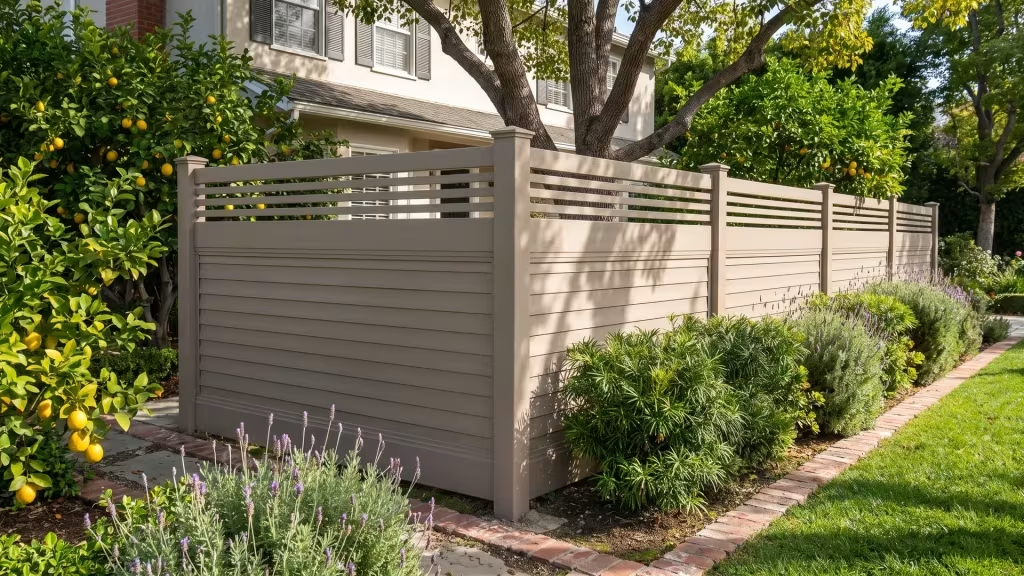
Recreational fencing above the standard height limits, up to 12 feet, is possible with a special use permit, provided it stays clear of front and street-side yards and sits at least 10 feet from other property lines.
That’s a real option for a hillside lot that wants more screening than the standard limits allow, worth raising during the on-site estimate if privacy from a neighboring canyon view or an adjoining trail matters to the household.
We build vinyl privacy and semi-privacy panels, ranch-style rail fencing for open front yards, picket styles, and matching aluminum privacy and semi-privacy runs with gates, all fabricated and installed here, plus wall toppers for adding height to an existing block wall. Three-rail vinyl and aluminum both fit the easement rule cleanly while still marking a boundary clearly for a horse property or a standard residential lot alike.
Pricing itself isn’t listed here, only what determines it: total footage, grade change across the lot, fence style and height, number of gates, and whether a special-permit height is in play. A free on-site estimate turns those factors into a real number, with the scope agreed in writing before the crew shows up to start setting posts along the property line.
Distance changes the answer. A run across a canyon slope gets read from a hundred feet out, where tone counts and texture vanishes. The same color at the gate post sits inches from your hand. Choose for the view you get.
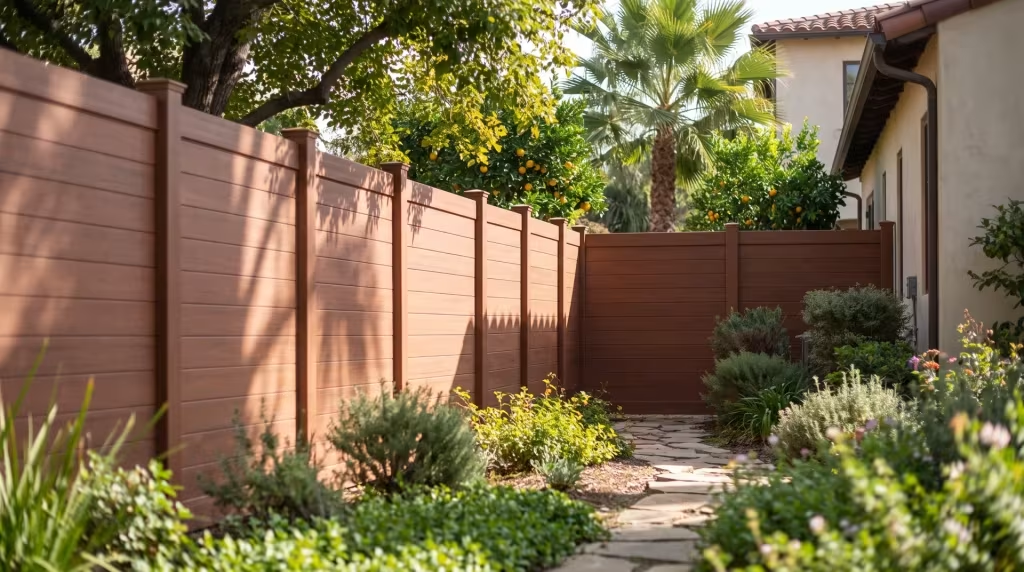
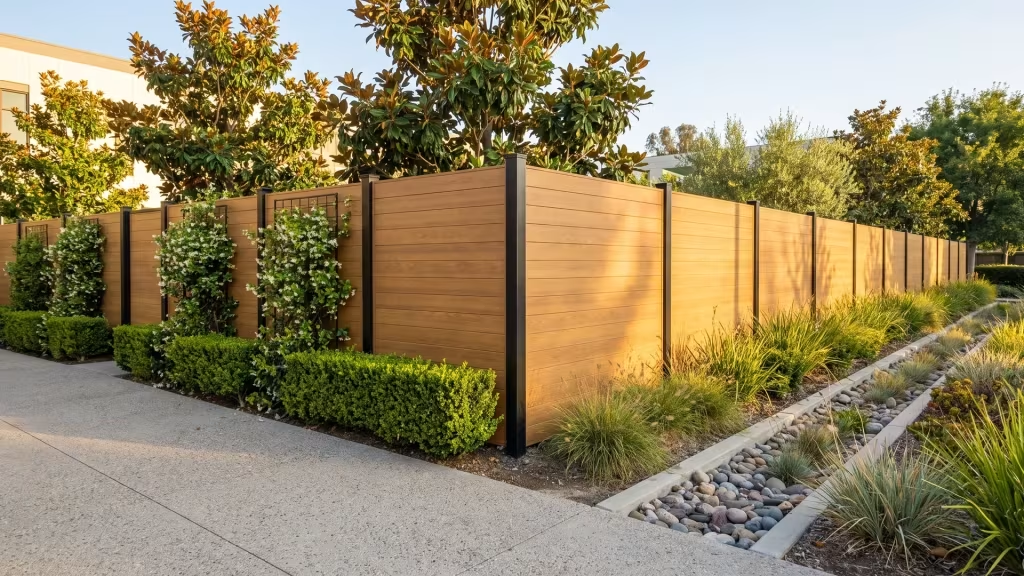
Pasture rail at the road and a solid panel at the back can share one tone, because those same three groups serve every vinyl style. Plain solids stay quiet on a long boundary. Weathered Aspen and its kin warm it. Blends run deepest.
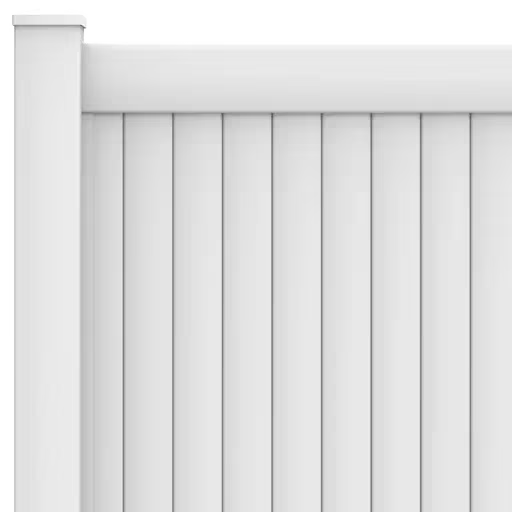
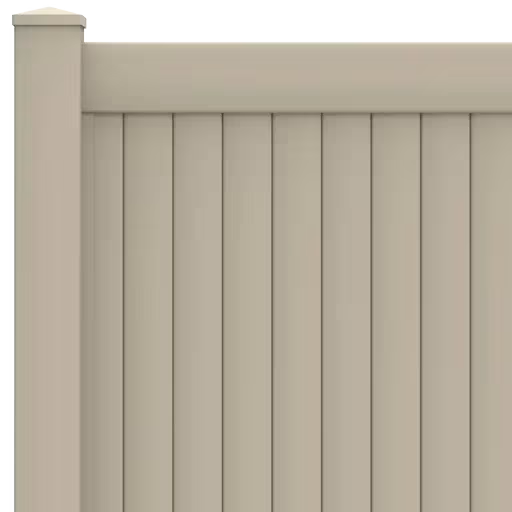
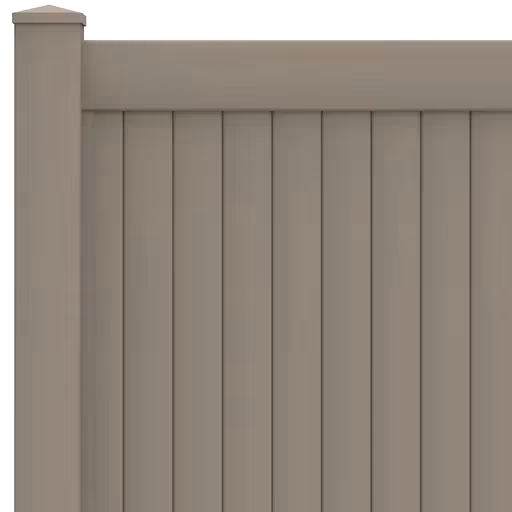
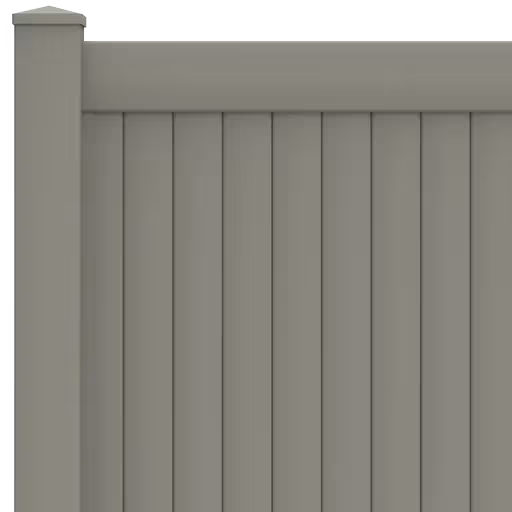
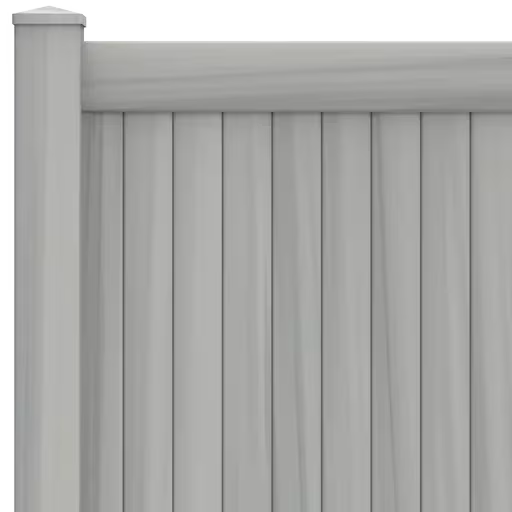
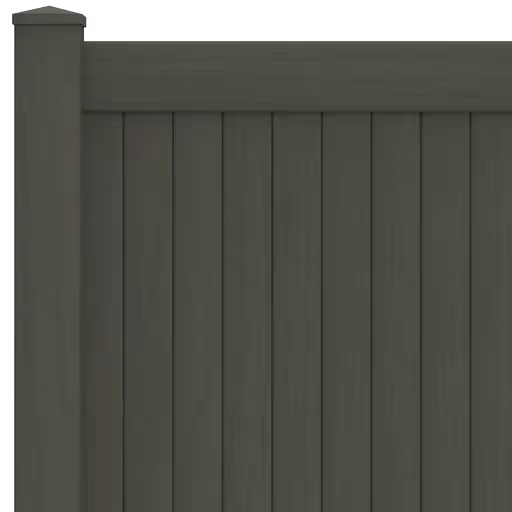
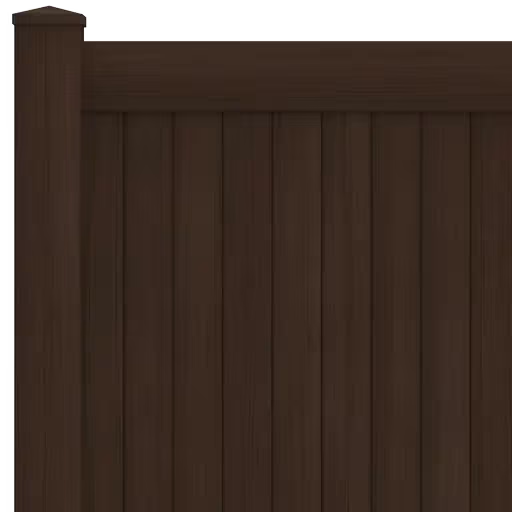
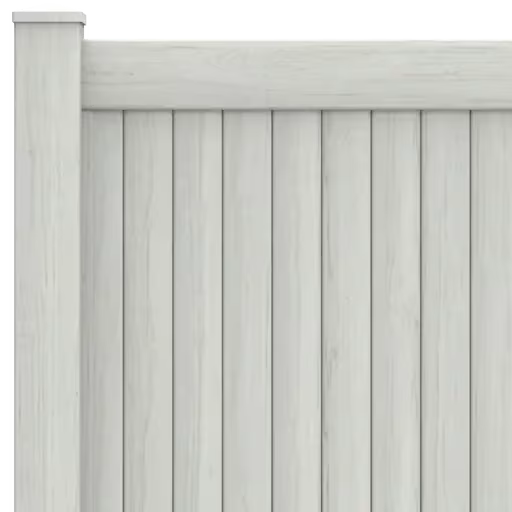
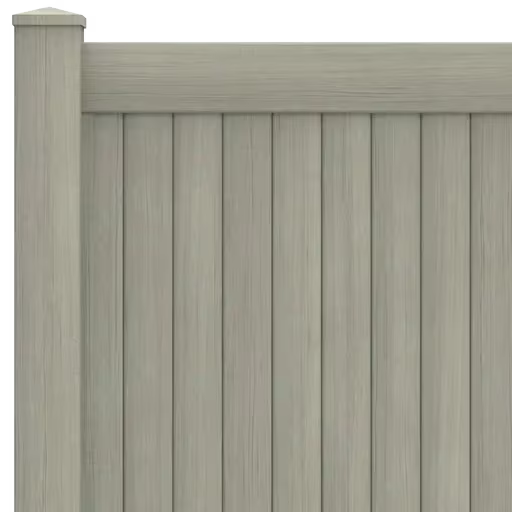
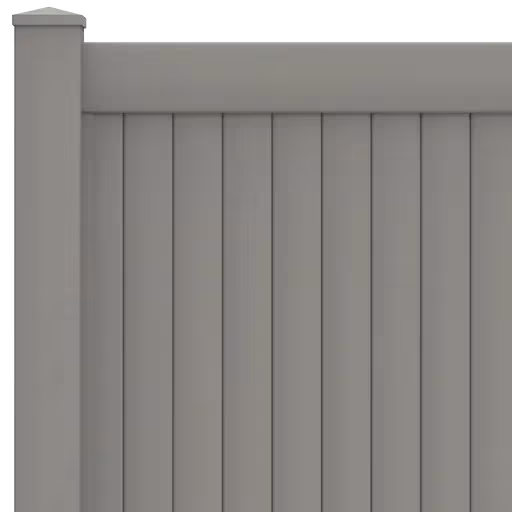
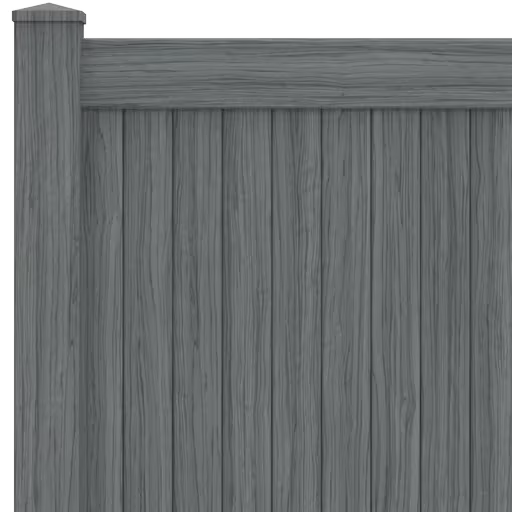
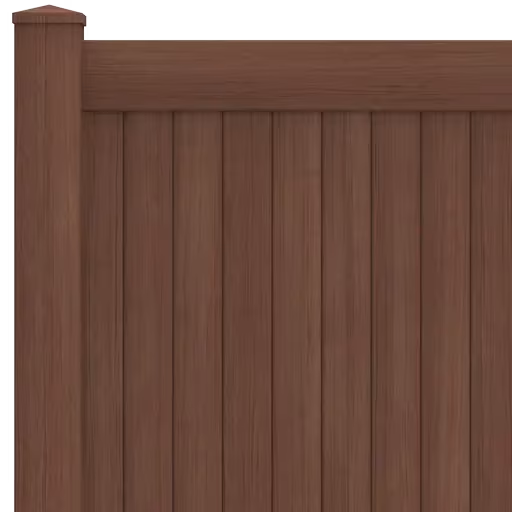
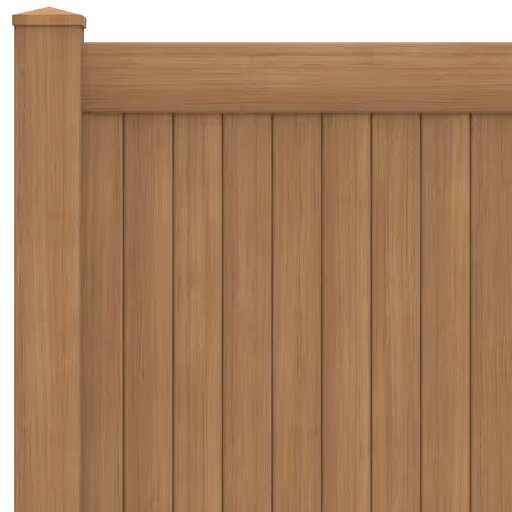
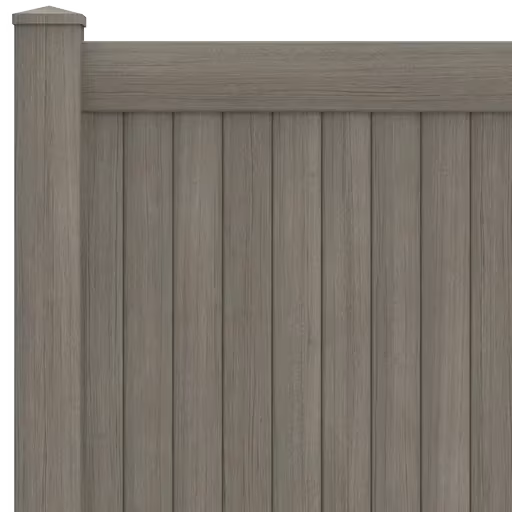
Pro Vinyl and Aluminum Fencing partners with Catalyst, one of the leading vinyl fence manufacturers in the United States. Their US-made vinyl, our custom fabrication and installation, backed by a transferable limited lifetime material warranty.

At canyon distance the profile does more work than the finish. Solid, semi-privacy and picket styles take white, wood grain, black. The contoured slat narrows to matte black. Nothing is custom, and the powder coat is cured hard onto it.
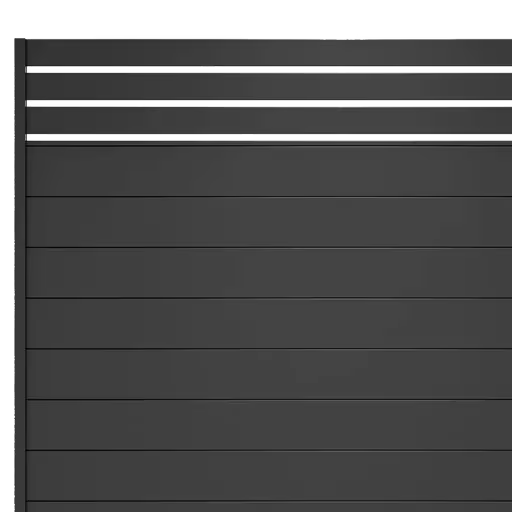
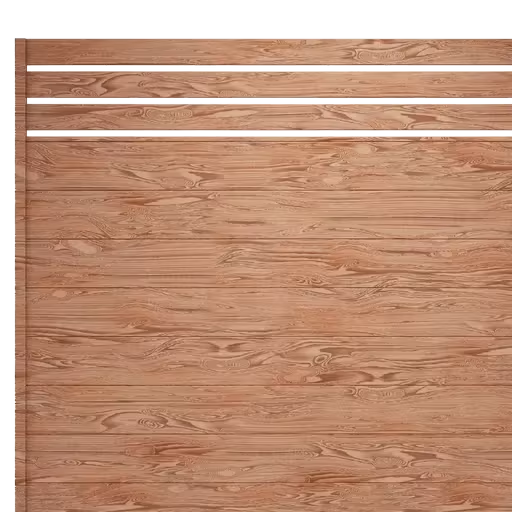
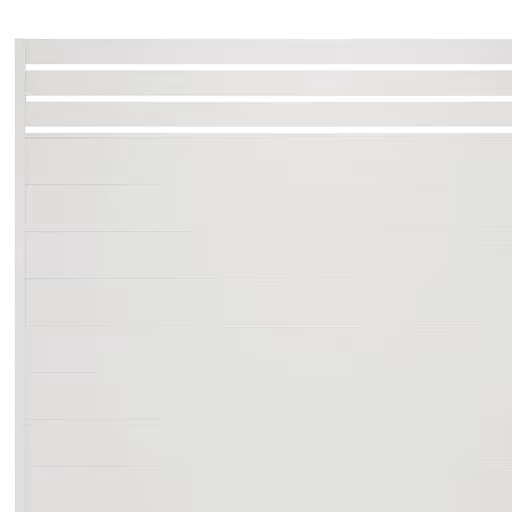
Pro Vinyl and Aluminum Fencing is a trained and authorized SLEEKFENCE™ contractor. SLEEKFENCE™ is a premium-class aluminum fencing brand registered in the USA – their engineered material, our custom fabrication and welded install, with a 20-year material warranty behind it.

Keeping animals in and keeping a canyon view open argue with each other, and the grade breaks argue with both. One boundary can end up needing more than one number. Each style below carries its own working span.
| Fence style | Min | Max |
|---|---|---|
| Vinyl privacy | 4 ft | 8 ft |
| Vinyl privacy w/Accent top | 5 ft | 8 ft |
| Vinyl picket | 3.5 ft | 6 ft |
| Vinyl wall topper | 2 ft | 3 ft |
| Aluminum privacy | 4 ft | 12 ft |
| Aluminum semi-privacy | 4 ft | 12 ft |
| Aluminum privacy hybrid | 4 ft | 12 ft |
| Aluminum wall topper | 2 ft | 4 ft |
Full-service installation: old fence hauled away, footings dug, and panels racked true to your yard’s slope.
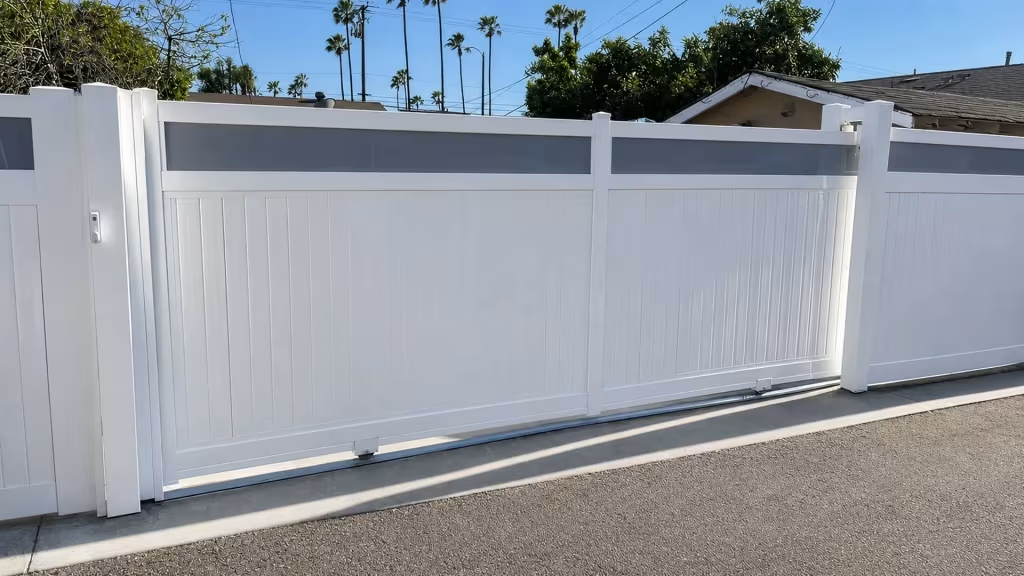
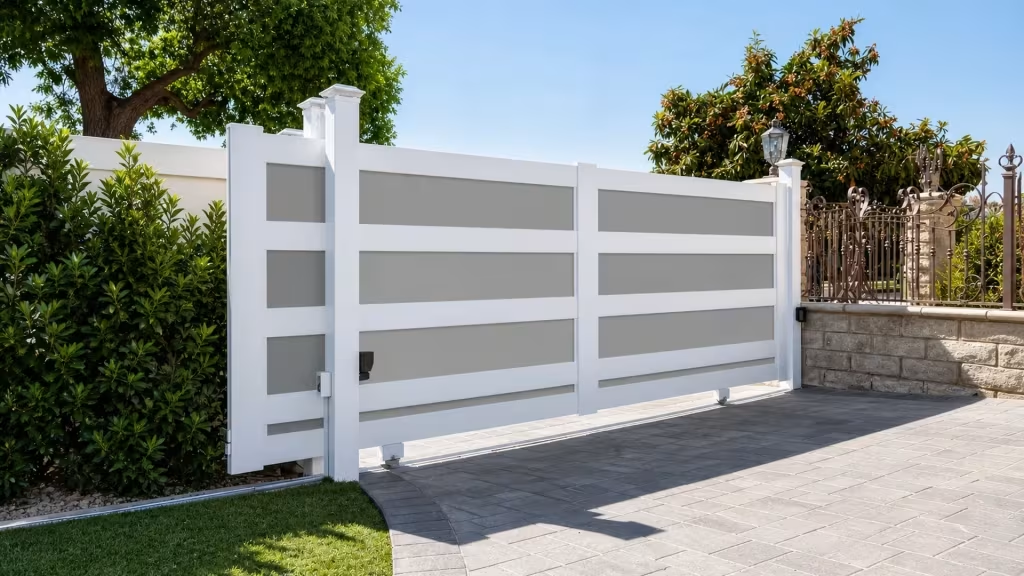
The full vinyl gate lineup runs on a metal frame under the cladding, from a single side gate to a wide driveway gate.
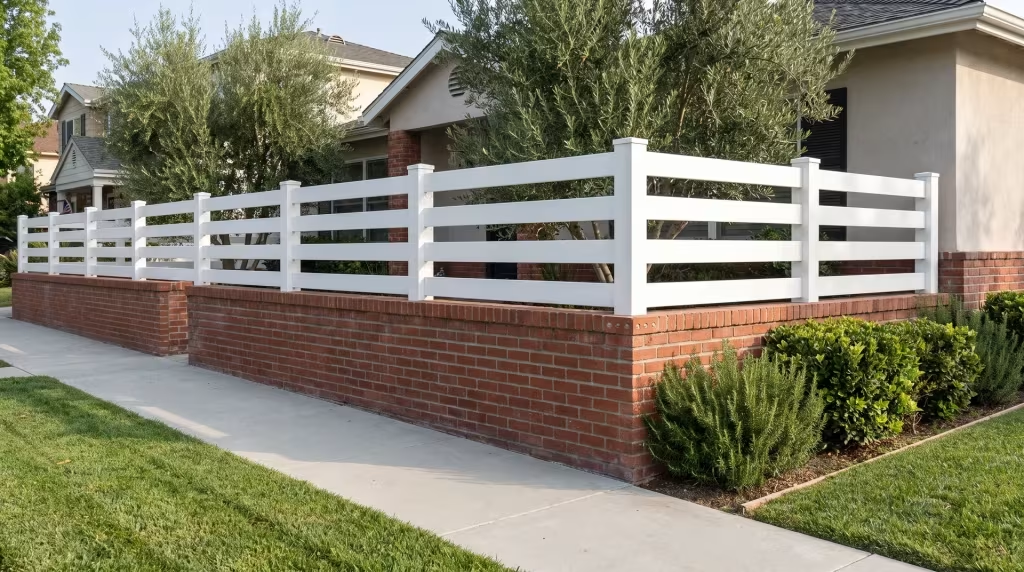
A short section mounted on the wall or fence you already own, adding height without tearing out what still works.
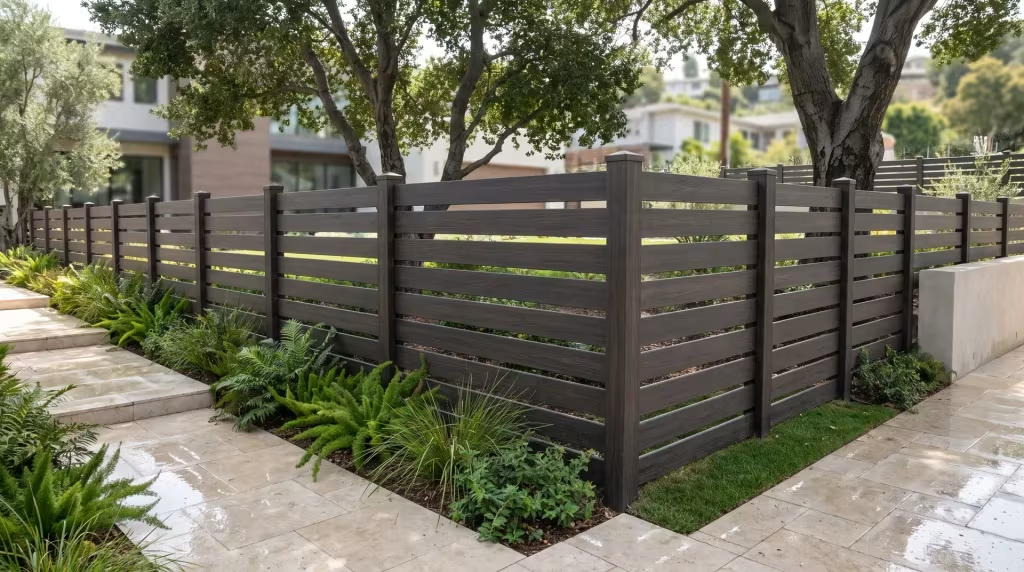
Every real vinyl fence color we build, spanning solid neutral tones to layered wood-grain finishes.
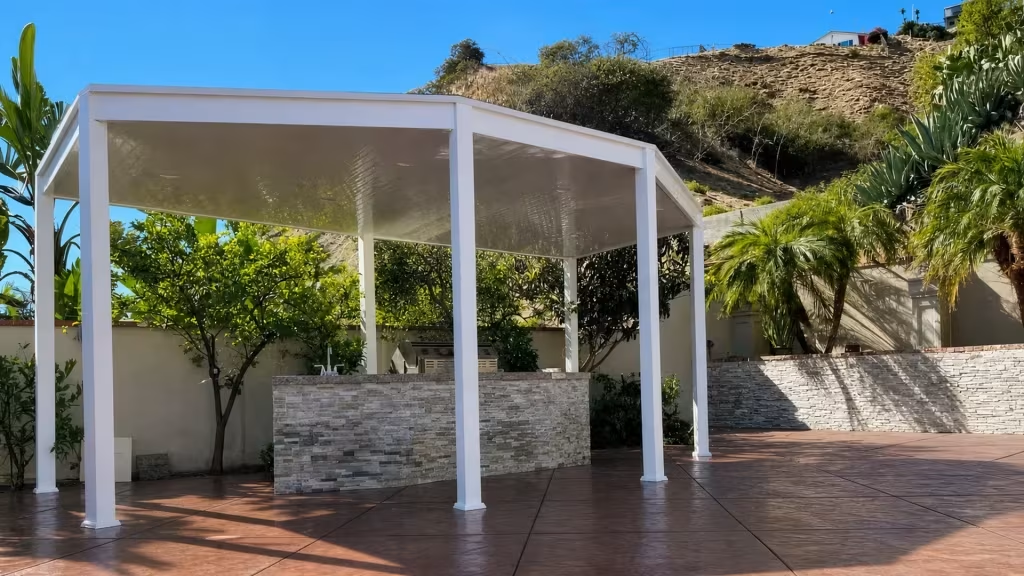
Patio covers and pergolas get built to your yard’s footprint, skipping the sanding and staining a wood cover demands.
Custom aluminum fencing built in privacy, semi-privacy, or picket styles, powder-coated against rust.
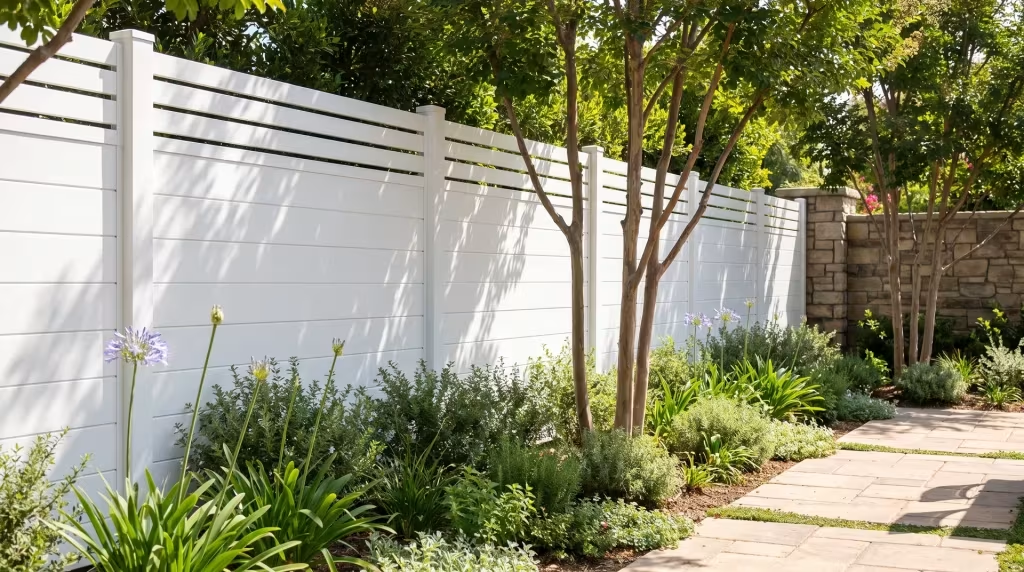
Wall toppers welded from aluminum, anchored atop your existing block or masonry wall to add height.
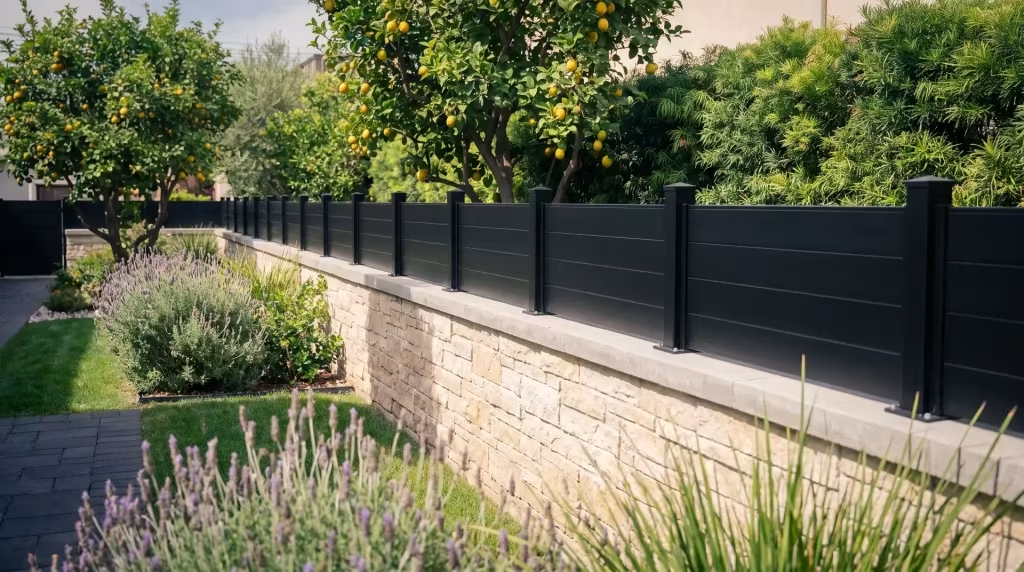
Gates welded from aluminum to match your fence, built as a walk, driveway, or rolling gate.
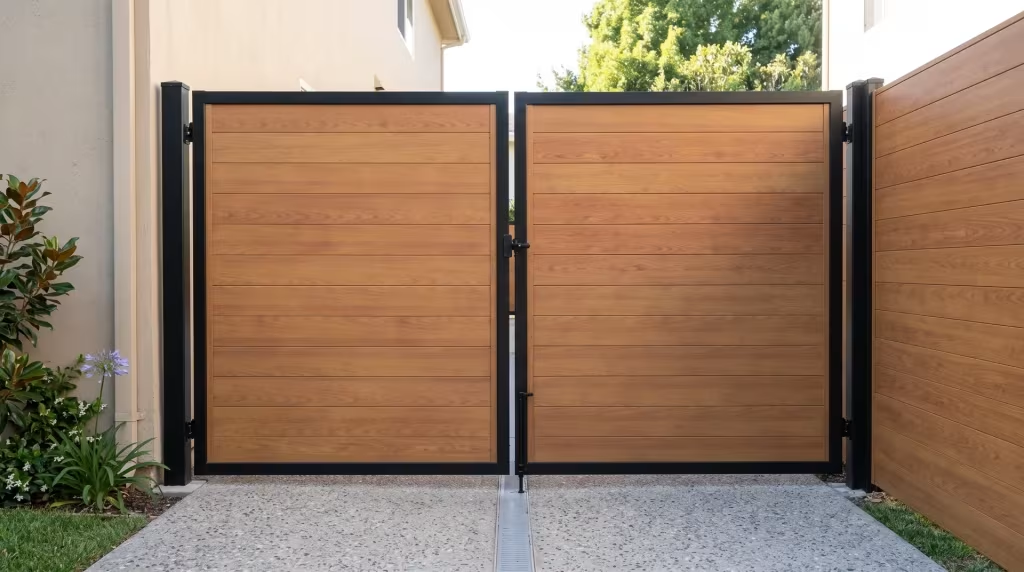
They do great work. My wall topper blew off after the recent big winds we had and I found David online. I called him, he came out, he gave me a quick, affordable price, and the work was complete 4 days later. Easy peasy. Don’t bother looking elsewhere, this is your guy.

Levon is the greatest we got our fence delivered by him and he was great patient explaining what each piece is and even shared how we can save time by how we set it all up! He was thorough and very knowledgeable about it all! Great personality!
Very happy☺️

From start to finish, our project was a dream. Kevin came to our property and was thorough, informative, and came in with the best price as well. The workers who installed were also fast, professional, and so quick! The fence looks insanely great and would recommend this company to anyone, no questions.

Thank Pro Vinyl fencing for sending Levon and Edvin to our home to install this beautiful vinyl fencing. They were great to work with and had fantastic craftsmanship and took pride in their work. We are very pleased with our fence.

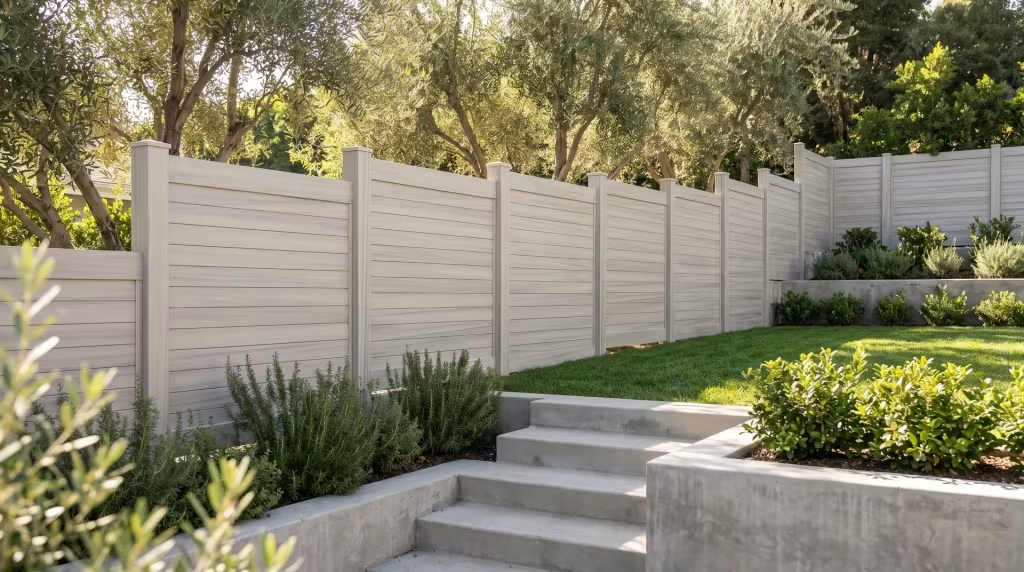
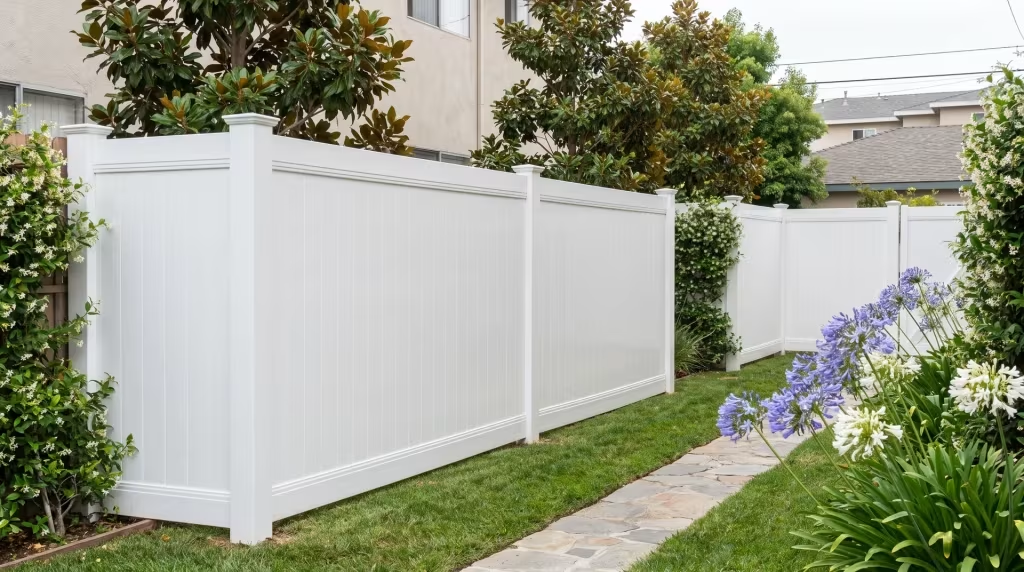
This set covers vinyl and aluminum fencing from hillside and canyon-adjacent lots in and around Rolling Hills Estates, stepped grade lines and three-rail easement runs included. Tap through the grid to see how a sloped property gets handled.
Rolling Hills Estates incorporated in 1957 and holds around 8,280 residents, roughly 20 miles south-southwest of downtown Los Angeles on the Palos Verdes Peninsula. It borders Rancho Palos Verdes, Rolling Hills, Palos Verdes Estates, Torrance and Lomita, and carries about 30 distinct neighborhood areas, many oriented around equestrian use with trails running through them.
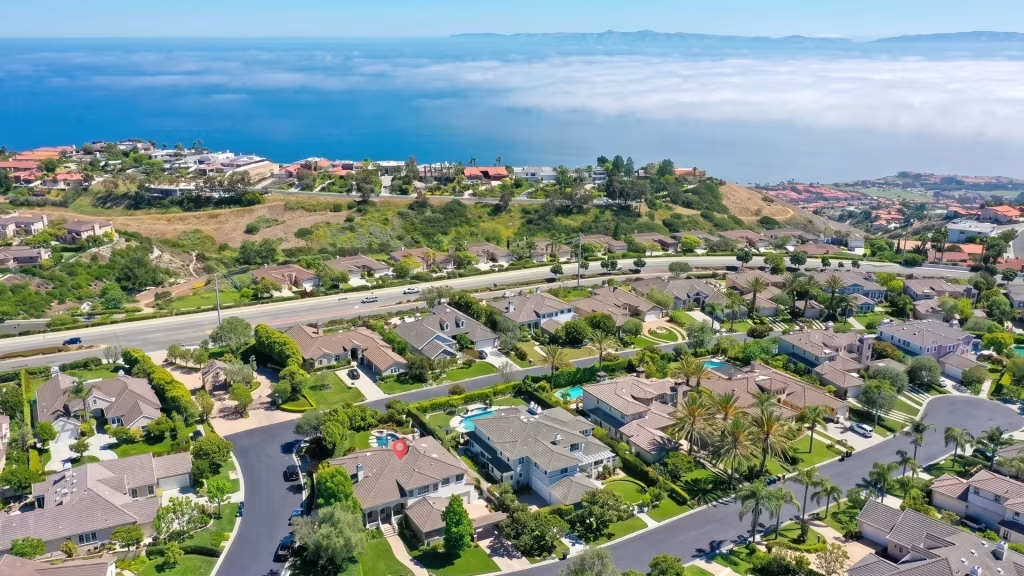
Hilly terrain and deep, tree-lined canyons cut through the city, and grade differences between adjoining lots are common rather than rare. Where that grade break exceeds 36 inches, city code requires a special open-style fence instead of a solid one, and drainage patterns tied to the slope factor into where posts can go and how a fence line gets stepped down a hillside.
Front and street-facing yards top out at 42 inches, and side and rear yards at 72 inches, under Rolling Hills Estates Municipal Code. Building permit requirements above those limits follow the Los Angeles County Building Code as adopted by the city, generally trending toward a permit past 6 feet, though the precise county threshold isn’t published in city materials and should be confirmed directly before a design is finalized.
Fencing built along an easement is limited to three-rail construction, and solid fencing is not allowed along the front of a property, rules that show up often given how many lots here border a trail or shared easement. Recreational fences up to 12 feet are possible with a special use permit, kept out of front and street-side yards and at least 10 feet from other property lines.
A hillside install here runs through four stages: an on-site walk that reads the grade break and any easement lines, a written contract, a build day set to that slope, and a warranty handed over once the crew leaves the property.
The pricing conversation happens up front, and the signed scope is what the crew builds to on-site.
A team member walks the slope in person, measures the grade break between lots, and leaves a real figure, not a guess.
Height, style, gate count, easement runs and any special-permit height go on paper before a crew is scheduled.
Posts get set and stepped to the grade, three-rail runs go in along easements, and the yard is left clean at the end.
The vinyl build carries lifetime transferable coverage; aluminum runs its 20/10/2 terms, backed by 5 years workmanship.
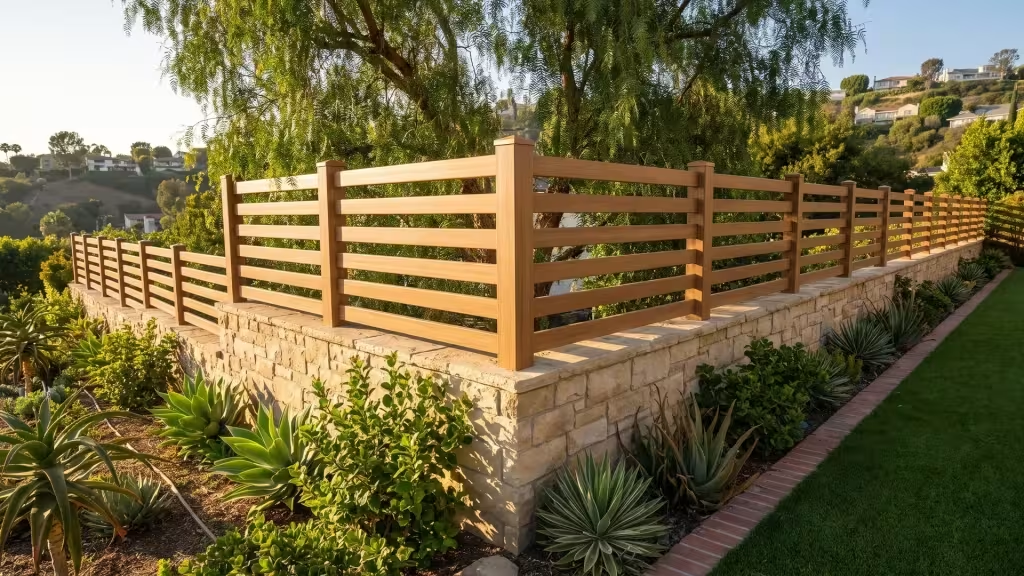
Practical reads on grading, easement rules and upkeep for Palos Verdes Peninsula properties.
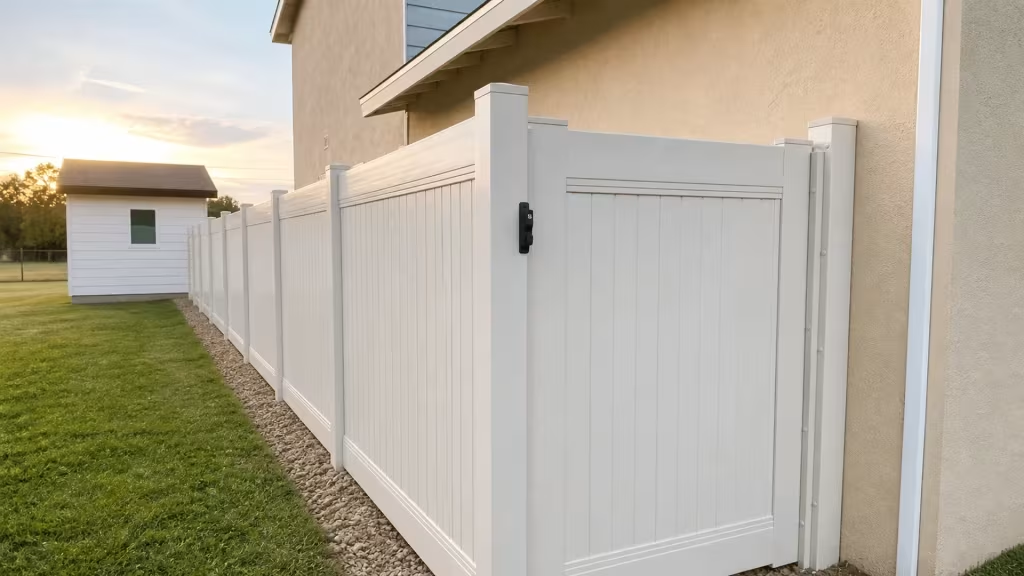
Tan vinyl brings a warm, low-maintenance color to Los Angeles yards that never needs a repaint.
Fences blog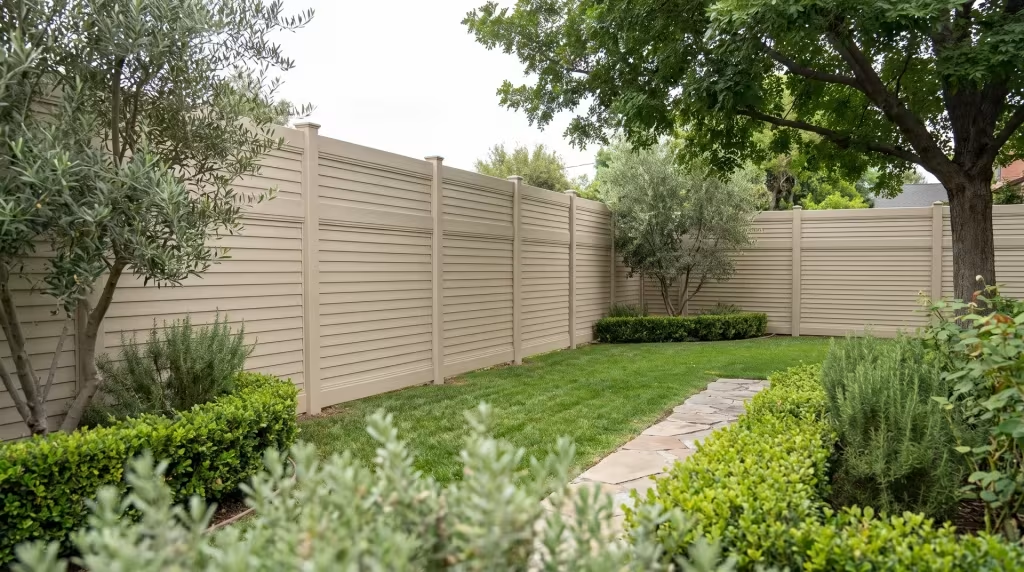
Rolling Hills Estates Fence FAQs and Rules
Grade rules on hillside lots, easement restrictions along shared trails, and how a project moves through permitting review from first visit to finished fence are what come up most for Rolling Hills Estates homeowners. Six plain answers, no pressure attached to any of them.
Got another question?
A real person answers directly, same day, whenever the message comes in.
Rolling Hills Estates caps front and street-facing yards at 42 inches, side and rear yards at 72 inches, under its municipal code.
Permit rules above those limits follow the county building code as adopted by the city. Confirm the current threshold with Building & Safety before starting a design.
Yes. Where the grade between two adjoining lots differs by more than 36 inches, city code requires a special open-style fence rather than a solid one along that line.
An on-site visit reads the actual grade break and designs to it before anything is proposed.
Generally no. Fencing built along an easement is limited to three-rail construction, and solid fencing isn’t permitted along the front of a property here at all.
Side and rear yards away from an easement can still take a full privacy build.
Recreational fencing above the standard height, up to 12 feet, is possible with a special use permit, as long as it stays out of front and street-side yards and sits at least 10 feet from other property lines.
Worth raising during the on-site estimate.
State law, the Good Neighbor Fence Act, starts from the assumption that both sides of a property line split a fair share of a boundary fence’s cost, giving 30 days’ written notice first.
It’s a California-wide rule layered on top of whatever Rolling Hills Estates’ code sets for height and easements.
A Rolling Hills Estates property inside an HOA may face CC&Rs that go further than the municipal code on height, material or style, and the more restrictive rule is the one that applies.
Check those governing documents before locking in a final design.