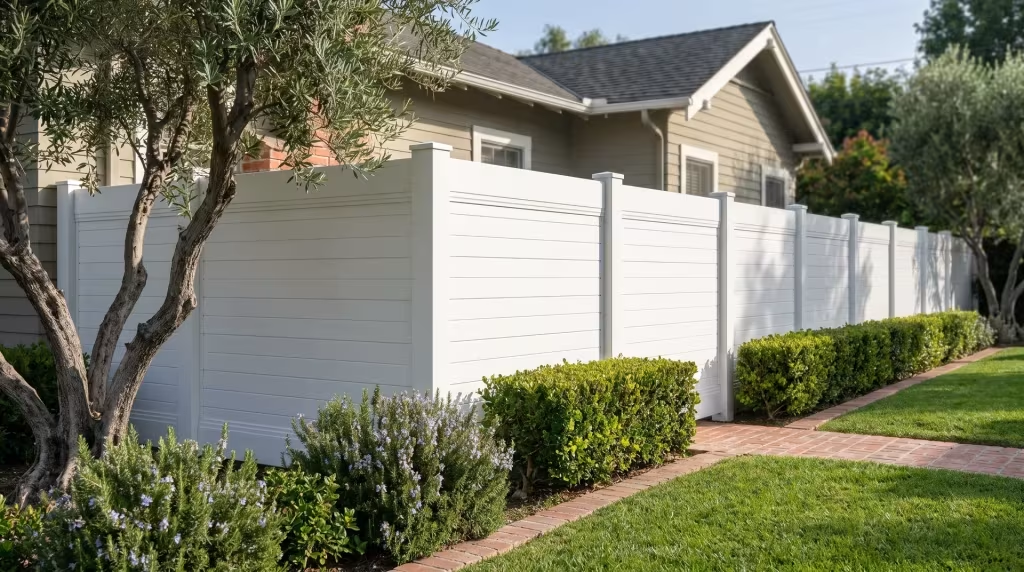
3-Rail Vinyl Ranch Fence
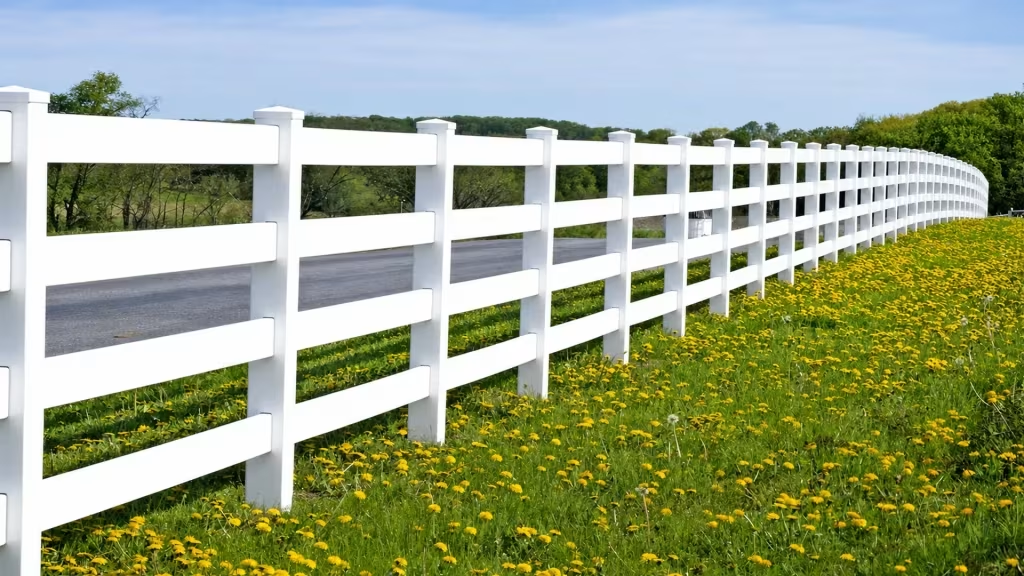
Three evenly spaced open rails give the classic ranch look most owners choose, marking the line without blocking the view.
Call Now: (844) 744-0707

Want a boundary you can see clean over? Two open rails on low posts draw the line while the view runs through, and a licensed crew rated a flat 5.0, with 500+ five-star reviews since 2018, custom-builds the vinyl version.
Two rails is the fewest-rail, budget end of the ranch family, the honest pick when the look and a property-line marker matter more than maximum hold. Our own shop fabricates the run and we set it as a low decorative line, a marker rather than a barrier, and the estimate is free.
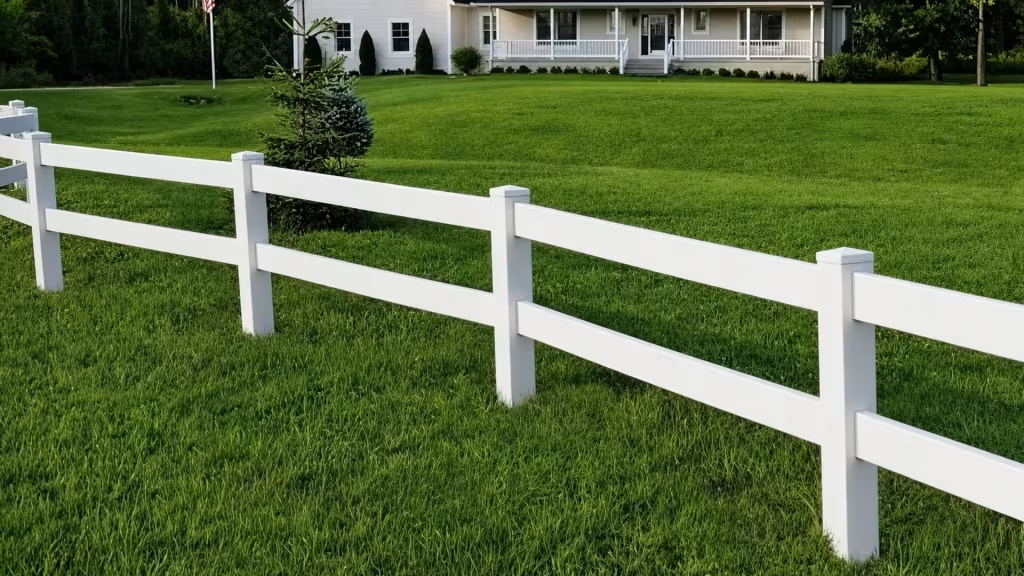
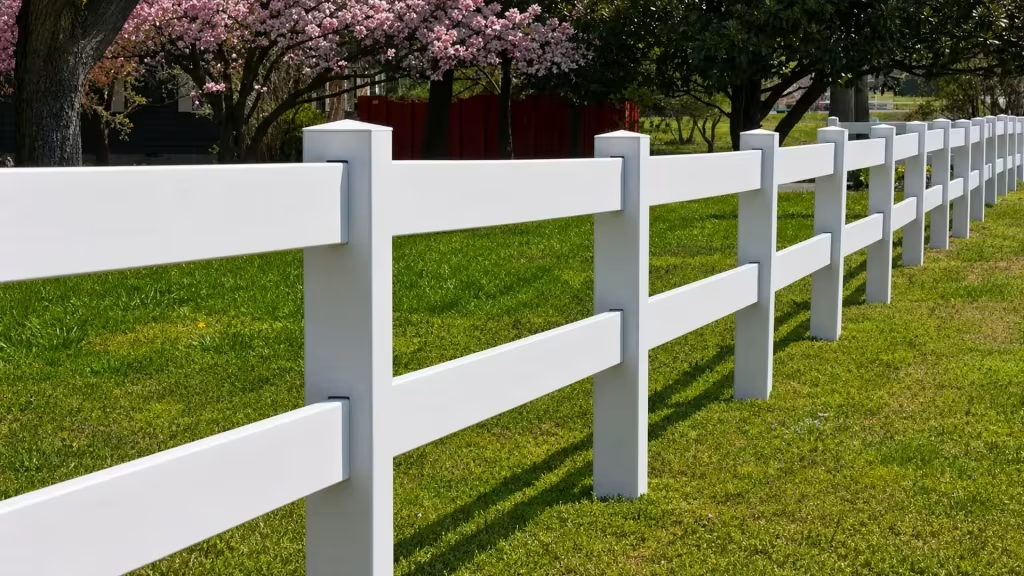
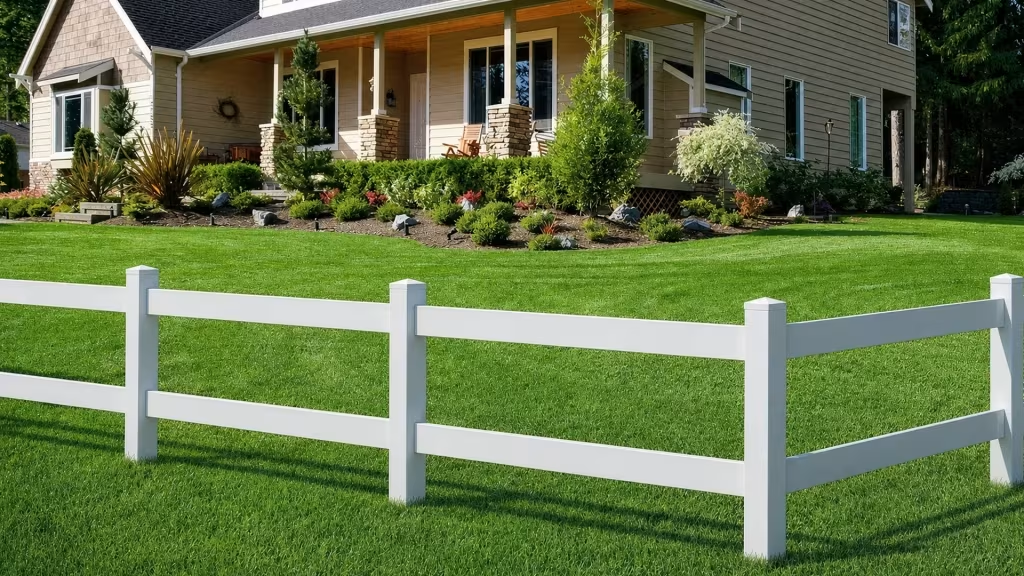
Of the straight ranch counts, the two-rail sits lowest and most open, a decorative property-line marker we build to your spec.
Because two rails ask so little of the ground, each post drops into a 24-inch footing, the shallowest run we set. You also get a straight read on whether that low line suits your property, then a vinyl fence our own shop builds and installs.
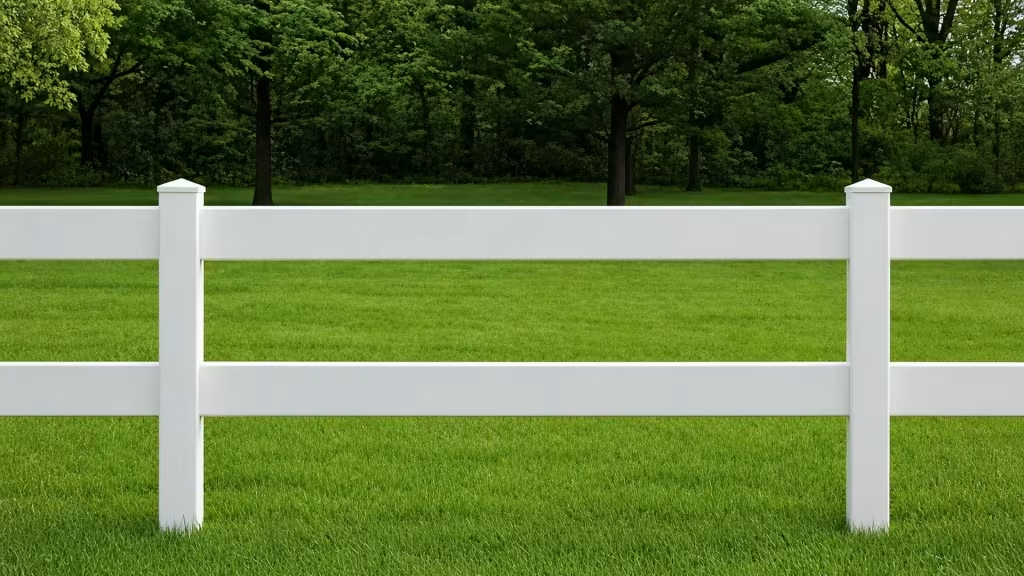
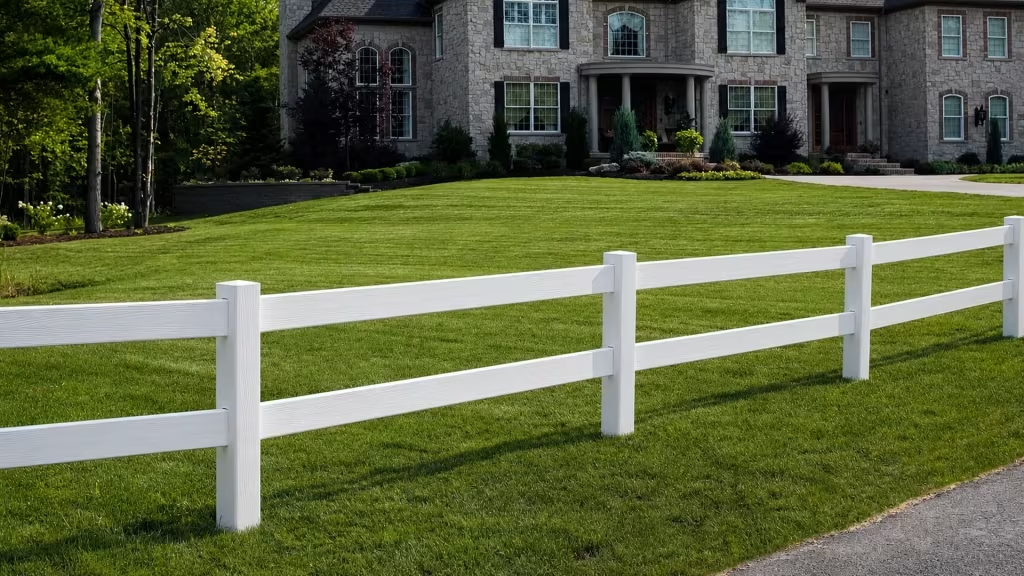
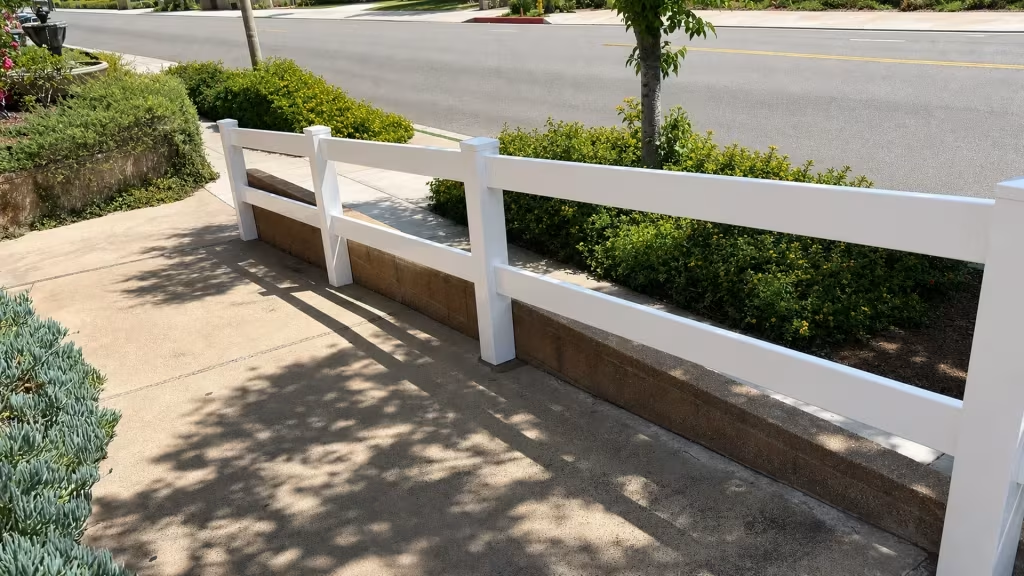
Two open horizontal rails on a line of posts, with clear air where a third or fourth rail would sit, is the 2-rail ranch fence, the lowest and most open of the straight ranch counts. You can see clean over the top of it, so it marks a boundary without stopping the view.
The rails are milled vinyl, not the split cedar of a rustic rail fence, and the fuller post-and-rail story belongs to vinyl ranch rail fencing. Worth clearing up: this is a low, open fence in its own right, not a tall privacy fence framed on two structural rails.


Two rails is the budget end of the ranch family, for plain arithmetic: fewer rails mean less vinyl and less labor per foot than a three or four-rail line. It earns its place whenever the look and a property line matter more than holding something in.
Most 2-rail lines we set are decorative first: a garden edge, a driveway run, a front-yard accent, or a low boundary around a large lot. It reads clearly as ranch and costs the least of any count.
Two rails is the decorative, least-containing pick; you add rails when you need more hold, not more looks. Want the balanced everyday line? Three rails is the usual answer. Need the tallest, most contained run? Four rails carries it. After the decorative diagonal? That is the crossbuck. And vinyl ranch rail fencing lines up the whole family.
A 2-rail is the least-containing fence in the ranch family, so treat it as a marker rather than a barrier, whatever a product listing may promise. At two low rails it gives no privacy, will not hold a small dog or cat, and will not reliably pen livestock.
It also falls short of California pool code, which asks for a child-proof enclosure with tight gaps and a self-latching gate. Horses will gnaw and crib vinyl as well, wear the warranty does not cover on any rail count. Where screening or real containment matters, run a picket or privacy style with it, or add rails.
Every 2-rail post seats in a 24-inch concrete footing, the shallowest in the ranch family, because the lowest, lightest line needs the least hold, against the 30 and 36 inches the taller counts ask for.
Rails never touch the outside face; each is routed and locked through the post itself, so the finished run hides all its hardware. Posts land 96 to 98 inches on center, milled to a 2.5 by 4 inch profile, and a low run stands on lighter 4×4 posts, 5x5s for heavier lines.
Boxed kits often skip concrete for a movable line; we pour a footing under every post so it holds for good. Whether a permit applies comes down to height: in the City of LA a non-masonry fence needs a building permit only above 10 feet, and unincorporated LA County above 6 feet; rules vary by city, so verify with your local building department.
Where a run meets a shared boundary, the Good Neighbor rule in California (Civil Code 841) expects the neighbor to get written notice first.
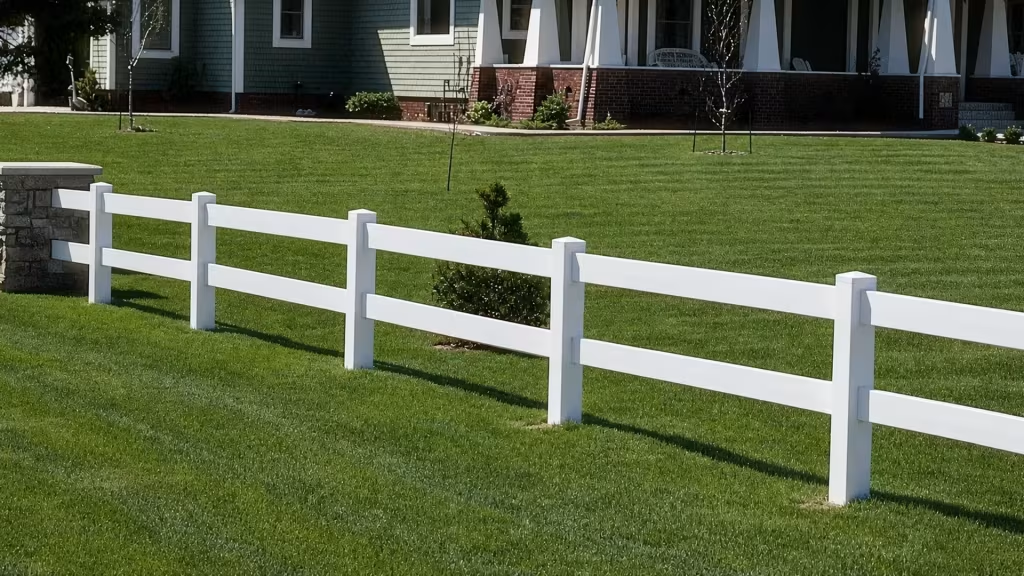
A low 2-rail line works best out front: marking a boundary, running beside a driveway, accenting a ranch-style yard, or tracing a large lot, around Greater Los Angeles and up in the Bay Area alike. Decorative is its first job, though on a small paddock it can still mark a light animal boundary; anyone running horses in earnest wants more rails than two.
The old worry that vinyl turns brittle belongs to freeze-thaw winters, not a Los Angeles or Bay Area year; wood and metal stay fair choices worth weighing. What moves the number is easy to name: the run length, the height, any gate, how the ground lies, and whether the old fence needs pulling first, so a quick call gets you close and a free visit pins the number down.
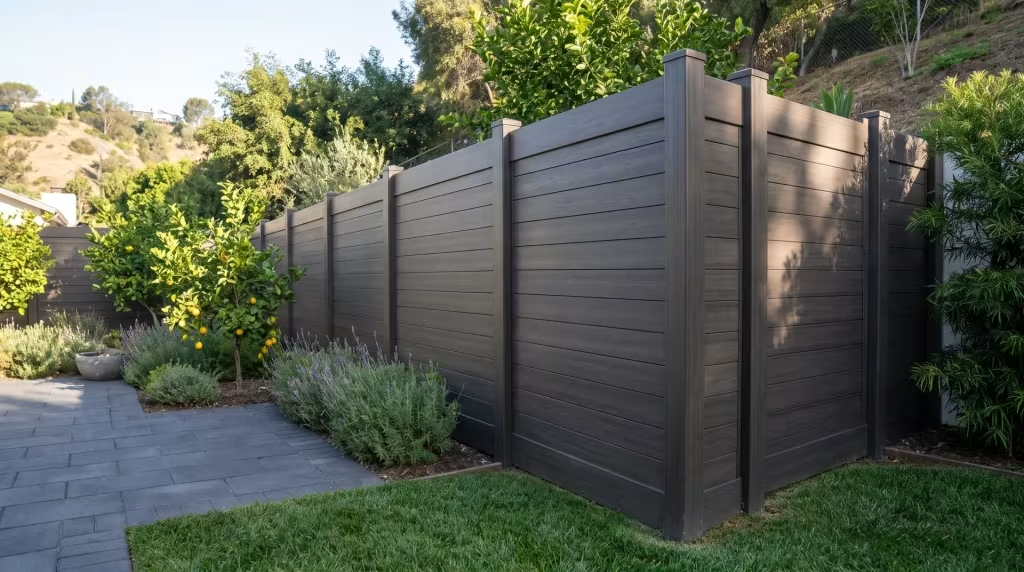
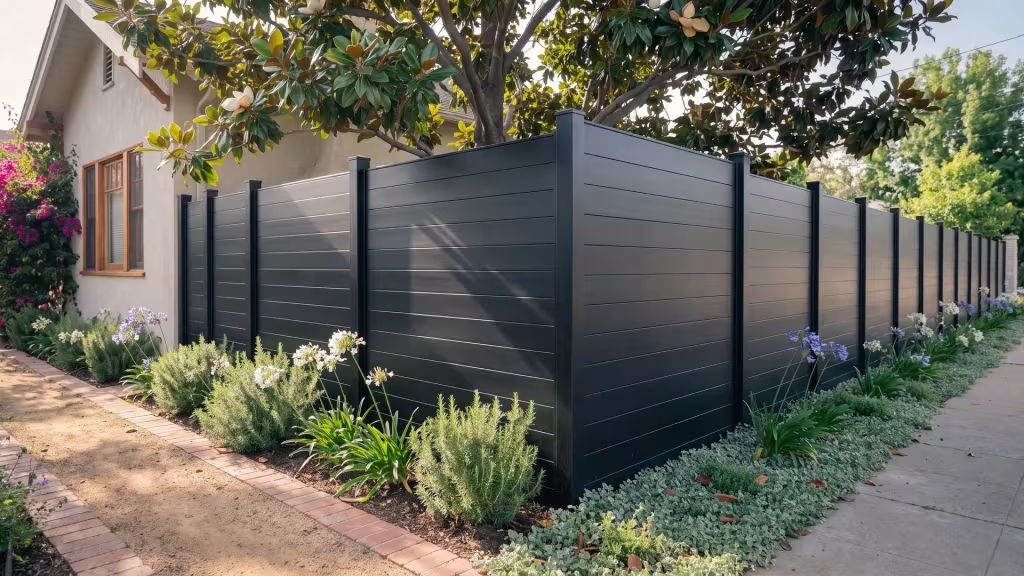
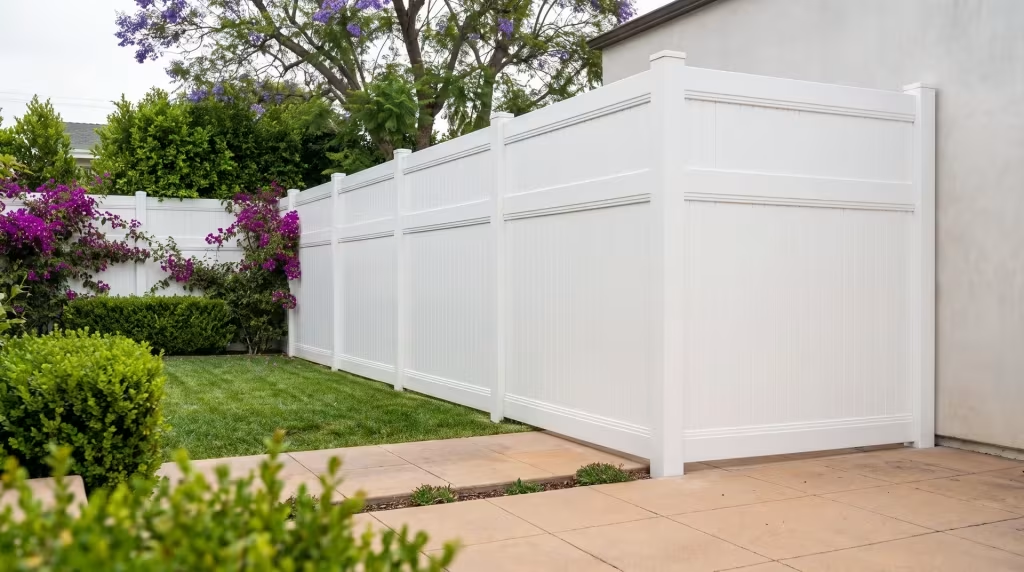
Two rails leave more sky than vinyl. Whatever lies behind the run, grass, gravel, a bare hillside, ends up framing whatever tone you choose. Plain solids keep that quiet. The grained finishes warm it. Textured blends go furthest, closer to milled lumber than to plastic.
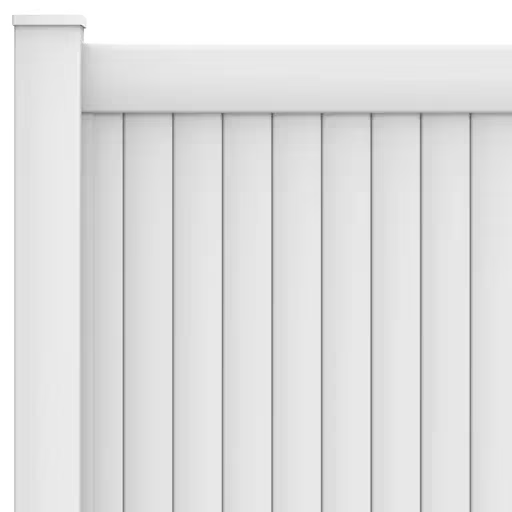
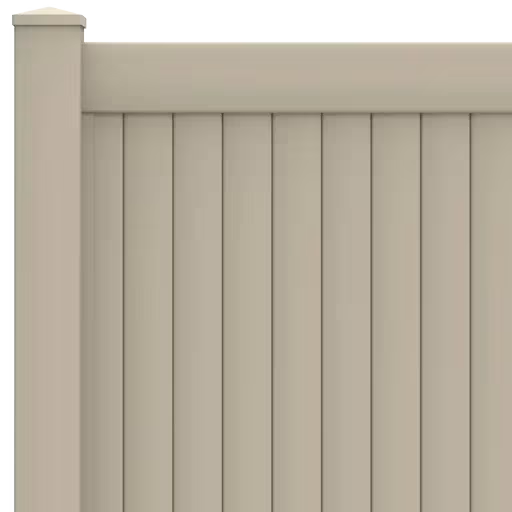
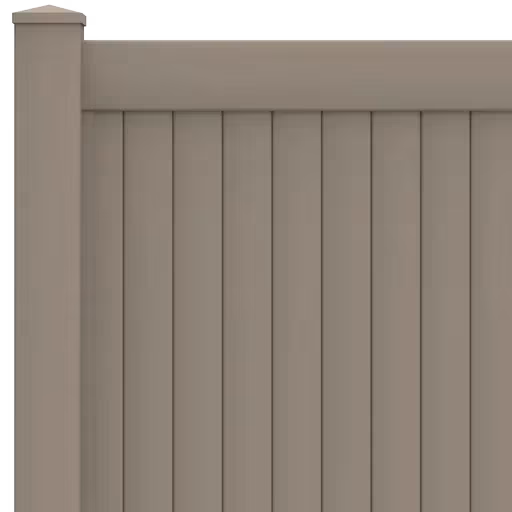
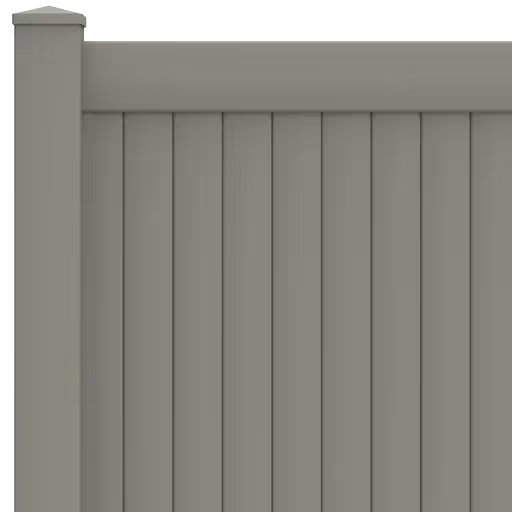
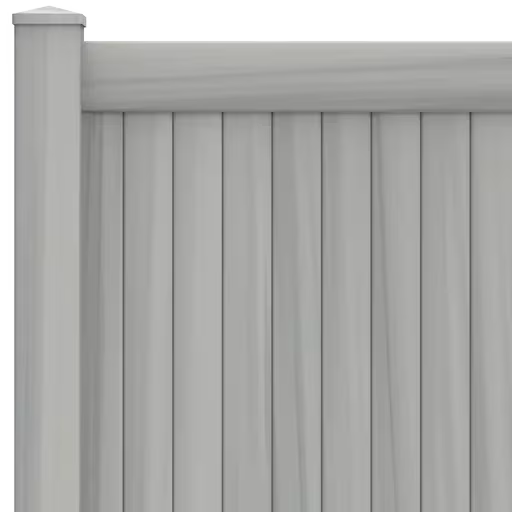
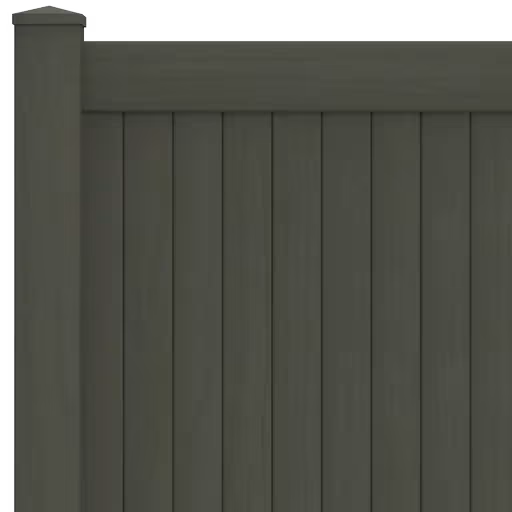
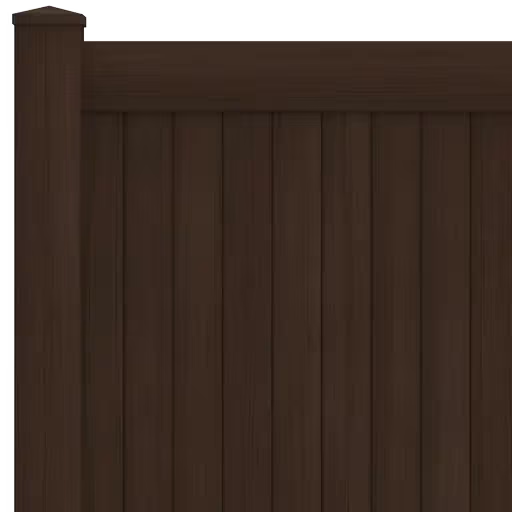
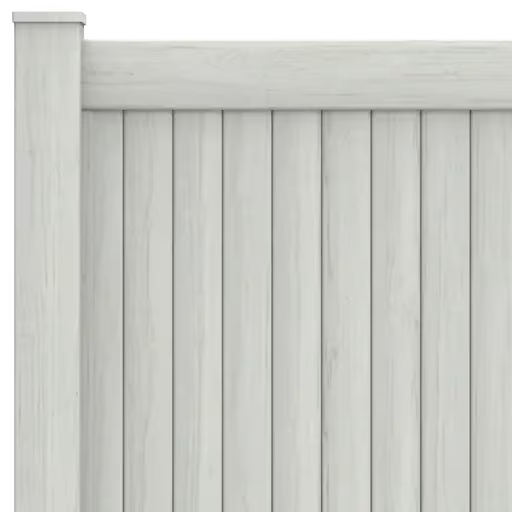
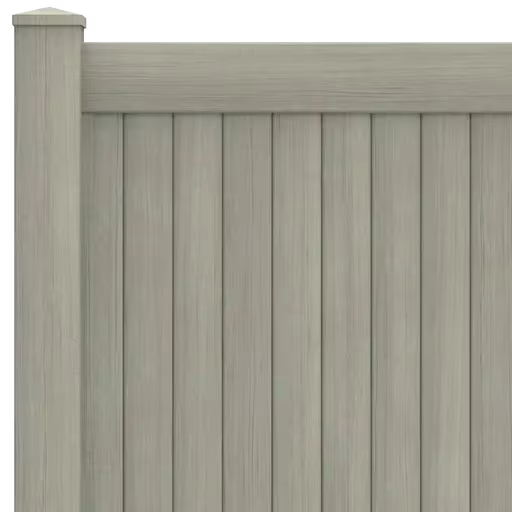
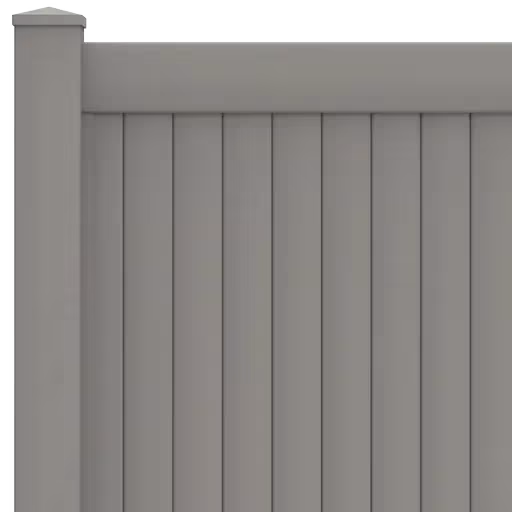
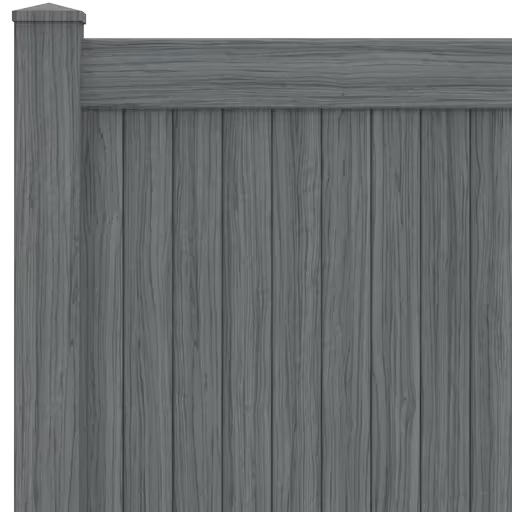
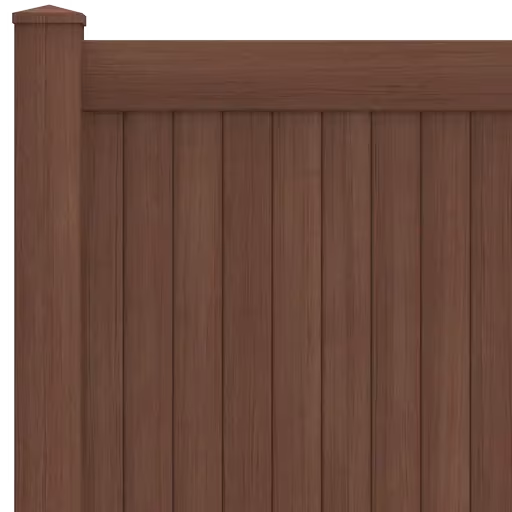
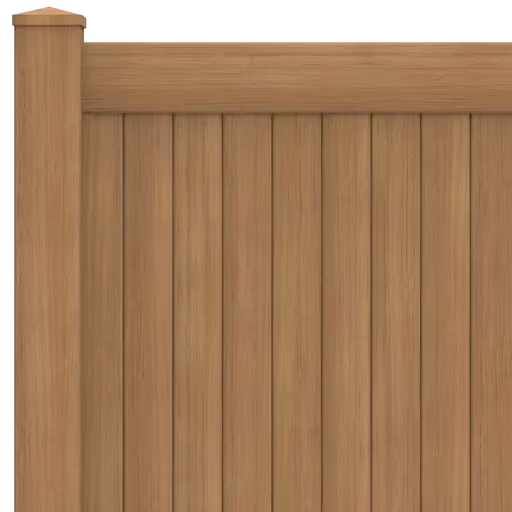
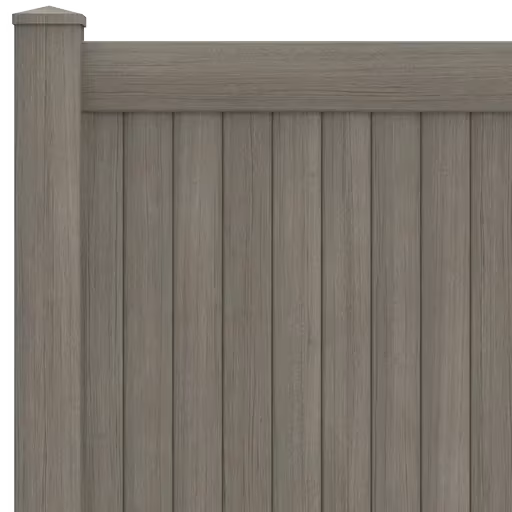
Pro Vinyl and Aluminum Fencing partners with Catalyst, one of the leading vinyl fence manufacturers in the United States. Their US-made vinyl, our custom fabrication and installation, backed by a transferable limited lifetime material warranty.

A low marker keeps a property line honest and does nothing else. Where a yard needs cover, or a drive needs a leaf across it, that is separate work, and both of the materials we fabricate in are there for it.
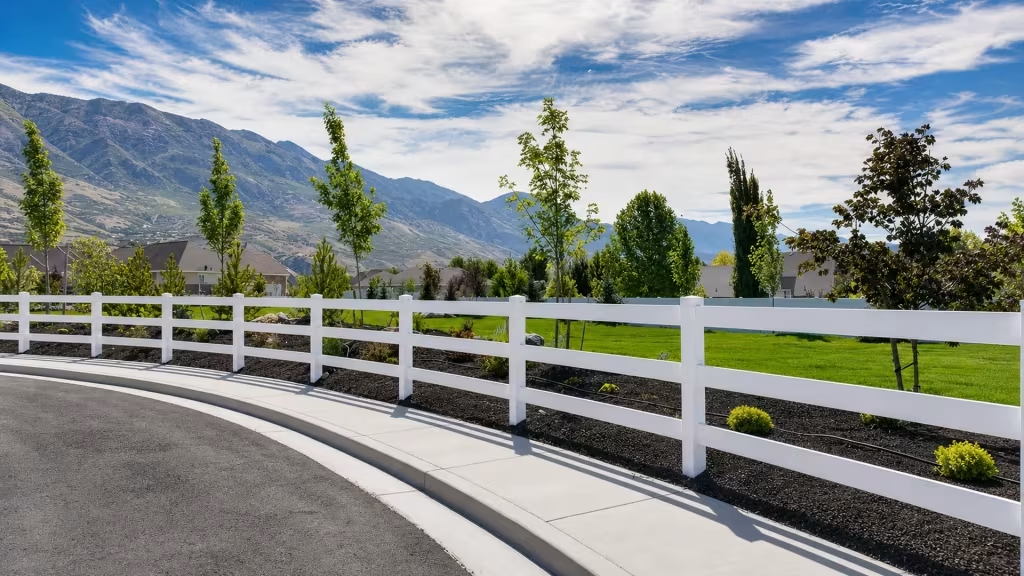
Three evenly spaced open rails give the classic ranch look most owners choose, marking the line without blocking the view.
Four rails fill the frame the most of any ranch count, built for real containment on livestock and estate lines.
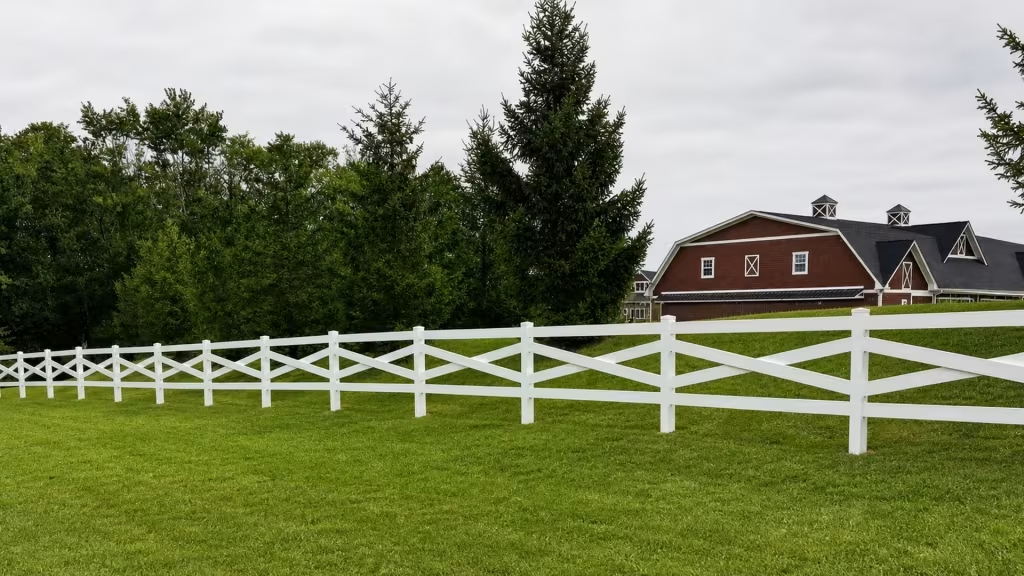
A decorative diagonal X crosses the open rails for the rustic ranch look, without the rot or splinters of wood.
The fencing is Beautiful! Everything was perfect from start to finish! David did an Outstanding Job!!! Extremely professional, clean and clear on all of our requirements!
We Highly recommend this company and David as an installer!!!

Mike gave us the estimate. Was really patient and explained things well. Jasmin easy to communicate especially through text and Avag was super nice and polite. Avag, Did a great job installing our side fence. Will be calling them again for more fencing in the future.

Michael (Mike) was very helpful from the beginning till the end of my project. He had the project managed perfectly from scheduling to installing the vinyl with perfection. The installers and Mike are AMAZING.
Left no trash or debris behind and overall super satisfied with my project. Will recommend (Mike) to all my neighbors and friends.
So happy to have found Pro Vinyl Fencing! we had multiple companies bid on the work and they definitely brought the best offer.
Vardkez came over to install after final measurements were done and worked super hard in 90+ degree weather to get the job done. He has done amazingly and we couldn’t be happier with the results. Thank you!
Look at the single gap between two rails, how low each run sits, the shade someone chose. Each photo is a run our crew set across LA or the Bay, mostly edging a yard or a driveway, not there to hold an animal in. If a low line suits your place, book a visit and we mark it out on site.
Across Greater Los Angeles, and reaching into Ventura County, a low 2-rail mostly draws front yards, driveways, and the edge of a large ranch-style lot. Once in a while it edges a small paddock, but the decorative marker is what keeps it busy down here. One crew measures, fabricates, and sets every run.
Our Bay Area calendar is younger than our Southern California one, and we would sooner say so than dress it up. The crew and in-house shop behind our LA runs travel north for a low 2-rail line too. What a county allows for height and permits is its own story here, so each low run fits its address.
A 2-rail line is a quick, clean build, but the running order still matters. A salesperson prices the whole job with you first, the height and color settled, before any digging begins, and that number is locked in writing.
You clear each of the four steps as it comes, from the free measure to the day the low line is done.
A salesperson measures the low run on site, confirms two rails fits, and gives you the firm number that same day.
Scope, price, height, gates, and color go on paper, with ground works and any old-fence teardown noted up front.
Each post sinks into its 24-inch footing, the routed rails lock home, then we cap the run and sweep the site clean.
Your vinyl carries a transferable limited lifetime warranty, our workmanship a further 5 years, with care tips.
A few plain reads on open-rail fences: choosing a count, why the footing matters, and living with vinyl.
A vinyl wall topper adds height and privacy to an existing Los Angeles wall without a full rebuild.
Fences blog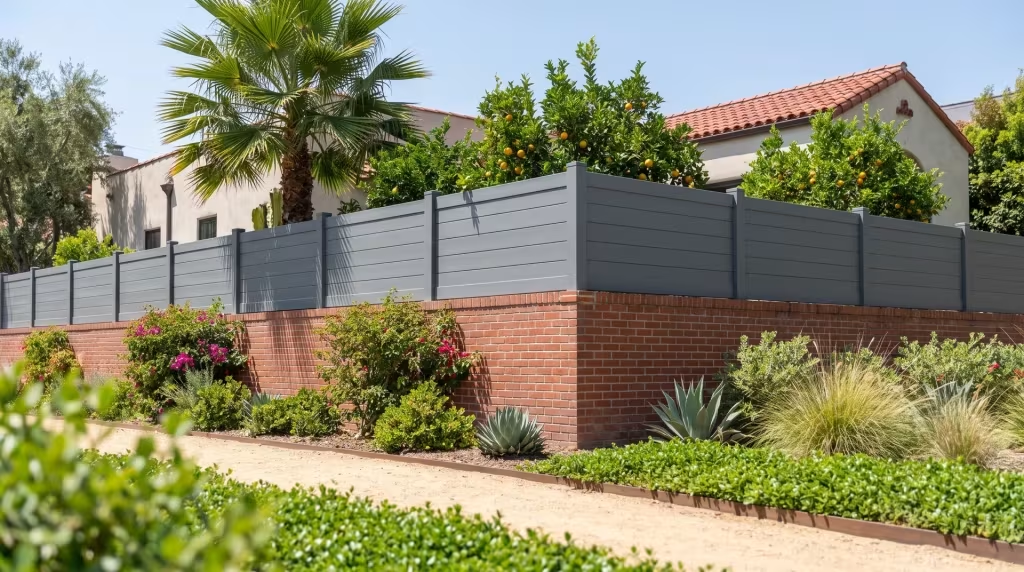
Straight answers on the 2-rail ranch fence
The doubts owners raise about two rails are fair: is it enough of a fence, is it just the cheap option, how low does it sit? Each answer here is straight, from what two rails will and will not do to how posts get set and what moves the price. Missing yours? The crew that builds it will talk it through.
Is two rails enough?
Grab a free on-site estimate and we lay the low line out together.
The lowest, most open post-and-rail fence you can build: two horizontal rails, milled from vinyl, carried on posts with open air above and between them.
It reads as ranch, its job is to mark a boundary you can still see straight over, and no third or fourth rail closes the gap.
Lower than any other ranch count, which is rather the point of it. There is no single stock height, though.
We size the run to your property and to any permit limit right at the site visit, then build to that number. If you want more height and more hold, a 3-rail or 4-rail line stands taller.
When you are after the ranch look and a property-line marker more than maximum hold: a low accent along a yard edge, a driveway, or a big lot.
For everyday containment, three rails is the usual pick; for heavy stock or a tall estate line, four is the count; and the decorative X is the crossbuck.
A marker, plainly. Two low rails offer no privacy, contain no small pet, and cannot be trusted around livestock.
They fall short of pool code too, which wants a child-proof enclosure on a self-latching gate. For real screening, pair a picket or privacy run beside it.
Yes, in concrete, and less of it than any other ranch count. A 2-rail post sits 24 inches down, the shallowest footing in the family, since a line this low and light asks little of the ground.
The rails then lock into routed slots in the posts, so no bracket or screw shows on the face.
Yes. With the fewest rails, it draws the least material and labor of any count, foot for foot, so it sits at the budget end.
That is a factor, not a set price, though. What you pay moves with the run length, height, gates, terrain, and any old-fence teardown. The on-site estimate is free.