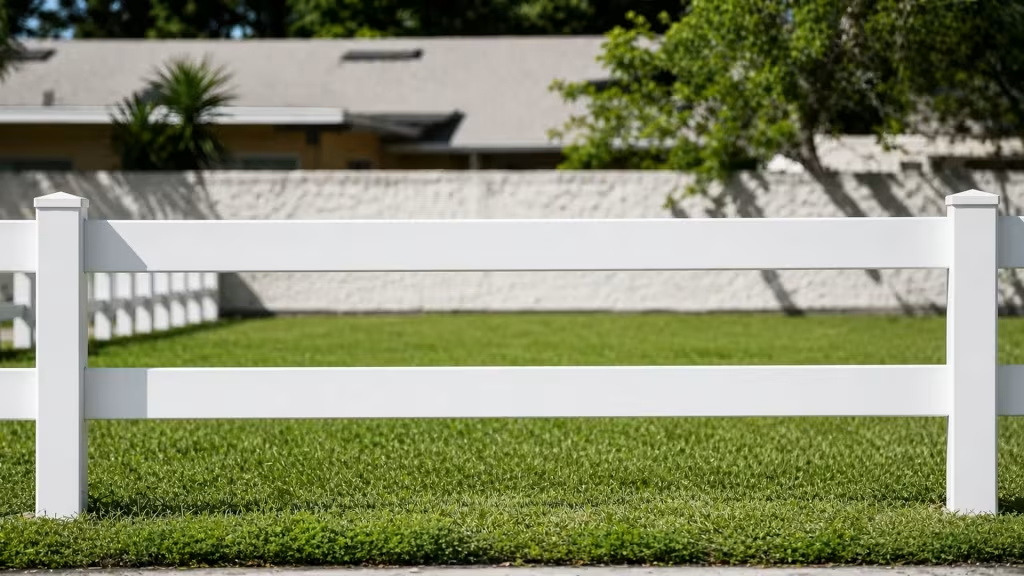
2-Rail Vinyl Ranch Fence
Two open rails on low posts mark the property line while the view runs clean over the top.
Call Now: (844) 744-0707

A 4-rail vinyl ranch fence runs four horizontal rails between the posts, the tallest, densest line in the ranch family, marking a substantial boundary while the view carries through. We build and custom-fabricate every run.
Four rails is the count for real containment and a tall estate line, and we help you weigh whether it suits your livestock or your acreage before a post goes in. Our 5.0-rated, licensed crew installs across Greater LA and the Bay Area, with 500+ five-star reviews earned since 2018.
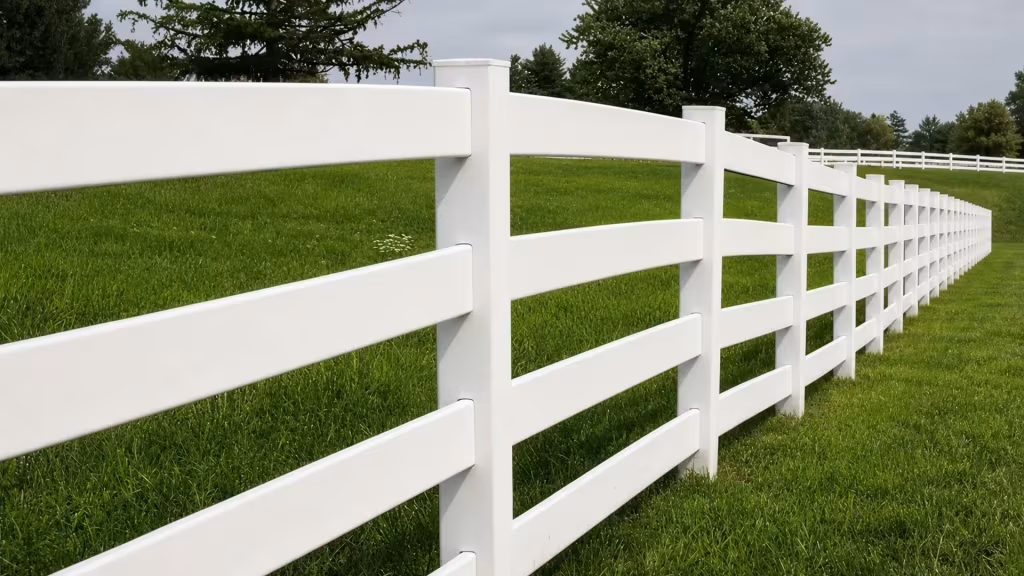
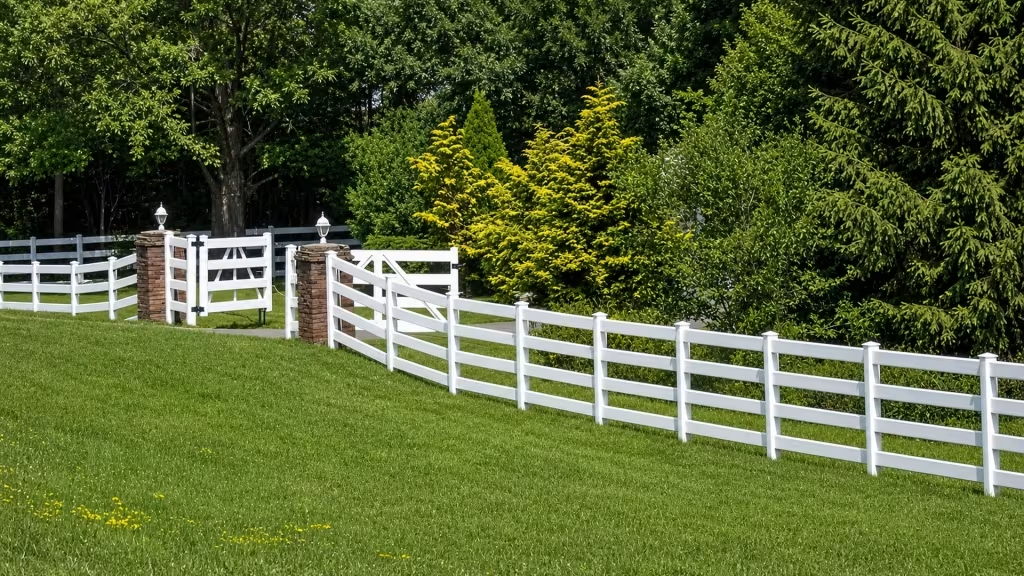
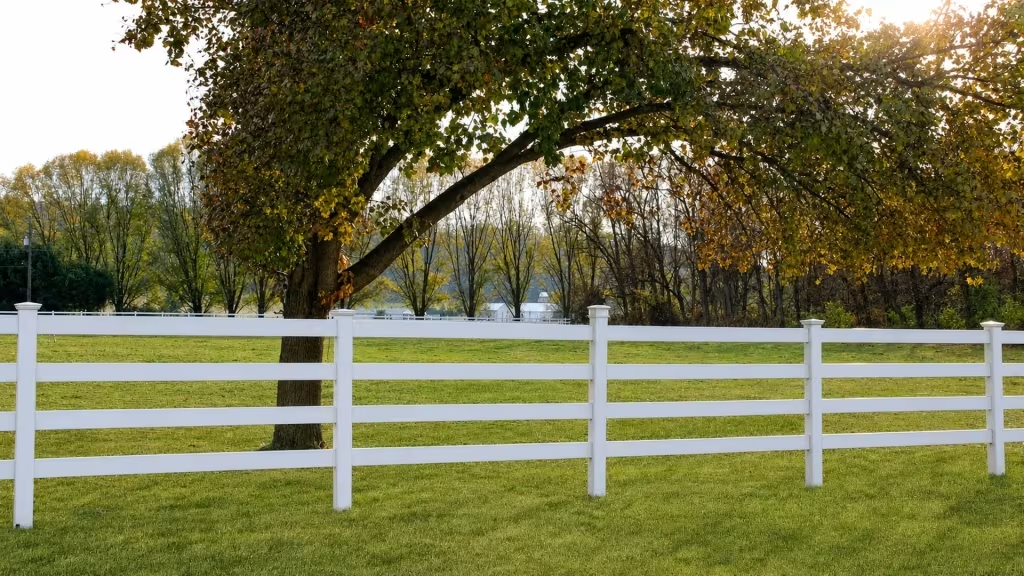
Four rails give you the tallest, densest straight ranch line, the count built for heavy livestock, cattle, and big estate boundaries.
Before a post goes in, we make the honest call on whether four rails is your count or a step down suits you better, then sink the run into the deepest footing of any straight ranch build. The guidance holds from LA horse country to a Bay lot.
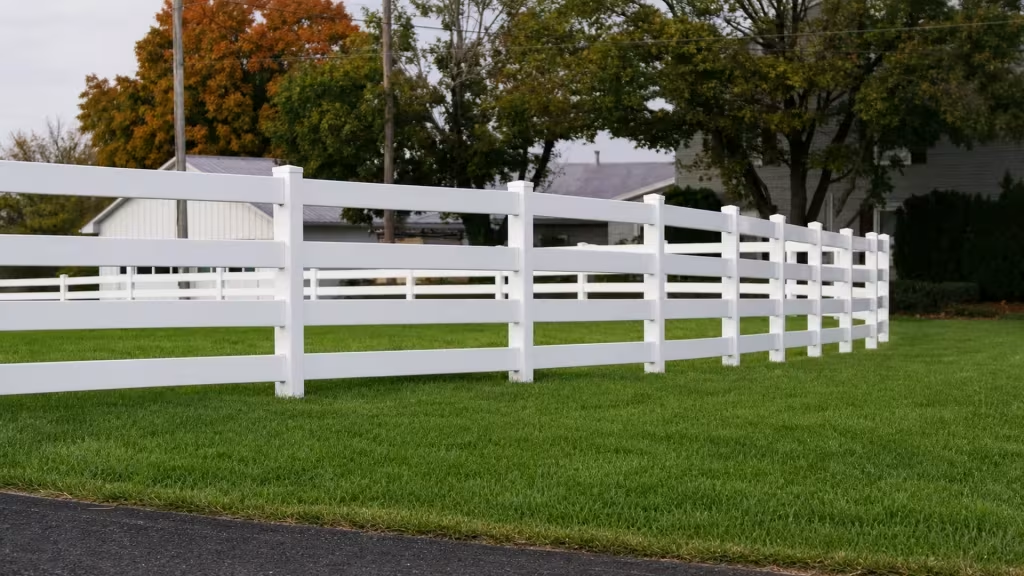
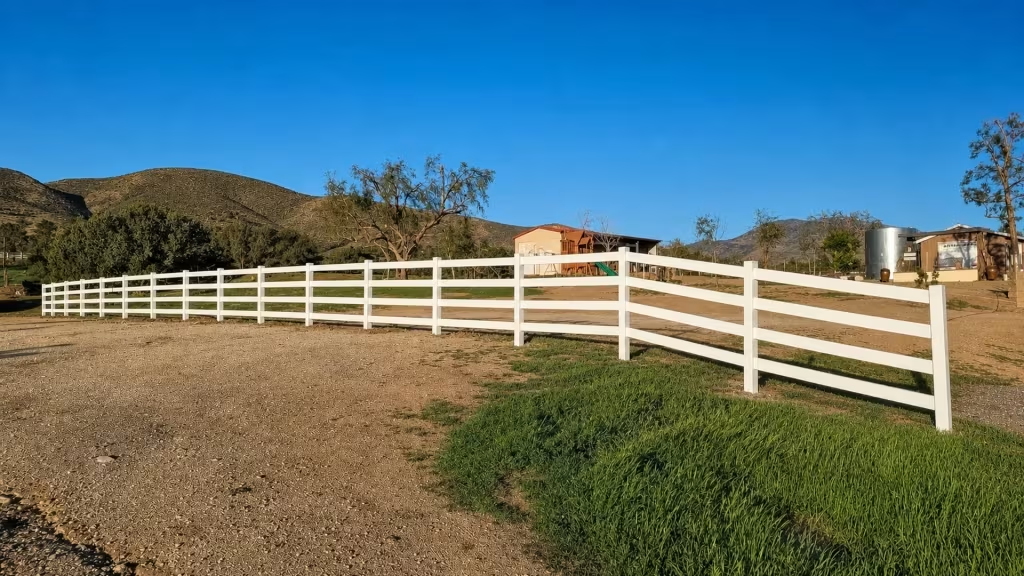
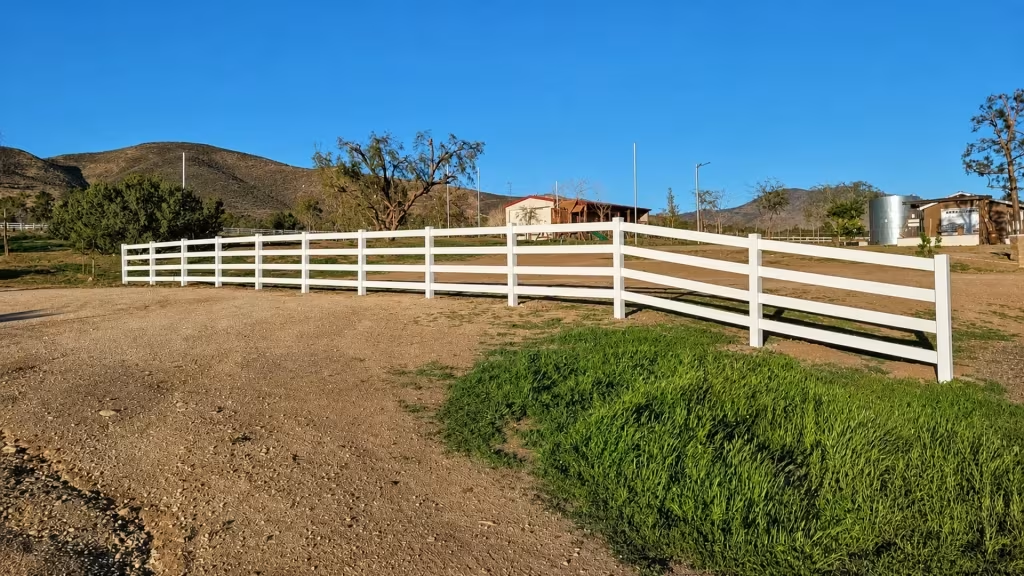
Four horizontal rails riding on evenly spaced posts, with nothing filling the gaps, is a 4-rail ranch fence, the tallest and most-filled of the straight ranch counts. It still reads as open, marking a line without shutting off the view.
Ranch rail sits in the wider post-and-rail family, the clean milled vinyl version rather than rough split cedar; vinyl ranch rail fencing takes in that whole family. Four rails just fill the open frame more than a two or three-rail run, which is why owners reach for it.


Pick four when containment matters most and you want the tallest, heaviest straight line: heavy livestock traffic, cattle, big animals, or an estate boundary with real presence. After the everyday horse-and-property line?
Three rails usually does it, and that is the build we set most often. Want a low, decorative edge on a smaller lot? Two rails cover that. Set on the decorative X? That is the crossbuck. We match the count to what your land is doing, then build it.
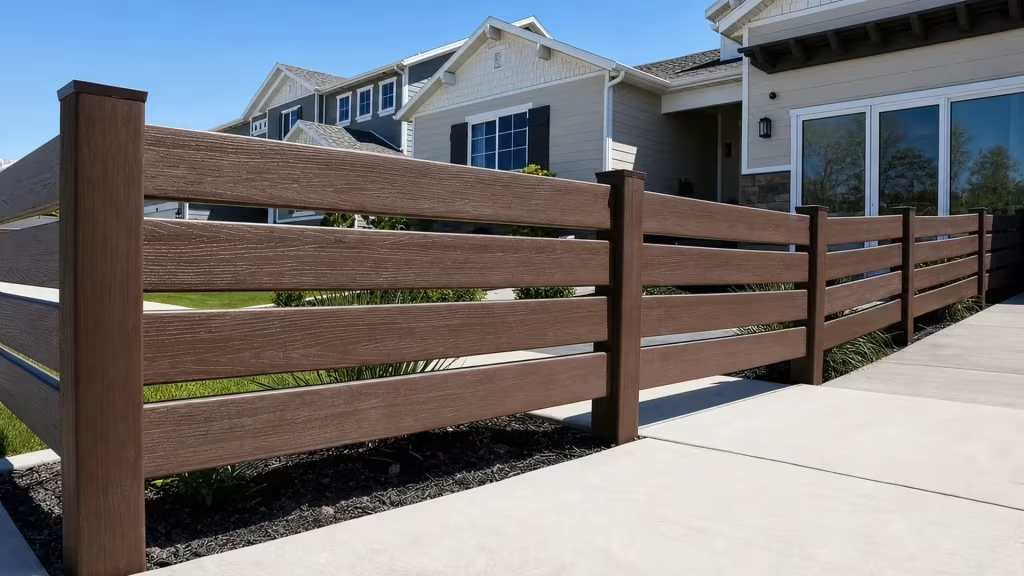
To build a 4-rail that stays put, we begin at the posts. Each rail threads into slots machined into them, a build called route-and-lock, clean-faced with no exposed hardware.
Four rails carry the tallest, heaviest line, so the footing runs deepest of the straight counts: a 4-rail post drops about 36 inches into concrete, against roughly 30 for a 3-rail and 24 for a 2-rail. A drive-post kit suits a quick, temporary run; poured concrete holds ours square for good.
Standard posts are routed 5x5s, or a lighter 4×4 on low decorative lines, the rails milled to 2.5 by 4 inches, then set 96 to 98 inches apart on level ground. If the finished height needs a permit, we say so up front, and it is filed to you; on a shared boundary, state law asks you to notify the neighbor in writing first.
What it costs comes down to the length, the rail count, height, gates, slope, and any teardown, so you get a phone ballpark and a firm figure after a free visit.
Yes. The brittle-vinyl warning traces to hard freezes and freeze-thaw cycling, weather our LA and Bay winters never bring. The real long-term test here is sun and heat, and in our experience a quality UV-stabilized vinyl rides that out without fading or going soft. Wood still looks handsome and metal holds its own; we sell both vinyl and aluminum and lay the trade-offs out plainly.
A 4-rail earns its place two ways. On a working spread it is the containment count: for heavy livestock or larger animals, we usually run a cribbing deterrent or an interior hot wire alongside it.
Away from animals, that tall, dense line is the ranch style’s boldest statement, good for long driveways, front pastures, and ranch-style acreage on big lots in either market. The rails stay splinter-free and untreated, and the open spacing lets wind pass through.
The tallest, densest straight count is still an open rail fence, so name its limits up front. It gives you no privacy and will not fence in a small dog or cat: more rails add containment for big animals, not tighter screening for small ones.
It is no pool barrier either, since state pool law wants a hard-to-climb enclosure, spacing no child can slip through, and a self-closing latch. Horses may still gnaw and crib the vinyl, and that damage sits outside the warranty on every rail count. Where you need screening, add a privacy or picket style.
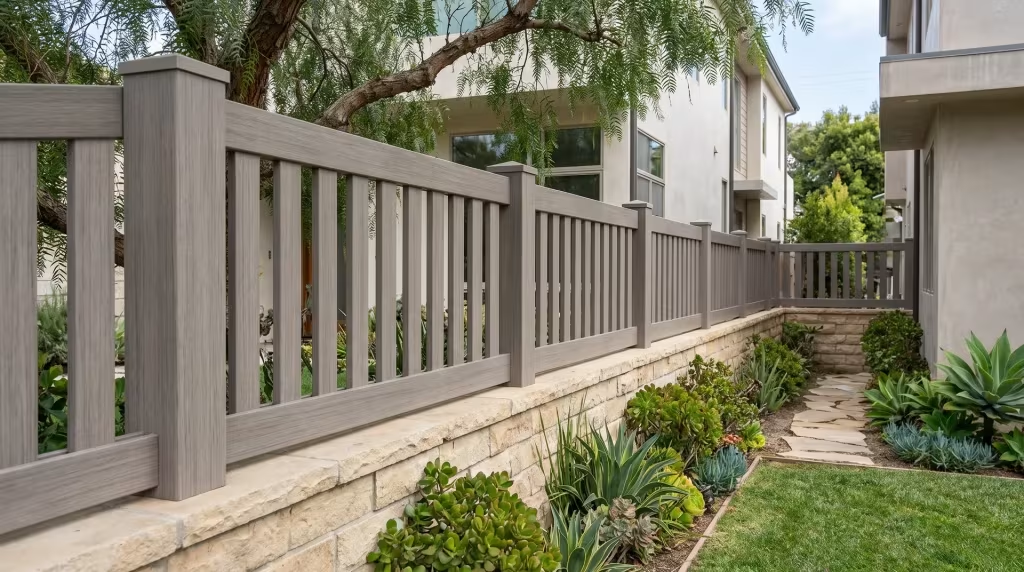
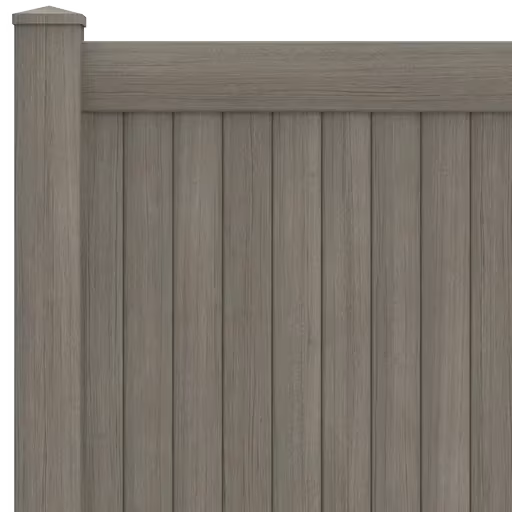
Four bands of rail put real surface in front of you, and surface is where a darker choice earns its place. Dark Walnut and Dark Sequoia sit in the grained group for that reason. Solids stay plain if plain is what you want. Textured blends land between, rough enough to pass for lumber.
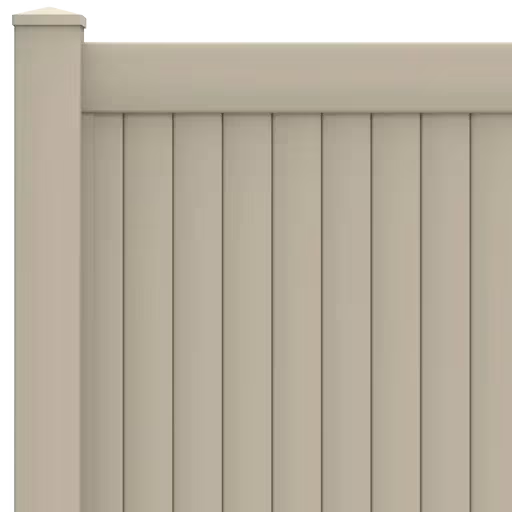
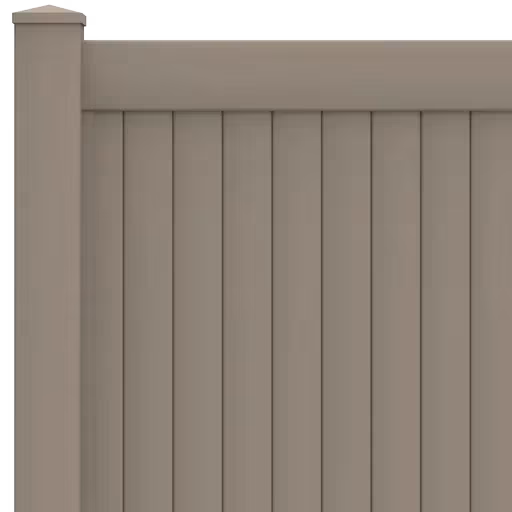
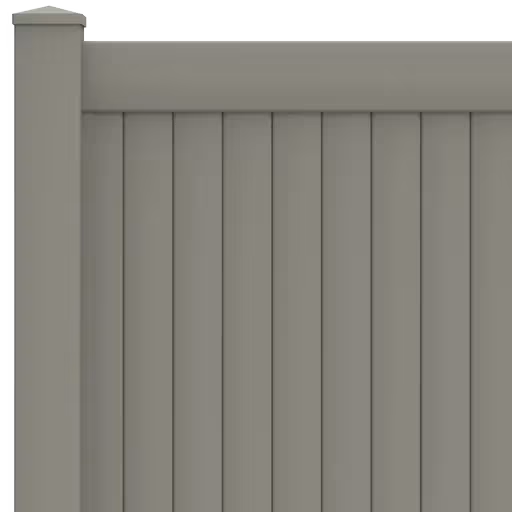
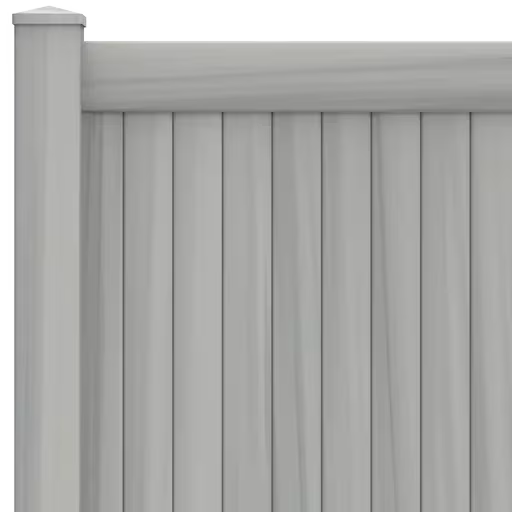
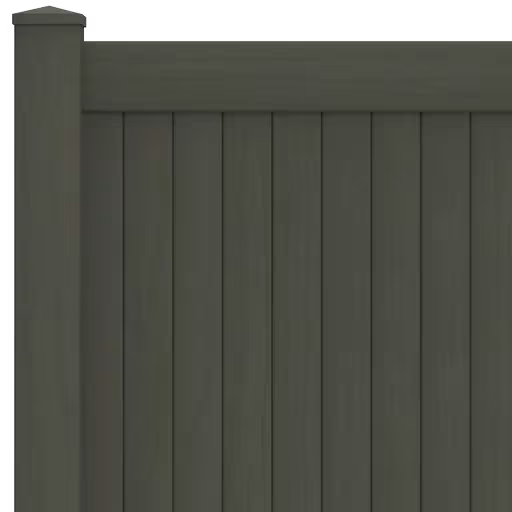
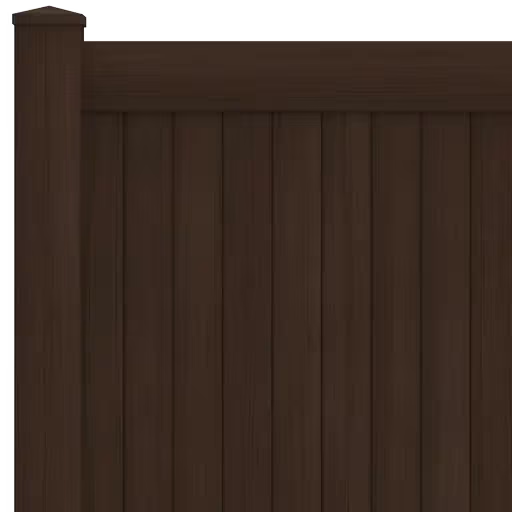
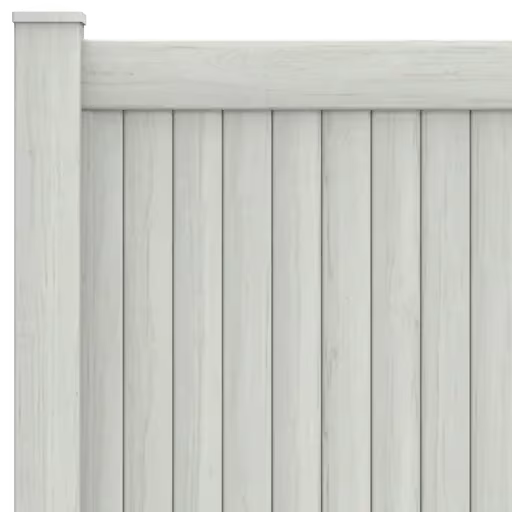
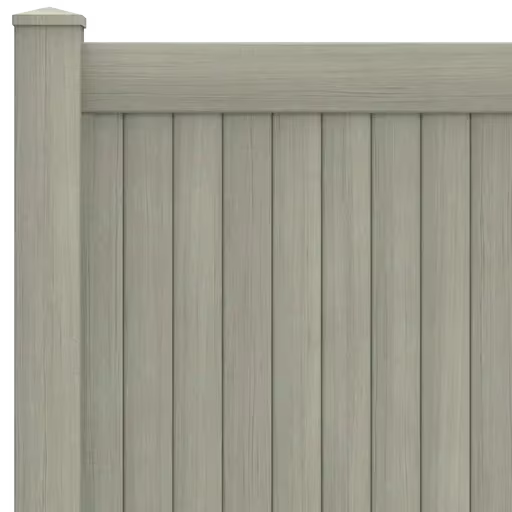
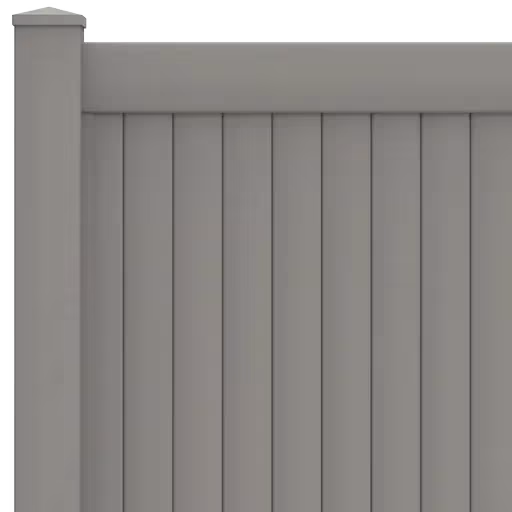
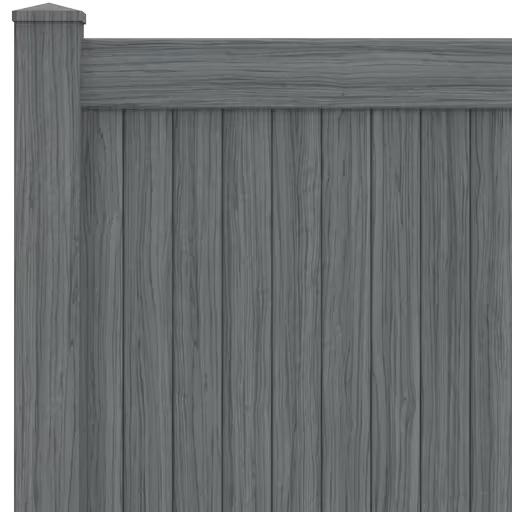
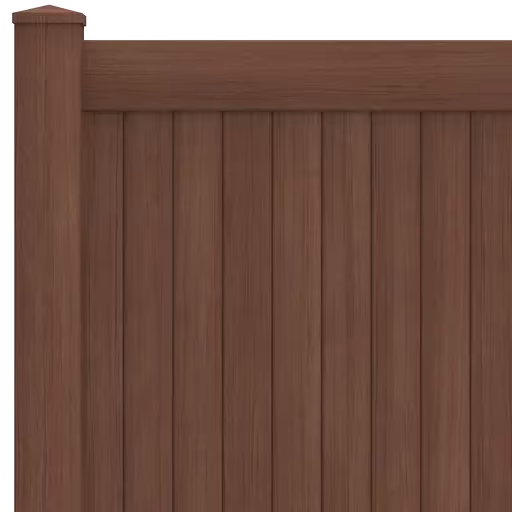
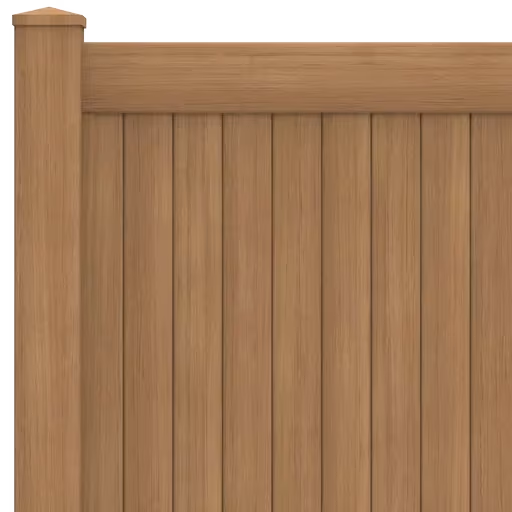
Pro Vinyl and Aluminum Fencing partners with Catalyst, one of the leading vinyl fence manufacturers in the United States. Their US-made vinyl, our custom fabrication and installation, backed by a transferable limited lifetime material warranty.

Livestock lines share a property with other work: an entrance wide enough for a truck, a screened stretch near the house. Estate jobs usually want two or three of those, and the fabrication behind all of it happens in one shop.
Two open rails on low posts mark the property line while the view runs clean over the top.
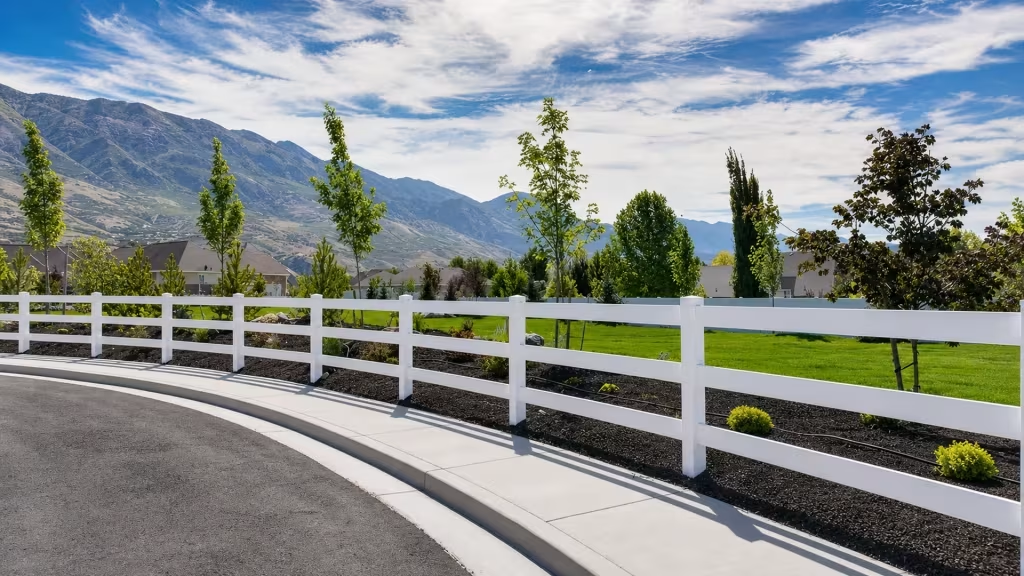
Three evenly spaced open rails give the classic ranch look most owners choose, marking the line without blocking the view.
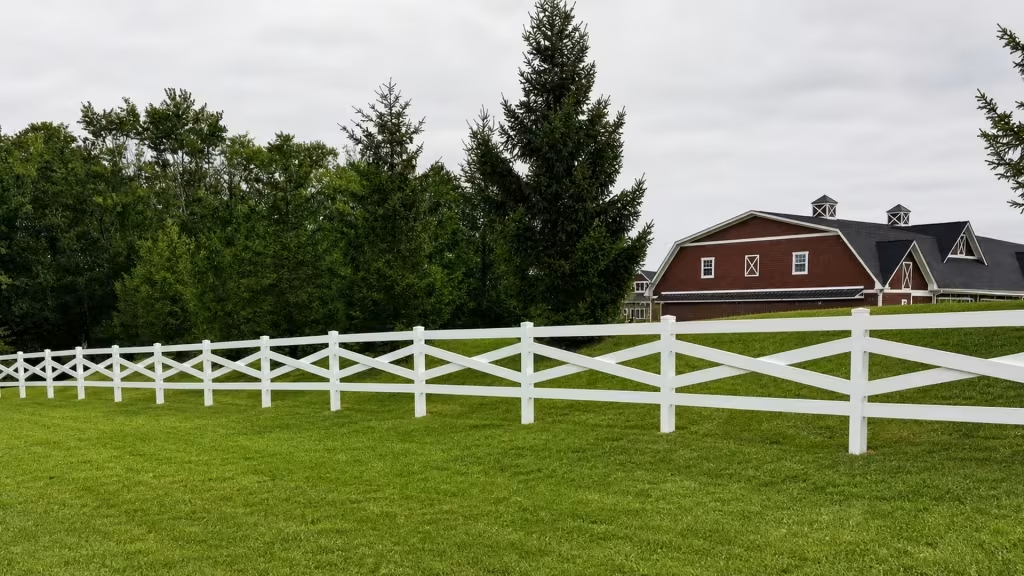
A decorative diagonal X crosses the open rails for the rustic ranch look, without the rot or splinters of wood.
Levon is the greatest we got our fence delivered by him and he was great patient explaining what each piece is and even shared how we can save time by how we set it all up! He was thorough and very knowledgeable about it all! Great personality!
Very happy☺️

From start to finish, our project was a dream. Kevin came to our property and was thorough, informative, and came in with the best price as well. The workers who installed were also fast, professional, and so quick! The fence looks insanely great and would recommend this company to anyone, no questions.

Thank Pro Vinyl fencing for sending Levon and Edvin to our home to install this beautiful vinyl fencing. They were great to work with and had fantastic craftsmanship and took pride in their work. We are very pleased with our fence.

Mike and team were incredible! I honestly can’t recommend this them enough. Competitive pricing, extremely knowledgeable, but most importantly kind & professional. So happy with the process from beginning to end.
Being able to have an additional area for my kiddo to run around has been an incredible investment.

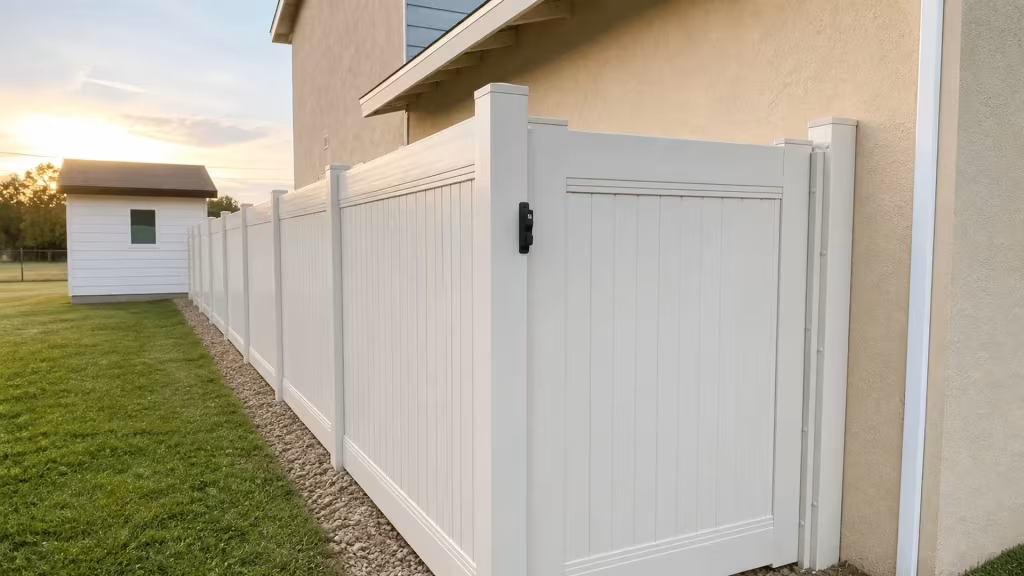
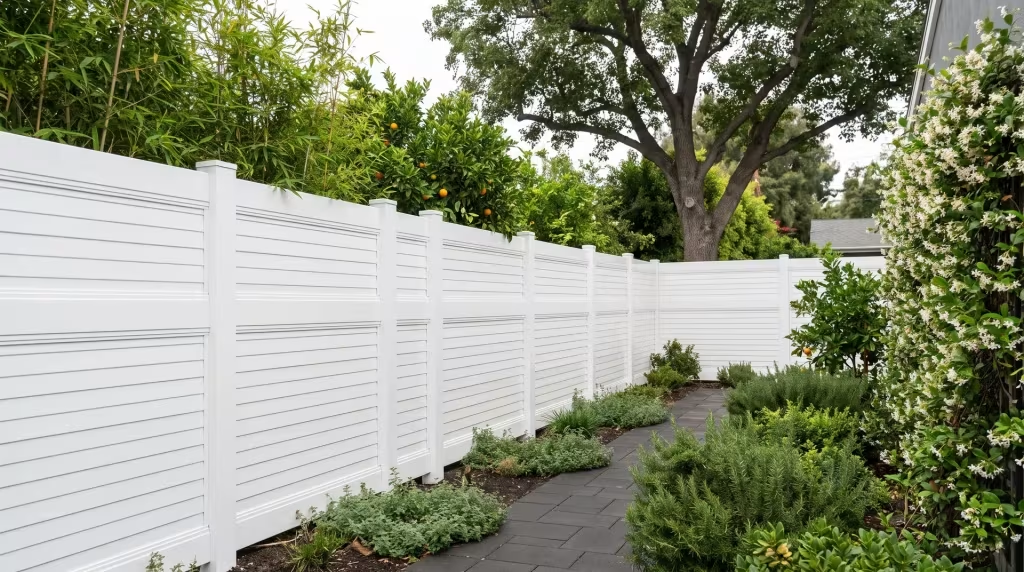
What you’re looking at are real vinyl 4-rail jobs our crews finished on working and residential lots in our area. Watch how tall the four-rail line stands, how the runs carry, and the color each owner picked, from crisp white to deep woodgrain, then place it along your own frontage.
Throughout Greater Los Angeles and out into Ventura County, we build the 4-rail for two very different buyers: the horse and cattle owner fencing paddocks and pasture, and the homeowner on a large ranch-style lot who wants that tall line drawn cleanly across the front. Same crew, whichever one is you.
The Bay Area is a newer market for us, and we will not claim a track record we have not built yet. What travels north is the same crew and in-house shop work, on a 4-rail edging an acre or fronting a ranch-style home. Height and permit rules shift by county here, so we build to what your parcel needs.
A 4-rail install runs in four clear stages. Nobody chases you for a decision, and no surprise item ever hits the bill after you sign. You settle the rail count, the height, the color, and the price with a salesman before we break ground.
Four stages, each signed off with you, opening at a free estimate and closing when we hand over the finished fence.
A salesman measures on the property, checks whether four rails is your count, and gives a firm figure on the spot.
You get a written contract covering height, gates, color, scope, and price, plus ground prep and any teardown up front.
Posts sink into concrete, the routed rails slide into place, we cap the line and sweep the site before heading out.
The vinyl holds a transferable limited lifetime warranty; we back our workmanship another 5 years, plus a few care tips.
Guides to rail counts, footings, and keeping vinyl looking sharp for years, from the crew that installs it.
Cedar-style vinyl fencing gives a Los Angeles yard real wood grain texture without the upkeep wood demands.
Fences blog
Four-rail vinyl ranch fences: what buyers ask
Straight answers the kit sellers tend to gloss over: what four rails actually buys you, how to weigh four against three, how far the posts go down, and what really shapes the final number. Miss your question? The same crew that would install it will pick up the phone and talk it through.
Not sure four is right?
A free quote, no pressure, and we'll walk the whole layout with you.
A four-rail ranch fence is a post-and-rail run carrying four horizontal rails, the tallest and densest of the straight ranch counts.
It draws a firm boundary while keeping the open, see-through look, marking a line without ever closing the view off.
Go with four when you need maximum containment or the tallest, densest line: busy livestock, cattle, big animals, or a large estate boundary.
Fencing an everyday horse or property line? Three rails usually fits; for a low ornamental run, two rails is the one.
Yes, for busy livestock and larger, stronger animals, four rails is the count that contains best.
On a high-traffic paddock we will often add a cribbing deterrent or an interior hot wire, since a determined horse can still chew and crib vinyl, and that damage is not covered under the warranty.
About 36 inches down, set in concrete, which is the deepest footing among the straight counts, because the tallest and densest line needs the most hold.
From there the rails feed through slots routed in each post, a route-and-lock method that shows no bracket or screw on the finished face.
No. Even at four rails it stays an open fence, so privacy is out and it will not contain a small animal.
Extra rails buy more hold on big livestock; the gaps stay far too wide for small pets or for pool-barrier rules. For screening, run a privacy or picket style alongside it.
Several things move it: the length you fence, the rail count, height, gates, how the ground slopes, whether an old fence must come out, and what the soil turns up.
A phone call gets a rough range; the real figure waits on a site visit. The estimate is free, with no pressure to sign.