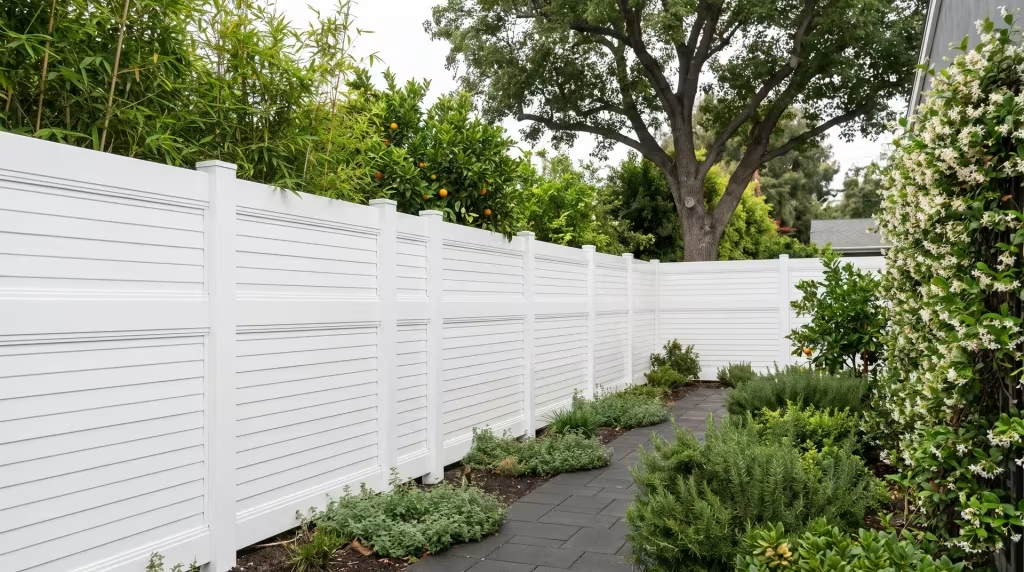
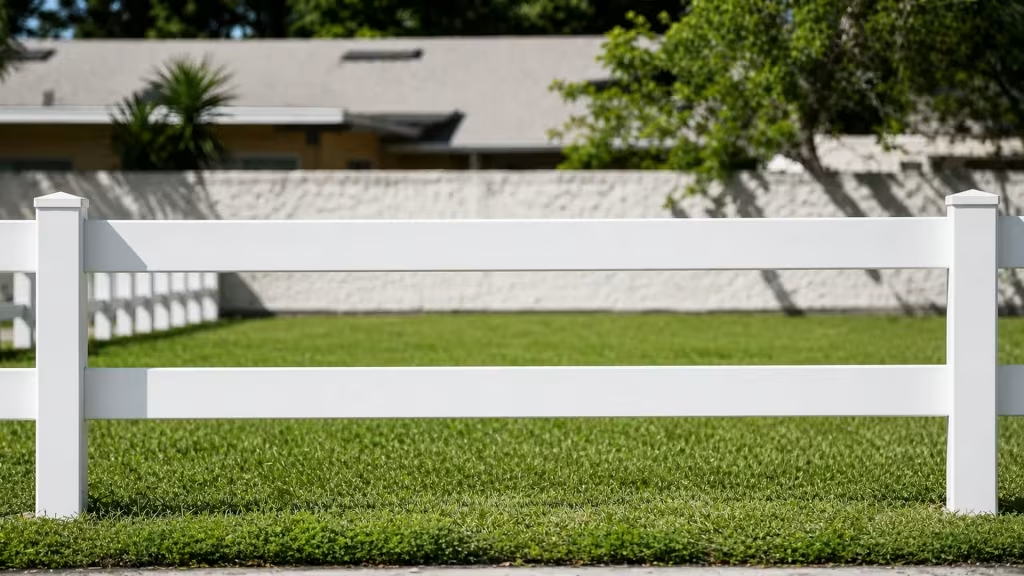
2-Rail Vinyl Ranch Fence
Two open rails on low posts mark the property line while the view runs clean over the top.
Call Now: (844) 744-0707

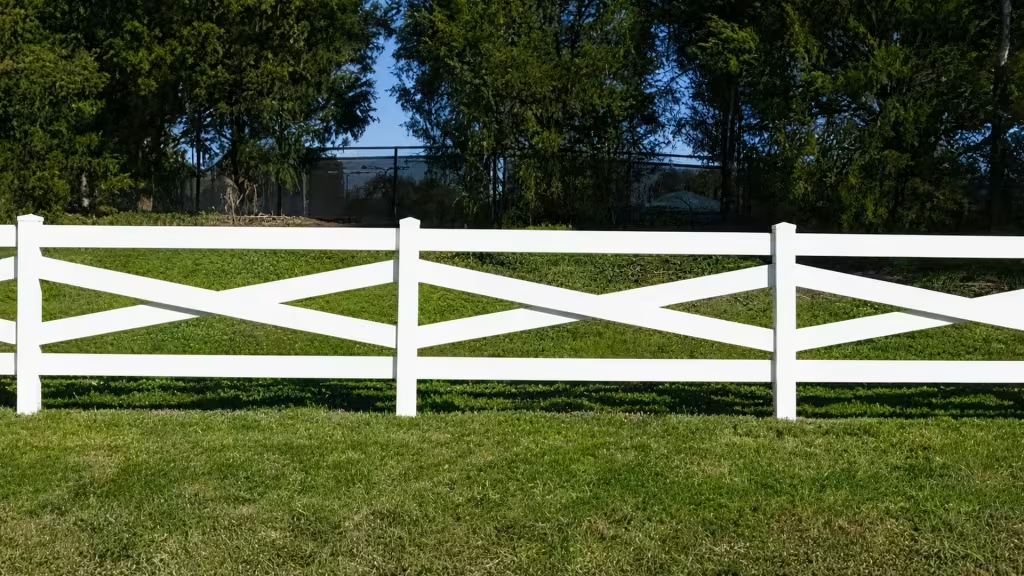
A crossbuck vinyl fence is an open ranch, post-and-rail fence with a decorative diagonal X between the horizontal rails, the rustic ranch look with none of the rot or splinters of wood. We build and custom-fabricate it locally.
Most crossbuck pages online sell a ship-it-yourself kit or a single brand. Here you get straight talk on whether the X fits your property, plus a licensed local crew across the LA and Bay Area markets, and 500+ five-star reviews behind the work since 2018.
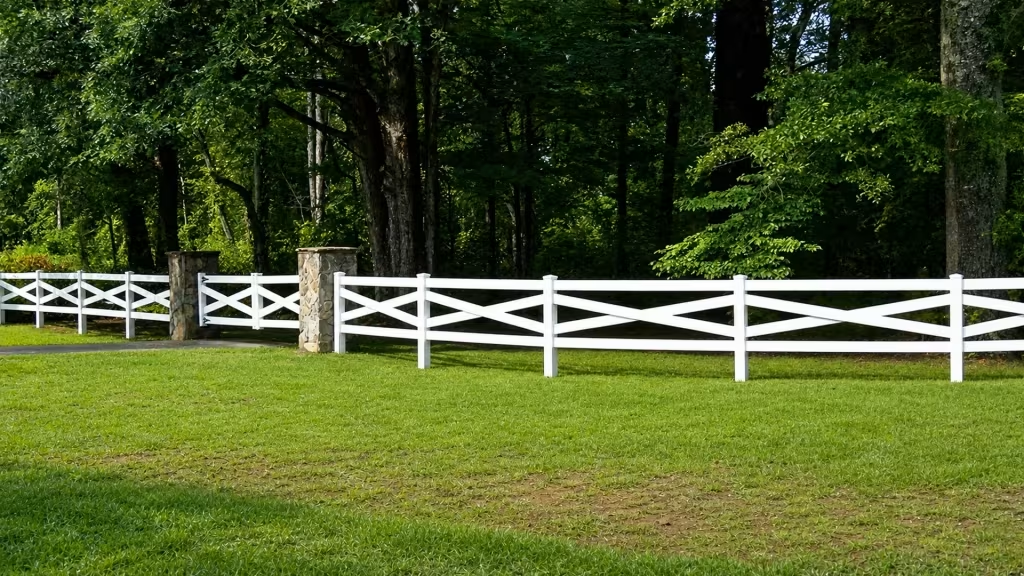
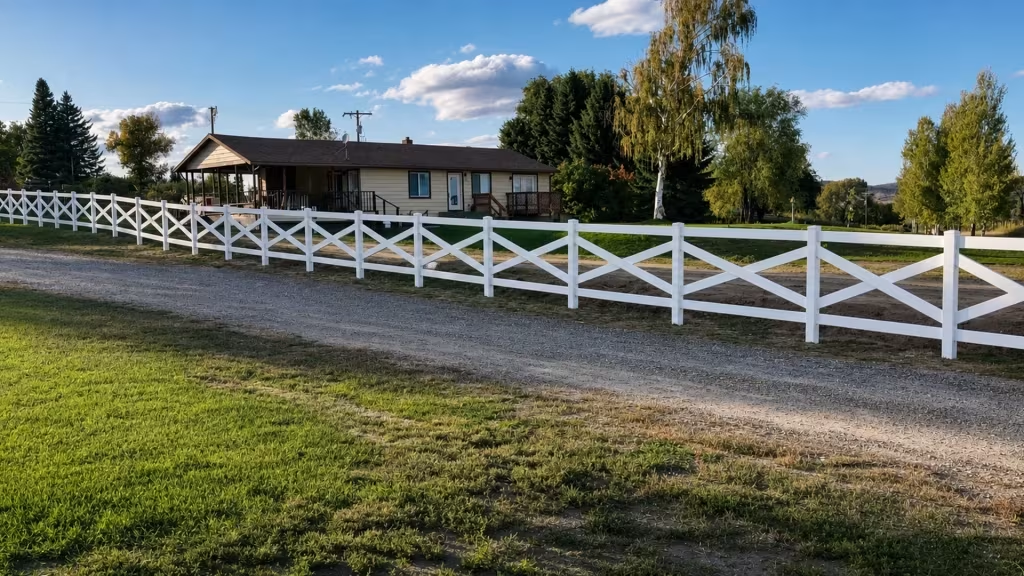
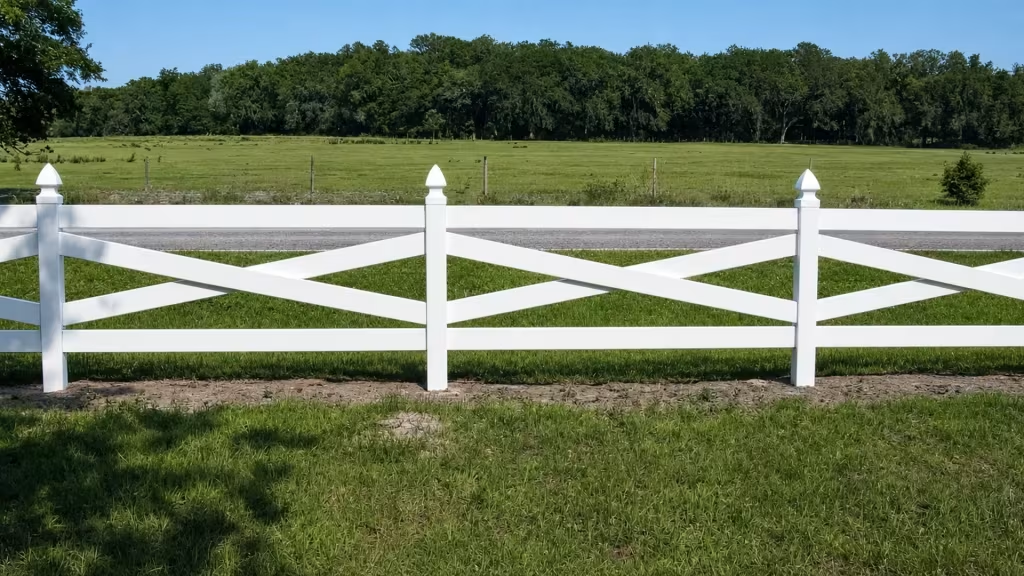
The crossbuck is the decorative X between the rails on a ranch fence, a look that suits horse property and ranch-style homes alike.
We build the vinyl crossbuck, tell you plainly what the X does and does not do, and set every post in concrete for a fence that stays put. It is the same honest read whether you fence a pasture in Los Angeles or a large lot in the Bay Area.
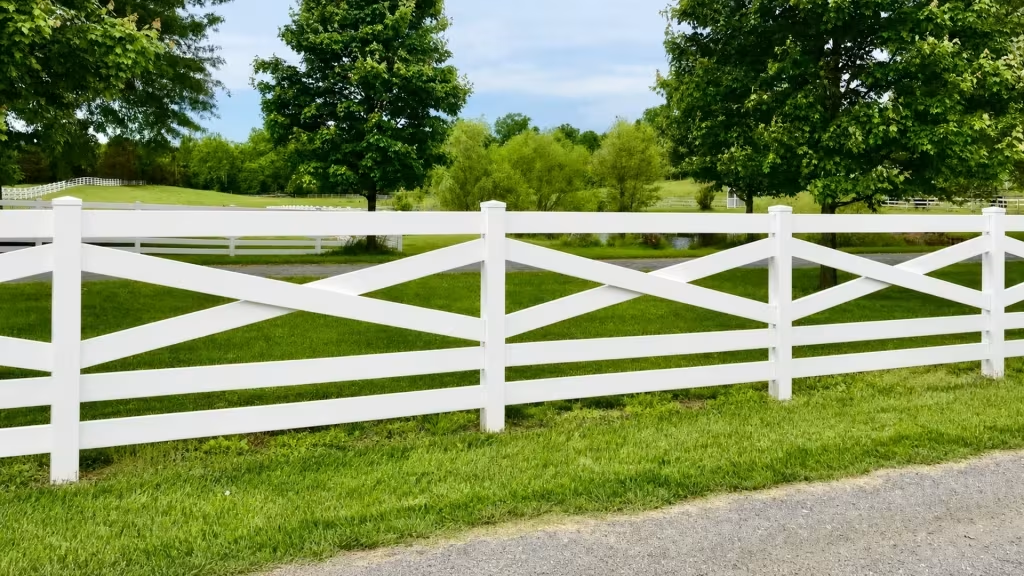
A crossbuck vinyl fence is an open ranch, post-and-rail fence with a decorative diagonal X between the horizontal rails. The X gives you the rustic ranch look with none of the rot or splinters of wood, and the fence stays open, marking a line rather than filling it in.
Crossbuck refers to that crossing pattern itself, and it can sit on any rail count. Ranch rail, the version we build, is clean milled vinyl in even lines, unlike the rough split cedar of a split-rail fence. The wider post-and-rail story is vinyl ranch rail fencing itself.


Pick the crossbuck when you want the decorative X and the statement it makes at a boundary. Pick a plain straight rail count when you want the simplest open look or the most containment for the money. The X is a styling choice layered on a ranch fence; the rail count is a separate call about height and spacing. Each count carries its own heights and spacing, whether the straight build runs 2, 3, or 4 rails.
We build the crossbuck the permanent way. Rails and crossing boards feed through holes routed into each post, the method we call route-and-lock, so no bracket or screw ever shows on the face.
Every post is set in a concrete footing, the real split from the kits sold online: a no-concrete, drive-post crossbuck is fine for a quick, movable line, but we concrete-set for a fence that holds square and steady in wind. A standard run stands on 5×5 posts, with a 4×4 for lighter decorative lines; rails measure 2.5 by 4 inches and posts land 96 to 98 inches apart.
A permit only enters the picture at height: in the City of LA a non-masonry vinyl fence needs one only above 10 feet, and unincorporated LA County above 6 feet, so a standard ranch run rarely trips the line. Rules vary by city, so verify with your local building department.
Along a shared line, the state’s Good Neighbor rule expects written notice to the neighbor first. Price turns on the run length, rail count, height, gates, ground and slope, and any old-fence teardown, so we give a ballpark by phone and the honest number after a free visit.
Yes. The brittleness you read about is a cold-weather, freeze-and-thaw issue, and our winters here never come close to it. What actually tests vinyl in Southern California and the Bay is years of UV and heat, and quality UV-stabilized vinyl shrugs that off without yellowing or softening. Wood and metal are honest options too, which is why we carry both vinyl and aluminum and give you the straight trade-offs.
The crossbuck earns its keep as curb appeal. The X reads as a clean statement at a driveway entrance, a ranch-style front yard, or a large suburban lot, and most of the crossbucks we put up never fence a horse.
On working property it still does the classic job: splinter-free rails, no toxic treatments, and open gaps that let the wind pass through. Horses will still gnaw and crib vinyl, so busy paddocks plan around that. The look turns up in both markets, from LA out to the Bay.
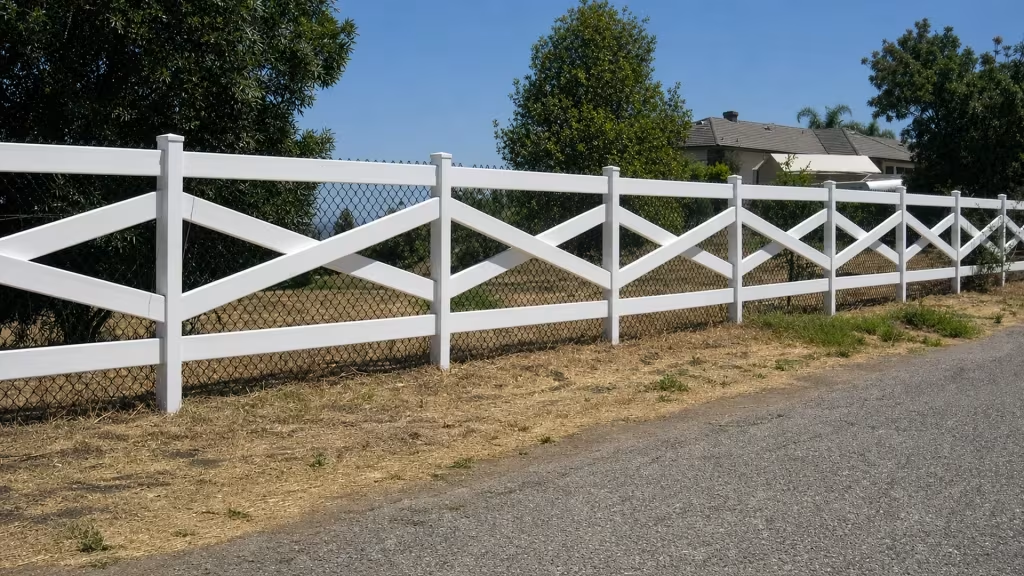
A crossbuck is honest about what open rails can and cannot do. The X is a look, not a security or containment upgrade, so the fence offers no privacy and will not pen a small dog or cat inside. It also fails as a pool barrier: California pool code demands a non-climbable barrier at least five feet tall, fitted with a self-latching gate and gaps too tight for a child, none of which open rails can offer.
The crossing boards are decorative, so we make no strength claim for the X; the fence holds on its routed, concrete-set posts. Animal damage falls outside the warranty, on the crossbuck as on any rail count.
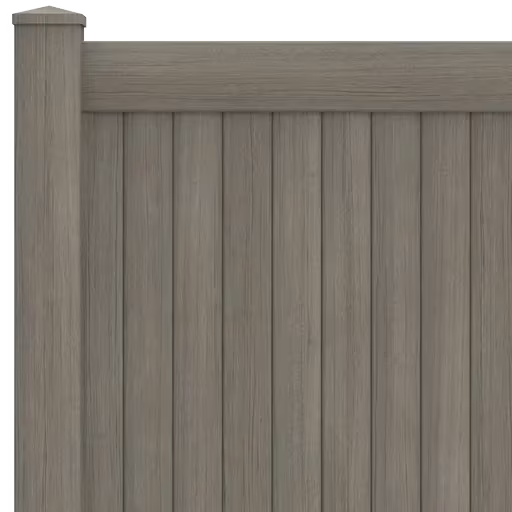
The X sends a finish off at an angle, and the eye follows a diagonal more closely than it follows a level rail. A grained face reads as bracing timber once it turns. Plain solids keep the crossbuck graphic and sharp. The textured group roughens the whole figure instead.
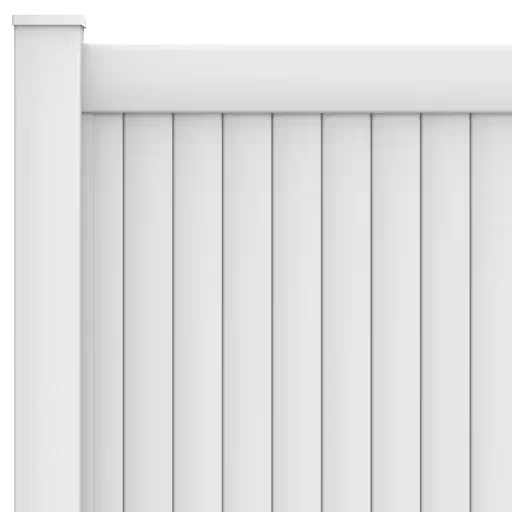
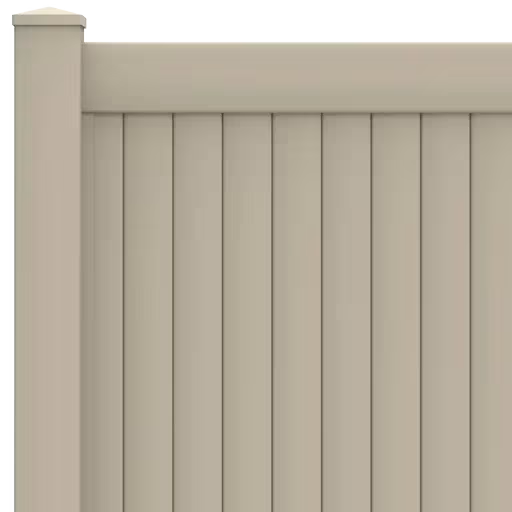
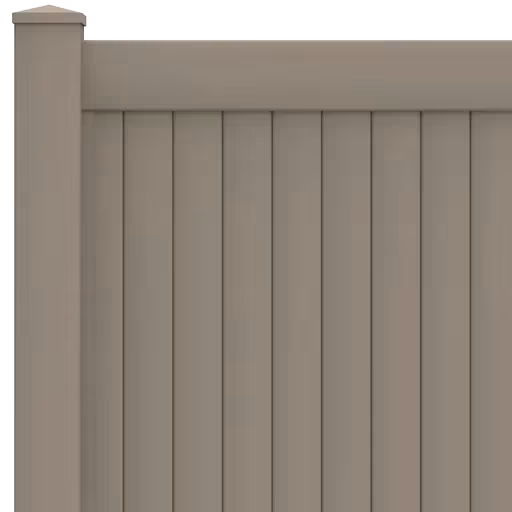
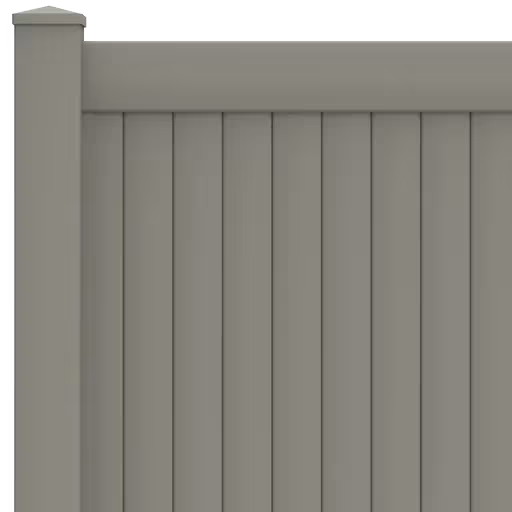
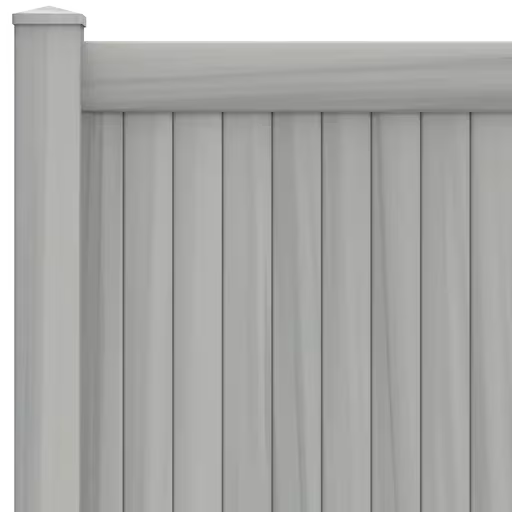
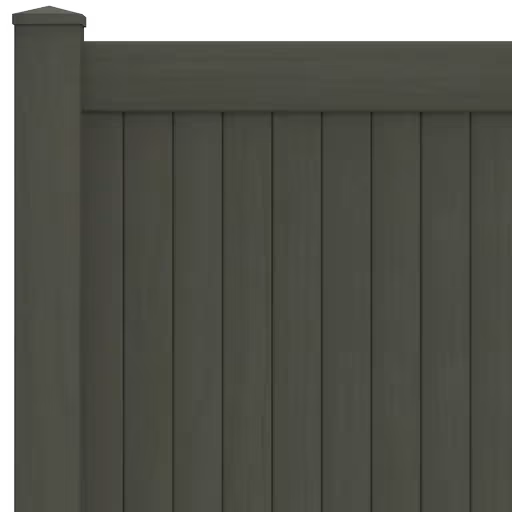
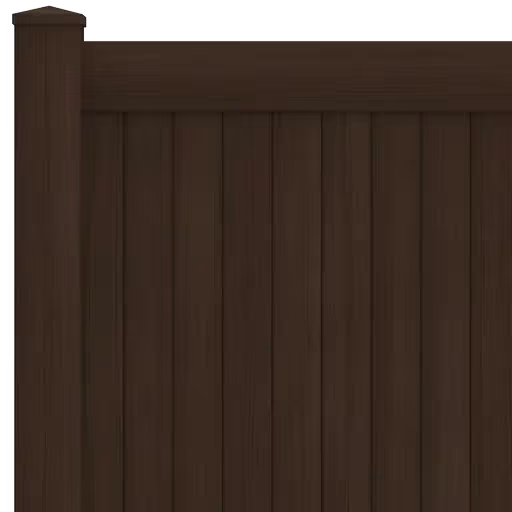
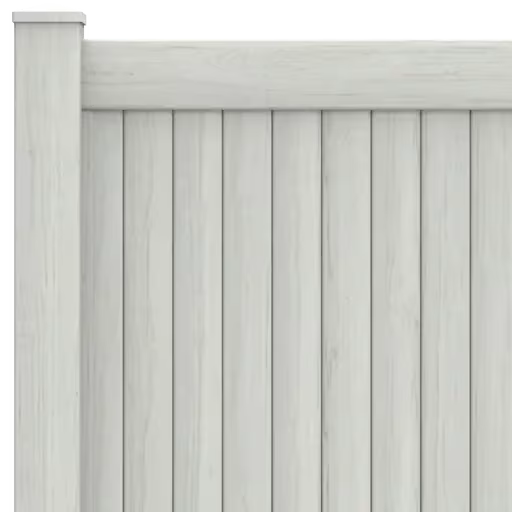
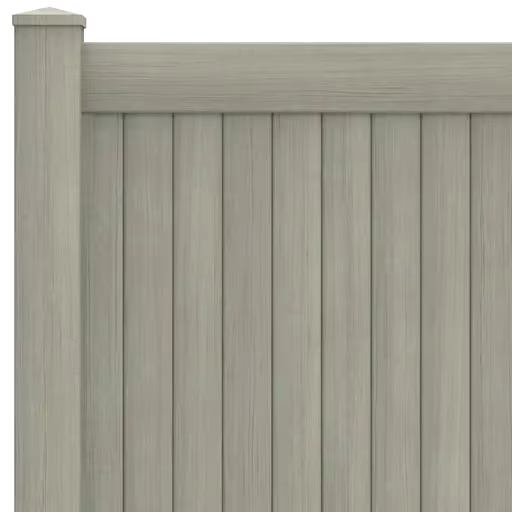
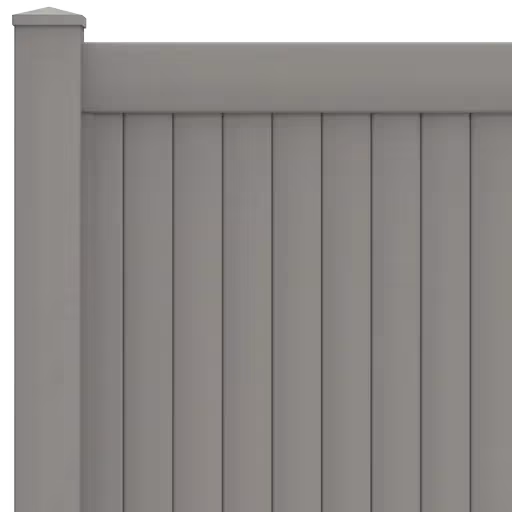
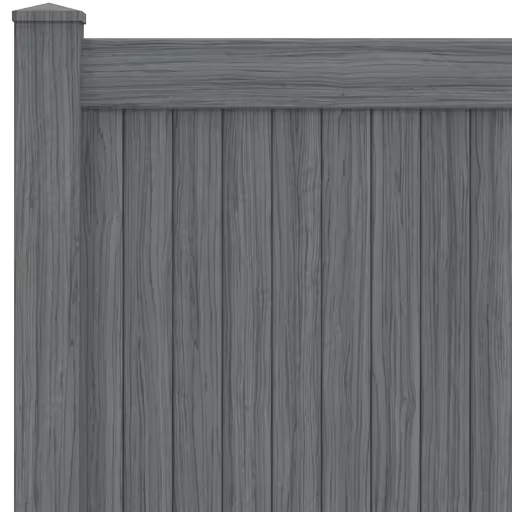
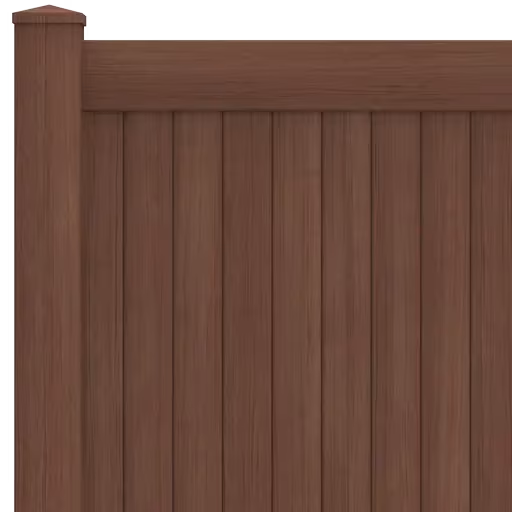
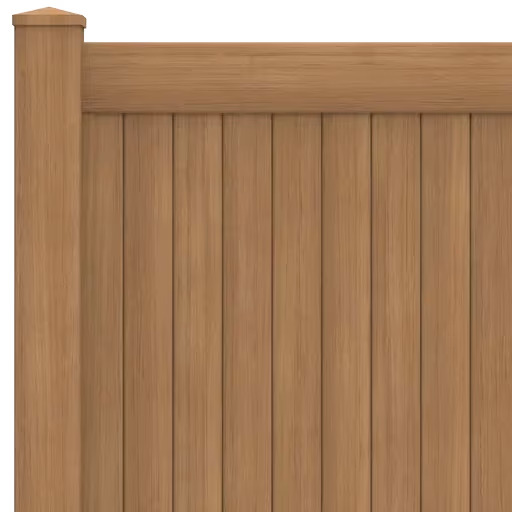
Pro Vinyl and Aluminum Fencing partners with Catalyst, one of the leading vinyl fence manufacturers in the United States. Their US-made vinyl, our custom fabrication and installation, backed by a transferable limited lifetime material warranty.

Decorative work does not end with an X between two rails. Curves, caps and cut tops get made the same way, on styles with nothing to do with horse property, and aluminum brings its own list of shapes.
Two open rails on low posts mark the property line while the view runs clean over the top.
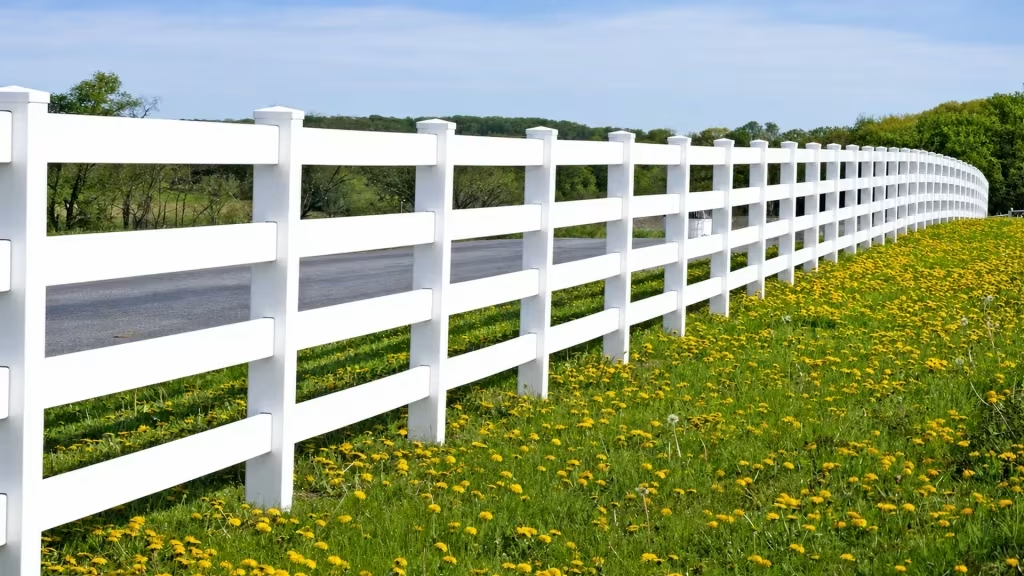
Three evenly spaced open rails give the classic ranch look most owners choose, marking the line without blocking the view.
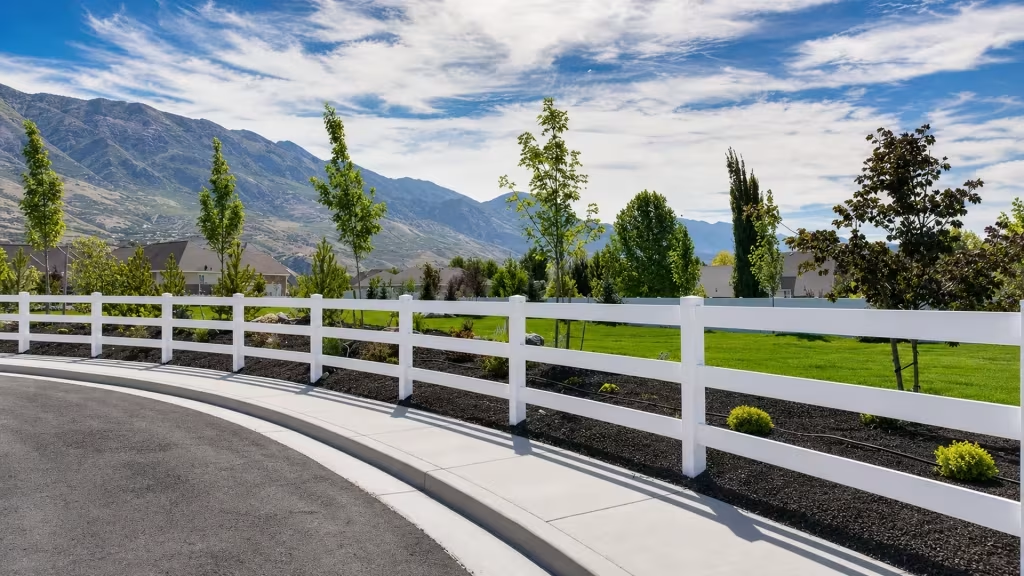
Four rails fill the frame the most of any ranch count, built for real containment on livestock and estate lines.
Micheal Mankyan the representative of Pro vinyl fencing was so amazing, he helped us to get our fence in quickly due to our grandkids visiting. I love our fence! Kind, prompt, professional hard working employees.Julie and Frank Johnson

During the free estimate they pointed things out to do. We had a stump in the way which would make the installation uneven. They waited till we could have it removed, and had the job done in one day. Very clean, polite, and efficient crew that showed up, and left it cleaner than they found it.
Very happy with the job they did.

We are all very happy. They really did an excellent job!!! Nairi, thumbs up for you, very professional young guy. thanks for giving us discounts when we paid in cash. and of course to the installers Agassi and I forgot the name of the other guy. Both of you are great 👍 thank you again👏🏼

Fast and reliable service. Great Price. LOVED the finished product.
Beautiful job and the installers were very fast and cleaned up everything to perfection, including washing down the entire fence and gate with cleaner and water to make sure it was super clean before leaving. They were super nice and finished in a very short time. LOVE IT!!!
Every fence here is a real vinyl crossbuck or cross-rail our crews finished for property owners in the areas we serve. Notice the X running between the rails, the rail counts beneath it, and colors from clean white to woodgrain, then imagine that same line drawn across your own frontage.
In Greater Los Angeles and Ventura, the crossbuck turns up on working horse property and on ranch-style suburban streets alike. Some owners run it along acreage; plenty just want the X to mark a driveway or a clean front boundary. Either way, you get one crew and one concrete-set build.
In the Bay Area, you get the same crew and the same custom fabrication, whether the crossbuck lines a wooded, large-lot property or fronts a ranch-style home. Fence and height rules run differently here than in Southern California, so verify yours with your local building department, and we build to it.
Here is how a crossbuck job runs, from the first measure to the final post cap: no pressure, no salesman who disappears, and no add-ons after signing. Before anyone breaks ground, the rail count, height, color, and price are settled with you.
Four steps, start to finish, and at each one you know exactly what is happening and what comes next.
On the first visit, a salesman measures, walks the line, and says plainly whether the crossbuck X suits your look.
A written contract lays out scope, gates, height, color, and price, plus ground works and any teardown, before we dig.
Posts go into concrete footings, the routed rails and X-boards slide home, then we cap it and clear the site.
Vinyl gets a transferable limited lifetime warranty, and we back our workmanship a further 5 years, plus care tips.
Guides on the crossbuck look, rail counts, and keeping a vinyl fence bright, straight from our team.
Vinyl awnings block sun and rain for a Los Angeles property without the rust or rot metal and canvas covers pick up.
Fences blog
Crossbuck fences: your questions answered
These are the straight answers a kit seller tends to skip: what the crossbuck X actually is, whether it adds any strength, how the posts get set, and what really moves the price. If your question is not here, the crew that would build the fence is a phone call away, no script, no pressure.
Still weighing the X?
Book a free, no-pressure visit and we'll map your crossbuck out with you.
It is an open, post-and-rail ranch fence carrying a diagonal cross, the X, set among the rails.
You get the timeless ranch look minus the upkeep, rot, and splinters of wood, on a fence that marks a boundary rather than closing it off. The crossbuck is the crossing pattern, not a fixed rail count.
The X is decorative. It gives the fence that traditional ranch character and curb appeal, and we make no structural claim for it.
What holds a crossbuck steady is the build underneath: rails locked through routed posts and every post set in a concrete footing, rather than the crossing boards.
Yes. We set every post in a concrete footing so the fence stays square and steady in wind for the long run.
That is the main split from the no-concrete kits sold online, where posts are driven into the ground so the fence can be moved later. That is fine for a quick line; we build ours to stay.
Go crossbuck for the decorative X. Go with a plain 2, 3, or 4-rail run when you want the barest open look or the cheapest containment.
The X is only a styling layer; the rail count sets height and spacing, and 2, 3, and 4-rail builds each do it differently.
No. The X is a curb-appeal statement for ranch-style front yards, driveway entrances, and large lots, and plenty of the crossbucks we build never fence an animal.
It also suits pastures, splinter-free and untreated, though horses will chew vinyl and busy paddocks should plan for it.
Price turns on how much fence you run, the rail count, the height, any gates, the terrain, and whether the old fence must be pulled first.
We will quote you a ballpark by phone, but the real figure waits for an on-site measure. The estimate is free and carries no pressure.