2-Rail Vinyl Ranch Fence
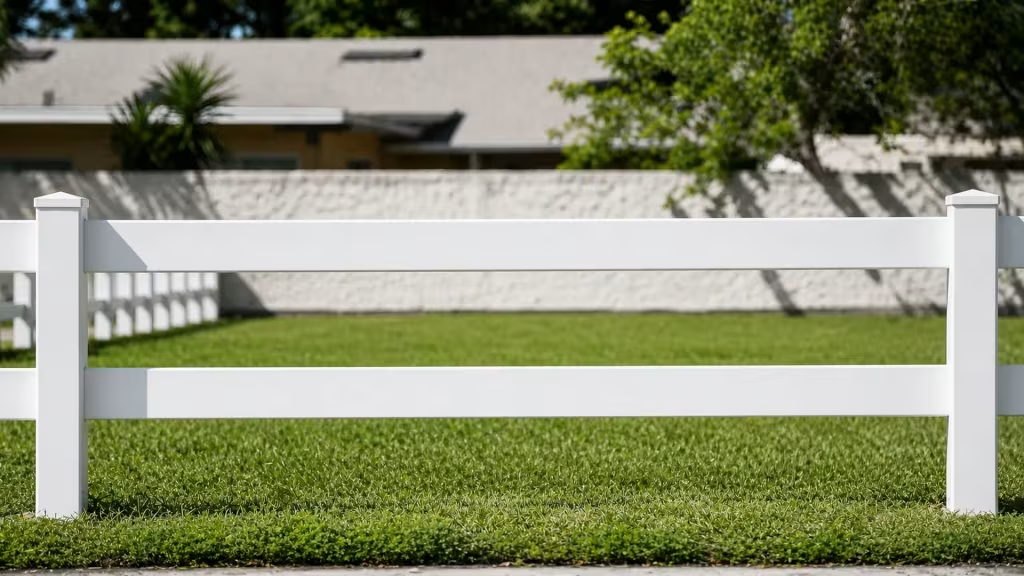
Two open rails on low posts mark the property line while the view runs clean over the top.
Call Now: (844) 744-0707

Three open rails on evenly set posts give you the classic ranch line, the count most owners land on, drawing a clean boundary while the openness stays. We fabricate and install the vinyl version ourselves.
The everyday choice still deserves an honest check, so first we tell you plainly whether three rails suits your land or a different count fits better. Behind that sits a licensed, 5.0-rated crew with 500+ five-star reviews, working across Greater LA and the Bay Area since 2018.
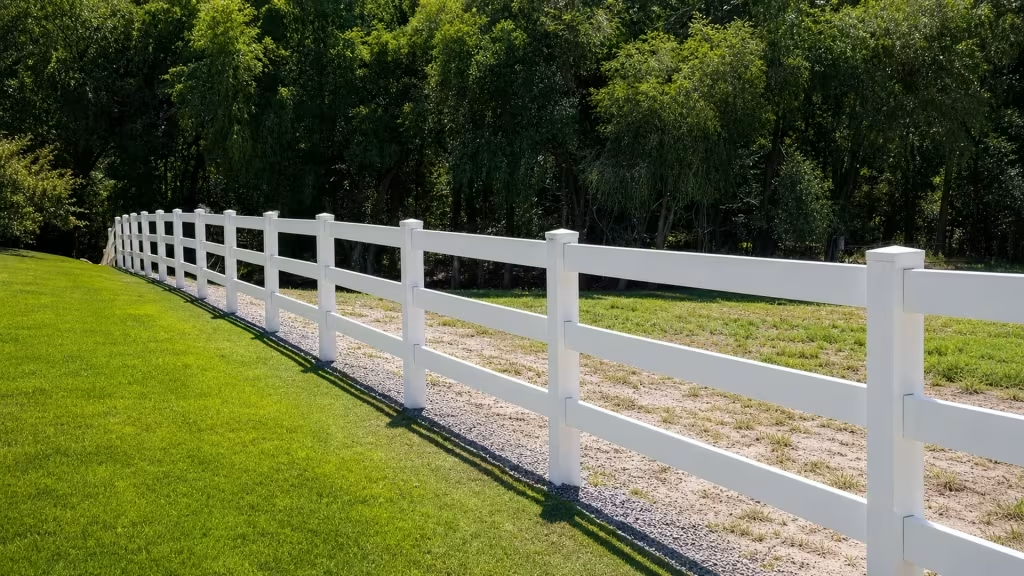
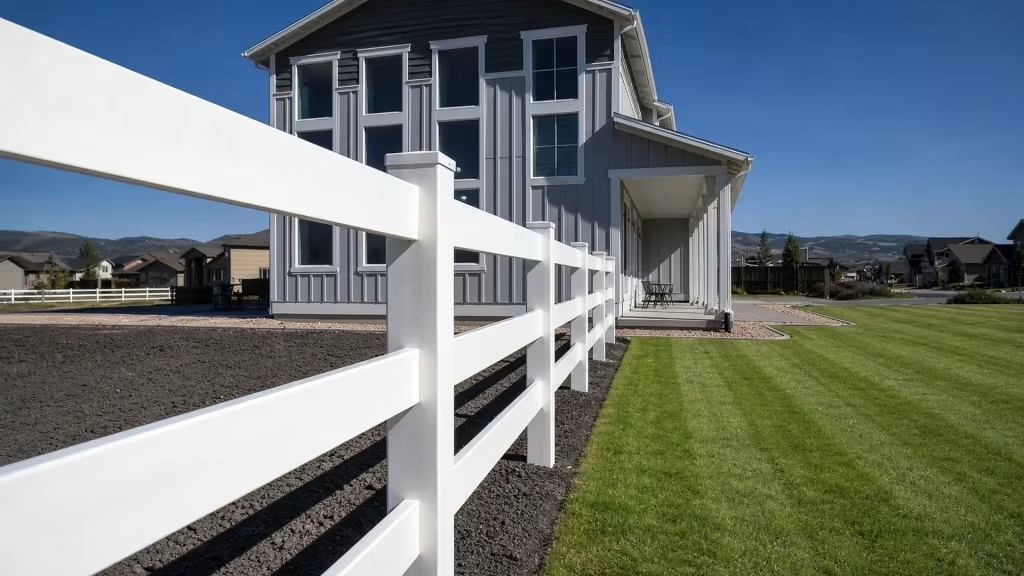
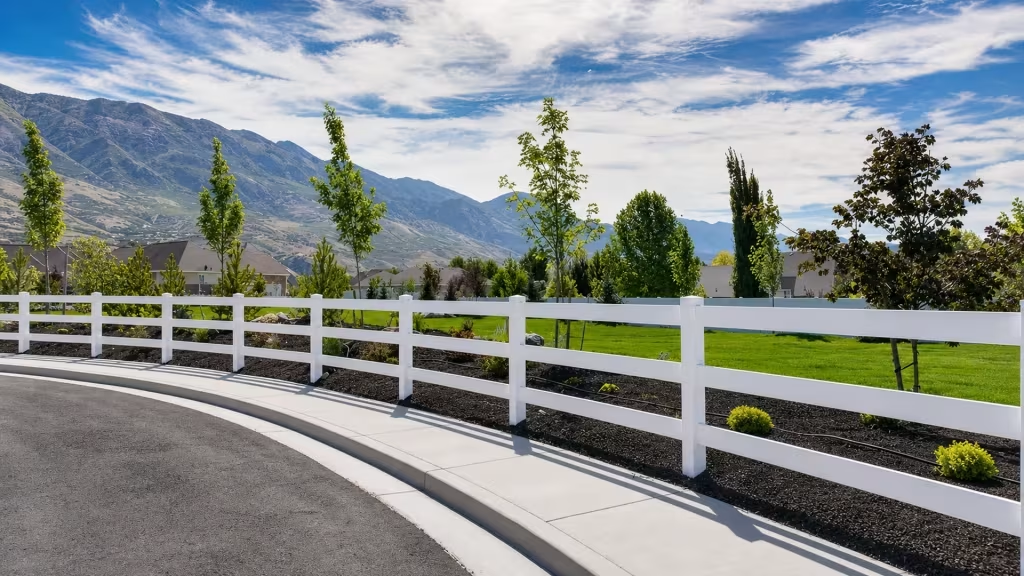
Three rails is the open post-and-rail count most people go with, balanced for everyday horse work and a clean property line alike.
Our part is the vinyl build, a straight read on whether three is genuinely your number, and a 30-inch concrete footing under every post. That guidance carries the same from an LA paddock to a Bay Area lot.
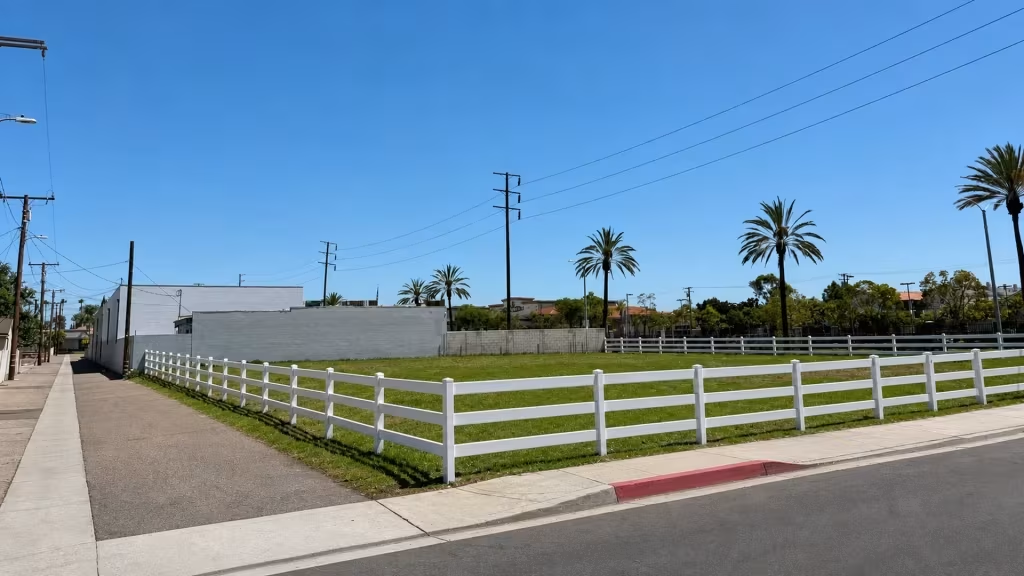
A 3-rail ranch fence sets three horizontal rails on upright posts, the gaps left open between them, which makes it the middle and most-common of the straight ranch counts. Open construction means it draws a property boundary while the sightline carries straight past it.
The rails are clean milled vinyl rather than the rough split cedar of an old split-rail fence, so the crisp ranch shape stays without the upkeep. How the whole rail family compares is a vinyl ranch rail fencing question.


Choose three rails when you want the all-round ranch line, balanced between containment and clean looks at a medium height. It is the build we set most often, the standard pick for everyday horse turnout and for a tidy property boundary that reads as ranch without trying too hard.
Two rails run lower and lighter for a purely decorative edge, so a small or ornamental frontage points to a 2-rail run. Heavy livestock, cattle, or a tall estate line asks for more hold, which a 4-rail run carries. And if the decorative diagonal is what you are after, the crossbuck carries the X. On most properties, three is usually the count that fits.
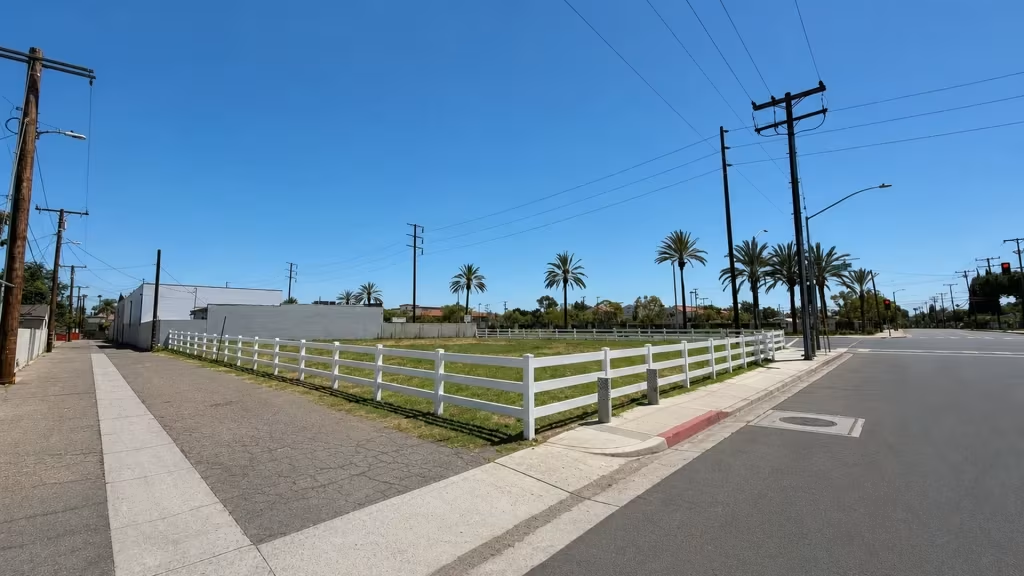
The rails never bolt to the outside of the posts. Each one threads through a slot cut into the post itself, the route-and-lock method, so nothing fastens on the face and no hardware ever shows.
The standard post is a 5×5, dropping to a lighter 4×4 on a low decorative line. Depth tracks the count, and a 3-rail post seats in a 30-inch concrete footing, the middle of the straight builds, with more hold than a shallower 2-rail line and less than a taller 4-rail one.
Rails come in a 2.5 by 4 inch profile, posts sit 96 to 98 inches apart, and rail stock runs 8ft to 16ft, a 16-foot span picking up a center post. Many kits online skip concrete so the fence can lift out later, which is fine for a movable line; poured footings are what keep ours square through wind and years.
On the material itself, the brittle-vinyl warning you may have read traces to hard freezes we never get here, and the real local test, UV and heat, is met by quality UV-stabilized vinyl. A vinyl fence needs a building permit only above certain heights, over 10 feet in the City of LA and over 6 feet in unincorporated LA County; the threshold varies by city, so verify with your local building department.
On a shared line, California’s Good Neighbor rule (Civil Code 841) asks for the neighbor to get written notice first. Final cost tracks the run length, height, gates, the rail count, terrain and slope, and any teardown, so a phone call brings a ballpark and a free on-site measure brings the firm number.
Two jobs keep the 3-rail busy. On a paddock or pasture it is the usual horse-turnout count, an open, splinter-free line with no chemical treatment on the rails, though a horse will work at vinyl by chewing and cribbing, and that wear is not something the warranty covers, so active paddocks plan around it.
Off the farm it does something quieter and, for us, far more common: a clean boundary and curb-appeal line along a front yard, a driveway, or a large lot, since most of the ranch fences we set never hold an animal at all. Our own crew and shop handle both, whether the property sits in Greater LA and Ventura or up in the Bay Area.
A 3-rail line is candid about what open construction cannot do. It gives no privacy and cannot contain a small dog or a cat, so add a privacy or picket run wherever screening matters.
It is no pool fence either: California pool code calls for a barrier a child cannot climb or slip through, hung on a self-latching gate, and open rails meet none of that. The design assumes level ground, and stepping a run down a steep slope is its own topic on any rail count.
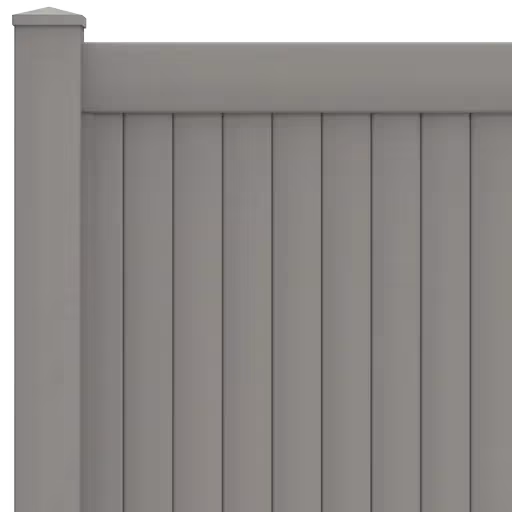
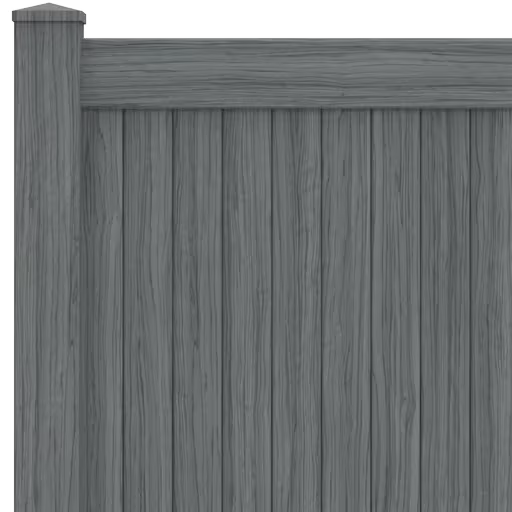
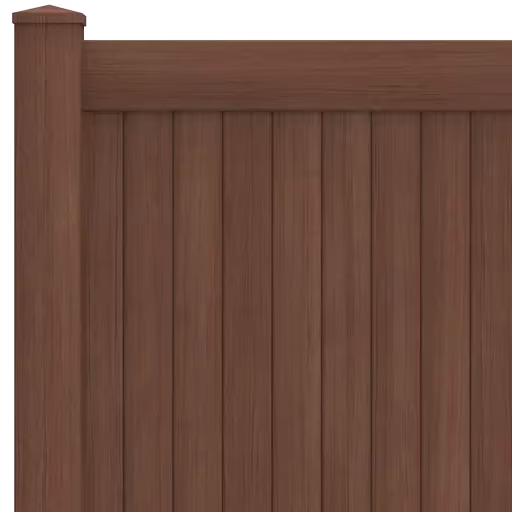
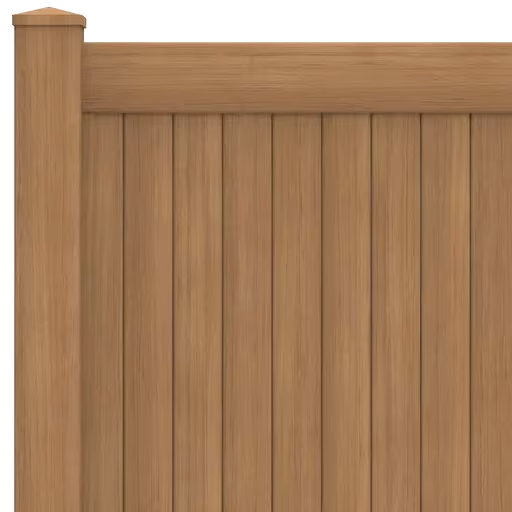
From the road, three rails read as one repeated line, and a plain solid keeps that line crisp. Up close the surface is what registers: a grained finish shows its figure, and the textured blends push it rougher. Choose for the range you will look at the run from most.
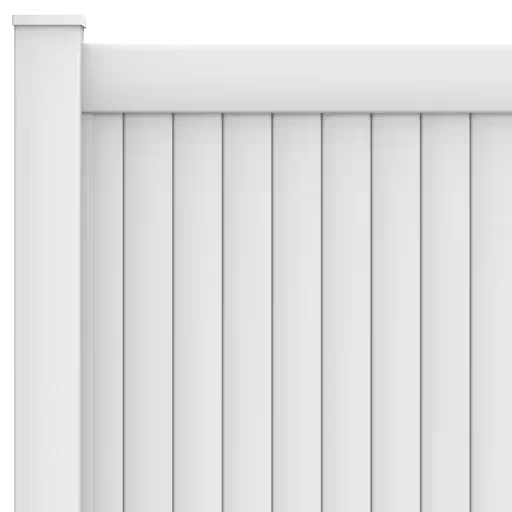
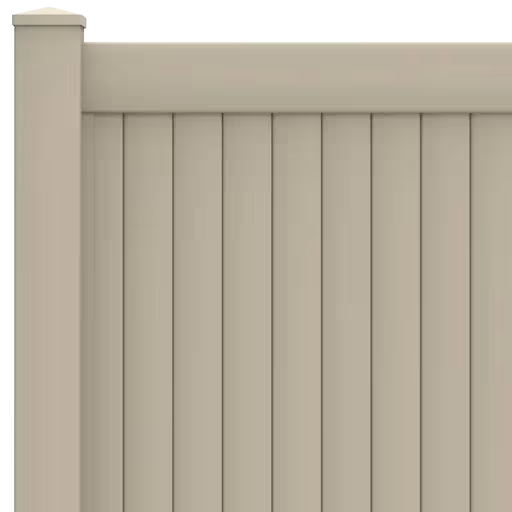
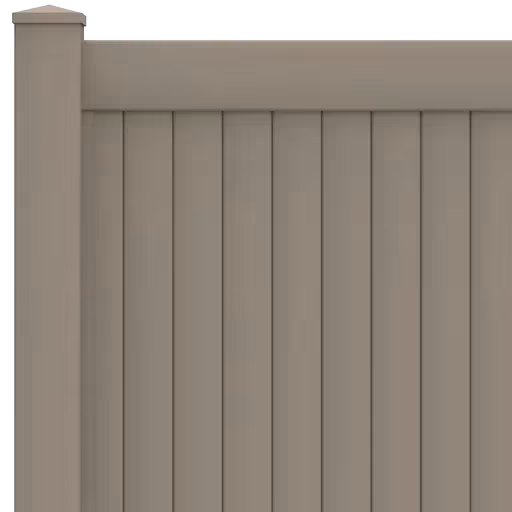
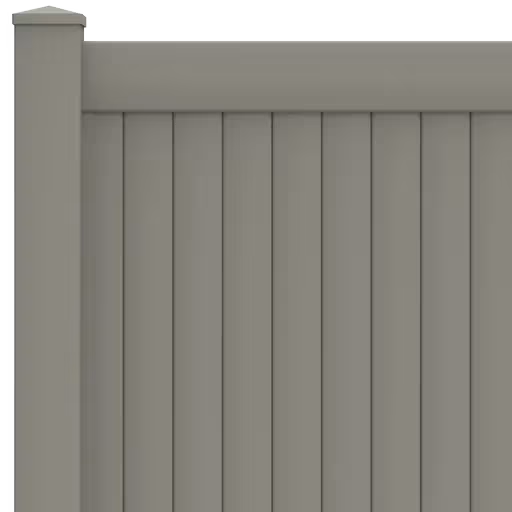
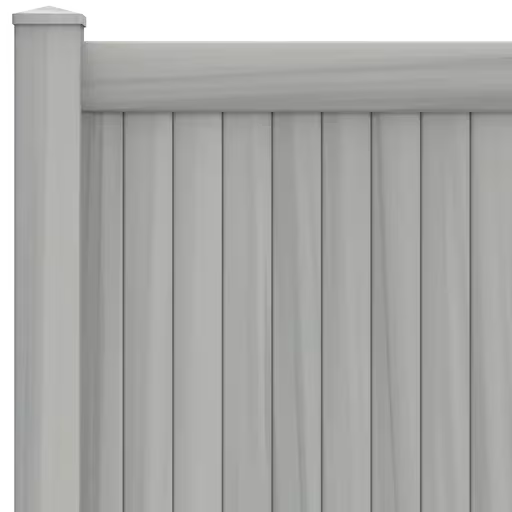
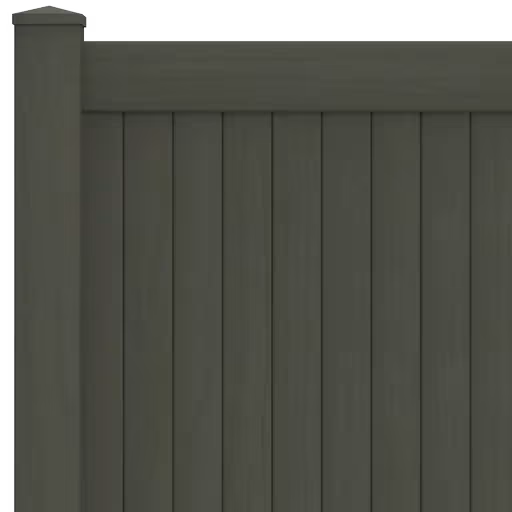
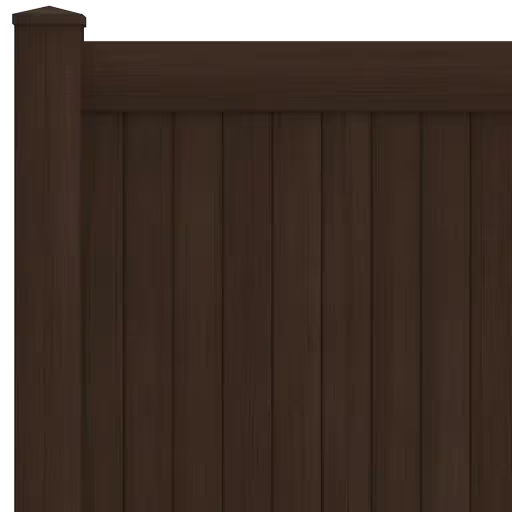
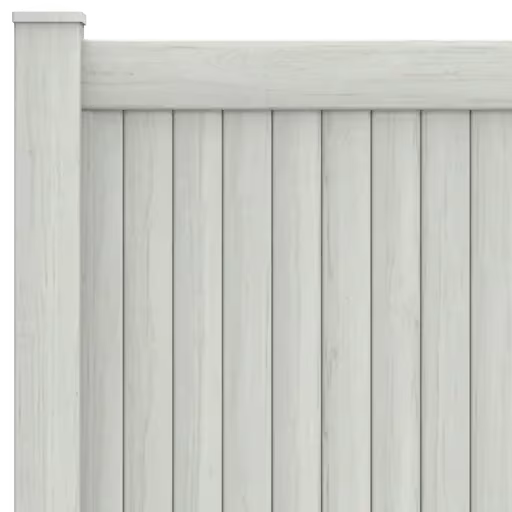
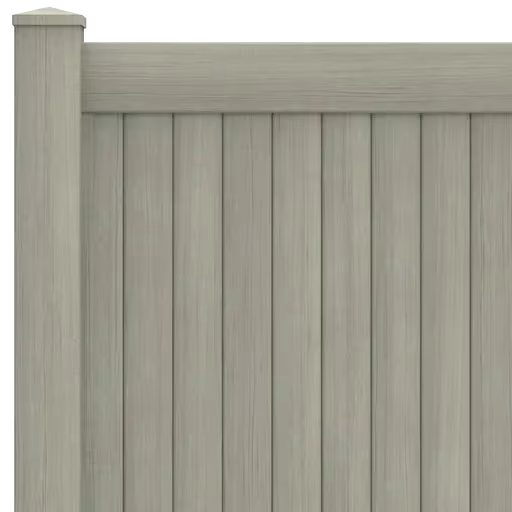
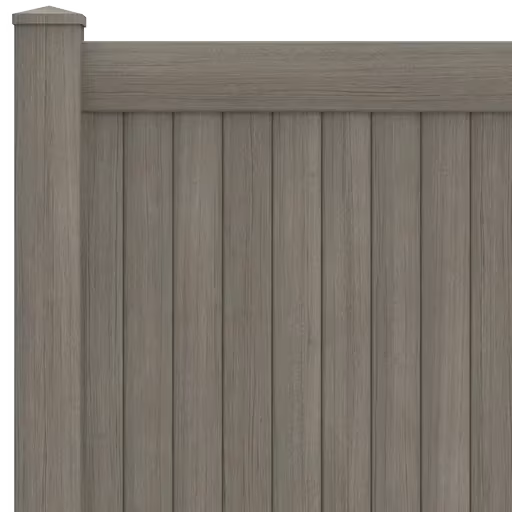
Pro Vinyl and Aluminum Fencing partners with Catalyst, one of the leading vinyl fence manufacturers in the United States. Their US-made vinyl, our custom fabrication and installation, backed by a transferable limited lifetime material warranty.

Post and rail is one answer to a boundary among several we build. Plenty of jobs run it out front and put something taller behind the house, cut for that ground rather than pulled off a stock length.
Two open rails on low posts mark the property line while the view runs clean over the top.
Four rails fill the frame the most of any ranch count, built for real containment on livestock and estate lines.
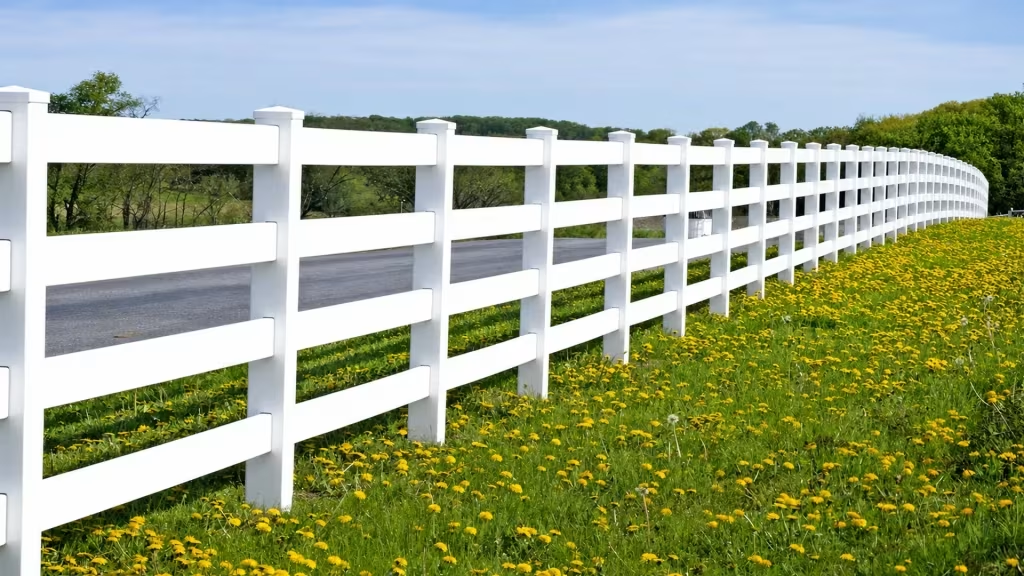
A decorative diagonal X crosses the open rails for the rustic ranch look, without the rot or splinters of wood.
What a wonderful company. I chose Pro Vinyl Fencing because of their ability to walk me through options and explain the process in detail. I am so pleased with the front fencing they installed. No hiccups or issues.
I’ll be using them to replace all the fencing and gates at the back of my property.

Vic was very professional and knew exactly what I needed done. he was very detailed and explained everything that was going to be done. The workers Sevak and Hayk were excellent and were very friendly. I would recommend Pro Vinyl to everyone. Thank you for the great job. – Robert

Really happy with the results and the best price I got from numerous estimates. The installers worked really hard and got it all done in one day. Jasmine always gave me comfort as she always responded to my texts and always answered my questions.
Will look to them for a potential second job . Thank you !

They do great work. My wall topper blew off after the recent big winds we had and I found David online. I called him, he came out, he gave me a quick, affordable price, and the work was complete 4 days later. Easy peasy. Don’t bother looking elsewhere, this is your guy.

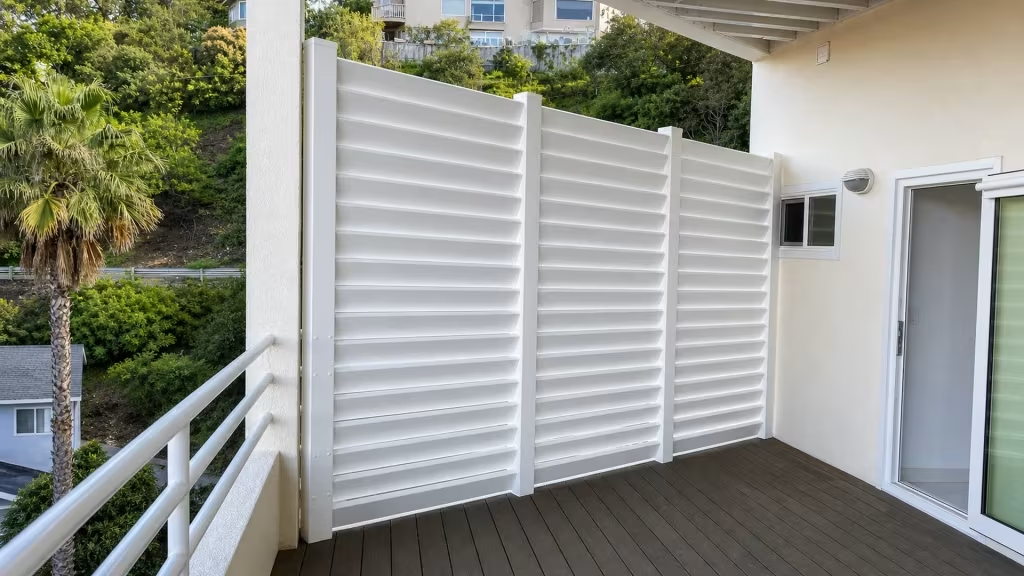
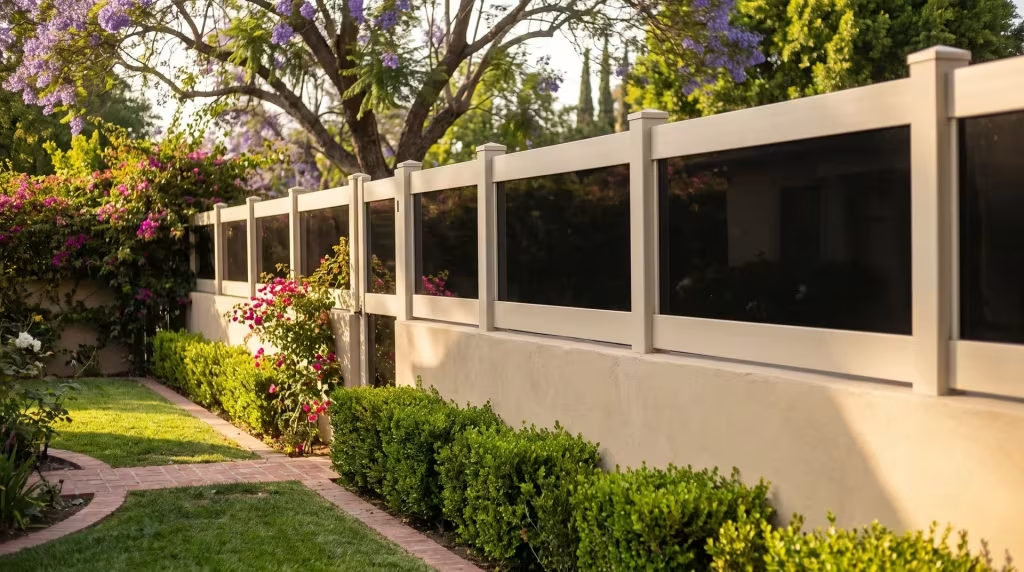
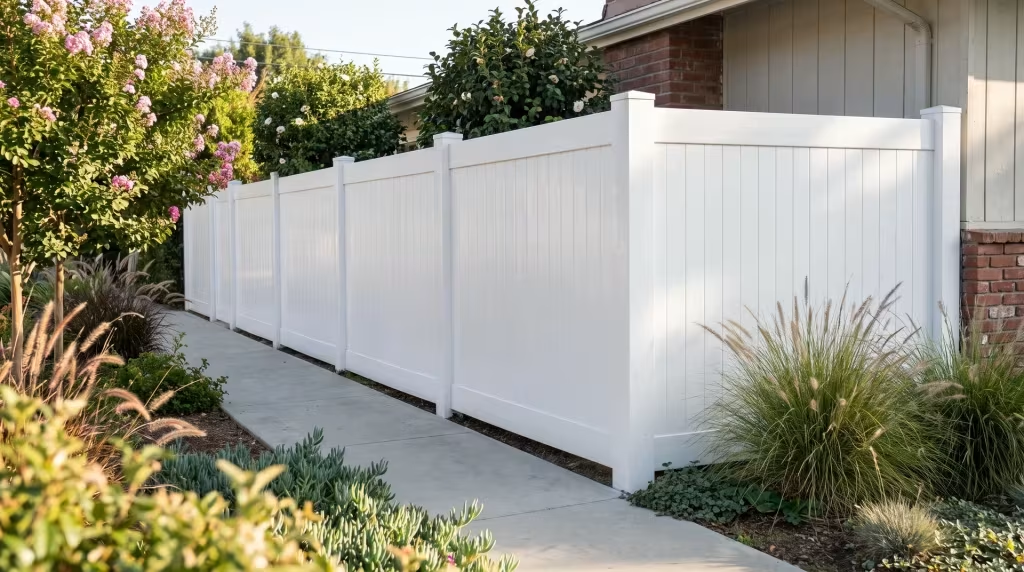
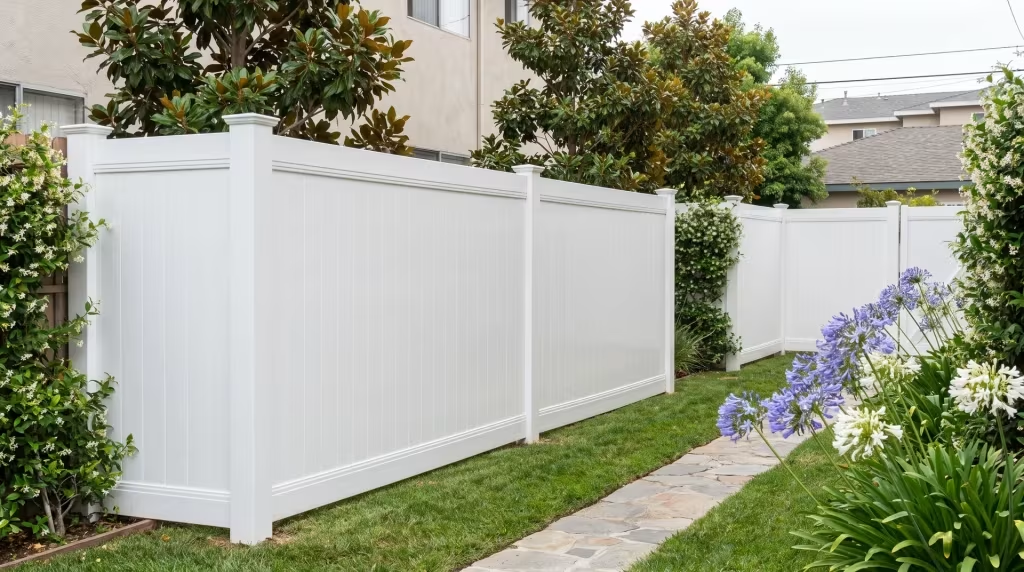
Count the three rails and the medium, open height in these photos, all real vinyl jobs finished for owners across the areas we serve. Look at the color each one wears, from clean white through soft tan to woodgrain, then set that same balanced line against your own front yard.
Across Greater Los Angeles and Ventura County, the 3-rail is the count that keeps our calendar full. One week it wraps a backyard paddock; the next it runs a clean line down a front yard or a ranch-style street. Building it this often, we hand you a predictable install and one steady crew.
The in-house shop behind our Southern California runs sends work north to the Bay Area, so a paddock or a front boundary meets one standard. Fewer Bay jobs sit on our books than LA ones, and we say so up front. County height and permit rules differ here, so each run is built to its address.
The 3-rail is the build we set more than any other, so it holds few surprises. You are never rushed to decide, and the price you sign for is the price you pay. We pin down the count, height, color, and cost before a shovel touches the ground.
Four steps below, each one confirmed with you, from the first free estimate to the day we hand over the line.
A salesman comes out, measures the run, confirms three rails suits the job, and hands you a firm figure on the day.
The scope goes on paper, price included, with height, gates, color, ground prep, and any teardown named before we dig.
Posts drop into their concrete footings, the routed rails feed home, then we cap the line and leave the site clean.
The vinyl sits under a transferable limited lifetime warranty; workmanship is guaranteed 5 more years, plus care tips.
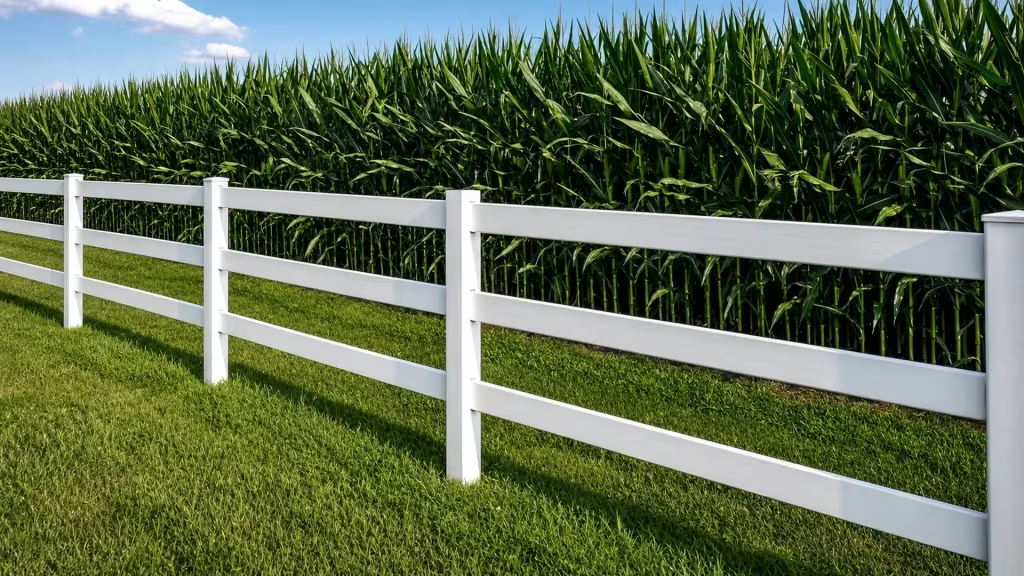
Articles on picking a rail count, setting footings, and keeping vinyl bright, written by people who build it.
A picket fence still marks a property line, but the profile chosen decides whether it reads modern or traditional.
Fences blog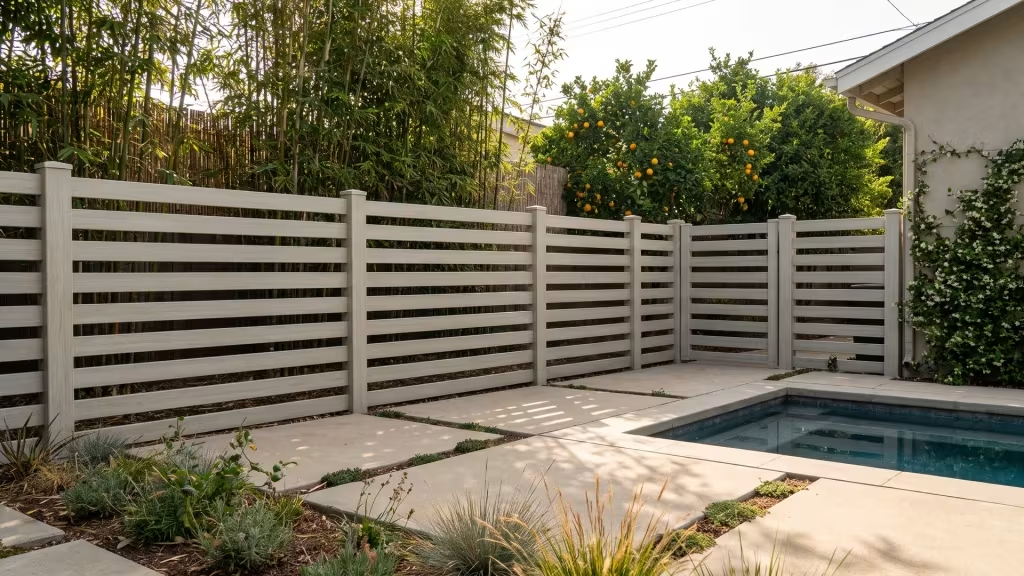
3-rail ranch fences: the questions we get
Here are plain answers to the things a kit listing leaves out: what three rails actually gets you, how to weigh it against two or four, how deep the posts sit, and what really moves the final price. If yours is missing, call the same team that would put the fence in and just ask.
Torn between counts?
Book a free visit, no pressure, and we map the whole run with you.
A 3-rail vinyl ranch fence carries three horizontal rails on open posts, the middle and most-common of the straight ranch counts.
It marks a boundary at a medium height while the view stays open, and the milled vinyl holds that clean ranch shape without the splintering or staining that wood brings.
For most properties, three. It is the balanced everyday choice, tall enough for horse turnout and tidy enough for a plain boundary.
Two rails suit a low, decorative line on a small lot; four suit heavy livestock or a tall estate boundary. Those ends are the 2-rail and 4-rail builds.
For everyday turnout, yes; three rails is the count most horse owners use. The rails are splinter-free and carry no chemical treatment, kinder than treated wood.
The catch: horses can chew and crib vinyl, which counts as animal damage the warranty excludes, so busy paddocks plan around it.
A 3-rail post seats in a 30-inch concrete footing, the middle depth of the straight counts: more hold than a shallower 2-rail line, less than a taller 4-rail one.
Each rail then locks into a slot cut in the post, so no bracket or screw lands on the outside face.
There is no one fixed height; we build the run to what your property or livestock calls for.
Three rails is the balanced medium-height count, taller than a low 2-rail line but shorter than a 4-rail estate run. The exact height is set on the site visit, against your use and any permit rule.
No two runs price the same. The number moves with run length, height, gates, the rail count, terrain and slope, and whether an old fence needs pulling first.
Expect a rough ballpark by phone and the firm figure after a free on-site measure, with no pressure to sign.